A reflection on art and perception, and what happens to creativity when perfection becomes effortless.
What happens to art when machines not only copy human skill, but surpass it – and when perfection no longer costs anything?
Technically, the answer is already here. Artificial intelligence creates images quickly and accurately, in ways no human can match. It seamlessly transitions between styles and expressions – without doubt, fatigue, or the need for time.
Art isn’t just about results; if it were, everything would be decided. It’s important to keep this idea open instead of closing it off.
The history of art isn’t just about technical progress. In fact, It is often the opposite. Key moments happen when something becomes unnecessary. When precision isn’t needed anymore, it allows for new ideas. When reality doesn’t have to be shown, it can be understood in different ways.
In that light, artificial art seems less like a threat and more like something that reveals something about it. It shows, quite harshly, how much of what we call art is really just variations of existing patterns. What may lose significance is not the art itself, but what was already predictable.
It’s hard to say the change is neutral. The constant access to perfect images influences both what is made and how we perceive things. Our eyes quickly adapt.
What takes time and thought may seem less valuable compared to things that provide instant satisfaction. This change happens not in the art itself, but in how the observer sees it.
Against this backdrop, the question shifts from competition to a more basic one: what cannot simply be optimized? Perhaps it involves elements of risk—things that could have failed. It highlights not just results, but a process where something significant was at stake.
This is not a sentimental view of the “human”, but a distinction in what a work is, rather than how it appears.
The question isn’t about whether artificial art can replace human art, but about understanding why it matters if it can’t. If someday the answer is no, it doesn’t mean the art itself is to blame. It’s tied to our ability to perceive.
Maybe it is not art that changes, but our perception of it?
The rise of artificial art is clear and will continue in the future. But when will it stop? Are there any limits, or are the boundaries few? The questions may seem broad, but what truly complicates things is my own thoughts. An artist’s hard work and material choices can easily be overlooked in this algorithm-driven world.
Experiencing the creativity of others and the amazing variety of artworks is one of life’s greatest joys. Standing in front of a piece makes you curious, leading you to ask the artist questions like: how did you create this? How long did it take? Or how did you make it so perfect?
As an art historian and analyst, I seek deeper questions, but if algorithms create the art, do these questions become insignificant? What does it mean for creativity and authenticity when brush strokes come from code?
Nowadays, artificial art is everywhere, leading to increased skepticism. I often find myself spending more time checking if an artwork is AI-generated instead of focusing on its content, themes, and story.
Such a situation is challenging for me as an observer and disheartening for real artists. Their work often goes unrecognized or unappreciated, leading to skepticism among viewers. This overshadowing by AI artists like Salvador AI or Vincent van AI can be frustrating for those who care deeply about human creativity.
As long as art galleries display talent, human-made can stand out. With the growth of digital media, more people are curious about art, which may encourage them to visit exhibitions and appreciate art in its true form.
My goal is to attend many exhibitions each year and often visit museums and historical sites. I document each visit with reports on this blog. The images, locations, and historical contexts are real. Castles aren’t created by algorithms, and brushstrokes don’t come from keyboards or screens.
Note:The image for the post is, of course, AI-generated – if you were wondering?
Frozen moments in a trembling hand The icy catch of the sea in the silence of the stones The ice, a silent blanket, in a lullaby for the soul The icy view of the bay in the absence of waves The shroud of white cliffs, like ice in the drink of life Slippery places are in the grip of the coast Weak polar winds and the proximity of frozen lips No turning back when frozen moments seduce
Christmas markets are delightful and awaken a longing within me when I think of my old workplace. The annual Christmas market outside the museum entrance has an irresistible charm. The weight of nostalgia feels overwhelming. The grand county museum, with its fantastic exhibitions, stirs strong emotions in me. Every visit is a melancholic journey. Every step I take reminds me of the memories and moments I have left behind.
Once inside the museum, the excitement hovers. Many fantastic exhibitions to explore. One of the exhibitions, “Out of the Shadows” – an art exhibition by Johan Thurfjell, captures your attention. It gives a strong sense of connection and touches you deeply.
Photo: Björn Blomqvist
“The door is a solitary object but also a symbol. A door is never just a door: it is a portal, a threshold, an interface. It separates outside from inside, but also offers a path to the other side. What hides behind it?”1
Alone in the dark. Only me, the door, and the light that speaks with an intense voice for both of us. Small in the sense of the room, yet so enchanting in its depth. Behind the lonely door hides something longing to reveal itself. The hidden seeps out like a loving whisper, as if the work itself challenges the boundary between presence and absence. In Johan Thurfjell’s exhibition Out of the Shadows, a scene is born. It is a powerful symbol of the spaces that are usually kept in darkness within us.
The installation contains two works, The Door and Backstage. But it is The Door that captivates the gaze and awakens profound questions. It stands there, seemingly ordinary, yet it pulses with a mysterious sense of what is happening inside, or behind. An intriguing movement seems to have just swept past. A secret activity might be unfolding, hidden from our eyes.
In encountering the work, the thought arises that every human being carries their own inner universe. This universe is a landscape of winding corridors, narrow corners, and unexpected openings. The door becomes a marker for the point where reality and imagination meet. What we think we know is unsettled by what we only sense. It is in this in-between space. In the very moment of doubt, the work opens itself and begins to speak.
Upplev 1700-talet på Ljungs slott i Östergötland. Besökare får utforska ståtliga salar, kök och hemliga rum, och Axel von Fersens kärleksbrev till Marie Antoinette får nytt liv. En eftermiddag fylld av skratt och historisk atmosfär – en tidsresa utöver det vanliga.
Slottet, färdigställdes år 1779, men byggandet påbörjades redan 1776 på initiativ av fältmarskalken och politikern Axel von Fersen den äldre. Arkitekten bakom det lokalt producerade slottet, var Jean Eric Rehn1. Slottet är byggt av sten och tegel från trakten.
Skådespel, skådeplats
En teatervandring genom slottet görs av guider från föreningen Ljungs Slotts Bevarande. Såklart iklädda 1700-talskläder. Allt börjar i husets hjärta. I köket på nedervåningen.
Uppradad längs ena kortsidan i köket fick man följa skådespelet. Ett storslaget köket med spis, skafferi och porslinsskåp. En scen ur 1700-talets vardagsliv utspelades bland kökspigor och tjänare. De klagade på maten, skämtade om falska råttor i köket och någon tog en klunk ”medicin”. Skådespelet fortsatte.
På nedre plan finns även ett kafé, en utställning om Jean Erik Rehn och en museibutik. Entréhallen är i rokokoinspirerad stil.
En trappa upp, i den s.k. adelsvåningen, höll Axel von Fersen den äldre2 och hans familj till. Våningen är inredd i ren gustaviansk stil3.
Adelsvåningen
I den stora matsalen med sina långbord, står en kakelugn och öppen spis i vardera kortsida vägg. Under 1700-talet kom kakelugnar att bli populära. På väggarna hänger porträtt av Fersensläktens medlemmar.
Matsalen, belägen på slottets norra sida, har fönster mot norr för att hålla rummet svalt under varma dagar. Efter en kort scen ur ett teaterstycke med ensemblen går man vidare till hertigens sovrum.
Axel von Fersend.y.4 var lång och stilig, men sängen var bara 1,65 meter lång. Den hade sänghimmel för att skydda mot drag och kyla, och för att ge en viss avskildhet. Även i sovrummet uträttades behoven.
Under den pågående föreställningen kom jungfrun in och tog fram en pottskål under hertigens säng. Kärlet bars sedan upp till vinden och tömdes för att förhindra att lukten störde slottsinvånarna.
Från sovrummet ledde en dörr in till Axel von Fersen den yngres fängslande arbetsrum. Här skrev han brev till sin älskade Marie Antoinette med osynligt bläck. Jungfrun, som flitigt skötte om kontoret, avslöjade parets hemliga kodspråk i breven.
I de eleganta salongerna dansade herrarna och damerna. De rörde sig till hovfolkets musik. Musiken var troligen barock eller inspirerad av 1700-talets folkvisor. Den spelades från pianot intill. Deras perukprydda huvuden rörde sig i takt med melodin. Jag kan dock inte med säkerhet säga vilken musik de dansade till.
Guvernanten låg i nästa rum och vilade, plågad av huvudvärk och illamående. I sin omtanke erbjöd jungfrun henne ett huskurat vinblandat läkemedel. Jag minns att det innehöll rött och vitt vin. Det hade också kanelstänger och något mer. Det lät som en tröstande roséfärgad glögg. Den skulle kunna lätta hennes besvär.
Guiden visade upp sina tidsenliga kläder, med strumpor, kjolar, underkjolar och nattlinnen prydligt lager på lager. Hon gav oss en inblick i 1700-talets mode. Hon förklarade att en mouche var en viktig del av modet. Det var ett litet skönhetsmärke format som en fluga. Mouchen hade både praktiska och estetiska syften och symboliserade status. Guiden placerade sin mouche på högra kinden.
Avslutning
Den timslånga guidade turen, med inslag av teater, avslutades med en känsla av tidsresa. Vi fick möta 1700-talsdamerna i deras praktfulla dräkter och lyssnade fascinerat på de gripande berättelserna om både slottet och Fersensläkten.
Tillbaka på nedervåningen, bland rokokodetaljerna, återvände jag till 2000-talet. Mitt fokus skiftade nu till museibutiken och Ljungs kyrka, där många Fersensläkter vilar.
Jean Eric Rehn (1717–1793) var en central gestalt inom svensk arkitektur under gustaviansk tid. Han förde övergången från lekfull rokoko till stramare nyklassicism inspirerad av antikens ideal. Efter studier i Paris blev han hovintendent och professor vid Konstakademien, och hans stil kom att prägla den gustavianska estetiken.↩︎
Axel von Fersen den äldre (1719–1794) var greve, militär och diplomat. Han var ambassadör i Frankrike och medlem av riksrådet. Som en ledande företrädare för hattpartiet drev han en profransk, monarkistisk politik. Han var far till Axel von Fersen den yngre.↩︎
Gustaviansk stil är den svenska tolkningen av fransk nyklassicism under Gustav III:s tid (ca 1770–1810). Ljusa färger, raka linjer och klassiska motiv som urnor och band präglar stilen, som förenar enkelhet och elegans.↩︎
Axel von Fersen den yngre (1755–1810) var adelsman och officer med internationell karriär. Han umgicks i franska hovet och blev nära vän med Marie Antoinette – ryktet säger även älskare. Han deltog i planeringen av kungafamiljens flykt under franska revolutionen och blev senare riksmarskalk i Sverige. Hans brev och dagböcker ger en unik inblick i 1700-talets Europa.↩︎
Julita gård, med anor från 1100-talet, speglar svensk kulturhistoria genom medeltida klosterliv och herrgårdsliv från 1900-talet. Guidade visningar avslöjar gårdens hemligheter och berättelser från Arthur Bäckströms tid.
Vinden blåste härligt från väster och vågorna på sjön Öljaren var höga. Jag såg verkligen fram emot en fantastisk utflykt till Julita gård. Platsen har en historia som sträcker sig till 1100-talet.
Julita gård är en betydelsefull historisk plats som ligger drygt en timmes bilfärd hemifrån. Idag ingår den i Nordiska museets samlingar, dit den donerades av sin senaste ägare, löjtnant Arthur Bäckström.
Vandring i tid och rum
Ensam och förväntansfull stod jag där (sommaren 2024). Bara jag och guiden. En privat visning, nästan som en dröm! Vad jag fick veta från guidningen, är det jag kommer delge er här. Det är mina intryck och mina betraktelser!
Det så kallade stora huset, där guideturen startar, är betydligt yngre än platsen, vilket ger den en spännande historia. Huvudbyggnaden uppfördes på 1600-talet. Huset brann ned under mitten av 1700-talet, men ett nytt hus uppfördes på samma plats, senare under 1700-talet.
Gården köptes på auktion av Arthur Bäckströms föräldrar, år 1892 från familjen Palbitzki. Vid köpet var huset helt tomt. Det gav familjen Bäckström en fantastisk möjlighet. De kunde sätta sin egen prägel på gården – både på exteriören och de tillhörande byggnaderna. De gjorde även inredningen personlig och skapade ett varmt och inbjudande hem. Enligt guiden.
Tiden före Arthur
Klädd i tidsenliga kläder berättade guiden med en fängslande passion om huset — enbart för mig. I det inledande anförandet sades det att kung Knut Eriksson donerade gården Säby år 1180. Gården omfattar en betydande del av Julita socken.
Donationerna tillföll cistercienserorden. Munkarna uppförde ett kloster på den plats där herrgården nu står. De konstruerade ett valv på den plats där den södra flygeln är belägen.
I den södra flygeln, ovanför valven, finns ett imponerande kök, där maten till alla på gården tillagades med stor omsorg. Ett andra kök finns också i den norra flygeln. Ibland fungerade det även som ett välkomnande soppkök för luffare och andra förbipasserande.
Under reformationen på 1500-talet, när Gustav Vasa regerade, stängdes klostren. Tidigare hade klostren varit viktiga för lärande och andlighet i Sverige. Landet blev lutherskt, vilket förändrade det religiösa och politiska landskapet. Staten fick mer makt över kyrkan och dess tillgångar. Julita blev ett kronohemman, vilket påverkade den lokala befolkningen och ekonomin. Kungamakten fick styra klosterjordarna och omfördela resurser för att stärka sin makt.
Jag vet en del om Gustav Vasa. Men jag hade ingen aning om att han tillbringade sina sista två veckor på just Julita. Under tiden han var där, var han sjuk. med sig hade han ett följe på 200 hästar. Det är inte helt klart om sjukdomen han drabbades av under resan dit var den som ledde till hans bortgång. Guiden kunde tyvärr inte ge några svar på den frågan.
Arthurs Bäckströms tid
Arthur Bäckström övertog gården 1902 efter sin far, Johan Bäckström. Arthur arrenderade den med stor entusiasm och hängivenhet fram till sin död 1941. Detta skapade en stolt tradition som fortsätter att inspirera. Under Arthurs tid byggdes bland annat en kuskbostad, ett stall samt ett vagnsgarage.
Arthur hade inga egna barn, men många hundar. De var inte bara husdjur, utan också en integrerad del av hans liv och hans familj. Enligt vad guiden sa, vilar hundarna på samma heliga plats som Arthur själv, i evig gemenskap.
Arthur var verkligen en omtänksam person! 1 600 luffare kom förbi hans gård under ett och samma år. Han brydde sig om de fattiga och hungriga - en bra gest, enligt guiden. Hans önskan att hjälpa till var genuin. Han ville se till att alla levde gott, både de som behövde stöd och de som arbetade på gården. Han ville att alla skulle känna sig värdefulla.
Porträtt av Arthur Bäckström, målat av Bernhard Östergren 1935.
Stora huset
Första våningen (markplan) i huvudbyggnaden var Arthurs privata del. Guiden berättade återigen, entusiastiskt om hur viktiga hans hundar var för honom. Varje morgon njöt han också av rabarberjuice, en god start på dagen, helt enkelt. På bordet bredvid sängen står en kanna som bekräftar berättelsen.
Jag ställde många frågor, vilket gjorde att jag lärde mig mycket och kände mig inspirerad. Vad fick jag mer veta?
Jo, i ena änden av våningen finns Arthurs frukostrum, och i den andra änden finns hans sovrum. Däremellan finns ett sällskapsrum där dignitärer möttes för att prata, njuta av cigarrer och spela kort. Kanske diskuterades affärer och politik där?
På våning två möttes jag av en vacker salong och en matsal. De var fyllda med Rörstrands-porslin och glas med Arthurs sigill på. Jag frågade såklart guiden om glasen kom från Reijmyre glasbruk, som grundades år 1810 och ligger inte så långt härifrån. Guiden visste inte, så den frågan får framtida besökare själva undersöka.
I det så kallade Julitarummet hänger en imponerande målning av Julita krutverk. I krutverkets verkstad tillverkade man läderkanoner. Ja, hör och häpna! Detta var en banbrytande uppfinning som avsåg att göra kanoner mycket lättare att transportera på slagfältet. Tyvärr blev projektet ett misslyckande, eftersom krutblandningen ofta exploderade.
Målningen är en kopia, berättade guiden. Originalet kan beskådas på Rijksmuseet i Amsterdam. Jag besökte det museet våren 2023. Jag beundrade verket utan att tänka på att det var originalet till verket jag nu står framför. Vilken slump?
På översta våningen finns ett underbart bibliotek, ett gästvänligt gästrum och en rymlig salong. Biblioteket rymmer över 5 000 volymer, vilket säkerligen är en glädje för alla vetgiriga besökare. De stora koffertarna vid gästrummets entré, berättar om spännande långväga resor.
Det var inte bara besökare och luffare som var där. Även de anställda. De flesta av gårdens 150 arbetare bodde i området. Många var torpare och hade förmånen att bo i något av de 80 torpen.
Henning Forsman
En som ofta omnämndes var gårdssnickaren Henning Forsman. Största delen av herrgårdens möbler är tillverkade av honom. I hans verkstad, belägen i utkanten, fanns ingen elektricitet, fick jag veta. Allt arbete utfördes för hand och med mekaniska maskiner.
I herrgården (stora huset) fanns det däremot el. Guiden pekade entusiastiskt på lamporna i taket – utan lampskärmar, just för att kunna visa att huset hade elektriskt ljus.
Forsmans uppdrag var att skapa möbler för herrskapet i en rad olika historiska stilar. Mycket av möblemanget i huset bär hans osynliga signatur av finess och elegans. Guiden visade stolar i empirestil, med majestätiska lejonfötter. Dekorerade med tofsar.
På egen hand
Efter en timmes guidning lämnade jag huset. Den stora trädgården breder ut sig framför mig. Ett lusthus är synligt i fjärran. Det är en kopia, som guiden poängterade. Originalet är beläget på Skansen.
Många intryck rikare fortsatte jag det spännande utforskandet av området. Nu utan guide och efter eget intresse. Orangeri, museum och kyrka är verkligen några av de fantastiska byggnader som bör besökas – och självklart ett mysigt kafé! Kaffet var nästan dyrare än inträdet, men den vänliga personalen gjorde upplevelsen värdefull.
Intill kyrkan ligger det förtrollande Julita Skans hembygdsmuseum, en skattkammare av historia och kultur. Där öppnar Arthur Bäckström lyckligt sitt hjärta och sin privata samling, som gnistrar av minnen och historier. Men det är inte allt!
En mindre, men kraftfull konstutställning har också funnit sin väg hit. ”Äntligen!” utbrister jag inombords, ”lite modern konst som väcker liv och känslor.” Utställningen ligger en trappa upp i museets gastkramande entrébyggnad. Utställningen framhäver imponerande verk av lokala konstnärer i Katrineholms kommun, inklusive Julita. Den arrangeras av den ideella föreningen KIKK (Konstnärer i Katrineholms Kommun).
Museibyggnaden är härligt sammanbyggd med gårdens kyrka via en liten, charmig innergård. Kyrkporten, som sig bör, vetter mot väster – mot det glittrande Öljaren.
Det stora huset är beläget i öster, vilket även gäller kyrkans altare. Besökare färdas således från väst till öst – från mörker mot ljus – när de passerar genom porten till altaret. Kyrkor har traditionellt konstruerats med altaret riktat mot öster, den riktning där solen stiger.
Kyrkan, eller snarare kapellet, är uppfört i trä i enlighet med Arthurs egna visioner. Inuti anordnas träbänkar och ett altare i öster. Byggnaden, som är liten och stillsam, präglas av ett fristående klocktorn (kampanil) intill.
Dagen avslutades med ett besök i orangeriet och det närbelägna tegelbruket. Några blommor inhandlades innan sista stoppet. Museibutiken.
Texten bygger på en tidigare engelsk version, nu bearbetad och återgiven på svenska.For the original English text, see [Understanding Synesthesia:]
Syfte och metod
Syftet med studien är att undersöka mina egna perceptuella upplevelser i relation till fenomenet synestesi. Studien fokuserar på hur färg, form, ljud och begrepp samverkar i min vardagliga perception. Genom självobservation och jämförelse med befintlig forskning identifieras flera synestetiska uttryck, framför allt grafemfärgssynestesi, dagfärgssynestesi och tid-rumssynestesi.
Min färgstarka förmåga
Vardagen är inte bara svart eller vit. Den är en färgpalett som fångar intryck och sinnesstämningar i regnbågens alla nyanser. Om jag frågar vad du heter och du svarar “Erik”, då är du grön. Jag heter Björn, och är blå. B som i blå. Om du heter Anna, är du röd. Patrik är brun. Sofie är vit. Johanna är vinröd osv.
Namn och färger blandas samman. Det visar de fascinerande kopplingar jag skapar mellan namn och färg. Det är uppenbart – det är synestesi!
Om mitt namn (Björn) är blått och låter som en isig vind – vilka färger sätter du på ord?
Har siffror färger?
Är du som jag?
Vad är synestesi?
Synestesi är ett neurologiskt fenomen där sinnena är sammankopplade. Den vanligaste formen, grafemfärgsynestesi, innebär automatiska och konsekventa kopplingar mellan bokstäver eller siffror och specifika färger. Dessa samband är ofta envägs och utvecklas tidigt i barndomen.
Synestesi kan ta sig många uttryck. Den kan exempelvis koppla tidsenheter till färger eller förvandla musik till visuella upplevelser. Man har identifierat omkring 70 olika typer.
Forskning
Enligt forskning vid Karolinska Institutet definieras synestesi som en unik förmåga där sinnesintryck eller tankar kopplas samman på ovanliga sätt. Bokstäver kan till exempel vara förknippade med färger, eller ljud kan framkalla former.
Cirka 4% av befolkningen har någon form av synestesi. Fenomenet varierar mellan individer och är delvis ärftligt. Forskare menar att synestesi ofta triggas av begrepp snarare än direkta sinnesintryck.
Det kan hjälpa hjärnan att göra abstrakta idéer mer konkreta. Synesteter uppvisar ibland förbättrad minnesförmåga och en tydlig kreativ ådra – något som förklarar kopplingen till konstnärliga yrken.
Synestesi och autism?
Det finns teorier om samband mellan synestesi och autism. Det finns också teorier om samband mellan synestesi och tvångssyndrom. Detta beror på liknande mönster i hjärnans kopplingar och detaljfokus. Pågående forskning studerar dessa samband genom tvillingstudier och hjärnavbildning.
Synestesi är inte en funktionsnedsättning. Den upplevs ofta som något positivt, eftersom den berikar individens erfarenheter och visar hur unikt människor kan uppfatta världen.
Hur – på vilket sätt
Hur låter färgen röd? Endast någon med synestesi kan svara på det. En person hör en trumpet och ser trianglar, en annan tänker på basket och känner smaken av våfflor. En tredje uppfattar siffran nio som en särskild nyans av rosa.
Synestesi betyder ”samtidig perception”. Forskning visar att det ofta är själva begreppet eller idén om något som utlöser den synestetiska upplevelsen.
De vanligaste formerna är:
Auditiv-taktil synestesi: Ljud framkallar känselförnimmelser som tryck, värme eller smärta.
Dagfärgssynestesi: Veckodagar upplevs i specifika färger.
Grafemfärgssynestesi: Bokstäver, siffror eller symboler har bestämda färger.
Hörsel-rörelsesynestesi: Rörelser upplevs med tillhörande ljud, t.ex. ett ”svisch”.
Spegelberöringssynestesi: När man ser någon beröras eller skadas och känner det fysiskt själv.
Ljud-färgssynestesi: Ljud eller musik väcker färgupplevelser.
Tid-rumssynestesi: Tidssekvenser (t.ex. kalendern) visualiseras som mönster eller former.
Spatial sekvenssynestesi (SSS): Siffror, datum eller sekvenser upplevs som placerade i rummet i bestämda mönster
Min färgstarka vardag
Jag lärde mig ordet synestesi för inte så länge sedan. Tidigare var jag omedveten om att fenomenet hade ett namn. När jag fick det beskrivet för mig kände jag att hela mitt liv rymdes i det ordet.
I åratal har jag sett ord, siffror, datum, tider och bokstäver i färger. Det började när jag var barn.
Mina former av synestesi passar in på alternativen ovan, 2, 3, 7 och 8. Jag har både färg och en form på hela året och dess månader.
Så här ser året ut i mitt huvud. Varje månad har sin egen färg. Dagarna kring jul och fram till nyår upptar den övre raden i min inre bild. Tydliga tecken på (7) Tid-rumssynestesi.
Först kommer julhelgen. Därefter kommer mellandagarna. Till sist är det nyåret. Den raden täcker en vecka, medan den undre representerar större delen av året.
Nu är det november. Hela månaden har jag föreställt mig att jag befinner mig på den branta högra kortsidan av rektangeln. I uppåtstigande rörelse. Inte förrän dagarna innan jul, svänger det in på den övre långsidan av rektangeln. Där befinner jag mig ända fram till det nya årets första dag.
Ordens kulör
Veckans alla dagar: Måndag, Tisdag, Onsdag, Torsdag, Fredag, Lördag, Söndag
På liknande sätt ser jag veckodagar, namn, bokstäver och siffror i färg. Orden får sina nyanser genom sina inledande bokstäver och genom datum som knyts till dem. Det omfattar, (2) dagfärgssynestesi, (3) grafemfärgssynestesi och (8) Spatial sekvenssynestesi (SSS). Som tidigare nämnt, har olika namn olika färger, baserat på första bokstaven i namnet.
Exempel: Om du säger att vi har möte kl. 16:00, är det mörkblå tid. Om det är flyttat till kl. 18:00, är det vinrött. Det kan skapa konflikt i mitt huvud, eftersom kl. 17:00 har en ljusare röd färg och kan skapa missförstånd. (7) Tid-rumssynestesi.
Den vanligaste formen, (3) grafemfärgssynestesi innefattar färger på siffror och bokstäver. Som jag tidigare nämnt, har jag olika färger för olika namn, med koppling till första bokstaven. Siffror är inget undantag. Även där fylls de av färger i mitt sinne.
Exempel: Tre datum stack ut i december 2024 och två kommande datum i år 2025.
Den 3:e var grön 🟩.
Den 4:e var svart ⬛️ – en djup kontrast som väcker känslor av mystik och tyngd. Då hade ett jag läkarbesök.
Den 5:e var gul 🟨 – ljus och varm, fylld av optimism. Då var det julbord med kollegorna.
I år är julbordet den 2:a och det datumet är rött 🟥.
Den 4:e i år är det APT (oönskat), men fortfarande svart ⬛️.
Färger ger verkligen energi och skickar signaler till hjärnan. Dessa signaler hjälper mig att minnas. De påverkar också mina känslor och min kreativitet. Mitt poetisk skapande och mitt unika sätt att minnas saker och händelser, samt mitt starka bildminne.
Slutsats
Genom mina egna upplevelser har jag insett att jag har synestesi. Jag kopplar färg, form, ord, tid och siffror på ett stabilt sätt. Detta har funnits sedan barndomen och stämmer överens med forskning om synestesi. Det förstärker min upplevelse av världen och omvandlar abstrakta begrepp till konkreta erfarenheter, vilket fördjupar kopplingen mellan tanke och känsla. Mina upplevelser överensstämmer särskilt med grafemfärgssynestesi och dagfärgssynestesi, och synestesi är en del av min identitet.
Texten bygger på en tidigare engelsk version, nu bearbetad och återgiven på svenska.For the original English text, see [Exploring Modernist Architecture].
Vissa byggnader fångar blicken utan att egentligen vara vackra. De står där, kantiga och råa, men med en tyst närvaro som man inte kan värja sig mot. Ibland passerar jag ett sådant hus. Det är ett stycke modernism med brutalistiska drag. Byggnaden väcker fler frågor än den ger svar.
Hantverkshuset
En byggnad kan fängsla en genom sin karaktär. Framhävd av dess spetsiga tak och glasfasad som gestaltar modernism. Råbetong som lyfter fram samspelet mellan funktion och form. Det skapas ett rum för reflektion kring tid och material.
Det finns byggnader med medveten arkitektonisk utformning av olika skäl. Det är just den del som syns tydligast, och som jag på något sätt tycker är spektakulär. Inte för att den är unik – det finns såklart andra byggnader med liknande form och stil. Som jag själv säger: ”Den sticker verkligen ut.”
Byggnaden har länge fångat mitt intresse, och med sin fascinerande arkitektur. Den står ut och fångar min blick när jag går förbi. Jag kan stå länge framför den och fundera över vad den förmedlar ur ett arkitektoniskt perspektiv.
När jag betraktar byggnaden tycker jag inte att den är särskilt vacker. Men när jag står framför entrén och det utstickande taket sträcker sig över mig, känner jag en viss modernistisk närvaro. Byggnaden utstrålar också en brutalistisk charm.
Personligen tycker jag att den påminner om en tweedkeps med nedfällda öronlappar. Den liknar också en haj med lång, spetsig panna. Det är utan tvekan en modern byggnad. Den har ett spetsigt, utstickande tak. Dess glasade fasad betonar dess unika arkitektoniska stil.
Huset är byggt 1964 och står vid ett mindre industriområde i Oxelösund. Området går under namnet Stålbyn. Jag har inte kunnat hitta någon information om husets historia eller vem arkitekten bakom det må vara. Det jag vill undersöka är hur byggnaden förhåller sig till olika arkitekturstilar.
En fallstudie
En modern byggnad med en distinkt glasfasad och ett spetsigt tak, representativ för modernism och brutalism.
Jag har tillbringat en tid med att söka i min kunskapsbank och i arkitekturböcker i mitt eget bibliotek. Analytiskt, baserat på byggår, material och form, skulle jag säga att det är modernism1.
Designen visar asymmetri i byggnadens nedre del (vänster i bilden) jämfört med andra sektioner. Det spetsiga, utstickande taket och dess ojämna former anknyter till modernistisk arkitektur. Då byggnader i modernistisk stil, oftast präglas av platta tak, öppna planlösningar, gardinfönster och minimal dekoration.
Valet av material – tegel, glas och betong – är typiskt för modernismen. Det skapar en industriell känsla och betonar minimalism och rena linjer utan dekorativa detaljer. Dessa aspekter visar att byggnaden förkroppsligar funktionalism2 – kännetecknad av funktion, form, process och industriell design. Den tillgodoser människors behov.
Hantverkshuset rymmer olika verksamheter, bland annat en bilverkstad, en vårdcentral, en postterminal och en reklambyrå. Den uppfyller effektivt samhällets behov – ett kännetecken för funktionalismen.
En annan stil som härstammar från modernismen är brutalism3, som kännetecknas av enkla, obehandlade material som betong. En arkitektur står utanför tradition och konventionell estetik, och uppnår effekt genom råa former och materialens ärlighet. Två centrala byggnader inom brutalismen är Hunstanton School i Norfolk och La Tourette Abbey i Frankrike.
Reflektion
I mötet mellan betongens tyngd och glasets ljus blir byggnaden mer än bara en form. Den blir ett kraftfullt eko av sin tid. Den reflekterar vår egen blick på den och dess betydelse. Analysen leder mig bestämt till funktionalism och brutalism, där det finns gott om utrymme för nya insikter och perspektiv.
Modernistisk arkitektur är den arkitekturstil som dominerade den västerländska världen mellan 1930- och 1960-talen. Den kännetecknas av ett analytiskt och funktionellt förhållningssätt till byggnadsdesign. Byggnader i denna stil präglas ofta av platta tak, öppna planlösningar, gardinfönster och minimal dekoration. ↩︎
Funktionalismen är en gren av modernismen som uppstod på 1920-talet. Arkitekterna fokuserade på byggnadsdesign utifrån funktion. Detta resulterade i släta, odekorerade fasader med platta tak och enkla geometriska former. ↩︎
Brutalistisk arkitektur blomstrade under 1950- och 1960-talen. Den drevs av en strävan efter funktionalitet och betonade också ärlighet i materialanvändningen. Stilen kännetecknas av råa betongytor, exponerade bärande element och ofta enorma proportioner. Brutalismens charm ligger i avsaknaden av utsmyckning↩︎
Texten bygger på en tidigare engelsk version, nu bearbetad och återgiven på svenska.For the original English text, see [Exploring Stora Sundby Castle].
Stora Sundby skott
Stora Sundby slott reser sig som en dröm ur sagornas värld, bara en och en halv timme bort från vardagen. Bakom dess murar döljer sig sekler av makt och kärlek. Från medeltida fästning till romantiskt sagoslott.
På schemat stod Stora Sundby slott! Slottet står präktigt här i Sörmland, vilket väckte en varm känsla av hemhörighet. Bilresan dit tog en timme och trettio minuter. Fast besluten att ta in allt som guiden hade att berätta, skulle jag komma därifrån allt rikare på historiska intryck.
På slottet bor 4:e generationen av familjen Klingspor. Av privata skäl, är fotografering inomhus inte tillåten. Slottet är yngre än tidigare slott jag besökt. Det bär på en rik historia som sträcker ända till 1200-talet. Slottet omges av en storslagen park och vidsträckta jaktmarker. Med en engagerad guide fick jag inblick i slottets rika historia. Jag ser fram emot att dela dessa tankar med er.
En plats med rötter i 1200-talet
Stora Sundby har sina anor från 1200-talet. Sjön Hjälmaren, vars strand slottet ligger vid, är Sveriges fjärde största sjö. Den var betydligt större på 1300-talet än i dag. Maktkamperna som avlöste varandra under 1300-talet, förekom även här. Det var en orolig tid med kungar och hertigar i konflikt.
Redan på 1200-talet, uppfördes ett försvarstorn här. Det första egentliga slottet byggdes på 1500-talet under ledning av Lars Siggeson Sparre. Familjen Sparre kom att spela en avgörande roll för Stora Sundbys utveckling. Under flera sekler lade de grunden till ett storslaget arv. Det var på 1600-talet som den den berömda riddarsalen tillkom. Det är hjärtat i slottets historia.
Den romantisk omvandlingen
I början av 1800-talet kom Carl de Geer till Stora Sundby, då en av Sveriges rikaste män. Hans dotter behövde ett eget hem, och planerna på ett nytt slott tog form. Men Carls hustru, Ulrika Sofia Sprengtporten, hade helt andra idéer.
Sofias vision för slottet föddes ur de riddarromaner av Sir Walter Scott, hon hade läst. Hon drömde om ett romantiskt slott som taget ur litteraturens värld. Inspirationen sägs vara Walter Scotts hem Abbotsford. Noterat: (att enligt guiden är det det samma arkitekt som skapat de båda slottet, men jag är källkritisk till det.) Är det verkligen så? Slottet är vad det är (ett kalenderslott) och kommer vara det för lång tid framöver.
Stora Sundby blev ett så kallat kalenderslott, en symbol för tidens gång. De fyra stora tornen representerar årstiderna, de tolv små tornen, årets månader. Slottet har dessutom 52 rum och 365 fönster. Det är lika många rum som årets veckor. Det finns en dag för varje fönster likaså. En arkitektonisk hyllning till tiden helt enkelt, eller som guiden sa; “Ett fönster om dagen att tvätta”.
Första stoppet var riddarsalen – slottets hjärta. Att stiga in där, var som att färdas tillbaka till 1600-talet. Väggarna pryds av målningar i läder, och som skildrar Kartagos fall, skapade under de Geer-eran.
På en vägg hänger ett porträtt av Karl XIV Johan. Han var den förste Bernadotten. Han var också den franske soldaten som blev svensk kung. Taket i salen höjdes upp under ombyggnaden för att ge plats åt en praktfull takmålning i de Geer-stil. Där i taket, tronar Sparres vapensköldar som ett monument över familjens historia.
Nästa stopp var matsalen – enkel men fylld av charm. I ett hörn står en kakelugn som tycks ha överlevt seklerna utan att förlora sin charm. Väggarna är klädda med kalvskinnstapeter. Guiden berättade på ett poetiskt sätt hur varje fyrkant i tapeten representerar en kalv. Det var som om varje del hade sin egen berättelse. “I skenet av levande ljus lär tapeterna ha skimrat på ett närmast magiskt sätt”.
I följande rum blev stämningen plötsligt mer familjär, nästan komisk – som i en familjescen ur en tv-serie. Släkthistorierna flödade: vem gifte sig med vem, vilka allianser skapades? I det röda rummet däremot, har delar av tv-serien Young Royals spelats in..
Slottets hemligheter
Endast ett fåtal av slottets 52 rum ingår i rundturen. Man fick höra både skvaller och legender om familjerna Sparre, de Geer och Klingspor. De utsmyckade salarna konkurrerade med berättelserna själva. I ett av de sista rummen skimrade svagt upplysta 1700-talsmålningar av en italiensk konstnär. Hans namn föll i glömska i stunden. Kanske på grund av den nästan spöklika stämningen där.
Plötsligt stod jag åter på borggården, fylld av samtal om spöken och hemliga gångar. Men finns det verkligen det och ett stort bibliotek? Jo, det finns ett bibliotek, dock inte stort – och detaljerna kring de hemliga gångarna förblir höljda i dunkel. Det gör platsen ännu mer fängslande. Förhoppningen är att fler delar av slottet en dag öppnas för allmänheten.
Stora Sundby slott bär på fler berättelser som väntar på att bli berättade.
Sammanfattning
Besöket på Stora Sundby slott var en tidsresa genom 1200-talets och 1800-talets stil. Med sina fyra torn och 365 fönster är slottet som en levande kalender. Guiden delade familjernas historia, makt och kultur. Riddarsalen och de mindre rummen berättade om svunna tider och personliga historier. Även om få rum är öppna, upplevs mystik och fantasi kring hemliga gångar och spöken. Slottet är både ett arkitektoniskt mästerverk och en del av Sveriges historia.
Art draws inspiration from the past while simultaneously striving for innovation. Every artist carries the weight of history within them, yet they yearn to discover their unique style. This delicate balance between heritage and change is where creation truly blossoms. Tradition transforms into material that emerges as something distinct and vibrant.
Something I’ve always wondered about is the phrase: “All art is born from art.” It can be interpreted in different ways. However, for me, it underscores a fundamental truth. This truth is about the cyclical nature of creativity. Just as many great artworks throughout history are built upon earlier ideas, a dialogue continues between different eras. Artworks exhibit various styles, which is similar to the other phrase: “There’s nothing new under the sun.”
Today’s artists draw inspiration from the past by repurposing and reimagining these influences. This creative process allows them to craft something novel and pertinent. This exemplifies the ongoing evolution of art and ideas. Ultimately, it underscores that art is a collective endeavor, with each piece contributing to a larger, ever-developing narrative.
I’m curious about the multifaceted nature of art. There are so many layers of meaning and significance that require in-depth exploration. Where can I find answers to my questions? I’m particularly interested in the origins of contemporary artworks. It’s fascinating to consider how the creative expressions of earlier generations have shaped our current artistic landscape. How have new art styles emerged from the old, driven by a quest for identity and understanding? Who holds the answers to these questions that perplex me? I yearn to uncover the historical insights that can illuminate our understanding of art and its evolution.
On a deeper level, I find myself pondering the intricate distinction between forgery and imitation. This complex question explores the realms of art and ethics. It raises profound questions about the acceptable boundaries of inspiration. It also considers the fine line between resemblance and caricature. The intention behind the creation becomes a pivotal factor in these cases. While a resemblance seeks to pay homage, a caricature often aims to mock or criticize. These subtle nuances can be challenging to define. Yet, they are crucial in shaping our perception. They also impact the valuation of both artistic works and cultural expressions.
The resemblance of a work to earlier works often leads to claims of similarity and inspiration. This phenomenon is not limited to visual arts. It also applies to music and lyrics. Many expressions and themes frequently recur in different versions. For instance, a poem I write may resemble someone else’s without my knowledge. This can sometimes evoke a sense of wonder. Is it merely a coincidence that influences our creations? Or are there common frameworks that draw us towards similar images and emotions? Only we, as creators, can truly know. We navigate a world filled with influences and ideas, constantly seeking our unique expression. Simultaneously, we are aware of how we shape and are shaped by the works that have come before us.
It’s crucial to comprehend an artist’s intent behind their work. This applies irrespective of whether it’s groundbreaking, revolutionary, or a reproduction of earlier creations. Each artwork carries a profound significance and context. Every interpretation is unique and can evoke diverse emotions and thoughts within us.
I, along with other observers, cannot provide precise answers. Our interpretations are shaped by our unique perspectives, experiences, and emotions. This inherent subjectivity makes art a dynamic and personal experience for everyone who engages with it. The artwork becomes a dialogue between the artist and the observer, with both parties contributing to its meaning and significance.
In today’s art world, it’s an intriguing question to ponder. Does the artist possess knowledge of art history? Or are they simply forging their own unique path? Many artists draw inspiration from the past. However, I believe that most have a solid foundation in the traditional art forms. By studying earlier works, they gain insights and techniques that shape their own creations. These references add depth and richness to the art being produced today. They also ensure that it resonates with audiences on a deeper level.
It’s also crucial to not merely replicate the past. Instead, artists must discover a distinctive and original voice in their creations. The artist seeks to express themselves, while simultaneously allowing the viewer to interpret the work freely. This fosters a dialogue between the artwork and the audience. It enables each viewer to experience the art in their own unique way.
The question of forgery is more about provoking than imitating. It’s more about provoking because it often sparks debate and questions the norms of what truly constitutes art. The art that has been created contributes to this, as it’s often provocative and thought-provoking.
An analogy serves several purposes. It can pay tribute to the original work, or it can challenge or provoke the viewer. Something that already exists can always be presented anew. It can be shown from a different perspective. This highlights the diversity of interpretations and ideas that art can evoke over time.
The question at hand revolves around the distinction between analogy and caricature. These two artistic forms are frequently employed to convey diverse messages and evoke various emotions. Caricatures, in particular, can be created in a distinct artistic style. This style diverges from the original. It reflects different cultural or social contexts. They possess an innovative and playful quality, often in a naive manner, making them a unique medium of expression.
Caricatures, a long-standing art form, continue to captivate and challenge viewers. While their techniques are ancient, they are constantly evolving to reflect societal changes and the times.
In art history, where can one witness something entirely novel, something not derived from art itself? Is there a realm where the boundaries blur, giving birth to new ideas from the existing?
The question of whether modern art always originates from earlier art is complex, especially considering the intricacies of art history. While it’s true that modern art often draws inspiration from the past, it’s also important to recognize its multifaceted identity. Modern art has revolutionized the medium by breaking traditional norms and exploring new forms of expression.
Modern artists have studied earlier works and drawn inspiration from various art forms, such as music, literature, and film. This cross-pollination of ideas has sparked a dynamic dialogue. It bridges the past and the present. As a result, new artistic expressions have emerged. Simultaneously, this dialogue maintains a strong connection to the roots of art historical development.
Is it truly evident that all art originates from other forms of art? There exists a captivating cycle of creativity and inspiration that continuously unfolds. Can we assert that a particular artwork has never existed in any other form? In a world where ideas frequently build upon one another, it becomes challenging to completely isolate a single piece.
The most insightful answers to these questions come from the artists themselves. Through their personal experiences and unique perspectives, they can shed light on their creative processes. What drives your purpose in creating? Where does your creative power originate, and what motivates you? What experiences and influences have shaped your artistic journey? Who has impacted you along the way, and how has that shaped your style and expression? Or is your art truly entirely unique and personal, a reflection of your own thoughts and feelings?
Conclusion
The conclusion is that all art originates from earlier art. This doesn’t imply that new art lacks originality. Instead, all creativity draws from old ideas, traditions, and expressions. The artistic process involves a dialogue between the personal and the historical—between imitation, renewal, and interpretation.
Real creation does not come from nothing, but from being aware of what already exists. So, art history is not a burden. Rather, it is a foundation for development. Each artwork shows traces of its predecessors and opens new pathways for the future.
How do we interpret art, and what does it truly convey? In this study, Panofsky’s emphasis on symbolism is combined with Alpers’ focus on the viewer’s experience. This approach is employed to analyze both individual artworks and entire exhibitions. The outcome is a novel method. It offers fresh perspectives. It enables a deeper comprehension of the messages conveyed in artworks and their cultural-historical context.
I continue my account of art analysis, explaining my approach. I emphasize the techniques and perspectives I find most effective. My inspiration comes from Erwin Panofsky, who often highlights the context of individual works while also pointing out profound symbolism. I primarily analyze the entirety of an art exhibition.
I analyze how various works interact and collectively convey a larger narrative or emphasize a specific theme. A thorough analysis is reserved for individual works. This in-depth review happens when the entire collection shares a common theme. It also follows a consistent pattern. This approach allows me to understand the overall experience better. I also grasp the messages the exhibition aims to communicate to its visitors.
Panofsky’s iconology provides a framework for describing, identifying, and interpreting artworks. These approaches are essential for comprehending the deeper significance of artworks and their contextual background.
My final step, sometimes omitted, involves understanding the backgrounds and intentions of the artists. This is particularly challenging for works from the past or unknown artists. Without this knowledge, interpretation becomes more difficult. However, it also opens up a more free and personal understanding of the work. This step is crucial for interpreting art. It allows one to navigate between different perspectives. It also helps to truly appreciate the artwork’s complexity and multifaceted messages.
Literature offers valuable insights into an artist’s background, personality, and historical context. This understanding is crucial for appreciating their work in depth. By analyzing the literary sources surrounding an artist, we can gain a more nuanced understanding of their sources of inspiration. We can also see how the prevailing currents of their time influenced their creation.
I’m interested in discussing Svetlana Alpers’ analytical method, which offers a unique perspective on art. Unlike Panofsky’s more traditional approach, Alpers’ method focuses on context rather than symbols. By examining the time, place, and cultural influences surrounding an artwork, we can gain a deeper understanding of its message. This approach enhances our overall experience of the artwork. I find her four steps quite intriguing. I want to explore how they can be applied to my own analyses of art. This will undoubtedly enrich my perspective and deepen my understanding of the works I study.
Describe the image visually.
Describe how the image connects to modern science and culture.
Examine how images help us learn.
Consider the viewer’s viewpoint and the artist’s purpose.
Our approaches differ in that we focus on impressions versus expressions. We consider our personal experiences with artworks, reflecting on the impressions they leave on us. What emotions and thoughts arise when we contemplate a specific piece? What symbols and stories can we discern within it? What technical details does the artist have chosen to incorporate?
Apler’s method centers on the expression of the image and the interaction of visual elements to convey underlying messages. It delves into what each artwork offers to viewers, examining its impact on our understanding of the world and science. Additionally, it reflects on the collective desires of contemporary society to communicate through art. By analyzing these impressions and expressions, we can cultivate a deeper appreciation for art and its profound significance.
In the initial step, I find myself at the same level as the subject matter. This unique opportunity allows me to engage deeply with what I observe. Through a carefully crafted visual description, my observational perspective (how) and representational perspective (what) become evident. Interestingly, this work is not about objective reproduction. Instead, it delves into my personal impressions and emotions evoked by the piece. It is crucial to emphasize that these experiences and insights are based solely on my own observations and interpretations. They do not reflect the artist’s subjective intentions or purpose.
The third step, which involves telling, is based on my interpretation of the image. I draw on my knowledge and personal experiences to understand its deeper meanings and symbols. Alpers’ method emphasizes that the existing knowledge in the image should guide my opinion-forming process. I should not impose my own knowledge onto the image; instead, I should rely on the information it holds.
I allow this method to guide my analysis and interpretation. By employing this approach, I can gain a more profound understanding of the artwork’s message. It aids me in comprehending its cultural context. It enriches my comprehension of both the artwork and the era in which it was created.
There’s an interesting interplay in step four. We delve into how our diverse approaches can enhance our comprehension of art. By considering both the viewer and the artist, we gain a more profound interpretation of the work. This opens up a wider range of perspectives. It’s akin to poetry. I create based on my emotions, aiming to convey something unique and personal. However, the reader often perceives things that I haven’t always considered, and I can understand that. After all, each individual brings their own life experiences and perceptions to the table.
I gain a richer understanding of the image by delving deeper into the artist’s background. This allows me to capture subtle nuances. These nuances might otherwise be overlooked. This process is captivating, showcasing how art acts as a bridge between me and the viewer. However, it’s important to recognize that viewers also have their own unique reactions and emotions. I can’t control these responses, which makes every interaction with the artwork an unpredictable and personal experience.
Ultimately, I find my method to be a perfect fit for me. It provides a sense of security in my analyses, allowing me to be both observant and reflective. This approach enables me to comprehend diverse perspectives and nuances. I delve deeply into intricate issues, uncovering connections and patterns that often go unnoticed. However, other aspects of exploration can become overwhelming. Additionally, determining the accuracy of my interpretations can be challenging. Therefore, I prioritize focusing on what resonates with me personally. Through this method, I can still gain valuable insights without being overwhelmed by information or plagued by doubt.
I employ a hybrid approach that draws inspiration from Panofsky’s and Svetlana Alpers’ methodologies. My analysis encompasses both individual works and entire exhibitions, with a particular emphasis on nuanced context rather than superficial elements. This method strikes a balance between factual iconological interpretation and subjective impressions. It allows for a deeper understanding of the artist’s intentions. It also enhances the viewer’s experience. By considering the cultural context, this approach enables a more comprehensive grasp of the artworks’ significance and impact.
By incorporating diverse perspectives, the method offers a more comprehensive understanding of the artworks’ messages. It enables viewers to interpret them in various ways, creating a personal yet universal experience. The artist’s intentions are not necessarily fully known, allowing the observer to actively contribute to the interpretation. This collaborative process enriches the observer’s own experience of the artwork.
In this text, I introduce my art analysis method, which is based on observation and interpretation. The method consists of four steps that help us understand artworks on different levels.
As a word artist, I’m also passionate about analyzing art. From a young age, I’ve always been fascinated by examining the elements of a work of art. Naturally, this interest continued after I earned my degree in art history from university.
I’ve previously discussed my method in comparison to Erwin Panofsky’s. There are many similarities between our approaches. I follow my own path, yet my method remains similar to his. My primary focus is on the overall impact of an art exhibition and individual works.
My method comprises four straightforward steps: How, What, Tell, and Who. These steps represent a significant journey: Observation, Representation, Meaning, and Background.
In the observations section (how), there are evident similarities with Panofsky’s pre-iconographic level. Initially, I focus on the technique and skill employed. Secondly, I consider the color, perspective, and movement, as well as whether the image is linear or painterly. These elements often provide insights into the construction of the artwork and the underlying meaning of its expression. Observation serves as the foundation – to truly see before interpreting.
An example of a painting dominated by shades of a particular color uses distinct lines. These lines delineate the boundaries of various figures. These figures, or motifs, appear to hover and are depicted in motion, akin to a car navigating a bustling road. Through careful observation, one can interpret a multitude of elements within the artwork.
Example: Autumn (1912) by Mikhail Larionov at the Centre Pompidou: The bold use of color is striking. The use of blue, in particular, makes representational art stand out. Despite the lack of depth, the image conveys powerful movement through the birds and dynamic figures on the tree. The painterly style is evident in the sharp lines that define the figures’ boundaries.
Autumn, (1912) – Mikhail Larionov
The representational aspect, as its name suggests, focuses on the subject matter of the artwork. It involves identifying the motifs, figures, and the degree of abstraction present. This step contributes to the overall impression, which is my interpretation of what I perceive in the artwork. While this aligns with Panofsky’s iconographic level, I find the concept of “representational” more intuitive.
A house, for instance, isn’t merely a house on a blank canvas. It can be a specific house with a unique history or a symbolic motif. In such cases, questions often arise rather than definitive answers.
Or…
As depicted in the artwork below, this is not just a representation of a woman. It’s a captivating self-portrait of Frida Kahlo, painted with her own hands. Who was she? The answer lies in the rich and layered background section, which awaits discovery and interpretation in the fourth part.
The Frame (1938) – Frida Kahlo
In the “tell” section, I delve deeply into the artwork, which is my favorite part. I search for symbols, the meanings of colors, recurring motifs, and iconic traits. I want to comprehend the artwork’s layers of meaning. Every color, figure, or shape can hold cultural or personal significance. My goal is to uncover the deeper meaning hidden beneath the surface.
Example: The image vividly captures a significant theme that demands our attention. To fully appreciate the grandeur of Baroque art and the mastery of Caravaggio’s work, we must examine its elements. The figures in the painting are both prominent and impactful. The use of light is striking. In Caravaggio’s works, light serves a dual purpose: it illuminates the subjects and symbolizes the divine. It emanates from an unseen source beyond the boundaries of the image.
The Flagellation of Christ (1607) – Caravaggio
The meaning: the moment when Christ is bound to a pillar and scourged by three executioners. The light — the divine — falls mercilessly upon Christ’s body, almost like a spotlight. The composition is tight. The intensity is physical. All superfluous symbols or background details have been removed. The focus is entirely on the human drama.
The background section is crucial for placing the artwork in context. It delves into the creator’s identity. It explores how the artwork fits into the artist’s broader body of work. It often presents the most challenging aspect of analysis. It is also the most rewarding. This task requires a combination of knowledge and emotional insight to grasp the artist’s intentions, development, and environment.
Ragnar Josephson (1892–1966) was an influential art historian. He offers a valuable perspective on the creation of art in his book, The Birth of the Artwork (1940). Josephson identifies three interconnected aspects of an artist’s creation: psychological, social, and aesthetic. These aspects interact and influence each other throughout the artistic process. Initially, the artist expresses their thoughts and emotions psychologically. These psychological elements are then shaped and influenced by social factors. Finally, the artist emerges as an aesthetic whole, combining these influences to create a cohesive and meaningful artwork. This perspective helps me understand the artist’s intention more deeply. It sheds light on the creative process beyond the final product itself.
Imagine this: you’ve successfully completed steps 1-3 of this artwork. You possess a profound understanding of technique, materials, and knowledge. The vivid hues of blue and yellow immediately captivate your attention. The image exudes remarkable depth and employs a classic central perspective, drawing the motifs together at a focal point. You can almost sense the dynamic movement of the waves and the boats at the quay. There’s so much more to discover and appreciate.
Starry Night Over the Rhône (1888) – Vincent van Gogh
In the next step, it is unequivocally identified as a bay. This captivating evening is when the stars truly shine. This is no ordinary bay; it is a remarkable location along the Rhône River at the end of the 1800s. The view vividly captures the essence of the title, “Starry Night Over the Rhône,” for all who observe it.
The image undoubtedly holds profound meaning and purpose. The darkness effectively represents the time of day, while the bright stars clearly indicate when the scene takes place. While there are additional symbols present, their inclusion adds depth rather than overwhelming the viewer. The colors and motifs are significant elements to consider. In the concluding section, we must acknowledge the extensive documentation of the artist’s life. The biographies provide a wealth of information that enhances our understanding of the artwork.
Summary
By first observing, I establish the foundation: the technical and material elements that form the visible structure of the artwork. Through representation, I discern what is depicted and how—seeking the connection between motif and expression. In the third step, I delve into the symbolic layers that the image conveys. Lastly, the background contextualizes the artwork within the artist’s life and surroundings, situating it within a broader cultural framework.
This approach draws inspiration from Erwin Panofsky’s iconology but embraces intuition and artistic emotions. It aligns with Ragnar Josephson’s triad, which encompasses psychological, social, and aesthetic dimensions. Art emerges from the interplay between internal experiences and the external world.
Ultimately, my approach seeks to unveil the vitality of art. When observation intertwines with insight, the artwork communicates. This fosters a dialogue between the artist and viewer, bridging the gap between history and the present.
The fourth day concludes our journey from Karlshamn to Kalmar. The road is lined with historical sites and new discoveries. We visit Ronneby Brunn, a 18th-century spa, and Kristianopel, a Danish fortress. At Kalmar Castle, we witness Sweden’s might during the Great Power Era.
Day four, and it’s time to head home. Leaving Karlshamn feels a bit sad. I wish I had spent more time reliving those cherished memories. Unlike our previous journey, this time we took the coastal road along the east coast. The route here was more inland, traversing the entire length of this vast country.
The journey home offers two exciting perspectives. Firstly, embracing the variation along the coastal road adds a refreshing twist to our travels. Secondly, it presents a wonderful opportunity to explore additional historical sites. Each site along the way is eager to share its stories. These stories promise to enrich our understanding of history. They also ignite our curiosity.
I find myself pondering several questions: What have they conveyed to us visitors? What is genuinely new, and what do we already find all too familiar? Are there any genuine historical or lived experience connections between them, or is it merely a pretense?
The historic Ronneby Brunn building’s facade, adorned with architectural details and surrounded by lush greenery, exudes a sense of grandeur.
Ronneby Brunn
The first place we stopped at wasn’t particularly spectacular. There was a park, a beach, and a hotel with some older historical buildings, in my opinion. But…
Ronneby Brunn, a park with over 300 years of history, is one of Blekinge’s renowned landmarks. It boasts lush green spaces, ancient trees, and charming wooden structures dating back to the 19th and early 20th centuries. The park’s significance grew further in 1705. The first health spring was discovered then. This discovery transformed it into Sweden’s largest spa resort during the 19th century.
Brunnsparken, a protected heritage site since 1996 and a cultural reserve since 2003, boasts a rich history. It once featured bathing houses, a spring hall, and a grand hotel. Although the park declined in the 20th century and spa activities ceased, it preserved many significant historical buildings. Today, Brunnsparken remains an important cultural heritage site and recreational destination.
A tranquil wooden bridge, nestled amidst the verdant greenery of Brunnsparken, a historical park in Ronneby, offers a serene escape.
We had a delightful stroll through the park, surrounded by the charm of old buildings. We received an inspiring tip. Eagerly, we set off to explore the enchanting place known as Kristianopel. It is not far from our location.
Kristianopel
We decided to take a different route and bypassed the national road to Karlskrona. Instead, we opted for smaller, more challenging roads. However, we couldn’t help but wonder if we truly needed to take this detour. Now that we’ve arrived in Kristianopel, we can’t help but wonder about the significance of this place. What do the so-called historians have to say about it?
An old cannon is on display in Kristianopel. It serves as a testament to the town’s historical significance as a former border stronghold.
Kristianopel was established in 1600 during the reign of King Christian IV. It stands as the first Renaissance city in the Nordic region. It was designed as a border stronghold against Sweden. The city boasted a rectangular street layout. It was fortified by a wall with nine bastions. By the 1660s, its population had reached approximately 600.
The city underwent reconstruction after an incursion by troops led by Gustav II Adolf in 1611. The Treaty of Roskilde in 1658 reduced its strategic importance. As a result, the walls were dismantled during the 18th century. Throughout the 19th century, the city’s economy thrived through fishing, trade, and various crafts. The restoration of the walls took place in the 1930s.
Kristianopel offers a tranquil view of its coastal beauty and historical significance, as reflected in the serene landscape.
Here’s what I discovered about this location. It has limited remaining structures. However, don’t be deceived into thinking there’s nothing to explore. Delve into its history, and you’ll uncover a treasure trove of hidden stories waiting to be revealed. And of course, there’s an intriguing connection to the next historical site.
We were eagerly on our way to our next destination, our hunger fueling our anticipation. As we journeyed, we crossed a captivating historic border between Denmark and Sweden. It was incredible to contemplate Kristianopel, a city that once belonged to Denmark until the Treaty of Roskilde in 1658. Today, Kristianopel stands as a testament to the past. In contrast, Kalmar Castle proudly displayed the rich history of the Swedish side.
Kalmar Castle, a stunning example of impressive architecture and historical significance, stands as one of Sweden’s best-preserved Renaissance castles.
We’ve found ourselves in Kalmar, Sweden, at one of its most well-preserved castles, dating back to the 12th century.
Kalmar Castle
Kalmar Castle, a magnificent testament to history, was constructed in the late 11th century. By the end of the 12th century, it had undergone a transformation, adorned with imposing fortifications and majestic buildings. Beyond its architectural grandeur, the castle served as a vibrant hub of Nordic political intrigue. Its pivotal role in shaping the Kalmar Union in 1397 underscores its significance in the region’s history.
Discover the historic interiors of Kalmar Castle, where medieval architecture and rich heritage come alive.
This era is filled with the fervor of the Swedish Middle Ages. It is characterized by the rise and fall of kings. The fierce brotherly bonds echo through time. Among the notable events of this period is the legendary Nyköping Banquet held in 1317 in my beloved hometown, Nyköping. This banquet was a true feast of history and passion, leaving an indelible mark on the annals of time.
During the 1500s and 1600s, Kalmar Castle underwent grand Renaissance renovations, adding impressive new wings and towers. This era also witnessed the rise of Kristianopel across the border. However, in the 1600s and 1700s, the castle began to deteriorate and was partially repurposed as a prison and distillery. By the mid-19th century, extensive restoration work commenced. Since then, Kalmar Castle has proudly stood as one of Sweden’s best-preserved Renaissance castles.
The dining hall of Kalmar Castle is adorned with a long table set for a grand feast. It stands as a testament to the castle’s historical significance. It was a prestigious venue for kings and dignitaries. This reflects the castle’s role as a center of power and influence.
In the evenings, you can enjoy free entry, allowing you to leisurely explore the castle’s charming inner courtyard. However, all exhibitions are closed during this time. The cannon-adorned ramparts may not offer much to see. However, it’s still worth visiting the exhibitions within the castle during the day. Remember, there’s a ticket price of 180 kr per adult (approximately 19 usd). Despite the ticket price, the enriching experiences inside truly make it worthwhile.
We paid our entrance fee and, with growling stomachs, ventured into the endless exhibitions within the castle. The exhibits were overwhelming, and the sheer number of them made it difficult to navigate. In each room, I couldn’t resist snapping photos and immersing myself in the charged historical atmosphere that lingered. Despite our efforts, we left the dining hall and kitchen feeling unsatisfied, if anything, we were left ravenous. The castle was the epicenter of power for kings and dukes. Among them, Erik XIV stood out as the most notable. We felt like mere shadows in his grand tale.
Journey home
If we were feeling tired, it’s understandable. The journey ahead is long, and more than half the distance remains. This means we’ll have a few more hours in the car along the E22. A cozy nap in the bed above would be a welcome relief, but of course, that might attract some attention. We’ll have the chance to rest when we finally get home and have satisfied our hunger.
Then, we can fully recharge for all the incredible adventures that await us just around the corner! A vibrant blend of art, culture, and magnificent architecture beckons us, eager to ignite our creativity in extraordinary ways. There are numerous castles and enchanting locations. Poetic experiences are also on the horizon. This presents the ideal opportunity to immerse ourselves once more.
I’m eager to rekindle the original essence of this blog. I embarked on this artistic journey 15 years ago, brimming with excitement to share my insights with you. While I’ve shared some fascinating content, I recognize that there are countless remarkable discoveries yet to be made. It’s time to bring these reflections back into the limelight!
The journey south culminates in Karlshamn, the city where it all began. Familiar streets and buildings evoke cherished memories. Museums narrate the city’s rich history, from 18th-century trading houses to its peak in margarine and punch.
The primary reason for my trip to southern Sweden was to visit family and friends. Additionally, I was eager to explore the region’s historical sites.
Another purpose of the trip was to joyfully revisit the city where I lived for a few wonderful years. It’s where I attended high school and proudly graduated. In Karlshamn, cherished memories resurface, and the vibrant history of the city comes alive.
The questions that plagued me were: What are there to revisit?What can I share with others?What is new, or what have I overlooked?
Karlshamn’s historic town hall, with its charming architecture and enduring presence, stands as a testament to the town’s rich heritage.
The square retains its original charm, with the ground, town hall, and church remaining unchanged. They seem frozen in time, like a time capsule. The kiosk in the center now boasts a stylish facade, possibly auditioning for a reality show. One end used to house a Pressbyrån, where you could quickly grab a sandwich. The other end had a sausage stand, the town’s best-kept secret! Now, it’s an Espresso House. Who needs bratwurst when you can indulge in lattes? You can even attempt to decipher macchiatos from flat whites. It’s a minor change, but it adds a touch of modernity to the square.
Everything else was just as I remembered—like a time capsule that had missed the memo about modernization. A church and an old Town Hall still stood, presumably unaware of the need for renovations. The school remained, like an overprotective parent. Stepping back felt like a high school reunion in the 1990s. Yes, my childhood home stood next to the emigration monument, likely rolling its eyes at all the nostalgia.
The interior of a historical grocery store exudes a nostalgic charm, reminiscent of the 18th century. Traditional pottery and kitchenware adorn the walls, creating an ambiance that transports visitors back in time.
There were no significant changes to note. My anecdotes from that time reignited memories for my fellow travelers. Nothing new under the sun. This was true in many places. The police station, hospital, and dentist were all located in the same spot.
The variety of shops, restaurants, and residential areas feels refreshingly new. Even McDonald’s has made its way here. It wasn’t here when I lived here. It’s been 30 years since I moved away, and everything has undergone its own unique transformation. The butter factory is no longer standing, and the harbor warehouse where Motörhead performed in December 1993 is also gone. That was the same year I graduated.
Skottbersgska gården, a well-preserved historical shop, showcases artifacts and furniture from its trading days between 1766 and 1945.
It’s comforting to know that my partner has a deeper appreciation for the diverse cultural offerings. I can still recall my younger self in Karlshamn over 30 years ago, when museums weren’t even on my radar. I was just a wandering teenager, trying to find my place in the world.
With a single ticket, you can visit three different museums in the city. First, head to Skottberg’s Farm shop, a well-preserved general store that has been trading since 1766 until 1945. The rooms filled with furniture and furnishings transport you back in time. The general store is particularly interesting.
The museum in Karlshamn showcases a collection of vintage typewriters, highlighting the city’s rich history in typewriter manufacturing.
We had more museums to visit, of course. Another thing I missed while living in the city was that the ticket price included three museums. The second one was the city museum. Surprisingly, it looked small from the outside, but inside, the exhibitions seemed endless.
There were room after room, exhibition after exhibition, and a journey through the city’s rich history. This city had accomplished so much throughout its long history, and I was eager to explore it all. There were a few sights I was familiar with from my stay in the city in the 1990s. But there were also things that I had no idea about, and I was excited to discover them.
This nostalgic exhibit showcases the local dairy heritage in Karlshamn through a collection of butter packaging and dairy products.
Once upon a time, I was aware that typewriters were manufactured here. The factory likely succumbed to the advent of the computer era. The brand was Facit-Halda. I even owned a Facit typewriter myself. I can almost picture myself sitting at a small table with a window, overlooking a breathtaking mountainous landscape. There, I would immerse myself in writing a novel. Imagine the experience of using such an old typewriter. Feel the satisfying clatter of keys as you fill the paper with words and meaning.
They also produced butter here. Most people who have lived in modern times are aware of this. As a child, I recall hearing advertisements for Karlshamn’s margarine on TV. The two farmer brothers would utter the phrase “Gott, Gotti gott gott” in the ad. In English, it translates to “Tasty, yummy, yummy.”
Inside the historic punch museum in Karlshamn, visitors can explore artifacts and tools that reflect the city’s rich beverage-making heritage.
The commencement of granite slab production at this location marked its international debut. It played a significant role in constructing the esteemed US Marine Corps War Memorial. The memorial is located at Arlington National Cemetery in Virginia. This memorial serves as a tribute to all who have served in the Marine Corps since 1775.
Granite was supplied by AB A.K. Fernströms Granitindustrier, a Swedish stone industry company based in Karlshamn. The site offered a plethora of attractions, including a museum that I vaguely recall visiting in the past. This museum, aptly named the Punch Museum, holds a special place in Karlshamn’s history. The city has long been renowned for its punch. Its origins date back to 1815.
It was a quick museum visit, just like this post. I headed back to the harbor. The area has changed with new road constructions and a slightly different appearance. It’s not quite how I remember it from when I lived here. Reliving the city was enjoyable and refreshing. I’ll definitely return someday. The rest of the day was spent hanging out with family and having a meal at some restaurants in Sölvesborg.
Tomorrow, we embark on an exhilarating journey homeward, but this adventure is far from over! Along the way, we’ll encounter a treasure trove of historic sites, each with its own captivating story to share. Prepare to be enthralled by the tales that lie ahead…
The journey continues to Kåseberga, where the landscape meets the sea, and history’s winds blow. At Ales stenar, we discover Sweden’s largest presterade ship setting, a place steeped in myth and archaeology. The trip along the coast takes us to Simrishamn. We then head to Karlshamn. In these places, memories and the scent of the sea linger in the air.
The journey continues! We spent a few hours exploring the charming cobblestone streets of Ystad. After that, we headed to Ales Stenar, a short distance away. Now, let me explain Ales Stenar in a simple and engaging manner, without boring you.
This close-up image showcases one of the standing stones at Ales stenar, Sweden’s largest preserved ship setting. Dating back to the Vendel period, this ancient monument offers a glimpse into the maritime history of the region.
Ales stenar, a towering structure situated a few miles away, stands amidst hundreds of people. Several hang gliders gracefully circled above us, making it a popular destination for gliding from the cliffs.
From an overcrowded parking lot, the road to the site stretched nearly a kilometer. The narrow path was bustling with visitors jostling to reach the top, while others hurried back to their cars.
What are Ales stenar, then? It’s a ship setting comprising 59 stones, each weighing approximately 5 tons. The formation measures approximately 67 meters in length and 19 meters in width, making it Sweden’s largest preserved ship setting. The stones date back to the Vendel period (around 540–790 AD). They are made of granite and sandstone. At the front, there is a prominent white quartzite stone. Despite the absence of a grave, its purpose remains uncertain, but it is widely regarded as a grave monument.
It didn’t seem to end there, and I suppose we weren’t going home just yet. They claimed that a fishing harbor lies along the narrow path down from the 32-meter high cliff. There are fishing shacks, restaurants, and a dock—if you can call it that. We wandered there. I guess we decided to try the local cuisine. We especially wanted to taste the smoked fish in all its supposed forms.
The intoxicating aroma of smoked fish mingled with the invigorating scent of the sea as we strolled along the quay. Every tempting offering for tourists beckoned us, sparking our curiosity. We lost track of time at the magnificent Ales stones for two hours. Afterward, we set off in our car.
Excitement bubbled within us as we drove towards Simrishamn. Finally, we returned to Karlshamn, where I spent cherished years of my youth in high school. This journey was steeped in history. It became a profound exploration of time. It echoed my personal history and the tales of ages past.
The journey traverses southern Sweden, beginning at Gränna’s peppermint hills and culminating at the Brahehus ruins. It then proceeds to Ystad’s cobblestone streets and Ales stenar. This journey intricately weaves together landscapes, history, and the echoes of exploration.
Growing up in this expansive country, I embarked on countless long journeys. This time, my heart guided me south and back, embarking on a thrilling adventure. From a map’s perspective, it’s a mesmerizing journey south, followed by a dramatic U-turn back to the north. This encapsulates the essence of exploration.
We spent five exhilarating hours in the car, the enchanting scent of peppermint candies wafting through the air in Gränna. The breathtaking ruin of Brahehus stood proudly, marking our journey through the captivating southern parts of Sweden.
From the charming towns of Ystad and Simrishamn, we embark on a thrilling journey to Karlshamn. Every moment beckons us onward, leading us to the picturesque east coast.
Nestled between the city’s charming cobblestone streets, I find myself in a small square, feeling like Kurt Wallander. He joyfully strolled on the vibrant streets of Ystad. He dedicated his efforts to the city’s busy police station. Together, these actions fostered a sense of community and connection.
The fictional criminal inspector Kurt Wallander is the protagonist of Henning Mankell’s delightful detective novels. He has enthusiastically solved murder mysteries in fiction. These mysteries unfold right here in the city. As I savor my potato salad, I eagerly chew and reminisce about the exciting books. They feature the opera enthusiast who tackles case after intriguing case.
I’ve delved into several of the books, and naturally, I’ve been captivated by the TV series inspired by them. Countless episodes have come to life right here, filling the air with intrigue and suspense.
Let’s delve back into that captivating city. It is where Inspector Kurt Wallander roamed the streets. He meticulously unraveled the intricate puzzles of murder. What precisely makes this city so extraordinary and etched in our memories?
This traditional half-timbered house in southern Sweden showcases the architectural charm of the region.
The captivating style of the houses set against the sea enthralls me. Ferries conveniently transport you to Poland, Germany, and Bornholm from this picturesque location. The abundance of half-timbered houses, each a testament to timeless craftsmanship, evokes a rich history. Timber beams splinter the landscape, supporting structures filled with brick or stone. These structures weave a captivating story of beauty and resilience.
Architectural history reveals resource variations across different regions of the country during the early Middle Ages. Some areas had abundant stone, while others had more wood. Consequently, wooden houses became prevalent in Norrland, a region with extensive forests. In contrast, southern Sweden, particularly Gotland, faced limited wood availability. This scarcity necessitated the increased use of brick and stone in construction. Gotland serves as a prime example of this trend.
The historic monastery in Ystad, a well-preserved medieval site, is surrounded by charming gardens.
Ystad has origins dating back to the medieval period. It boasts a remarkable monastery and garden. These are must-visit attractions. During our tour, we explored both the monastery and the garden. They are among Sweden’s finest examples of well-preserved medieval monastic establishments. The monastery was established around 1267 by Franciscan monks, known as Greyfriars. However, after the Reformation, it underwent various transformations. It was repurposed for different purposes. These purposes included serving as a hospital and a prison.
Today, it serves as a museum and cultural center. It features a renowned garden. The exhibitions showcase the city’s rich history.
We didn’t have time for distractions like the museum or cultural center; we were completely focused on Ales stenar, a place of immense significance that won’t be overlooked 😉
I’m thrilled to delve deeper into the subject in the upcoming segment!
Stora Sundby castle stands like a dream from fairy tales, just an hour and a half from everyday life. Behind its walls are centuries of power and love. The castle changed from a medieval fortress to a romantic place with 365 windows. A meeting with the architecture of time.
On the menu today was Stora Sundby Castle! It is located in my county, which sparks a sense of longing for home! It’s just a drive of 1 hour and 30 minutes. I felt the anticipation grow along the way there. I was determined to absorb everything the guide had to share!
In the castle resides the fourth generation of the Klingspor family, which unfortunately makes photography within these historic walls prohibited. The castle, younger than the earlier one we visited, still carries a rich history from the 13th century. The biggest challenge during the visit was the brilliant sunshine, which created a magical atmosphere.
The castle is surrounded by a magnificent park, accompanied by endless hunting grounds. There, we lost ourselves in the flow of time, while the sun caressed our necks with its golden rays. Inside the castle’s rooms, the air was cool and filled with history, which deepened our adventure. We spent an hour inside the castle, a fantastic experience! With an engaging guide, we gained insight into the castle’s history. I look ahead to sharing the insights that emerged during the tour.
Exterior view of Stora Sundby Castle, showcasing its stunning architecture and surrounding landscape.
The place has roots from the 13th century. The lake where the castle is situated, Hjälmaren, is Sweden’s fourth largest. It’s crazy that the lake was much larger in the 14th century than it is now! I instantly understood that there was once a struggle for power where the castle stands. It was indeed a thing during the 14th century, with kings and dukes fighting for power. Here in Nyköping, people still talk about their power struggles (Nyköping’s banquet in 1317).
The ramparts were located in areas where impressive fortifications were built. A defensive tower was erected in the 13th century, which is remarkable! The first castle was constructed here in the 16th century and is part of our rich history. Lars Siggeson Sparre led the construction with great skill!
The Sparre family played a crucial role in the castle’s history. Over several hundred years, they laid the foundation for a grand legacy. The castle developed in beautiful stages. In the 17th century, the Knight’s Hall was created. This part fascinates visitors today with its rich and exciting history of creation.
Beautiful park view at Stora Sundby Castle, featuring a central fountain surrounded by blooming roses and lush greenery.
In the early 19th century, Carl de Geer arrived there as one of Sweden’s richest men. His daughter needed a place to settle down. A castle was planned to be built on top of the fortress. Nonetheless, Carl’s wife, Ulrika Sofia Sprengtporten, had completely different ideas.
According to the guide, Sofia glimpsed hints of enchantment. This occurred while she read Sir Walter Scott’s knight romances. She imagined a world where he lived in a romanticized castle. During the tour, an interesting question arose. This question is seldom mentioned in other sources. Did the same architect create both Stora Sundby Castle and Abbotsford?
Walter Scott’s home (Abbotsford) must have made an impression on Sofia, who stubbornly demanded a castle in the same style. Sure, Frederick Robinson was behind Stora Sundby, but no sources claim that he tailored the design for Abbotsford.
Stora Sundby Castle, a historical gem from the 13th century, featuring stunning architecture and surrounded by lush greenery.
What became of this then? Stora Sundby is a magical calendar castle! With its four majestic towers, it honors the cycles of time. The towers symbolize the four seasons. The twelve small towers represent the months. It also offers 52 rooms and 365 windows, reflecting the richness of weeks and days. The architecture truly captures the essence of the year!
Now to the actual walk! It’s fascinating to think about these gentlemen and ladies. They have lived here, owned properties, and married their great loves. Their love and family stories are a wonderful tapestry of life’s riches to enjoy!
The first stop was the Knights’ Hall, a gem that symbolizes the heart and soul of this magnificent place! Stepping inside feels like traveling back to the 17th century, thanks to the incredible legacy of the Sparre family. The walls are stunningly adorned with leather tapestry paintings that beautifully bring the Battle of Carthage to life. These artworks were crafted during the remarkable de Geer era.
Stora Sundby Castle is surrounded by picturesque greenery. It is set against a dramatic sky. The castle showcases its rich history dating back to the 13th century.
On one side, you can’t miss the striking painting of the first Bernadotte, King Charles XIV Johan. Curious about how a Frenchman became king in Sweden? You’ll uncover that tale on the tour or through a quick Google search! The older paintings now shine in elevated positions, seeming to pay homage to modern masterpieces. The guide shared that the hall’s ceiling was raised. This change allowed for a magnificent ceiling painting in the captivating de Geer style. And up there, the Sparre family’s weapons radiate with pride, a stunning tribute to their enduring legacy!
We walked from one large hall to the other and ended up in the dining room. It wasn’t as spectacular, but there was plenty of charm and elegance. In one corner stands a tiled stove that radiates timeless beauty. The walls are adorned with calfskin wallpaper, and our guide spoke poetically about them. A square for each calf, as if every piece has its own story. Without electricity, the wallpaper would shimmer with a magical glow. A description that captivated us.
The smaller rooms were next, and suddenly an explosive feeling of togetherness emerged, reminiscent of a sitcom family reunion! Fascinating family stories came to light, like a viral family meme. Who married whom? For the first time, I felt like part of something larger, deeply rooted, and amazing. In the red room, I know that some scenes of the series Young Royals were filmed. I can almost hear the tones of dramatic music vibrating in the air. Unexpected twists fill me with anticipation!
The captivating exterior of Stora Sundby Castle, showcasing its unique architectural elements and historical significance.
Only a few rooms were playing hide and seek! Out of the 52 royal chambers in the castle, just a handful showed up for the tour. As we shuffled through, the rooms seemed to shrink. They were as if on a diet. The air got so thin it was practically a phantom! Some clever folks fanned themselves with brochures, giving new meaning to “cooling off.” We got the juicy gossip on the Sparre, de Geer, and Klingspor families, which outshined the worn furniture. I spotted a patchwork auditioning for wall-to-wall carpeting! The final room featured dimly lit 18th-century paintings. An Italian artist painted them. His name slipped my mind—probably due to the ghostly vibes!
Suddenly, we found ourselves back in the courtyard. We were excitedly discussing the possibility of ghosts in the castle. It’s a question that sparks curiosity in everyone! I was eager to discover if there’s a grand library and hidden passages. To my delight, I learned there is indeed a library. It is not large. The details about secret passages are mysterious. This adds to the charm. Looking ahead, the prospect of more parts of the castle opening for tours is thrilling, especially given its fascinating history!
Ljungs Castle in Östergötland transports visitors to the 18th century, where grand halls, kitchens, and secret rooms come alive. Axel von Fersen’s love letters to Marie Antoinette feel as if they’re still being written. It’s a time-travel experience filled with laughter, offering an afternoon where the historic atmosphere returns.
Back in the neighboring county of Östergötland, there is a new attraction: Ljungs Castle. It’s just a 1-hour and 15-minute drive by car. Here is my account of everything I learned during the guided tour. The tour began in front of the castle. The guide provided a history of the castle and shared details about the estate.
The castle was constructed in 1776. It was completed in 1779 at the initiative of Field Marshal and politician Axel von Fersen the Elder. Architect Jean Eric Rehn designed the castle. It is built of stone and brick sourced from nearby quarries. This makes it a locally produced structure. The main building of the castle has three floors. One of the ground-floor rooms houses an exhibition dedicated to Jean Eric Rehn’s interior design.
Recreated kitchen scene at Ljungs Castle, showcasing 18th-century life with costumed actors.
The visit is a so-called theater tour. With a guide in period clothing, we are shown into different rooms. All the members of the ensemble are from Ljungs Slotts Bevarande. On the lower level, there are the kitchen and spaces for the servants.
We stood lined up along one short side. The magnificent kitchen in front of us had a stove, pantry, and china cabinet. We were given a scene from life in the 1700s among kitchen maids and servants.
Complaints were made about the food, and there were jokes about fake rats in the kitchen. One shot, and the medicine was taken. On the lower floor, there is a café and an exhibition about Jean Erik Rehn. Of course, there is a museum shop there as well. The walk continued to the second floor. This was the floor of the nobility. Here resided the owners of the castle, Axel von Fersen the Elder and his family.
Elegant dining room in Ljungs Castle featuring portraits of the Fersen family, showcasing 18th-century architecture and decor.
The play is in the kitchen, and the entrance hall is in Rococo style. The second floor is in pure Gustavian style1.
We walked straight into the dining room. It was a large hall with dining tables. There was a tiled stove and an open fireplace at each end. Tiled stoves became common during the 17th century. On the walls hang portraits of the members of the Fersen family.
The dining room is located on the northern side of the castle, with windows facing north. This is to keep the room cooler during warm times. Here, a small play also took place before we were shown into the duke’s bedroom.
The duke’s bedroom featuring a canopied bed and tiled stove, reflecting 18th-century design at Ljungs Castle.
Axel von Fersen2 was tall and handsome. But the bed was only 1.65 m long. There was a bed canopy. It was meant to protect against cold and drafts, as well as to offer privacy. Even in there, the duke took care of his needs. In the play, the maid entered the room. She took out a bowl from under the bed. This represented his (you understand).
The pot was then taken up to the attic, where it was emptied. All odors wafted upward, far from where the people were. From the bedroom, the journey continued to the most interesting room: the office of Axel von Fersen the Younger3. It was there that he wrote letters to his beloved Marie Antoinette. They wrote to each other with invisible ink. The maid dusted and polished frantically in the office. She pointed out that von Fersen and Marie Antoinette had a secret code language. This secret code language was used in their correspondence.
The elegantly appointed office of Axel von Fersen the Younger, showcasing period decor and a glimpse into 18th-century life.
Today, these letters have been deciphered. One can read about them in Förbindelsen – Marie-Antoinette och Axel von Fersen, which is based on letters and diaries. This book is authored by Kristina Ekero Eriksson. It was here in that Room we also heard the gossip about him and the Queen of France. There was an interesting moment of gossip about Axel von Fersen the Younger. He is also best known for his romance with the Queen of France.
The walk continued into the “fine salons,” as they say, literally into the salon. There, court was held. The gentlemen and ladies swung their shaggy legs, and music was played on the piano nearby.
The elegant interior of a room in Ljungs Castle, showcasing period furniture and artwork.
I do not know what they danced to. But, the music was probably to the tones of baroque music’s sound. It also have been folk music in the spirit of the 18th century. In the next room, the governess lies slumped on the bed. She complains of a headache and nausea.
The maid then serves her a medicinal cure. She offers a glass with a concoction made from a whole array of ingredients. I didn’t manage to note these ingredients. The only thing I remember was a mixture of red and white wine, cinnamon sticks, and something else. It sounds like a rosé version of mulled wine.
The makeup room in Ljungs Castle, showcasing 18th-century decor and furnishings.
In the next room, appearance was everything. A makeup room and a bidet on the floor were completely open for people in the house to see. At that time, one couldn’t be ashamed of cleaning oneself “down there.” Intimacy was almost nonexistent. The guide showcased the cold clothes she wore. She talked about her attire and explained how people dressed back then. It consisted of stockings, wedges, and petticoats, with a nightgown also included beneath everything.
A beauty spot (from the French “mouche4,”meaning “fly”) was an important detail in 18th-century fashion. It merged practical needs with aesthetic and symbolic values. We learned this when the guide showed hers on her right cheek.
The exterior of Ljung Church in Östergötland, a historical site linked to the von Fersen family.
At the End
It was there that the fun came to an end. The 1 hour and 10 minutes of guided tour, featuring elements of theater, was over. Dressed-up ladies in period-appropriate 18th-century attire and facts about both the palace and the von Fersen family had now concluded.
Back to the lower level and Rococo-style architecture, I was back in the 21st century. The museum shop and Ljung Church captured our last attention. Most of those from the Fersen family are buried there.
It was a long day in Östergötland County. We took a time travel back to the 18th century. The journey home to Södermanland County became a journey through time.
Gustavian style is a Swedish take on French neoclassicism from the time of Gustav III (around 1770–1810). It includes light colors, straight lines, and classical elements like urns and ribbons. The furniture is graceful yet simple, typically painted in gray, white, or gray-green, suitable for Nordic light. It embodies ideals of simplicity and harmony and has aristocratic origins. Today, it stands for refined tradition in Swedish interior design.↩︎
Axel von Fersen the Elder (1719–1794) was a Swedish count, military officer, and diplomat. He was the ambassador to France and a member of the Council of State. A key figure in the Hat Party, he supported a pro-French, monarchist policy. This greatly affected Sweden’s domestic and foreign affairs in the 18th century. He was the father of the more well-known Axel von Fersen the Younger.↩︎
Axel von Fersen the Younger (1755 – 1810) was a nobleman and cosmopolitan. After his military training, he traveled across Europe. He mingled with French court circles. He became a close friend of Marie Antoinette. There were rumors suggesting he was her lover. He organized the royal family’s failed escape to Varennes in 1791 during the French Revolution. He served as an officer in both France and America. Later, he was promoted to major general in Sweden. In 1799, he became Marshal of the Realm. His diaries and letters give insights into Swedish politics and the French court life of the late 18th century. Today, he is remembered as a key figure linking Sweden and Europe. He is also recognized as a notable character of the Swedish Gustavian era.↩︎
“Mouche,” was a small piece of black fabric, often shaped like a fly. It was glued onto the face or chest. The purpose was to highlight the white, powdered skin. It also hid imperfections like scars or pimples. Most importantly, it showed that a person belonged to the higher social class that afforded makeup and accessories.↩︎
The soft blanket of the sea, a cradle for a sleepy sun. The lines of the horizon can be a limit to the fun. The dull colors of the sky, a palette of chosen things. The light sleeps like a fly without eyes and wings. The day goes to sleep, the light will come soon. The night is dead, resting on the moon.
Through Östergötland between monasteries and chocolate. From Vreta Monastery to Cloetta in Ljungsbro, where Kexchoklad is made. We indulged in temptation and then continued to IKEA in Linköping. A day with contrasts between the sacred and the worldly.
The other day, it was time for a new excursion through the history of culture, art, religion, and entrepreneurship. Not far from here – more precisely, in the neighboring county of Östergötland. There is much to see and explore there. For us, it was an easy journey of about an hour. Filled with anticipation and curiosity, we set off on the road.
Entrance to the Cloetta chocolate factory in Ljungsbro, Sweden, where a variety of sweets are produced.
The main destination of the day was, of course, IKEA in Linköping. We had a somewhat tight budget. Yet, we decided to spend. We set aside 4000 kronor (371 USD) for this purpose. But before that, we wanted to explore some historical gems in the county. Castles and churches adorn the landscape there, just as in our own county.
Östergötland offers a fascinating mix of attractions. There is a golf ball museum. A candy factory1 (Cloetta) and one of Sweden’s oldest monasteries add to the charm. It is a nunnery dating back to the 12th century. I have been losing weight and training diligently for some time. My goal is to improve my health. So, a stop at the candy factory felt like a temptation I should avoid.
Vreta Abbey, one of Sweden’s oldest monastic sites, showcasing historic architecture from the 12th century.
But fate had other plans – we stopped at the Cloetta chocolate factory anyway, which is also part of Malaco. Here, everything from Swedish Fish to gummy candy and Kexchoklad is produced; it’s an irresistible place for a sweet tooth. We made a brief stop at Vreta Abbey before reaching the factory. This was just before the small town of Ljungsbro, where the chocolate factory is located.
What did we learn about the abbey? Unfortunately, we couldn’t go inside, as a funeral was taking place. But we took a peaceful walk around the monastery ruins, where informative signs told their history.
The serene grounds of Vreta Abbey, one of Sweden’s oldest monastic sites, featuring historical ruins and a central cross.
Vreta Abbey is one of Sweden’s oldest monastic sites, with a history dating back to the 12th century. It was Sweden’s first nunnery and belonged to the Cistercian Order. Here, noblewomen were educated at a time when education for women was rare. The abbey was an important spiritual and intellectual center and had strong ties to the Swedish royal family.
Bishop Bengt Birgersson (c. 1254–1291), brother of King Magnus Ladulås, reopened the abbey in 1289 in the king’s presence. Bengt was a typical medieval church prince, where politics and religion went hand in hand. His career illustrates how the monarchy used the church to strengthen its position in the 13th century.
The serene entrance of Vreta Abbey, one of Sweden’s oldest monastic sites, featuring moss-covered pathways and lush greenery.
Gustav Vasa’s Reformation in the 16th century led to the dissolution of monasteries in Sweden. Despite this, Vreta Abbey continued to serve as a residence for the last nuns until the end of the century. An old legend tells of a secret underground passage. It leads from the abbey to Berg’s locks at the Göta Canal. The ruins are said to be haunted. Several visitors have reported strange lights. Shadows move in the darkness.
After our historical visit, it was time for something less ascetic – the Cloetta chocolate factory. We filled a large bag with various sweets and left the store with a mix of joy and guilt. But we consoled ourselves with the thought that something even more enjoyable awaited – an ending at IKEA, of course.
From exploring the island on four wheels, bouncing around in a jeep, it was on foot that mattered this day. Newly acquired hiking shoes and a journey ahead on our own two feet would be a day of relief.
Heavy clouds loomed over us. Despite the weather gods working against us, we would still defy the weather. We played our way along the water-filled paths at Parque Florestal das Queimadas, Madeira Natural Park, Santana.
Traditional Madeiran house nestled in lush greenery, showcasing local architecture amidst a cloudy backdrop in Parque Florestal das Queimadas.
Along waterfalls and steep cliffs, we walked in a group with others and a guide who was constantly braking. What was there to say about everything, really?
You had to get ahead on your own. Be careful not to hit your head on branches and hold on tightly to the railing. Where there was a railing, so to speak.
Brand new shoes with a water guarantee and marked with Gore-Tex, I could feel safe. During the entire hike, which was 11 km, no water got into my shoes.
A stunning waterfall cascading through lush greenery in Madeira’s Parque Florestal das Queimadas.
My socks were dry at the rest area. I took a little time to recover. I also checked everything in my golf watch. Now, it’s time to continue hiking. This time, a much shorter distance—only 3 km. The earlier one was measured at 8 km.
Stunning cliffs overlooking the ocean at Madeira’s Parque Florestal das Queimadas, perfect for hiking and exploration.
That was the only adventurous thing that happened that day. We knew that it would be even more demanding the next day. A new hike, a new place, and new opportunities. No guide, and only according to our own needs. More about that in the next blog post. Guess where?
The clue is in the picture below?
Summary
The day’s adventure shifted from exploring by jeep to hiking on foot in Madeira’s Parque Florestal das Queimadas. Despite looming clouds, the trek continued along waterfalls and steep cliffs with a guide and a group. Navigating wet paths, avoiding low branches, and relying on Gore-Tex shoes kept the hiker dry and comfortable. The total hike covered 11 km, followed by a shorter 3 km stretch. With a Garmin watch tracking progress, the day ended with anticipation for an even more challenging hike the next day.
The adventure was booked and ready. We quickly transitioned into Day 4, igniting a sense of anticipation that buzzed in the air like electricity. On Day 3, we thoroughly explored Funchal to recharge and prepare for the excitement ahead. We wandered the streets, squares and visited local markets. At the hotel’s driveway, we eagerly awaited the colorful jeep that would take us across the island.
Six enthusiastic participants and a driver, who was even more enthusiastic, got into the vehicle. We were ready to start an adventure. One charismatic individual was our guide, driver, and tour guide all at once. This provided a unique perspective that made the experience even more special. The multi-talented host knew everything about the island. He also shared tales of the area’s history and culture.
Colorful 4×4 jeep vehicles from Green Devil waiting to take adventurers across Madeira.
Two of the party rubbed their bottoms against hard benches on the jeep’s flatbed benches. Still, no one complained; the excitement of the adventure outweighed any discomfort we felt. It wasn’t just water around the island and its shores. It was a living fabric of nature. We visited and swept past these shores. We saw waterfall after waterfall, each cascading with an ethereal grace that made it hard to believe it was real.
That day it is windy. At places where you can normally swim, we were advised not to take a dip. There was possibility at a well enclosed bay where the strong wind did not reach. It was cold, but a dip up to the knees was much needed.
Fog envelops the mystical landscape of Fanal Forest, featuring ancient trees that create an enchanting atmosphere.
The asphalt ran out. Gravel roads and steep hills took over. We knew we were close to Fanal Forest (Fanal Witch Tree). Once there, the fog was so dense that visibility was short. The Jeep handled the steep hills gallantly. Whether it would handle hard bumps in potholes was more uncertain, but it did. All sharp boulders stood no chance against the jeep’s tires. The tires held, after all.
On foot
Thank goodness we got to stretch our legs several times. Imagine sitting there on the hard bench. We would have been in the back of the car from early morning to late afternoon. But it wasn’t like that.
We stopped several times. These stops brought blood back to our feet. They also provided warmth in our legs and a hot drink in our stomachs (coffee). What was the view if you didn’t stand and look at it out of the car?
A stunning coastal view showcasing rugged rock formations and powerful waves crashing against the shore.
We made a stop at a cafe. Then we went to a restaurant for food. After that, we visited the place we had been looking ahead to: Fanal Forest. The fog was dense, with cows and bulls grazing and people searching for where they were going.
A wedding photographer captured a bride and groom in the fog. It was difficult to avoid being in the middle of the shot. The mist caressed the camera lens as we strode along the trees to find where we were going.
Mystical view of Fanal Forest shrouded in fog, capturing the serene beauty of nature.
The fog was there, and the cows were mooing in a landscape. It seemed to come from a painting by Caspar David Friedrich.1 This experience was magical. For 20 minutes, we enjoyed the quietness and the fog. We had the opportunity to daydream about the world of art and fantasy.
The next stop was in the sign of water. In a place where you can swim in better weather, we walked down a long staircase. The waterfalls along the way were seen, studied, and photographed on foot. A long day on almost impassable roads ended late in the afternoon. We also walked in misty mountains and beautiful coastal gems. The same way we came, the same way we left.
Summary
The adventure through Madeira blended excitement, natural beauty, and moments of serene magic. The journey extended from exploring Funchal to navigating rugged roads. We traveled through misty mountains in Porto Moniz — Madeira Natural Park. The journey was filled with breathtaking sights, cascading waterfalls, and immersive experiences. The cold winds and bumpy roads presented challenges. Yet, the day was unforgettable. It offered a harmonious mix of exploration, tranquility, and anticipation for new adventures ahead.
⬅️ Tomorrow is a day too, filled with endless possibilities and opportunities for exploration. A new adventure awaits. New expeditions follow in the footsteps of the hiker. The hiker (me) is ready to uncover hidden trails and breathtaking landscapes. We will feel the wild spirit of nature surrounding us. With every step (on wet, muddy hiking trails), we’ll create memories that linger long after our journey ends. See you then, as we prepare to embrace the call of the wild together.
Caspar David Friedrich (1774–1840) was a German Romantic painter famous for his landscapes that show nature’s beauty and depth. Iconic paintings are Wanderer above the Sea of Fog (1818) and The Abbey in the Oakwood (1809-10). He established his legacy as a landscape painting master. ↩︎
Everyday life is not just black or white. It is a color palette that captures impressions and the mind in all the colors of the rainbow. Synesthesia is a concept rather than an impression.
If I ask what your name is and you answer ”Eric”, then you are green. I am blue; Björn is a blue name, b as blue. If your name is Anna, you are red. Patrick is brown. Sofie is white. Johanna and Laura is red burgundy. Names and colors blend together. This highlights the fascinating connections I form through name and color. It’s obviously synesthesia!
If my name (Björn) is blue and sounds like an icy wind — what colors do you put on words?
Synesthesia
Synesthesia is a neurological phenomenon where senses are interconnected. Grapheme-color synesthesia, the most common form, involves automatic and consistent associations between letters or numbers and specific colors. These connections are often one-way and develop in early childhood. Synesthesia can manifest in other forms. For example, it link time units to colors. It can also connect music to visual experiences. There are about 70 types identified. While rare (0.001–4.4% of the population), it seems to run in families, suggesting a genetic basis. Experiences be projected (seen externally) or associative (internally perceived or “felt”). Wikipedia
Research
According to research from the Karolinska Institute, synesthesia is briefly defined as a unique ability. In this condition, sensory impressions or thoughts are connected in unusual ways. For example, letters may be linked to colors, or sounds may trigger shapes.
Approximately four percent of the population has some form of synesthesia, which varies among individuals and is partially hereditary. Researchers believe that synesthesia is often triggered by concepts rather than direct sensory intake. This condition may help the brain make abstract ideas more concrete. Synesthetes sometimes have improved memory and are often creative, which explains the link to artistic professions.
There are theories about connections between synesthesia and autism1. These theories also link synesthesia to obsessive-compulsive disorder2. This is due to similar patterns in brain connectivity and attention to detail. Ongoing research is exploring these connections through twin studies and brain imaging.
Synesthesia is not a disability. It is often perceived positively. It enriches individual experiences and showcases the unique ways people interpret the world. Karolinska Institutet – A medical university
How – in what way
What does the color red sound like? Only someone with synesthesia can tell. One person hears a trumpet and sees triangles, another thinks of basketball and tastes waffles. A third perceives the number nine as a unique shade of pink. Synesthesia means “simultaneous perception.” Current research suggests that often the concept or idea of something triggers the synesthetic experience. Karolinska Institutet – A medical university
My colorful everyday life
I became familiar with the term Synesthesia not too long ago. I was not aware of it from the beginning. When Synesthesia was described, it felt like my whole life was included in the expression. For years, I have seen words, numbers, dates, times, and letters in colors. It started when I was young.
A visual representation of synesthesia, showcasing months of the year and their associated colors as perceived by the author.
This is how I see the year and how it is organized in my mind. Each month has a color. The days around Christmas and up to New Year’s Eve cover the entire upper line. Christmas weekend in the first part and in between comes the intervening days and finally the new year. That is the entire upper line covers a week, unlike the lower line which covers most of the year.
You can see how my synesthesia behaves. In the figure below, all the days of the week, a choice of names, and finally letters and numbers. What color associations do the words have with letters and numbers linked to dates, e.g., presented below.
A colorful representation of days of the week and associated names, illustrating the concept of synesthesia.
Images – repetitive moments
Every time I shave, I get the same image of a specific person from my past. Another person from my past shapes my mind as I brush my teeth. The same goes for other recurring repetitive moments in everyday life.
I have other pictures and colors at other points. When I peel garlic, images of a specific person from my past come to mind. There are many more occasions when the same images come up during the same regular task.
Numbers
Three dates stood out. Each was marked with an important to-do on my calendar. They were like milestones of creativity waiting to be explored. In the same month but on three different dates, I experienced a vision of colors in front of me. It felt as if a painter had splashed vibrant tones across an endless canvas.
The 3rd is green 🟩. The 4th is black ⬛️. It is a deep contrast that evokes mystery and depth. I have an appointment with the doctor then. The 5th is yellow 🟨. It is a bright and cheerful shade that radiates warmth and optimism. It inspires me to embrace joy in every moment. Then it’s Christmas dinner with work colleagues.
Each of these colors carries its own unique energy. They send signals to my brain to memorize upcoming events. This process acts like a visual memory bank.
They fill my days with creativity and emotion. They are intertwined with my experiences. This is a choice from my everyday life and how it can take shape in my mind. The same is true when I experience certain moments.
Conclusion
My conclusion relies on names and words connecting to the color of their first letter. E is green, as is Eric, reflecting nature and renewal, seen in last names like Ek (oak). D is brown, mirrored by names like Donovan and Duncan. Many names starting with A are red, like Andersson and Anna.
This imagery can influence my perceptions, as the first letter can signify deeper meanings. I often worry about potential “what if” scenarios. Instead of annotating appointments, I visualize them in color slots on my calendar. New colors and times can mix; 17:00 is red and 19:00 is light blue. If the colors blend, confusion arises, heightening my worries about timing and place.
Summary
Synesthesia is a condition where senses mix together, like connecting colors with names, letters, or numbers. For example, I see the name “Eric” as green and “Anna” as red. I also picture specific colors for days of the week and months.
Having synesthesia can boost creativity and memory, but it can sometimes lead to confusion when colors mix. About 4% of people experience synesthesia, which is inherited and is often linked to creativity and enhanced sensory experiences. Research looks into its ties to autism and OCD because of similar brain patterns.
In my daily life, synesthesia shapes how I see things, as everyday tasks bring up clear memories, colors, and images. For instance, certain dates remind me of green, black, or yellow, helping me to organize events in my mind.
Autism, is a developmental condition that affects social interaction, communication, and causes repetitive behaviors. Symptoms can vary greatly, and while the exact causes are unknown, both genetics and the environment contribute. Early diagnosis and treatment can help improve the lives of those with autism.↩︎
OCD (Obsessive-Compulsive Disorder) is a mental disorder characterized by intrusive thoughts (obsessions) and repetitive behaviors (compulsions) performed to reduce anxiety. Common themes include fear of contamination, a need for symmetry, or fear of harming others. Treatment often involves CBT (Cognitive Behavioral Therapy) with exposure and response prevention, sometimes combined with medication.↩︎
A building can captivate through its character, highlighted by its pointed roof and glass facade that embody modernism and brutalism. Raw concrete highlights the blend of purpose and form. It creates a space to think about time and materials.
There are buildings with conscious architectural design for various reasons; this particular one interests me. It is the part of the building that can be seen in the picture, which I somehow think is spectacular. Not because it is unique. There are probably other buildings that have a similar shape and style. As I say, “Literally, it stands out.”
This building, which I pass by occasionally, has long captured my attention with its fascinating architecture. Modern architecture fascinates me, as it stands out and captures one’s gaze. I can linger in front of such a structure, pondering what it conveys from an architectural perspective
I have to say, from a little distance while looking at it, I don’t think it’s a particularly nice building. In fact, it’s quite the opposite. Still, when I stand in front of the entrance and the protruding roof is above me, I feel modernist vibes. The building also shows a brutalist charm. Personally, I think it resembles a mix of a tweed cap with the earflaps down. It also looks like a shark with a long, pointed forehead.
A modern building showcasing a pointed, protruding roof and a glazed facade, emphasizing its unique architectural style.
Every time I see it, I am fascinated by the glazed facade and the protruding concrete roof. It is the handicraft house, built in 1964. I haven’t found anything about the history of the house or the architect behind it. What I want to find out is how it relates to the different styles of architecture.
I have spent some time searching in my knowledge bank and in books about architecture in my own library. Analytically, based on the year of construction, material, and form, I would say that it is modernism. The design shows asymmetry in the lower part of the building (left in the picture) compared to other sections. The pointed projecting roof and its uneven shapes resonate with modernist architecture1.
The choice of materials—brick, glass, and concrete—is common in modernist architecture. This creates an industrial feel. It emphasizes minimalism and clean lines without decorative details. These aspects show that the building embodies functionalism, characterized by function, form, process, and industrial design. It caters to people’s needs. The building contains various activities. These include a car workshop, medical center, post terminal, and advertising agency. The building effectively meets the community’s needs. This is a hallmark of functionalism.2
Another style stemming from modernism is Brutalism, characterized by its choice of simple, untreated materials like concrete. This architecture stands outside tradition and conventional aesthetics, achieving effect through raw forms and material honesty. Two central buildings in Brutalism3 are Hunstanton School, Norfolk and La Tourette Abbey, France. (…isms, Understanding Architecture — Jeremy Melvin — Swedish edition 2010.)
I notice similarities between this building and the Norfolk School. The yellow brickwork and large windows in the facade stand out particularly.
My analysis leads to these two architectural styles (within modernism), but of course, there is nothing definite about it. I am looking for the influences. My own fascination with this particular building has led me to analyze and search for meaning and style.
Modernist architecture is the architectural style that dominated the Western world between the 1930s and 1960s. It is characterized by an analytical and functional approach to building design. Buildings in the style are often defined by flat roofs, open floor plans, curtain windows, and minimal ornamentation. (For example, Le Corbusier, Villa Savoye, Poissy, France).↩︎
Functionalism is a modernist branch that emerged in the 1920s. Architects focused on building design based on function. This resulted in smooth, undecorated façades with flat roofs and simple geometric shapes.↩︎
Brutalist architecture flourished in the 1950s and 1960s. It was driven by a quest for functionality. There was also an emphasis on honesty in the use of materials. It is characterized by raw concrete surfaces, exposed structural elements, and often enormous scales. Brutalism’s charm is covered by a lack of embellishment.↩︎
An early morning dawns, but not too late. I know they’re waiting for us, all these flowers. The gray weather shall be deafened by all its colors. The plants have become our shelter from the rain.
Tranquil view of the hotel pool area surrounded by lush greenery on a cloudy day.
New day on an island, far out in the Atlantic Ocean. The hotel breakfast was approved. The hotel was full of people in their upper middle age and older. We had chosen the hotel for the best possible peace. The hotel was child-free. It was full of English and Nordic guests.
Every night, there was live music in the hotel bar. The performances ranged from classic rock and pop to Spanish tunes. Troubadours of all genres entertained us. It was close to the beach and located in the middle of the old part of the city, very near to the cable car station, so…
Stunning views of the Madeira Botanical Garden, showcasing vibrant plant arrangements and the scenic backdrop of Funchal.
…is there one way up, or two? There are roads, of course, as steep as the depth of admiration for the island’s fantastic nature. The above-ground route did not attract us. Fear of heights and mixed thoughts took us up along the mountain in a bus. A bus as wide as the roads and constantly facing oncoming traffic. Who goes first? The biggest goes first was the mantra along the narrow and steep uphills. Finally, we arrived at what was the first destination of the day: Madeira Botanical Garden.
The Madeira Botanical Garden1was proposed as early as the 17th century and opened in 1960. It spans about eight hectares, with five hectares dedicated to landscaped areas featuring various trees and ornamental shrubs. You can explore sections with orchids, lawns, and scenic viewpoints over Madeira’s capital, along with an amphitheater.
A cable car ascends towards Jardim Monte Palace, showcasing the stunning views of Madeira.
The gardenis home to over 2,000 exotic plants from around the world. To tackle global biodiversity loss, it includes a research and conservation area focused on preserving these species.
In the end, we both arrived at the heights I didn’t want to look down from. Every downward glance became a squint. Narrow paths took us around the gigantic garden. Plants and flowers in all their shapes and colors were waiting for the rain. However, we didn’t, but we knew it would come, sooner or later.
A winding path among diverse cacti and succulents in the Madeira Botanical Garden, showcasing unique flora against a gray sky.
Gray clouds and narrow paths circled around. We hiked, took photos, and sought shelter from the rain that fell. The path circled like the cutting of the bushes in the main image of the post. Slim but still with all plants. Carefully, we moved between fountains and swimming turtles. We encountered terrifying cacti with thorns as long as my fingers. I hid my fingers in my pockets.
The rain fell as we prepared for the next destination. It would take us even further upwards. Vertigo would be on the agenda. First, a bite to eat, a little to drink 🥤, and getting caught in the tourist trap. A golf shirt, of course. A hobby golfer like me can proudly play a round of golf here at home. I can wear a shirt that says Madeira Golf on it.
A stunning red pavilion at Monte Palace Madeira Garden surrounded by lush greenery.
For further travel upwards, it was, of course, the cable car that applied. Pretty much the whole time on the way up to Jardim Monte Palace, I closed my eyes. My heart was in the pit of my throat. I kept thinking that the cart would break loose and fall into the depths of the mountain valley.
The Monte Palace Madeira Garden has a prime hilltop location. It offers panoramic views over Funchal’s bay. This garden is one of the most unique places on the island of Madeira. It is marked by its exotic flora and the art that surrounds it.
A vibrant walkway lined with colorful flowers at Jardim Monte Palace, offering a picturesque view.
The history of Jardim Monte Palace2 dates back to the 18th century. Charles Murray, an English consul, bought the property south of Monte Church. In 1897, Alfredo Guilherme Rodrigues purchased it and built a grand residence, which later became the ‘Monte Palace Hotel.’
The Monte Palace Madeira Garden now showcases about 100,000 plant species from around the world. This includes ancient cycads, known as living fossils. There are several Buddhist sculptures and lanterns. There is also an impressive collection of tiles from the 15th to 20th centuries. The garden is home to diverse wildlife, including swans, peacocks, and Asian koi fish.
Historical art and photographs are vibrantly displayed along the pathways of Jardim Monte Palace. This adds depth to the garden’s serene beauty.
What else could we expect? To my delight, I got to take part in art and photographs. Along the paths that surround the giant garden, we could see images and motifs with a historical connection. Many of them were both restored and copies of motifs from the 16th century.
With a Pina Colada in hand and tired legs, we watch a group of pelicans resting, standing on one leg. I have two and have a hard time getting them to carry me. We have hiked, ridden the cable car, and hiked some more. The 1,000-year-old olive tree at the entrance to the last stop is the last thing we admire.
Flamingos standing gracefully in a lush garden setting, vibrant greenery and a decorative backdrop enhance their beauty.
A long day among plants, high up in the mountains, was over. The way back was as scary as the way up. The closer we got to the station, the more I could breathe out. The carriage remained hanging. My fear disappeared with the deep sigh I gave as we stepped out of the cable car.
Back to the hotel (Porto Santa Maria)3. Recharge our batteries and ourselves and a glass of the island’s namesake. 🍷Relaxing in preparation for the next adventure – a jeep safari in the mountains…
The cold lingers like the afterword in a film when the Swedish winter enters its second phase. It is the end of February, and the cold feels like the freezer in the kitchen.
View of the bustling harbor in Funchal, Madeira. It features a variety of boats. A large cruise ship basks under a clear blue sky.
At Arlanda Airport, winter clothes should be put away, and more lightly dressed adventurers should head to warmer regions. Time passed quickly, and we almost missed the plane. There was a lot to check out in the duty-free shop at the airport. But we managed. With breaths caught in our throats and drops of sweat on our foreheads, we sat there on the plane, anyway. If we had missed the plane, it would have been a disaster. From now on, we must always be on time. You don’t make the same mistake twice, do you? Or…?
We exchanged the Swedish winter for warmth and a snow-free landscape. Not at all unusual when you live in the cold north. This time, we have chosen to focus on nature experiences, wilderness, and adventure instead of art. Hiking among mountains, forests, and gardens, as well as Madeira’s food culture, has become our priority. A new pair of hiking boots was purchased for all of the week’s adventures. Of course, we had clothes and equipment for long hikes in the mountains, gardens, and forests with us.
The flight was long in contrast to the distance to the seat in front. There were closely placed airplane seats with short legroom. My knees scraped against the backrest in front of me. It ached in all parts of my knees and down to my feet.
An Airbus A319 received landing clearance five hours later on one of the world’s shortest runways. The landing was as calm as a dip in the pool and a quick taxi ride to Funchal. Once at the hotel, we had to recharge both our own batteries and those in our iPhones.
A serene view of the Atlantic Ocean near Madeira, showcasing calm waters and a distant lighthouse.
The small island group far out in the Atlantic Ocean still has great opportunities for a rich life of adventure. The longing for everything was like a dog’s drool along the corners of our mouths. The island attracts those who thirst for wilderness and natural experiences, but also those who just want to enjoy it. 🍷
Madeira is an island group in the Atlantic Ocean, 400 kilometers north of the Canary Islands. It belongs to Portugal but is politically self-governing. It consists of the main island of Madeira, the island of Porto Santo, as well as some uninhabited islands.
Statue of Cristiano Ronaldo in Funchal, Madeira, celebrating the island’s connection to the famous soccer player.
The capital is Funchal. In the harbor stands one of the world’s best soccer players, but only in muscles and clothes of bronze. Madeira-born Cristiano Ronaldo is in all his glory, but the protagonist of this journey is once again a soon-to-be 50-year-old.Besides him, there are, of course, boats of all sizes. Sailboats and giant cruise ships mingle with a replica of Christopher Columbus‘ flagship, the carrack Santa Maria. It was with this ship that he accidentally reached America in 1492. A new continent was discovered, but we know that the Vikings landed there 500 years before him. For those who are keen, you can travel around the bay with her.
A replica of Christopher Columbus’s flagship, the Santa Maria, docked in Funchal, Madeira, showcasing the island’s rich maritime history.
The distance from the hotel to the beach was as short as Ronaldo’s free kicks. After fully charged batteries and with a dribble signed by Ronaldo, our bellies were empty, but expectations were high. On the first day, it was, of course, the first attempt to taste Madeira’s local specialties. With the smell of the sea and the aroma of fish restaurants, we filled our hungry bellies.
A serene view of the ocean from the hotel balcony in Madeira, showcasing palm trees and a relaxing beach atmosphere.
After that, the ground will be trampled, nature experienced, and mountains climbed. Tomorrow, plants will meet us with their beauty. The Madeira Botanical Garden and Jardim Monte Palace, high up in the mountains, will welcome us with their charm.
Last day of the week in the city of love made an entrance. It is a day that, to a large extent, goes in the form and sign of the hard material. The sun casts a warm glow over the cobblestone streets. The bustling energy of the city takes on a new rhythm.
Everything from sculptures and architectural monuments to a slightly lighter adventure awaited us as we stepped into the museum. The haunting stillness of Auguste Rodin’s monuments surrounded us. Their pale, imposing figures seemed to come to life in the dim light.
A stylized painting of Rodin’s sculpture ‘The Thinker’ is surrounded by green trees. It captures a moment of reflection in a serene setting.
As we made our way through the museum, we felt a profound connection to the artist. His timeless masterpieces captivated us. For a moment, it felt as if we were stepping into a slightly lighter adventure. This journey beautifully intertwined history, art, and the boundless potential of human creativity.
Cogito, ergo sum. The thinker in his own form stands in the middle of the garden where many of Rodin’s creations stand. As the thinker contemplates existence, the sculptures around him seem to come to life. Each sculpture tells its own story through the frozen movement captured by Rodin’s skilled hands.
In the house where the museum is housed, I was surprised by the works of other artists exhibited there. Some van Gogh and works from Munch, of course. As I wandered through the halls, I also came across breathtaking pieces by Monet, Renoir, and Picasso.
A vibrant portrait of Vincent van Gogh surrounded by colorful backgrounds showcasing his artistic influences, displayed at the museum.
I was pleasantly surprised and overwhelmed with joy when I stepped into the museum. I laid my eyes on the exquisite paintings by the renowned artists Van Gogh and Munch. There were also works by other artists.
A lunch among all the stiff figures would give us more energy. It would be as if we ourselves stepped out of our marble costume we put on during the week. Taking the time to enjoy a leisurely meal with colleagues can offer a needed break from the daily grind. It allows for lively conversations. It provides the opportunity to recharge our mental batteries.
A short visit to the Place de la Concorde with neither blood spatter nor trace of royalty. We continued to the Arc de Triumph in the center of the Champs-Élysées. The Place de la Concorde stands as a symbol of French history. Its impressive Egyptian obelisk and ornate fountains epitomize grandeur.
The modern architecture of La Défense, showcasing the Grande Arche against a backdrop of dramatic clouds.
As we strolled through the square, echoes of the past reverberated through the air. They reminded us of the historical events that have taken place on this hallowed ground.
We walked around it and under it. We marveled at the intricate details of the architecture. The sunlight played beautifully with the shadows.
A little later, we ended up at La Défense, the modern business district with its towering skyscrapers and bustling streets. It was a gigantic contrast to everything we experienced during the week.
From history, to more modern history and now, perhaps the most modern part of the city. Modern architecture and tall buildings, far from brick, marble, and concrete. The skyline of this bustling city is now dominated by sleek glass skyscrapers. Each skyscraper is a testament to human ingenuity. These buildings represent technological advancement.
The historical wing beats seemed to have flown away. They left behind a serene atmosphere. This atmosphere whispered tales of the past. The ancient walls echoed with the memories of generations long gone. The place’s energy felt vibrant and alive.
The people we met there were anything but historical. Young people, who have a future ahead of them, filled the air with excitement. Their ambition painted a vivid contrast against the backdrop of antiquity.
All the places, all the historical visits, and the hunt for French cuisine were now over. Tomorrow the flight goes home, and everything points to the fact that I will come back to Paris. I am convinced of that — but when, that is a mystery?
The next time we meet here on the blog, I will have moved to a small Portuguese island. It is far out in the Atlantic. The island is known for its stunning cliffs, picturesque beaches, and rich maritime history.
From traditional seafood dishes to colorful festivals, there is so much to discover and experience on this beautiful island. I can’t wait to share my adventures with you in the upcoming blog posts.
The next trip and adventure will be in February 2024, spending a week in Madeira. There will be a report about this on the blog later. The theme will be focused on plants and nature, including mountain safaris and hikes in forests and mountains. We explored the beautiful landscapes of Madeira and visited botanical gardens.
Finally, another museum visit, close to the hotel and conveniently scheduled during our stay. The 20th-century art lines the walls of the Center Pompidou1, showcasing everything I like.
The classic facade was in front of us. The red parts were on the long escalator. The queue below was all the shorter. Just a fraction of the one we stood in at the Louvre.
Maybe it was something else that attracted, what do I know? Short queues and a reasonable ticket price and large areas for fewer visitors were a big advantage during the visit.
My excitement went from my chest to my pupils the closer we got to the exhibit. The large entrance hall with shops on either side was what I so eagerly expected. Books at one and souvenirs at the other. Let the adventure begin.
It was the master of contemporary art I was looking for. Kahlo, Mondrian, Miró, Kandinsky, and others. Everyone was there, so to speak. Even Picasso, Warhol, and Jackson Pollock had found their way there.
I could next feel myself floating along the room, as if floating on clouds. Everyone was there. The ones I wanted to see and meet.
It was as if I walked in there with one of my favorite books from university in my hand. I could almost feel a weight in my arms from the heavy book. H.H. Arnason – History of Modern Art (Fifth edition 2003)
I myself floated forward, upright, not upside down like New York City2, I guess. If not this one too, has been hanging upside down for years. That in view of the discovery that New York City I (1941) has been hanging upside down for years.
More and more of the masters of contemporary art lined up like a panorama in front of me. It was she I was looking for, exactly her.
Like a ferret in search of food, I searched for what made my day. The Mexican contemporary art queen was there. With her back to the wall and a determined gaze, she stares at us with her thick, interlocking eyebrows. (The Frame 1938)3.
Frida Kahlo’s vibrant portrait, surrounded by colorful floral motifs, displayed at the Centre Pompidou.
The hunt for the masters continued. The adventure in the jungle of contemporary art was not over. This was despite finding what I was looking for. My gut feeling sailed on the ocean of art science. It navigated us onward. There were plenty of goodies in the gigantic museum.
From nowhere along the corridor’s long wall, hang artworks by Picasso, Pollock, and Warhol. Everyone wants to be seen. The tired visitor mostly wants to find the elevator down to the entrance. But not me.
Picasso’s provocative painting ‘La Pisseuse’ (1965), featuring a seated figure against a vibrant blue background.
I wanted more, I didn’t want it to end. I knew Marie was waiting for us. She wanted to be freed before being taken away to the Place de la Concorde. We know from history what happened there during the French Revolution (1789-1799).
After a quick look at Pollock’s abstract lines and Warhol’s classic celebrity faces, we noticed more eroticism. This time it was from Picasso (La Pisseuse 1965)4. Afterward, we would visit Marie Antoinette at the Palais de Justice.
Maybe it would be like coming back to where we started the journey. Marie Antoinette existed as a royal apparition at Versailles and later this day as an imprisoned one.
It was with sadness that I left the Centre Pompidou and immediately wanted to return. I’m going there again, that’s for sure. The gallery I would like to work at – but my French isn’t that good 😉
In summary, it was a street race through its large exhibition halls. I got to see many of my favorite artists’ creations. I saw works by Frida Kahlo, Piet Mondrian, as well as Jackson Pollock and Joan Miró.
The mobile camera drained the battery. Ideally, I wanted to go there again the next day. I didn’t buy anything in the souvenir shop. Well, nothing actually.
The next day, more of what stands out, or rather up in the sky in different formats, materials, and shapes.
National museum of contemporary art, located in the 4th arrondissement of Paris. The museum opened in 1977 on the initiative of French President Georges Pompidou. Art from the 20th century onwards is displayed here. In addition to the permanent exhibition, a number of temporary exhibitions of modern and contemporary art are offered.↩︎
oil-on-canvas painting by Piet Mondrian, completed in 1942 ↩︎
The Frame Kahlo’s self-portrait in oil on a sheet of aluminum framed in glass which she purchased from a market in Oaxaca, Mexico 1938↩︎
Oil-on-canvas painting by Pablo Picasso – april 1965 ↩︎
Julita Manor dates back to the 12th century and reflects Swedish cultural history. Its past includes medieval monasteries and 20th-century manor life. Guided tours reveal its secrets and tell stories from Arthur Bäckström’s era, covering salons, workshops, and the church. These tales help explain the interaction between history, people, and the environment in this cultural heritage.
The wind was blowing from the west. The waves at Öljaren were as high as my expectations for a full day trip to Julita manor. The place where the manor is now located dates back to the end of the 12th century.
It is an important historical place in the county where we live. It is just a 1 hour and 20-minute drive away, too close to miss. Julita Manor is now part of the Nordiska Museet, where it was donated by its last owner, Lieutenant Arthur Bäckström.
The beautiful exterior of Julita Manor, showcasing its 18th-century classicist architecture surrounded by well-manicured gardens.
I will reproduce everything here as best I can. It includes what my eyes and ears caught during and after the guided tour and stored in my memory.
The house, known as the big house, is significantly younger than the area. The main building was constructed in the 17th century but burnt down in the mid-18th century. A new house in the classicist style was built on the site sometime in the 18th century.
Arthur Bäckström’s parents bought the manor at auction in 1892 after the Palbitzki family. The house was completely empty at the time of purchase. The Bäckström family put their own stamp on the house. They customized its exterior and associated buildings. They also personalized everything I got to see inside the house.
The house has been owned by Arthur Bäckström since 1902, when he inherited it from his father, Johan Bäckström. He leased the farm until his death in 1941.
A picturesque view of Julita Manor, showcasing its historic architecture against a vibrant blue sky and lush greenery.
The tour guide was able to explain a lot to me, just to me, in an engaging way. Dressed in period clothing, the guide started the performance. A coachman’s residence was one of the buildings added during Arthur’s time on the farm. A stable was also added. In addition, a carriage wing was constructed.
We did the guided tour in shifts. We had our dog with us, which is okay in the area. You just need to keep the dog on a leash.
Speaking of dogs, it was dogs that were dear to Arthur Bäckström’s heart. They were his children. Since he didn’t have any kids of his own, the dogs were part of his family. It is also said that the dogs are buried where he himself is buried.
Inscription stone from Julita Manor referencing historical events.
At the end of the 12th century, specifically in 1180, I learned that King Knut Eriksson donated the farm Säby. This farm corresponded to most of Julita parish. It was given to the Cistercian order. A monastery was built where the manor stands today.
The monks built vaults where the south wing now stands. You can go down under it and look to see what the vault, which the monks built, looks like. Even the dog was welcome down. In the wing, there is a large kitchen for cooking for everyone in the mansion. There was another kitchen in the north wing. It was used to cook food for guests and passers-by. It also served as a soup kitchen for vagrants who often came by.
During one and the same year in Arthur’s time. If I remember correctly, the guide said there were 1600 hobo visits in a year, which is documented. It makes me think that maybe Arthur cared about everyone. He wanted to help the poor and hungry. He also wanted to make sure everyone who worked on the estate was fine.
The interior of a historic room at Julita Manor. It showcases remnants of medieval architecture. The room features arched ceilings and rustic stone walls.
Lake Öljaren is to the west. The manor house is to the east. There is one thing to remember, but I’ll get to that a little later 🧭.
As we know from history, it was the Reformation in the 16th century under the rule of king Gustav Vasa. All the monasteries were looted and disappeared, and Sweden became Lutheran. Julita then became a royal farm.
I already knew that Gustav Vasa died in 1560. I have worked at the county museum. I lectured about him and his children. I mainly focused on his youngest son, Duke Karl (later King Karl IX). However, I was unaware that Gustav Vasa stayed at Julita for two weeks due to illness just before his death. The guide said that the king had a retinue with him and that included 200 horses. Horses that would last two weeks on the estate.
Historic carriages preserved inside the stable at Julita Manor, reflecting transportation from the past.
If the illness that the king contracted during his journey would cause his death, the guide could not answer. The guide showed a detailed description of who owned the farm first. The guide did this by pointing to the portrait paintings hanging on the hall wall of the house. I have now forgotten who they were.
The first floor of the house was Arthur’s private floor. The well-read and committed guide talked about how important his dogs were. He loved to drink rhubarb juice in the morning when he woke up. He pointed to the pitcher on a small table next to Arthur’s bed. Perhaps it was a bit of curiosity from the viewing. Or maybe it was because I asked a lot. I was as interested as the guide himself.
Portrait of Arthur Bäckström, the last owner of Julita Manor, painted by Bernhard Östergren in 1935.
Arthur’s own breakfast room is at one end, and his private bedroom is at the other. Imagine if you had that for yourself. In between, there is a room where he and other higher dignitaries sat. They smoked and played cards. They probably also discussed business and politics. Opposite is a room that serves as a study, with a desk and associated accessories.
It is the common area that meets us on the next floor: the lounge and dining room. A room with porcelain from Rörstrand and shelves filled with glass, glass with Arthur’s seal on it. My question was, of course, if the glasses come from Rejmyre glass factory, perhaps. The glass factory is not too far from here and was founded in 1810. The guide could not answer that question, so others will have to find out. On the website there may be answers or not?
In the room with all the crockery, there is a food elevator. The food came from the warming room below. There, the cooked food was transported from the kitchen in the south wing. In the so-called Julita room, there is a large painting of Julita piecework. The guide told us that leather cannons were made there. Making the cannons easier to move on the battlefield seemed to be the intent. However, it turned out to be a fiasco. The gunpowder mixture was not always correct, and so the cannon blew up and fell apart.
An intricately designed piece of furniture featuring detailed carvings and many drawers, showcasing exquisite craftsmanship.
The painting on the wall is a copy, the guide said. The original can be found at the National Museum in Amsterdam. I was there myself, in the spring of 2023. I certainly saw the original. I did not reflect on it at the time.
On the top floor, there is a library, guest rooms, and a large drawing room. I found out the professor and his wife were staying as guests. They were in one of the guest rooms in the northern part of the salon. The large library of over 5000 volumes, I imagine, satisfied the professor on his visit.
Large trunks lined the entrance to the guest rooms. They were a sign that someone traveled far. The traveler intended to stay there for a long time.
It wasn’t just visitors, tramps, and long-distance guests who enjoyed Artur’s company. Even the employees are said to enjoy it there. Most of the 150 employees lived in the area. A large part of them were crofters and lived in the 80 crofts on the manor.
One who was mentioned often and many times was the farm carpenter Forsman. Henning Forsman was his full name. I was told that the majority of the furniture in the mansion was made by him. In his carpentry workshop, which is located on the outskirts, there was no electricity. Everything was done by hand and with mechanical machines.
A scenic view of traditional Swedish red cottages with grassy roofs, located near the historical Julita Manor.
There was electricity in the manor house. The guide enthusiastically pointed out the lamps in the ceiling. They did not have lampshades. This was to show that they had electric light in the house.
Forsman’s mission was to manufacture furniture for the nobility in various historical styles. Most of the furniture in the house is made by him. The guide showed me chairs in the Empire style, and sure enough, I could see it. As an art historian, I immediately recognize the style. It includes traditional lion’s paws. There are also tassels as decoration, mainly on the chair legs.
I was able to leave the mansion behind me after an hour of guiding. The gigantic garden was in front of me. At the end of it, a gazebo, which, according to the guide, is a replica. The original can be found at Skansen.
Many impressions and a lot in my historical backpack, we continued to explore the area. Orangery, museum, and a church are just a few buildings to visit. There is more, and a café of course. The coffee was almost more expensive than the entrance fee, but the nice café staff was a big plus. Water for the dog and coffee for us.
Interior view of Julita Manor, showcasing traditional wooden architecture and historical artifacts.
Adjacent to the church, there is a Julita Skans folk museum. There, Arthur Bäckström displayed items from his private collection. Today, when I came in, there was also a smaller art exhibition. “Finally,” I thought. “There is a bit of modern art. I found it when I got up to the exhibition, which is upstairs in the museum’s entrance.”
A wooden bell tower designed according to Arthur Bäckström’s ideas is located near Julita Manor. It showcases intricate architecture against a clear blue sky.
It is an ongoing exhibition of works from local artists. They operate in Katrineholm municipality – which includes Julita manor. The exhibition is organized by the non-profit association KIKK (Konstnärer i Katrineholms Kommun). There were some works I liked. Mainly the abstract works with strong colors.
The museum building is connected to the church on the farm. There is a small courtyard serving as a link between them. The church gate, as is the case in most instances, is in the west. That’s what I intended to convey, as I mentioned earlier, the matter concerning the weather lines.
Interior view of the chapel at Julita Manor, showcasing wooden benches and a decorative ceiling.
The big house is to the east, as is the church’s altar. It is a walk from the gate in the west, from Öljaren’s location in relation to the farm. Traditionally, churches have always been built so that the altar is in the east and the entrance in the west. The congregation must therefore look towards the east. This is the direction which is the origin of light. It is where the sun rises.
The church then? Or rather a chapel. Built in wood according to Arthur’s own ideas. Wooden benches and an altar at the front in the east. A seemingly small religious building with a free-standing bell tower – a so-called campanile.
The day trip continued. We visited the orangery and the nearby brickworks. Some flowers were bought before there was a short visit inside the museum shop.
A new day in a new part of the city. We crossed to the other side of the river. We gained a new perspective on a new hotel. We set off on an exploration of the boulevards of the 9th arrondissement.Without the key to the lock, we headed for new heights.
A collection of love locks attached to a railing, symbolizing promises and memories in the vibrant cityscape of Montmartre.
Expectations were, of course, high, but we had to wait a while. It was Amelie’s place that had to push us out of the hotel room. Mile after mile, we have walked, and there would be many more to walk. Out of bed and up the slopes, our next destination was Moulin Rouge1.
Light steps, filled with expectations, we made our way up the slopes. Hundreds of tourists and hundreds of smartphones in the air caught the view with the classic facade. The red windmill and its surroundings, didn’t disappoint us.
Panoramic view of Paris from a viewpoint, featuring the skyline and the Tour Maine-Montparnasse in the distance.
Of course, it didn’t end there. More to see, more to discover. Along the narrow streets, artists sat with their easels. They were around the closely spaced cafes. The artists at Place du Tertre2 waited for the object.
Some wanted to be painted, and some could smell the food from nearby restaurants. We didn’t find Amelie3 either, but we didn’t expect that. She probably had other things to do that day ;)With new information and discoveries, we continued to move upwards. Nothing without the lock, as the key to where we were going.
Along the railings on the grand staircase at the great cathedral, everything goes into a lock. The Basilica of Sacré-Cœur de Montmartre stands behind us as a silhouette. We move our eyes along the view of the city. High up, we stand, and on the horizon, the 210-metre (689 ft) Tour Maine-Montparnasse rises high from the landscape.
Perhaps we stood at the highest point of the 18th arrondissement. We looked at the road, searching for traces of where we had just walked. That was how we got to this place. But that was just a parenthesis in the whole thing.
There was not much left to see and discover that day. Back in the 9th arrondissement, we walked along boulevards. After enjoying a late dinner at a standard restaurant, we landed on the hotel balcony. We caught the night lights of the city.
Moulin Rouge is an entertainment establishment at Place Blanche in Montmartre in Paris↩︎
A square in the 18th arrondissement, a few streets away from Basilica of the Sacré Cœur. From the end of the 18th century until World War One, the whole Montmartre Boheme could be seen here: painters, songwriters and poets. ↩︎
Refers to the classic film Amelie from Montmartre (Le Fabuleux Destin d’Amélie Poulain) – 2001↩︎
La Joconde was still waiting for me to visit her. Me and thousands of other people too. Sadly, I couldn’t visit her until later in the day. I was like a child on Christmas Eve, waiting for Santa Claus. My time will come, that say.
Earlier that day, we explored the city a bit more. An excursion with new eyes after hunting for new glasses. At the 3rd arrondissement, we found what we were looking for. New frames, not for me but…
…suddenly they added color to everyday life. Color on streets along the end of the rainbow. The treasure was there somewhere. The holy grail perhaps? 😉
With new spectacle frames procured, I prepared for my date with La Gioconda and others in the Louvre1. My expectations were like a fragrant cloud in my art historical mind. The colors of the rainbow were vivid in my memory. A line stretched outside the pyramid’s entrance, as long as the Great Wall of China.
The iconic Mona Lisa, captured within the Louvre’s walls, showcases her enigmatic smile.
I could almost smell the 400-year-old tempera. Without a map or compass, we still knew where to go first. With brisk steps along the picture-covered walls of the labyrinth we barely made it through.
My date with Mona Lisa2 had begun. But not just for me. Hundreds of other people dated her. Her mysterious smile kept us at bay. Imprisoned behind tempered glass and guards everywhere – she hadn’t time for a chat.
One step forward, one back and some steps to the side. Same procedure for a while. Hands in the air and flashes everywhere. I needed a stair. Poetic lines, yes it is, but ten minutes later, the visit continued.
In room after room, painting after painting, and I could look at some of my favorite artist’s paintings. Masterpieces by: Leonardo, David, Caravaggio, Gentileschi, Titian, Rafael and many more.
Like a Formula 1 race through the history. I raced around sarcophaguses, sphinxes, Egyptian sculptures and ancient objects, everywhere. The time was running out. We reached the finish line just after the white lady in marble (Venus of Milo3) said to us, “welcome back”.
– Yes of course, I’ll be back, soon. One day wasn’t enough. We needed more time! The 4th day in the city of love culminated in a date with Mona Lisa. It ended in the Carousel Garden. The next day had more to offer. I promise!
The largest national museum in France. Founded in 1793 and located in the 1st arrondissement of Paris.↩︎
Mona Lisa (1503 – oil on panel) is the Renaissance artist Leonardo da Vinci’s most famous portrait of, according to tradition, the Florentine Lisa Gherardini, above all known for her mysterious smile. Louvre (since 1797).↩︎
An ancient Greek marble sculpture that was created during the Hellenistic period. Between 160 and 110 BC. ↩︎
Fifty years plus oneday – An early morning filled with excitement, all the way to the top. The day after and the day to see them. All artworks I’ve watched in books and read about, but not seen in real life – wow.
After a French, well-tasted breakfast at the hotel, we entered the metro, just outside the hotel. Through stations to an old station! After a couple of stations, we were home. Home of the impressionists’ house of artworks – Musée d’Orsay.
Musée d’Orsay is an art museum, inaugurated in 1886. Located in the 7th arrondissement. It’s a former railway station named Gare d’Orsay. The station was built in Beaux-Arts architecture between 1898 and 1900.
Jean-François Millet’s ‘The Gleaners’ (1857), showcasing peasant women gathering leftover grains in a rural landscape.
The queue of expectant visitors wound like a long train outside the station. Rising impressions like braking locomotives. Inside the walls, my expectations would be answered by oil on canvas and impressionists in a row on the walls.
Blocks had colored sections from red to green and grey. They resembled the colored room we entered in Versailles the day before. These sections were filled with artworks by the most famous artists in the mid-17th century. They featured these artworks instead of furniture from the baroque era.
To me, I felt like a child in a candy store. My favorite artists made my day. Artists like Van Gogh, Rodin, Gauguin, Renoir, Monet, and Jean-François Millet’s The Gleaners (1857) brought me joy.
Vincent van Gogh’s ‘The Bedroom’ (1889) is a vibrant depiction of the artist’s personal sanctuary. It showcases his unique use of color and form.
From side to side, we walked and looked closer at every painting. We turned around a Rodin after a Rodin. Some of his artworks (statues) were like rounding marks to the next section. Sad maybe but I’ll get to him later – another day.
More than one hour on floor one, and hungry for more – heading for The main course. Up two floors, by stairs on heavy feet to the most important part of the museum. The Impressionists – worth seeing. One painting caught our attention even more, but not only ours attention.
A large gathering of people in front of a painting we all know. With tears in my eyes, tears of happiness, I finally got to see it. Van Gogh’s – The Bedroom (1889). There were many more artworks from him. There was another artwork from one of my favorite artists. It was Pierre-Auguste Renoir’s Bal du moulin de la Galette (1876) 🔝.
Entrance to the Jardin des Plantes, a historic botanical garden and zoo in Paris.
After four hours at The Musée d’Orsay, we were so satisfied that the visit could be done once more. I had a hard time leaving Vincent behind me. I remember how long time I spent writing a script for a lecture about him at the university. It was around 2006, I think. 17 years ago “wow”.
From Monet’s garden on canvas, the day was changed to a walk in a real garden. Good food and French wine turned into a visit to the Jardin des Plantes. It’s a zoo and a botanical garden, founded in 1587. Since 1794, it belongs to France’s National Museum of Natural History.
More art, lots of art and lots of history there would be. Day 3 ended. Tired but satisfied with most things, full. The next day had to come faster, as the trains at the Gare d’Orsay station did once. Tickets were booked long ago for what was coming the next day. Guess what?
The 5th of August 2023. A new day in the city of love. A new morning and new discoveries to be made. With pre-booked tickets and a reserved table at a restaurant, we were ready for today’s explorations. It was the day I turned fifty. It felt like I had just started to walk through all the pages in all the art books. I felt like I was exploring the history books I studied at the university.
Of course, yesterday’s exploration of the City of Love heightened the excitement. It was like walking among cathedrals and tracing in the footsteps of writers. The level of excitement was eleven on a scale of ten. The pages in the books were like the uplifting air under my feet. A journey among art, history, and French cuisine continued.
Paris is illuminated at dusk. This stunning view showcases the beauty of the City of Love. The Seine reflects this enchanting scene.
I took a slow walk through the books in my head. I was like a hungry animal hunting for the best the city can give. Versailles and Le Nôtre’s gardens, I blogged about twelve years ago (in Swedish). Trädgårdskonst och två kungliga slott, was the first historical and archaeological stop on my 50th birthday. What else I wish for on my birthday?
First of all, there were so many rooms to pass. There were different colors on the walls for different rooms in a row. It felt like walking in and out of a paint box. Then it was nice to wander indoors while the rain fell outside The Palace of Versailles1. And there would be more.
The stunning exterior of the Palace of Versailles surrounded by beautifully manicured gardens, showcasing the grandeur of French architecture.
We go through room after room and decoration after decoration. This journey leads us to the most important place in the castle: The Hall of Mirrors. Hundreds of people and the double if I’m counting the reflections in the mirrors. The Hall of Mirrors was built in 1678. At that time, the castle was the king’s residence. It is mentioned in Marie Antoinette’s diary.
The exquisite interior of the Hall of Mirrors in the Palace of Versailles, showcasing its stunning architecture and ornate chandeliers.
André Le Nôtre, Louis XIV, Napoleon, Marie Antoinette and among others, lingered like an invisible smoke around the visitors.
Hungry, of course, but now for food. We had already reserved a table at ORE Ducasse at the Palace of Versailles. What did French cuisine have to offer? Fish dishes with white wine from the Loire Valley would satisfy our appetites. Grilled salmon and vegetables with béarnaise sauce—an unusual combination. But the wine was good.
The beautifully manicured gardens of Versailles, showcasing intricate landscaping under a cloudy sky.
Unlike the Italian restaurant yesterday, with nice staff and good service, it was more confusing when we got to ORE. The restaurant is in the name of Alain Ducasse, which holds three stars in the Michelin Guide. I had higher expectations. But something else uncorked that day: the sky. The rain fell like poured wine almost all day.
If there has to be a sun, it’s the sunshine from the Sun King’s aura. We took a long walk in the gardens. We listened to the sound of the rain. The falling water wasn’t for us. It was above and in the garden lakes for the gardens of Versailles that day.
The illuminated Eiffel Tower at night, a symbol of romance in the City of Love.
A castle is filled with hundreds of rooms. It also has a garden that never ends. It was replaced by another spectacular monument later that day. It lefts all the historical characters behind us. A trip by train back to Montparnasse and then the metro to 7th arrondissement.
The Eiffel Tower2, of course. The goal was a glass of champagne, 330 meters (1,083 ft) in the air. However, the weather gods wanted something else. The top floor has to be closed for safety reasons. To travel in a packed elevator up to the second floor was high enough for me. I couldn’t look down without getting a little dizzy. But instead, I had someone’s eyes to stare deeply into. It’s the City of Love – remember!
One tower, two perspectives. My 50th birthday came to its end in the moment of darkness. There was no rain but it was a windy night. We looked out in the name of love. We looked up and tried to look down in all directions.
A captivating view from beneath the Eiffel Tower, showcasing its intricate ironwork against a blue sky.
A tired tower never sleeps, even as the heavy wind tried to lull it to sleep. For 4 minutes every hour, the tower flashed as a welcome beacon.” Welcome to the City of Love”. What if or how it could have happened, must the best place to be at, be just under the tower? Only look up. It’s a rectangular piece of metal and thousands of pieces of iron.
With hungry stomachs and weary feet, we made our way back to the hotel. It was too late to eat and too late to have fun. The hotel, located near Boulevard Saint-Germain in the 5th arrondissement (the Latin Quarter), became our savior.
The next day brought new adventures and an even greater hunger for exploration in the City of Love.
The Palace of Versailles was a royal palace from 1682 to 1789. It had a significant impact on French architecture, art, and also on Europe as a whole. So I got my battery of history and architecture charged ↩︎
The Tower is named after the engineer Gustave Eiffel, whose company designed and built the tower from 1887 to 1889. The local nickname of the tower is “La dame de fer” (French for “Iron Lady”) ↩︎
The 4th of August – on a plane. It was a red and white Boeing 737-800 from Norwegian. My excitement rose as high as the plane took off. I spent two expectant hours in the air between Stockholm and Paris. The landing at Charles de Gaulle Airport was calm and soft. My feet touched the ground in France for the 5th time. I have visited Languedoc, Provence-Alpes-Côte d’Azur twice. I also visited Normandy before. This time, the day before my 50th birthday, I was in the City of Love. A week to remember!
A welcoming mural saying ‘Paris Vous Aime’ captures the essence of love and excitement upon arriving in Paris.
Who loves me? Of course, the city loves me “Paris Vous Aime”? The train station is near the airport. This is akin to Stockholm Arlanda Airport. You reach the airport from Central station by Arlanda Express. The 50 minute-trip had to come. Already at the airport, I could smell the scent of Paris. It was the scent of love and flavors from French cuisine. Exactly what I’ve expected and I was ready for more.
From 30 000 feet in the air to the underground, the train stopped at one of the metro stations. We was lucky that the train could stop on one of metro’s stations close to where we would be staying.
A view of the iconic Notre Dame Cathedral. It is currently under renovation. The cathedral showcases its stunning architecture against a blue sky in Paris.
Time to ascend to ground level again. With heavy bags and by easy steps up to the street. And… look what I’ve found. A well-recognized cathedral. I dropped the bag and with a hunchback and a slanting gaze, I saw it straight away – Notre Dame1. Unfortunately, the cathedral was not open for visits, as it is still being renovated after the fire in 2019.
From having studied the cathedral’s architecture through university literature, it was an uplifting moment to see it in real life. I remember the difficult exam I was given on what characterizes different styles of architecture. I now experienced and felt my love for architecture, art, and everything French. This experience showed its impact for the rest of the week.
Aerial view showcasing the ongoing restoration works at Notre Dame Cathedral, Paris, summer 2021.
Maybe somewhere up in the tower, he stands – the one who will ring the bells. Quasimodo, where are you? The character from “The Hunchback of Notre-Dame,” you know. Maybe he wasn’t there that time. Couldn’t hear any sounds from the bells. An inner voice instead shouted “Esmeralda! Esmeralda, where are you!” Better to seek out the author behind the story. He must be somewhere in the city?
We ate pizza at an Italian restaurant on Rue de Pontoise before we landed at the hotel. We were two out-of-town tourists in one of the world’s most beautiful cities. It was good food, and both the staff and service were very nice! Near the restaurant, on Bd Saint-Germain, we found our hotel – ready for new adventures in the City of Love.
The Panthéon in Paris, showcasing its stunning neoclassical architecture and iconic columns.
Yes, I was ready to hunt for art, architecture, and many cultural experiences. The first day seemed to be a walk in the footsteps of the churches and cathedrals. He who wrote The Hunchback of Notre-Dame, as I mentioned earlier – we found him. In the Panthéon, we found him and many other famous people.
The Panthéon2 with its neoclassical architecture is easy to see. Columns, a dome, and classical Corinthian capitals with an ancient look. Among all the buried writers in the Panthéon, Rousseau himself stands as a statue outside the building.
Statue of J.J. Rousseau, a renowned philosopher and writer, located in a vibrant Parisian square.
The journey continued on foot. Further cathedrals and churches were in focus, but mainly in the tracks of the authors. This time, a contemporary writer – Dan Brown. In 1646, the Roman Catholic Church of Saint-Sulpice was founded. The church is perhaps best known from the book The Da Vinci Code by Dan Brown. Robert Langdon was there, and now so am I.
My research areas from university are in the same field as the character Professor Robert Langdon. My master’s thesis is an in-depth study of heraldry and club badges. Likewise, my bachelor’s thesis is on church architecture and religious symbols.
On this particular day, there was a service, so we had to sneak in and look around in silence. I hope the beggar was happy. He was sitting on the steps of the church. He got a few euros from us.
The Church of Saint-Sulpice, known for its neoclassical architecture and connections to literature, captured in the heart of Paris.
A long first day in the city of love gave me many impressions. I felt as if I were walking through the world of books and felt close to the authors. In the next episode of the journey in the City of Love, the architecture will continue to be important. This is mainly from a historical perspective and also for birthday celebrations.
Finally, a walk to the hotel on Bd Saint-Germain – same street and close to Café de Flore…
Built between 1163 and 1345 and designed by Maurice de Sully. A magnificent example of French Gothic architecture (1140-1500) ↩︎
The Panthéon was built in 1758 according to Jacques-Germain Soufflot’s designs. It was originally a church dedicated to Saint Genevieve of Paris. Since the French Revolution, it has been used as a mausoleum. Many prominent French citizens, including Voltaire, Jean-Jacques Rousseau, Emile Zola, Victor Hugo, Jean Moulin, and Marie Curie, are buried there ↩︎
Cold as the night’s breeze when the heart has a choice Two ways through the trees cuts the emotional voice Snowy, white and clear and a path, so smart… …at last A walk out of the fear by the echo of the heart
On a spot in the shadow, I’m standing alone, empty and filled of silence Behind the flames by fears, I’m landing untouched, humbled and out of violence
Evening sparrows fill the night with tones, played on the leafs
Calm winds give bubbles in a tiny puddle on the ground
The shadows sleep on the clouds in a dream of a snoring sun
On a bench, a painted word drops down on a leaf By a leaf, a silent touch lifts an eye above the head Inside a head, a good thought spinning to slips aside One step aside, a bad feeling bouncing in the chest Deep inside the chest, a new word waiting to paint a heart Stuck in a heart, a painted letter still rest on a bench
From a crack in the street, grew a flower with the aim of eternal life. The asphalt that covered playgrounds and cycling paths was surrounded by concrete houses. He grew up beyond all the fine flower arrangements and the road was never straight. The road that led him onward was crooked and lined with obstacles and resistance.
The acquisition, which was governed by inheritance and obligation, was the predetermined course. Nothing went as wrong as the credible thesis – a theory failed. With death as a close visitor, the life got a second chance. The plant, once an asphalt flower, became a victim after a deadly journey under a vehicle. Yet, it rose against all odds.
From a course change to discourse in the academic flower box, new seeds where spread. Nectar that has always been there, was suffocated due to uncertainty. The survivor of the working-class society became a conqueror of dual bachelor’s degree. The conquest is unique in the collection of familiar flowers.
Dramatized acting on stage became plant nutrient to the root. The strength of memorizing the words in the script, became the flower’s power on the stage. Predisposition for artistic analysis is the strength that strengthens the stem. Water and sun are mixed with culture that breathes over the leaves.
The pot of poetry will be filled to the brim with hungry poems to feed a starving poet.
Words and emotions are fed with stanzas and verses from the middle of the soul.
The damaged flower survived a serious car accident, this day 41 years ago…
I have been there before, near an open end when all choices are hidden in the trees. I followed the same path firmly in the opposite direction, when a line was drawn under the ground of eternity. Beyond the light, far from all coincidences, a wisdom grew deep beneath the heap. I dug a ditch to finding a hope instead of plow forward in the right direction. In the end, I was on the same spot to look up, to stare down and be dazzled by the light in the front – out of conclusions.
Am I too nice to be hard when the world turns upside down? Am I too afraid to show my sensitivity when other spins the earth backwards? Am I too weak to be strong in a weightless universe, empty of content? to be a number Am I too difficult when my genius sleeps on the moon?
Since 2012, I have written 299 poems, and this will be the 300th. What’s out there and what’s in here is an interpretation of my poetry. It has constantly moved from my inner feelings to beautiful and enlightening things I have seen outside and around me. It has and will be a journey between the light and the darkness. But in between, there’s a force so strong. In the best moments, it can move the mountains. These mountains are a part of the roller coaster in my life.
So this is my 300th poem
A tiny light, surrounds by the darkness, I feel Crushed life that sounds when emotions are real
Rays of the sun, walks in a motion, so bright Color of sensitive talks paints my hope, by night
A feeling of calm, plays alone when you can't see An inner fight in days, a personal war for me
All bricks in the wall, sings a capella for deaf ears Dare to look, touch things, doing it, without fears
Barrels full of tears in a sad patrol, rest to store fears in rows, surrounded by it’s enemies in oak uniforms. Red wine in the color of spilled blood, survived the battle between the grief and the grapes. In frontline with shields, thin like the shells of the grapes, a bloodline is the line behind the enemy. The infantry still standing on the feet of the wine glasses, ready to fight for what they crying for. Deep down in a wine cellar, far from the sunlight, lies a grief, alone and missed by the survivors who refusing to leave them for the next harvest.
Step by step on a forgiving road, a walk alone Heavy rain falls from the fog, a day to remember Going back for a moment, a memory on a stone Lights in the night on a shining mind, a day in november Tone after tone of a surviving song, a mystery voice Heavy clouds push me down, an emotional fight Climbs up through the haze, haven’t a choice Strength in the body on a rising soul, to catch what’s right
In meanwhile, when everything are resting in silence, but in a head full of voices, on a slope, down through my chest, rolls everything I'm afraid of, faster and faster till the end of what?
One thing within, like a sin Starts of a reason this season One time on prime, like a crime, Starts to swear, everywhere and here One way, like I´’ve say, Ends on this line, even mine
In the land of anxiety, at a port in tears rest the ships, close to the cranes In the land of anxiety, on a airport of fears sits the worries, inside the planes
In the land of anxiety, on a lake of scars, dies the pain, fixed on the hook In the land of anxiety, under the stars, stands the anger, to get a look
Är vilse i skogen av alla vackra ord, med en kartbok i handen, fylld med svordomar jag inte kan uttala. Ord som växer i diket längs vägen som förde mig hit…
A moment to explode or, an accidental piece of shyness, can't get it in bloom, all you want, the will, the most lovable feeling, inside a bubble that you can't crack, because the fear is a thick skin on an equally thick layer of shyness...
Inside, like air of a balloon by thin shelter of thoughtfulness stands a man in a comfort zone, sad with lack of happiness. Stuck, as flies in the spider’s net lies a hug all alone, miles away, captured by thoughts to regret, now or later, mostly yesterday.
Color doesn’t matter by the end of the rainbow when roses grow, by love, but die by the waterfall, in meanwhile all the golden flowers build a road along a silver field, full of roses to walk on, for you, only for you…
Sometimes a small light in a tunnel, a winter’s day. Twenty four hours by eighteen with darkness. Only a memory flashes by. A moment as a traveler in a wheelchair along dark culverts – heading for the goal. Searching for the light and a new step for a life at home again.
What happened before and after is a mystery? A detective work. His journey was close to death. The ruler reduced the distance between the car and the ground to just one centimeter. The one who separated life from death.
To be home was a start to win it back, the lost moments he doesn’t have or not to remembered. Only he could felt the presence of the guardian angels, that moment. As an echo in the block, all rumors of his death, was more fake as death of the civilization. It lives, and he too.
The specific relevant content for this demand, if necessary, delimited with characters: Short steps ahead became a fight. Thoughts and decisions from people dictated the path. They had more to say about the boy’s future. Wounded both on the inside and physically on the outside, all obstacles became higher and all roads even longer.
The corrected content, still delimited with the existing Markdown syntax, looks like this: He is back on his feet. He is not interested in jumping faster ahead. His eyesight is a minor obstacle. Could the future be blind? He has full sight in one eye. He only has ten percent vision in the other due to scars from the accident. This made all shortcuts in life seem far away.
What could he do later and why did he have to start over the third grade, again? Did he have enough power to start over? Could he build a future with what it takes to succeed as a human?
A winter’s day in January 1981. One place, boys and a lot of guardian angels. Ice-cold snow by the road, as walls in a war. A road covered by ice, smooth like a mirror. There’s a line between the goal and the destiny. The mission, a journey between joy and an adventure made for children.
When an icy road has a duty to deliver, he didn’t make his task in the playable battle. It could have been his last moment. The guardian angels were on duty that day. They saved the boy’s life.
A car, fast as a shark, swallows him in one bite. Invisible friction between ice and tires hadn’t a chance. It could even be the last day to dance. In a moment, he was gone, gone everywhere. In his head and visually down the road. No snow banks couldn’t stop it, no brakes, and an impossible task missed to do what it has to do.
The distance was half of a ruler. Down under a car, the boy was dragged. This continued until the vehicle stopped. How long, they didn’t know, but in the end, the boy was out of consciousness. All rumors were many, but the guardian angels had the upper hand that day.
Was he dead? Where’s he now? Why did the boy end up under the car? Why wasn’t he thrown aside by the incredible force the car had to get rid of? Who is he? There were questions all over. The guardian angels couldn’t answer them. The boy, half dead, flew side by side with the angels. They traveled across the clouds to land softly on the roof of the capital city’s biggest hospital.
Lucky to be alive, the boy came home after a while. The look in others’ eyes surprised him. With the help of the guardian angels, he won the war. It was the battle of death and the future. With scars deep inside and visible ones on the outside, he still trusts the future and always trusts his angels.
The last thing he does now is to end this short episode. He hopes to win a new battle every day. The fight against anxiety and the war against his low self-esteem. Obstacles along the way have always been there.
In a selfmade war, I’m standing when my anxiety’s bombs are landing and smashes me in pieces that never will be found when my thoughts in my head goes around and around to struggle and fight when my emotions fall apart by night, in the duvet’s entrenchment and I mediate for peace in my brain, captured by sense, tied in a chain…
By train, full of emotions on a railway, made of thoughts, vibrates my fears from side to side
By air, loss of lifes, in a sky, made of mistakes, falls my mind from the cloud to the ground
By boat, empty of happiness on a sea, made of tears, sinking my destiny to the botton
All I want, is to believe I Will do the right thing, but I Think it’s wrong, though I Can’t being free of it, if I Still being afraid from what I Trust…!
Let my inner silence dance on a thread above devil’s sea Let my empty soul escape earth, alone in the dark Let my cold heart melt away, heavy fall apart Let my broken thoughts drown down, fast like a stone
Friday afternoon ”the cleaning project”. Heavy rain over a worrying mind, starts to look for unsolved things to find. Lost in the world and a an empty head, awake, asleep and hundred years to be dead.
Nothing rise like the sun, an early day, when the moon of all thoughts has only dark words to say. Different ways to solve and clean, throws back the good thoughts when nothing is what it has to been.
One day I’ve to catch, look and feel the light, when the darkness is gone, easy without a fight.
Transmission of silence, an invisible walk inside, outside my head, to a dead end of bitterness, shouting from the hip to a dynamite of emotions, all over the entire body
I'm dressed, blue or red,to the struggle in my headSteps in circles, side to side,for a brainless strideBe alone, now or later,when the pain will be greaterTomorrow, day or night,to a mindful fight......in the darkness, out of sight
Skummet yr kring den sten jag döpte en sommar Viken ligger öppen som den famn jag dig gav Vågorna gör mossan mjuk, lika mjuk som ditt namn En lätt bris bryter tystnaden, så tyst som du var då Regn genom solstrålarna dina, på en yta i regnbågens kulör
There’s a poem in the air, a poem to write by night Letter after letter, a line, to see, to feel and to fear There’re words on the paper, words to catch by the light, Day after day, a house of cards, to see, to feel and to tear
I en labyrint vandrar mörkret steget före mot den utväg som inte finns, inte här inte där heller, bländad av ljuset – överallt Myrsteg framåt, eller bakåt? Snurra runt Yr i bollen, ett platt fall, himlen är stjärnklar Marken är våt, gräset högt och ansiktet ned Jorden snurrar och marken skakar min kropp, fylld av halta druvor och promillesoldater i ett (full)skaligt krig med förnuft och känsla
Somewhere in my inner soul
there is a force, an unwelcome one,
whose purpose is to throw me away
from the present and put me in the future
A time shaped by all the mistakes
I have done in the course of history
Now I’m standing here again, in center of the floor, alone Far away from the corners, far from a helping hand – I fall The downward speed is twice as fast as in oposite direction The force that pulls down the cube is stronger than the unaviable help It’s not me who decides, that’s her elevator, Anxiety’s lift In the dark, far down in the basement among caves Is the road to the top…
…an eternity journey
Himlen i en ljus nyans, ett tyg ett hav blåare än mönstret om sömmens nav Skuggans mörka kant, en fåll ett stygn starkare än solkustens alla dygn
Svetten kring midjan, en åtsittande här varmare än hjärtats eldiga atmosfär Gylfens tajta band, en dragning i sänder svagare än värmen från dina händer
Gräset mot tyget, en grönska så stor grönare än den avundsjuka som gror Ytan i ett solblekt material, en hetta obehagligare än den is som lättar
Oceaner av bara ben, ett byxlöst land större än de jeans som sytts för hand Tyget så raspigt känns, fläckat av slem mjukare än lädret om spännet i en lem
In this essay, I explore my art analysis method shaped by my studies and experiences, similar to Erwin Panofsky’s approach. I connect Panofsky’s interpretation levels with my modern view on art. This text is a personal reflection and a comparison of methods, blending intuition, symbolism, and perspective.
The point is that my method is remarkably similar to Erwin Panofsky’s (1892-1968) approach to analyzing art. Today, I’m more familiar with his theory, so I can identify similarities and some minor differences. In his method, the first step or level, which he calls “pre-iconographic,” involves observing what you see in the picture.
My analysis method is consistent, but I add some elements. I analyze colors, lines, forms, objects, surfaces, directions, and people, as well as movements and dimensions. I focus on depth, especially with 3D. I enjoy exploring 3D, particularly in Leonardo da Vinci’s central perspective style. I also look at the texture, techniques, and materials used in the artwork.
Another task that differs from Panofsky is how I analyze exhibitions. I focus on the entire exhibition instead of individual artworks. I spend less time on each piece. I allocate more time to researching the artist.
Background research is important for the second level of Panofsky’s method, which is iconographic. This level takes more time than I have available. However, there are times when I find enough information about the artist in the gallery folder. In these cases, I do a brief background check.
Furthermore, in level 2, a key part of my analyses is finding symbols. It’s also important to understand what different elements in the artwork mean symbolically. This includes icons too. I especially like discovering hidden or misunderstood icons and symbols. My bachelor’s thesis focused on symbols and icons, while my master’s thesis studied their significance in various artistic contexts.
In my final analysis, I’ve reached Panofsky’s third level of interpretation, which is iconological. I share my understanding of the painting’s message and discuss my feelings and thoughts about it. This creates a complete overview of my experience.
My main focus is on how I perceive the painting. I look at what it communicates and the feelings it stirs in me. I also notice the sounds and sensations related to the artwork. Ultimately, everything is subjective and personal. Even the artist may not fully understand my interpretation and feelings at that time. The artist’s goal is to evoke a reaction or specific emotion from the viewer.
The conclusion explores my artistic analysis and how it compares to Erwin Panofsky’s method. While Panofsky’s analysis includes many elements, my approach is more spontaneous, based on hopes and discoveries made during exhibitions. I aim to highlight the similarities between our methods, even before I learned about Panofsky’s approach.
There are other art historians and techniques to consider, including Svetlana Alpers and Heinrich Wölfflin. I aim to compare my approach to analyzing art with Panofsky’s method.
The name consists of two words in one name: (Blom) and (Qvist). Blom is the same as ”Blomma”; Flower (in English). It can also signify: ”Stå i blom”; Bloom or Blossom (in English). The other word is ”Qvist”, kvist with a Q. Kvist is Twig (in English).
The poem will thus be about Flowers, in bloom, blossom and a Twig. – or more like a Twig with Flowers or a Flower’s Twig – or other flowering words that make me smile 🙂
🥀 Spring opened sun, an early summer day, in a flower’s nest, in the end of may
Twigs in bloom, in a flower bed, in blossom color, and roses in red
A summer night, the frozen flower, in bloom at time, in every sunny hour
A flowering tree, hides in the dark, Me: the Flower*, deep in the bark 🥀
Ett ord, bara ett enda ord maler glas till glaskross i ett vakuum av tomma tankar Ord av ondo, ord som förgör sågar stammen till sågspån i ett kalhygge efter fällda tårar
En träkniv, sakta karvad djupt borrad i min själ Naggar i kanten om mitt hjärtas inramning En långsam, motsols vridning söndrar alla mina tankar, gänga för gänga…
Det snurrar, världen i spinn
Jag på den, vill kräkas
Det går en eld genom kroppen
Jag i den, vill brinna upp
Det felas, måste repareras
Jag vid det, i ursäktandes stund
It’s a thought, a word who doesn’t exists A travel through my mind, what it resists I wonder if it gets out of my crashed life An unwelcome reminder to end a strife
Trace's walks along the walls Hidden places, none open door Seasons comes, autumn's calls As the leaves, inside, a yellow floor Colorfulness stands by a tree Under the sky, heaven in grey Mirroring outside, a cup of tea As the memories all night and day
I’ll do it my way, only one way I feel thoughts, only my thoughts You don’t know, when nobody knows You are blind, when all other are blind We can’t feel the same, what I feel We all have wrong, what I say, …is wrong
Perhaps my poems are written when I’m sad but today I’m satisfied and mostly glad Sometimes I’m writing about a sunny day for to show what I always want to say Today, a better mood only for you my friend look up and smile, it’s good
Unstoppable fire when it rains, steals my heart and veins Big thoughts in a minimal bowl are destroying my soul Invisible wounds by a wooden knife are representing my empty life Nothing of everything I find are exploding in my mind
Jag dansar barfota på glöden, i otakt
Repet med ångestknutar drar
bröstet tillbaka, i obalans
Jag håller andan länge
under vattenytan, i halsgropen
Nätet med ångestmaskorna går
sönder och samman, i ovishet
In the light
of a screen, when a
lost soul puts
a shadow
on the wall
A dark siluette
filled by
thoughts
you never see
and feel
Locked screen,
a place
Just thoughts
in the air
to climb
over borders
No light, but thoughts
a shadow thing
Jag svävar inte
bland molnen
Jag är molnet,
det mörka
Molnet ni ser
på avstånd
från ett fönster
Jag gråter där
solen lyser
Nära regnbågens
vackra färger…
På ett sluttande plan delas mitt inre som två halvor av en vattenmelon. Mina jag glider isär, studsandes över kanten så köttsaften yr över den soldränkta platån. Det bubblar i kroppen som stekta melonhalvor på grillen. Längre bort i skuggan av mitt värde splittras livet när melonskalet giljotineras mot det karga stenblocket ingen velat flytta på. I bitar av det ätbara, blandat med allt som ska bort finns bara kärnorna kvar. Utspottad på bordet som uttjänta uranstavar ligger jag i kärnhögen och funderar på när det är dags att gå under jorden…
You got the picture I see pieces smashed in a mirror You show the sky I see clouds, dark and heavy You hold it in your hand when it slips through my fingers You drive me crazy I drive, away
I landed by the road softly and easy, but after, after work a turbulence inside my thinking engine starts a fire of conspiratorial ghosts from side to side on the road through
Today, at last, I started to write on my second crime novel. This time I’m gonna make it. I have big plans and everything has to be perfect before I’m sending the manuscript to the publishing company. Of course, I’ve no big expectations but big dreams. It’s the dreams that help me to fly over the obstacles.
Environments, era, and characters will be the same, but of course, a new murder mystery. My goal this time is to be finished with the draft at the end of the year. If I fail, kick me in the ass – very hard! 😉
Inuti finnas, vakna och växa Från ingenstans, nu och sedan Vredens iver, söka och leta Baklänges färdas, ett platt fall Uppför kämpa, motsol streta Ljud i mörkret, ett ekots skall
Height of the door a question through forms of answersColor of the doora guessing gameof dark mysteriesBehind closed door a blind soul raises unknown expectations
Have to spinn my world around my broken shaft Must stop my wheel inside my empty chest Need to destroy my earth in my bleeding hands Want to put my heart back to my dignity
When all truth is bleeding behind the shield of wounds, walks a lie down by my back When fresh tears are falling upon the cheek of damages, blows a dream away from me When my destiny ends up beside the crack in my heart, goes a shadow over my body
Here are two short poems (in Swedish) I wrote on the bus on my way home from work. It took about 20 minutes to write them, but I haven’t a clue what I’m saying with them or what the message is. Normally it takes a longer time for me to write a poem.
Deep inner trip as the never ending hunt An invisible map, empty upside down in my forehead When I lose pace, the brain runs too fast on walkways In future moments through past darkness no present time In the end of the rainbow, the end of all, no maps no meaning
Jag talar till henne då och då utan att hon vet Tyst för mig själv bara i mitt huvud allt om henne För döva öron tala om henne till mig Smicker flödar runt runt här innanför utan ljud utan svar
Korslagda brädor i en linje En uppdelning, två tankeytor Det mörka, det ljusa, en taggtråd Gränsen kastar skugga åt höger Solen kastar ljuset till vänster Ögon över staketet, näslinje gå Markens yta dämpar den tunga luften Foten i gräset och handen i gruset Falla ned, drömma, falla på eget grepp
From inside I cry nobody sees Courage weakened nobody knows Locked thoughts nothing helps Shouts in my chest no one hears Heart that bleeds nobody there
På ett bräde balansera, orden som fanns, orden du sa I himlen på moln sväva, tankar om dig, tankar jag har Under en sol figurera, ögon tindra, ögon som ser Över natthimmel vandra, närhetskänslor, i närheten av…
Jag slängde in en dikt på Poeter.se – en dikt jag skrev ihop snabbt. Här nedan ser ni resultatet. 🙂
Blunda inte, blunda inte, sa han stirrandes in i mörkret med blicken inåt, och han log med huvudet alldeles tomt Sök inte, sök inte, tänkte han helt inne i bubblan med taggarna utåt, och han slog med orden alldeles tomma
The opening of the exhibition titled “Kontraster.”
Being inside an art gallery is a great choice, especially when the weather outside is gloomy and rainy.
Promotional poster for the ‘Kontraster’ exhibition at Galleri Sjöhästen, showcasing a mix of graphic art and modern styles.
First, let’s talk about the graphic art by Lennart Jirlow, Olle Bærtling, and Theo Tobiasse. They often featured motifs of King Solomon and other artworks with French themes. The compositions typically centered around common people and the artist himself, Lennart Jirlow. Today, I discovered the color “Jirlow-blue,” named after Lennart Jirlow and his work or visit to a printing house in Paris. This color can be seen on the artist’s clothes in some of his artworks. Besides Jirlow-blue, his compositions are known for their vibrant colors.
Other artworks at the exhibition exhibit a more abstract style. Olle Bærtling predominantly employs vibrant colors, with turquoise serving as a base. I find these pieces captivating. There are also artworks by Theo Tobiasse, which share a common theme. The motifs in these artworks include King Solomon and masks (created by Kent Wahlbeck). The style is modern, incorporating a subtle influence of fauvism.
Subsequently, a grand exhibition showcasing the works of one of Sweden’s most renowned artists, Anders Zorn (1860-1920), is being held. In collaboration with Mollbrinks Art in Uppsala, approximately 50 etchings by the master himself are displayed, covering the gallery walls. These etchings span from the late 19th century to the early 20th century, providing a comprehensive glimpse into Zorn’s artistic journey.
Today, I had a lot to learn. My research interests in art history include symbolic art from the seventeenth century, chiaroscuro (baroque art), and the exploration of symbols in modern heraldic art and modern architecture. To delve deeper into Anders Zorn’s work, I highly recommend visiting both this exhibition and the Zorn museum.
Bland höstens starka färger doppas huvudet i höstdepp. Grått på gränsen till svart inuti med ögonen mot det gulgröna naturlandskapet. Solen genom trädens kronor träffar mark och klippa men missar dig. Inget ljus innanför hjässan tränger in. Höststormen tränger bort lövtäcket när en själv ligger i sängen, kvar under det egna täcket. Suddiga vyer och suddiga tankar sätter griller i huvudet. Tiden ställs tillbaka i en tid när alla dåliga beslut inte kan dras tillbaka – inte ens en timme. Bortom klippan ligger grottan, dit ens tankar vill vara. I grottan, nedgrävd i en bunker som skydd mot utomstående inpulser studsande mot bergväggen. Vikens vågor sköljer vassen som mörka tankar sköljer hjärnan inifrån. I snårlandskapet, barrande nära dras rullgardinen ned. Under täcke ligga kvar så som bara du kan. Oläslig på utsidan som en hel bibel av inre profetior i mörkaste mening.
Nu kom den igen, tanke på det hemska Först nonsens, sen i en orkanstyrka Gör rätt, gör något som dämpar I en värld, en kontrollerad sådan inifrån och ut genom huvud och själ
Alltid är det nåt, litet som stort Tiden som läker, ett periodiskt vakuum Stanna eller gå, låt tiden ha sin gång På flykt ifrån, flyende undan en själv en enkel biljett mot nedersta botten
Piece by piece the typhoon drifting away Piece by piece to rebuild my destiny Like a hurricane all pieces coming back Like a wind an atmosphere of open doors
Today, I visited another art gallery, Galleri Fiskhuset, and the closest I could get to a fish was a bowl of liquorice fish on the table. The exhibition featured Mary Ahl Ljungström’s work, primarily oil paintings created with a palette knife. There were also some acrylic and pastel pieces. I observed a range of techniques and color palettes, but they didn’t quite match the quality of the opening on Saturday.
There were both linear and scenic motifs in the paintings. Many compositions featured a typical 3D perspective with the central point in the middle. However, I only liked two paintings because they were painted in oil with a brush. For instance, the artwork “11. Skugga” (oil on canvas) has a soft texture and light colors. The tree is facing the sunlight, casting a shadow on the wall.
Autumn hues in the motifs from “29. Central Park” illuminate a single wall in the gallery. In the painting “Solnedgång Manhattan,” the artist employs a split screen technique. The sunlight divides the motif, with the Empire State Building positioned to the right and other tall buildings to the left. This composition draws attention to individual buildings.
In “13. Blåsväder”, the artist paints a movement. She shows how trees move in the storm. In the background, she amplifies the movement by waves hitting the coast. The difference in techniques and style doesn’t interest my curiosity. Since the last exhibition på Galleri Sjöhästen, it’s difficult to find equally good art.
The specific relevant content for this demand, if necessary, can be delimited with characters. Painting a forest fire once is sufficient for me. I don’t require it to be done again. Doing it more than once is unnecessary, and doing it three times is excessive. Using three different sets of colors further complicates the task. It’s perfectly acceptable to use just one set. I didn’t imply that it’s bad or not high-quality art. However, I do prefer strong colors, cubism or abstract paintings, and surrealistic art.
My first proposal was to visit more than one opening today, but… At the Galleri Sjöhästen,there where so many impressions and good stories from the artist, so I decided to stay. It’s the first exhibition by Karima Ben Otman in Sweden. My first impression consist of powerful and warm colours with its own expression and an individual style.
Vibrant artworks by Karima Ben Otman displayed in a well-lit gallery, showcasing a blend of powerful colors and unique expressions.
I stood between me and one of the colourful artwork. Suddenly, the artist came over. They asked me what I thought about the artworks. My answer was the first impression of colourful art work and a cheerful artist and it became even better. It felt like everyone had an eye on me. Both the artist and all the art works. An eye contact between me and the motifs on the wall through the hall. It’s always nice to engage in discussions about art. It’s rewarding to know more than what you merely see on the walls. I appreciate that.
I started to read the article about the artist and her work, technics and life. So to know more about it, I recommend you to read the article in the newspaper. My focus here, is how about I appreciated the exhibition, the encounter and the works of art.
First I wondered were the inspiration came from? Maybe Picasso, Matisse or the Egyptian art. Through our talk, I perceived her art works as an expression of herself. The art was by the artist and no one else. Every composition express a feeling. There were colourful art works of motifs with one or two eyes. They featured linear contours. Additionally, there were many faces. The collection also included fishes. Some of her paintings became directly my favourites. For example (see photos below).
Colorful artwork by Karima Ben Otman at her first exhibition in Sweden, showcasing expressive faces and unique motifs.A vibrant art display features colorful trees and abstract motifs. It showcases the unique style of artist Karima Ben Otman. This is her first exhibition in Sweden.
As usual, I’m searching for movements, lines, depth and symbols in the composition. The 3D perspective is not in the motif. Rather in the materials and technics. Thick layers of material form shadows in the mold and creating the depth in the image. Movements in the pictures are the results of our imagination, the viewer’s. A talk happens between two motives. A shy conversation follows. Both are movements in the eyes and a current feeling, “42. Be my Friend”.
I had an interesting discussion with the artist. She is a cheerful artist. I wrote down some notes. I learned that the paint on texture is acryl. The material consists of newspaper and special paper to get the right texture. I can say that there are many good artists and good art. This exhibition will be in my memory for a long time. All the impressions and expressions from her works of art are unforgettable.
A short note about the symbolic meaning of an eye and the fish. According to the dictionary, the eye represents God’s almighty power. For the second, the right eye of Horus represents the sun. The left eye represents the moon. Horus was the ancient Egyptian national patron. He was usually depicted as a falcon-headed god. Both eyes together in picture, symbolises the Universe. The fish for example, can symbolise Ichthys.
Plötsligt var de slut. De som inte kunde, eller inte fick ta slut. Dagarna som bara var 300 till antalet, var till ända. Det skedde för länge sedan. Det var på en knapp de tryckte och vips så fanns en extern aktör att tillgå. Vem eller vilken, visste ingen innan. Det var slumpgeneratorn som bestämde det.
“Är allting bara en slump?”
Hens vistelsen blev kortvarig. Ett samtal förändrade mycket. Tre år är en lång tid men 300 dagar betydligt kortare. I tre år var hen på arbetsplatsen som blev räddaren i nöden, och som sen var platsen där hen ville stanna.
Nöden uteblev dock. Tillbaka i träsket skulle bödlarna få sitt. Trots det kom nästa räddningsplanka. Trehundra nya dagar att hålla sig ovanför vattenytan med.
Plötsligt var de slut – och räddningsplankan alldeles för kort. Tillbaka i samma läge var det bara att trycka på knappen igen. Denna gång aktör nr. 2. Återigen via slumpen.
På ny plats och ny mark att plöja, kände hen sig slagen under bältet. På vissa områden, något nedvärderad. Inget nytt under solen så att säga.
Hur ska detta sluta? Fyra månader gick innan nästa räddare i nöden kom till undsättning. I en till synes lika lång period, fick hen vara ifrån arbetslöshetens bojor.
“Fyra månaders frihet!”
Det går inte många dagar innan det var dags igen. Hen ska till coachen, hen ska denna gång få välja!
“Vilken befrielse!”
Plötsligt har det hänt nåt. Det har införts LOV (lagen om valfrihet). Hen går på seminarie, hen funderar och till slut gör sitt val. Aktör nr. 3 står på tur. Inte där heller blir vistelsen långvarig. Inte på grund av permision ute i det fria arbetslivet, utan av resursbrist.
Hen måste välja igen. Hen gör sitt val. Hos nummer 4 trodde hen att det skulle bli bättre men…
Som kudden ovanför mitt ansikte, hårt hållen, är den gnagande tanken lika kvävd som det dåliga samvetet. Orden tystnar med uteblivna argument till varför allt kokar ihop i en och samma gryta. En soppa vars slev aldrig slutar ösa. Sen urminnes tider har blockaden legat som ett lock som aldrig lyfts. Kolossala klossar som vilar på ens axlar med huvudet under kudden är att köra huvudet i sanden. När ska det släppa, när muckar den? Bakom egna galler i isolerat tillstånd är den fånge inom mig. Hen vet varken ut eller in, hen har bara funnits där, lika tystlåten som tjuven om natten.
Efter lördagens konstrunda och massor av intryck, var det dags för nästa utställning, dagen efter. Denna gång en annorlunda utställning. En utställning som emellanåt flyttade och rörde på sig. Tillsammans med massor av folk och många äldre män i keps, var det flygfarkosterna som skulle bli sedda och utställda. Det var inte första gången, vare sig för mig eller arrangören. F 11 Museum brukar anordna en Flyg & Motordag på Stockholm Skavsta Airport varje år. Jag har flera gånger varit där. I år var det dags igen. Egentligen inget nytt under solen.
Förutom korv med bröd och korv med bröd eller varför inte korv med bröd överallt, gick jag runt i folkmassan för att bese de uppställda flygplanen, titta på modellplan och bläddra i gamla flygtidningar. Inte för att jag är nån entusiast numera, utan snarare för att det blir en sorts utställning när planen står där, uppradade. Med flygplan i luften var det svårt att fota (med en iPhone 6), men intressant att se dem göra konster i luften. Det var bara flygplan av äldre modell detta år. Förr var det mer modernare stridsflygplan med (Jas 39 Gripen m.fl), men inte i år. Vad sägs om en DH 100 Vampire, en Sk 16 eller Saab 91 Safir (i grupp) och en Spitfire såklart.
Efter några korvar med bröd och läsk, traskade jag vidare för att se det alla andra tittade på. Bland människor med blickarna i skyn, såg jag allt från ovan nämnda flygplan, till mer spektakulär luftakrobatik. Ett konstflygningsplan med vingar lika korta som bordsskivor, svischade förbi i hög fart. Rök kom ut där bak och loop efter loop flög den enligt ett väl inrepeterat program. Efter en lång dag bland flygmaskiner, kromade bilar och äldre män i keps, hade jag sett det mesta. En DC3:a en Yak-52:a och andra gamla flygplan jag inte vet namnen på.
Den enda plats jag inte besökte, var själva utställningshallen inne i museet. Nu undrar ni kanske varför jag inte var där? Svaret är det att jag har varit inne i hallen ett antal gånger förr. Jag har även flugit Viggen-simulatorn där inne. Det som är mest fascinerande, är att under all uppståndelse, pågår den reguljära trafikflygningen som vanligt. För ovanlighetens skull, finns bara en landningsbana att använda. Den längre av de två, är under omasfaltering. Så medan gamla och specialbyggda flygplan gör konster i luften, kommer så plötsligt en Boeing 737-800 från Ryanair eller en Airbus A320-200 från WizzAir från ingenstans och landar eller lyfter mot varmare breddgrader ✈
Sista maskinen som var uppe i luften var Blériot, men då var vi redan på väg därifrån. En lång dag hade satt sina spår i gamla leder. Jag hoppas kunna se planet i luften vid nästa uppvisning. Kanske redan nästa år, vad vet jag? Annars var det mycket asfalt och mycket gräs att slita skorna på. Som vanligt eller snarare som förra och förrförra året, inte så mycket nytt under solen.
Eko av ett tvivel i mitt sprängfyllda Huvud En öronbedövande affirmation slår läger under Minnesbalken Ingenstans att ta vägen, stannar trafiken upp I kaos…
På galleri Sjöhästen, “2xFRANK”, där starka färger omedelbart fångade min uppmärksamhet. En korg med fyrkantiga äpplen, kallad “kubistisk skörd”, väckte min nyfikenhet. Jag funderade över dess djup, måleriska kvalitet och rörelse, och mina frågor besvarades direkt.
Jag granskade nästa mästerverk, “Blomlådor”. Blomlåda? Buketten står ju i en hink! Jag kisade, lutade mig fram, och då slog det mig. Hela grejen är byggd av fyrkantiga lådor med bilder på. Staplade på varandra, bildar de en blombukett i en plåthink. Då förstod jag konstnärens vision och insåg att ribban låg… högt. Mycket högt. Så jag valde trappan och fortsatte min konstnärliga expedition.
Utställningen bjuder på en blandning av surrealistiska målningar och skulpturer. Rastafarifärgade djävlar och snablar stirrar på mig. Bakom soffan hänger en målning med titeln “Kustbandet”, som föreställer just det – ett band upphängt på en tvättlina, prytt med kustmotiv. Denna lekfullhet genomsyrar hela utställningen och speglar min egen humor. Trots de underfundiga titlarna är alla målningar av högsta klass.
Efter att ha valt ut några favoriter, var det dags för nästa varv, helt ägnat åt skulpturkonsten. Den knallblå divan på bortre väggen, mellan fönstren och bredvid “Green fashion”, är ett iögonfallande inslag. Trots att den saknar belysning, är dess närvaro obestridlig. Jag stod länge och betraktade den innan konstnären själv kom fram för att höra mina tankar.
De intensivt blåmålade stengodsen fängslade mig, men det var konceptet med skulpturer föreställande klädesplagg på galgar som verkligen fångade mitt intresse. Jag uppskattade denna logiska placering. Tänk er en mindre trägalge med en dress/torso, även den i unikt stengods och med betydande vikt.
Längre in i utställningen återkommer motivet i olika material och utföranden. Den sammetslena ytan är resultatet av många lager färg, vilket skapar en överraskande mjukhet i ett så hårt material.
Förutom den blå divanen var målningen i målningen en favorit. Den var en oljemålning med guldram, och den hängde som ett blött tygskynke på ett rep tvärs över vägen. En pensel med röd färg på tork hängde bredvid.
Huvudobjektet är placerat centralt i framkant, medan bilköer på båda sidor om vägen skapar ett centralperspektiv och ger bilden djup. Ljuset som reflekteras mot bilarnas lack är en fröjd för ögat, och samma effekt återfinns i målningen “Frukt och grönt”, där ljuset reflekteras i de gröna bladen till vänster. En annan favorit är “Rubba någons cirklar”, som skildrar en kvinna vars cirklar rubbas.
Jag gillade många alster, bland annat “Ihopkok”, “Boxvin”, “Operatören” och “Avec”. Rekommenderar utställningen varmt. Passa på innan 12 september! Mitt korta besök på galleri Fiskhuset senare ska jag berätta om.
Jag har utfört en grundläggande undersökning av metoden genom att söka efter relevanta beskrivningar online. Jag erhöll viss information från konsttidskriften Volymsamtwebbplatsenhttp://www.polymetaal.nl.
Denna kortfattade beskrivning kommer att utgöra en sammanfattning av artikeln “ImagOn – grafisk teknik med möjligheter” publicerad i tidskriften Volym. Artikeln är författad av Margareta Klingberg, och jag avser att använda den som referens för att utveckla mina resonemang.
Rubriken framhäver potentialen hos denna grafiska teknik, vilket jag instämmer i. Det är bildkonst vi talar om, men jag anser att den lika gärna skulle kunna klassas som fotokonst. Vid första anblicken under mitt konstmöte uppfattade jag det dock som grafisk konst, så jag utgår ifrån det.
“ImagOn Intaglio-type” är en relativt ny konstgrafisk metod som använder vattenlösliga färger i djuptryck. Det är även möjligt att kombinera olika tekniker i “i bildorginalet”. Det är så mycket jag förstår just nu.
Denna arbetsmiljövänliga teknik utvecklades av professor Keith Howard vid Rochester Institute of Technology i Rochester, New York. Den återanvänder material skonsamt och använder inga lösningsmedel. Färgen kan enkelt tas bort med diskmedel och vatten.
ImagOn är en fotopolymerfilm som appliceras på ett underlag. Bildoriginalet överförs därefter till filmen genom belysning. För en mer utförlig beskrivning, se “ImagOn instructions”. Denna metod kan jämföras med etsning, men är betydligt mer hälsosam än fotogravyr.
Jag har fått en förklaring. Men för att verkligen greppa processen måste jag vara med. Jag behöver se ett alster födas med den här metoden. Att se det hända skulle ge mig en helt annan förståelse. Men vilken konstnär skulle vilja ha mig som en skugga i ateljén? 😉
Artikeln betonar slutligen den bildmässiga friheten som metoden erbjuder, vilket gör den så attraktiv för konstnärer. Den möjliggör en sömlös blandning av olika tekniker och lager-på-lager-uppbyggnad, vilket ger oändliga kreativa möjligheter.
Plötsligt så… från ingenstans de kom. Sittandes med en kopp kaffe och en ostfralla på ett av stans caféer kom orden till mig. På min iPhones lilla skärm blev de till ett hastigt alster.
…Om att mötas i ett annorlunda farväl.
Andas luft, slår i tomma intet på oidentifierad plats gestikulera vilt omkring
Öppna ögon, en blick i taket en undanmanöver balanserar på ett bräde
Flyttar kraft, mottar från golvet ett luftfyllt agerande siktar, blundar, siktar
Kramar hårt, håller andan en omfamning pressar, gråter, pressar
Står kvar, fastnar i greppet ett ögonblnicksekund låser, släpper, låser
Backar bakåt, utökar avståndet vemodets tankar faller med himlen
Medan solen värmde utanför satt jag ensam på mitt stamställe. På galleri Fiskhuset pågår just nu en samlingsutställning med konst av tio kvinnor från ÖKKV (Örnsköldsviks Kollektiva KonstnärsVerkstad). Utställningen bjuder på en mängd olika uttryck och intryck, med totalt 72 verk.
Teknik och material är otroligt varierande, allt från olja och akryl till porslin, textil och grafik. Vi inkluderar även järnetsningar, emalj, terrakotta och stengods, bland mycket annat. Listan kan göras lång, men jag ska försöka hålla det kortfattat.
I “I ett höstfärgat klimat i gult och grönt” (olja på duk) av Annika Kronlind Arvidsson vänder två måleriskt återskapade personer ryggen åt oss betraktare. De verkar se eller diskutera något längre bort i bilden, men deras exakta fokus förblir ett mysterium. I kontrast till detta, i “Karin Olsén Öberg”, möts himmel och vatten i en helt annan kolorit. En liten badande flicka omges av ringar på vattnet, vilket antyder en rörelse i bilden.
En virvel av vågor i vattnet speglar den lysande himlen ovanför. Reflektionen är otroligt skarp och skapar ett teleskoplikt perspektiv, uppifrån och ned på den lilla flickan. Bakom henne tronar en gigantisk väv med digital utskrift. Den är visuellt fängslande och estetiskt tilltalande. Händer sträcker sig mot huvud och hår i Marianne Saapunkis verk “Manus”.
Jag går runt mittensektionen, där en samling porslin och skulpturer i emalj och andra material visas upp. Sådant som inte alltid faller mig i smaken, förutom Hertha Hillfons senaste utställning på Liljevalchs konsthall.
Plötsligt kastas jag över 400 år tillbaka i tiden, på en resa lika lång som Karin EE von Törne Haerns namn. Resan börjar med “Begrundan 40 X 50 cm”, en akrylmålning som föreställer en kvinnas ryggtavla. I en stil som påminner om barockmålare som Caravaggio och Rembrandt, badas ena sidan av kroppen i ljus medan den andra försvinner in i ett lätt dunkel. Den mörka koloriten är måleriskt återskapad, och jag kan inte låta bli att undra om det finns en viss inspiration bakom.
Stilleben fångar allt – färg, ljus, skugga, måleriskt djup och till och med rörelse, trots att rörelse inte är något man vanligtvis förknippar med stilleben. Tänk bara på ett päron som balanserar på kanten av ett bord. Det är en enkel sak, men det lurar ögat att tro att päronet gungar på kanten, redo att falla till golvet.
Jag går vidare in i utställningen. Upphängningen blir platt, men motiven förblir levande. Jag ser några grafiska alster i en modernistisk stil. Randiga mönster markerar övergången till det jag inte har kunskap om sen innan: ”ImagOn”? En konstteknik jag ska undersöka närmare. Motiven är i en svartvit kolorit eller nästan i sepia. De består av lökblommor och fåglar som står i stark kontrast mot den vita bakgrunden.
Äntligen! Äntligen kommer det jag älskar, det jag längtar efter – det abstrakta! Linjer möter ytor i en dans av skapande, ytor delas och cirkulära former föds ur tomma intet och bildar nya ytor. Färg mot färg, en explosion av nyanser, linje mot kontur, en skarp kontrast som får hjärtat att bulta. Jag står mitt i en virvelvind av varierande kolorit, omgiven av en symfoni av färger. Jag stirrar, jag fascineras, jag förlorar mig i allt som liknar vatten och labyrinter, i de mystiska djupen och de oändliga gångarna. Jag observerar etsningarna, deras 1970-talets färgteman som viskar historier från en svunnen tid. Jag tittar, jag ser, jag föreställer mig – saker som bara jag kan se i min föreställning, i min egen privata värld. Enligt titeln vatten, ser jag plötsligt hur allt i den abstrakta bildytan rör på sig, dansar, flödar, som om det vore levande. Jag tar några steg bakåt, jag betraktar, jag förundras (creapy, men i bästa bemärkelse).
Några tekniska alster av ImagOn föregår en samling expressiva figurer föreställande Taipei. Rastafaris-färgerna, uttryckta genom linjer och kvadrater, ger en expressionistisk upplevelse för betraktaren. Utställningen avslutas med en djupare bildkomposition, skapad med en mer avslappnad teknik liknande van Goghs. De asymmetriskt komponerade stolarna antyder ett medvetet val.
Cirkeln är sluten. Alsterna delar samma kolorit och stil som de två första, skapade av samma konstnär.
Symboler är lite knepiga i den här samlingsutställningen med sina många uttryck och motiv. Jag har svårt att hitta något gemensamt, men för de vetgiriga och nyfikna symbolforskarna ska jag ändå försöka ge en kort förklaring. Tänk på det där päronet som gungar farligt nära bordskanten, nästan på väg att ramla ner.
Päronets sensuella, runda form representerar kärlek och moderlighet. I grekisk mytologi ansågs Athena, vishetens och krigets gudinna, vara päronträdets moder. Inom kristendomen symboliserar päronet Jesu kärlek till mänskligheten. Kineserna ser däremot päronträdet, med sin långa livslängd, som en symbol för långt liv.
Feelings to boil heat on fireplace Timelines to fill clockworks in space New life to live lack on happiness Big dreams to go start in emptiness Take me to heaven fly on fate Nothing to fear rest in hate
För ovanlighetens skull, gjordes en utflykt med semesterkänsla, bara några mil hemifrån. Just Öster Malma har vi talat om många gånger att besöka. En restaurang med viltkött till buffén fanns också.
Öster Malma, en plats för avkoppling med restaurang och lokalproducerat viltkött.
Smakmässigt och prismässigt – ok. Inte så extremt gott, men man fick ju äta hur mycket man ville. Däremot är ju allt viltkött till maten lokalproducerat – direkt från gårdens slakteri. Vildsvin och älgar skulle beses. Herrgården/godset precis intill, hann vi inte besöka. Jag gjorde ingen närmare historisk koll, så några bilder får tala för sig själva.
Gårdsbutiken blev ett tillhåll medan regnet gjorde oss sällskap. Några vildsvin och elstängsel blev det sista innan avfärd och resa genom det sörmländska landskapet. Kyrka efter kyrka passerade vi utan att besöka någon av dem. Förutom stoppet vid Godishuset, blev Stjärnholm (4 km hemifrån!) den sista platsen innan hemkomst.
Interiören i gårdsbutiken på Öster Malma, med hyllor fyllda av lokala produkter och viltkött.Entrén till Restaurang Öster Malma, med en djurhud på väggen som del av inredningen.
Just Stjärnholms slott har jag besökt otaliga gånger. Våra gäster har däremot inte gjort det. Så det är av den anledningen. Det jag är mest fascinerad av är skulpturparken intill. Jag passade på att ta några bilder.
Skulptur av en bok under ett litet tak i Stjärnholms skulpturpark.En humoristisk skulptur av en man som står på huvudet i gräset, ett unikt inslag i skulpturparken vid Stjärnholms slott.Skulptur av en portal i Stjärnholms slott, omgiven av grönska.
Space between my cerebral hemispheres empty as the line to divide my soul Different powers to work on either side on me pull thoughts apart for giving me angst
Sluter ögonen, öppnar öronen Lyssnar, blundar Letar i blindo, söker i register Mörkar, famlar Väntar i det sista, hoppas på tur Räknar, chansar Fångar stunden, slösar tid Verkar, maskar Öppnar ögonen, stänger av Lyser, tystnar…
Med brinnande iver efter att uppleva en uppsjö av intryck, hade jag inte insett förrän i allra sista stund. Det var då den djupare innebörden av fågelungen PAX uppenbarade sig för mig. Jag kastade mig genast in i analysen, i min sedvanliga anda – alster efter alster. På Galleri Fiskhuset var det på självaste nationaldagen – vernissage på Färgklicken 30 år, en samlingsutställning del 2. Först en snabbkoll på två traditionella landskapsmotiv, a’la akvarell. Just akvareller dominerade – drygt hälften, om inte mer.
Efter två dunkla akvareller var det dags att FLY, PAIX och sen den där fågelungen PAX, eller kanske en duva. Verket innan heter ju “Paix” (fred). Poängen med “Pax” är att på avstånd, ser den abstrakta monotypin ut att föreställa en fågelunge. Jag tror inte det är bestämt – utan bara en slump, sånt som jag ofta upptäcker. Jag har ju en exceptionell förmåga att se ovanliga detaljer i bildmotiv. Fågelungen lämnar jag hän för två färgmatchande akvareller i ljusare ton än de två första. Nu med motiv av landskap och solrosor. Mycket gult och grönt, men helt godkänt.
Utställningen presenterar en dynamisk utveckling av motiv och stil, med början i en akryl i kolorit blå som fungerar som en övergång till nya fågelmotiv i “Fågel flyg”. Dessa fåglar, tillsammans med “Ugglan” och “Skatan”, är tydligt igenkännliga och ger en känsla av rörelse. Två akvareller med tydliga motiv leder sedan betraktaren vidare till det mest abstrakta verket i utställningen, “Visshet” (akvarell/tusch). Placerad strax efter en knallröd tulpan i akvarell, erbjuder “Visshet” en abstrakt upplevelse med sina vita, svarta och gula former i modernistisk anda. Detta abstrakta verk fungerar som ett effektivt avbrott från den mer traditionella motivskörden av landskap och djur, och ger utställningen en välkommen variation.
I den andra sektionen av konstrummet och utställningen presenteras en samling verk av en och samma skapare, där olika tekniker samverkar. Samlingen inkluderar monotypier, blandtekniker och akvareller. Bland dessa verk utmärker sig “Blå, blå är kärleken”, en blandteknik som fångade min uppmärksamhet. Verket, med sin abstrakta koloristiska palett bestående av rött, blått och svart, reflekteras i en sjöliknande yta. “Höstraps”, en monotypi, skapades genom att pressa en färglagd glasskiva mot ett fuktigt papper. Denna teknik erbjuder en fascinerande möjlighet till oväntade resultat.
Jag började min vandring genom utställningen med van Goghs skor och ett lyckosamt försök till pointillism i “Integration”. Under utställningens gång deltog jag i flera konstnärssamtal, vilket jag hoppas konstnärerna uppskattade lika mycket som jag. Äntligen fick jag se några oljemålningar med fina motiv av “Magnolia på kvist”, “Rosor i fönstret” och “Vallmon”. Plötsligt tog utställningen en oväntad vändning mot fyrar. Inte i den ordagranna bemärkelsen, utan genom en samling akvareller med fyrar som motiv. Till skillnad från konstens fyrmsästare Håkan Groop, som jag tidigare bloggat om, har dessa fyrar fått en mer central position. Allt runt omkring är avskalat, vilket gör att själva fyren står i fokus, centrerad mitt i bildytan. Konturerna är både linjära och måleriska, vilket skapar ett lättare djup i bilden.
I nästa sektion introduceras mer rörelse i motivet, vilket framgår tydligt av de rinnande bäckarna och det dimmiga vädret som virvlar runt de kala träden. Ovädret verkar gripa tag i både de vindpinade träden och det forsande vattnet i bäcken. Återigen används akvareller, men denna gång med en trolsk stämning som uppskattas. Djupet i dessa målningar, liksom i många andra i utställningen, skapas främst genom centralperspektivet. Bäckens sträckning formar konturerna som leder blicken mot blickpunkten längre bort eller uppåt.
I utställningens sista del, överväldigad av intryck, fastnade jag för ett alster som lyfte akvarellmåleriet till nya höjder. Bland de färgstarka akvarellerna av “Thailändska juveler” och “Stockholm i morgonsol” utmärkte sig “Morgontidigt möte”. Ljusets ursprung var först oklart, men dess skickliga återgivning var slående. En gestalt, lutad mot en vägg, badas i ljus, medan den mötande personen mittemot förblir i dunkel. Hela motivet är i gråskala, med en ljuspunkt som ger en clairobscur-effekt. Varifrån kommer ljuset? I min fantasi föreställer jag mig att det kommer från en lampa eller lykta i fasaden ovanför den upplysta gestalten, som vi inte ser i bilden men vars ljus kastar en skugga över honom.
Efter alstret om möte kände jag en stark längtan att avsluta mitt egna möte – mitt konstmöte. Där fann jag en skattkista av allt jag så ofta söker. Djupet, rörelsen, den mångfald av tekniker, de abstrakta motiven, clairobscuren och de förtrollande ljussättningarna. Det som gjorde det hela så befriande var att det i stort sett, bara är bildkonst…
“Sommarsalong Mina vänner” – en utställning som sprudlar av kreativitet och mångfald! En fantastisk möjlighet att uppleva en uppsjö av konstnärliga uttryck, där varje stil och influens från konsthistorien får sin plats att lysa. En riktig fest för ögat och själen!
Efter att ha beundrat fåglar som poserade som om de var på catwalken och en kronärtskocka som såg ut att vara redo för en gala, fortsatte jag min klättring. En paus i trappan, längre än en katt som sträcker på sig, gav mig en försmak av vad som väntade. Nu är det konst överallt, och jag känner mig som en överstimulerad hamster i ett konstgalleri.
Filippa Lövemarks konstverk fängslar med sin måleriska kvalitet och skickliga skuggsättning, vilket ger djup åt motiven. Fåglar och fjärilar är återkommande teman, placerade i olika miljöer. Bakgrunderna, med sina naturmotiv, är avsiktligt abstraherade för att framhäva fåglarna eller fjärilarna och de föremål de befinner sig på, såsom taggtråd eller elkontakter, i ljuset. Denna teknik skapar en fokuserad och fängslande visuell upplevelse.
Något senare befann jag mig i trånga passager och mystiska platser, inte inne i galleriet, utan i bildens värld. Agneta Östlunds obskyra och hemlighetsfulla gestalter rör sig i dessa trånga passager, omgivna av färgytor eller kolorit i grått och svart. Detta skapar en diffus uppfattning om suspekta personer i en dunkel miljö, samtidigt som hon skapar djup på ett traditionellt sätt.
Snabbt vände jag mig om och tittade på alstret mittemot de suspekta herrarna i svart. Det jag såg, var två kvinnors/flickors ben, dvs. underkroppar. Motivet talar till oss genom händernas fattning och fötternas placering. En hand håller om den andres händer och två par fötter riktas inåt som ett tecken på underlägsenhet, skam eller rädsla för någonting. Koloriten i alstren förekommer i fler av Neringa Stjernmans alster – något jag gillar. Inte bara de lugnande färgerna, utan stillheten och de tysta uttrycken i motiven.
Jag fortsatte min runda och betraktade alster efter alster i vanlig ordning. Strax efter Nerringas alster finns ett motiv av en pojke i rött. Pojken, klädd i röd tröja, utstrålar en känsla av sökande eller nyfikenhet. Det som fångade min uppmärksamhet var konstnärens användning av en vinjett i sina alster. Allt runt omkring, inklusive hus och vegetation, blir mer otydligt, vilket skapar ett cirkulärt fokus eller skärpa kring pojken. Det påminner mig om hur man skapar en vinjett på Instagram, där motivet framhävs medan bakgrunden suddas ut. I detta fall är det pojken i röd tröja som står i centrum.
Plötsligt kände jag igen mig! Jag möttes av en samling alster av Helena Trovaj, vars konst jag tidigare analyserat. Jag är inte säker på om det är nya verk, men stilen är omisskännlig. Jag minns inte exakt vad jag sa om hennes verk tidigare, men jag tror att jag gillade dem. Jag uppskattar när konstnärer gör något extra med akvareller, och det tycker jag definitivt att hon gör. Gula spårvagnar, gula taxibilar och livfulla stadsmiljöer är återkommande motiv i hennes verk.
Mitt i galleriets lugna miljö, en skarp kontrast till det stormiga vädret utanför, fångade mina ögon ett antal skulpturer. Bland dessa konstverk stack Heléne Andersons keramik ut. Skulptur är för mig en komplex uppfattning, men i detta fall fann jag mig själv hänförd av Andersons skicklighet. Hon hade skapat en samling handväskor och skor så realistiska att jag först trodde de var äkta. Deras intrikata detaljer och livfulla färger fick mig nästan att vilja bära dem och gå ut i världen med en keramisk handväska om axeln.
Mitt i samlingen finner vi två verk av Eva Andersson, var och en med ett unikt motiv och komposition. Jag uppskattar särskilt kontrasten mellan himmel och väg i ett av verken. Den knallblå himlen möter en väg eller gata i en mer orange ton, vilket skapar ett naturligt ljus i bilden. Det traditionella centralperspektivet används effektivt, där gatans kanter och husens sträckning möts i den centrala blickpunkten längre bort.
I konstrundans fortsättning stötte jag på modernismens element. Tobias Eklunds verk, präglade av Matisse-liknande ansikten och fauvistiska inslag, kombinerar starka linjedragningar med en livligare textur och form skapad genom mixed media. Nästa steg är att analysera dessa verk.
Smileysarna i det större ansiktet är charmiga, men de förtjänar en egen utställning. De kommer inte riktigt till sin rätt i det här sammanhanget, kanske på grund av verken som kommer före och efter. Jag hoppas att Tobias snart får en separat utställning, då kan jag analysera hans verk mer ingående.
Med en glödande iver kastade jag mig över till bortre väggen i galleriet, den heliga platsen där galleristen alltid ställer ut de större mästerverken och de mest förtrollande skapelserna. Denna gång var inget undantag! Neringa Stjernmans alster, med sin förtrollande, varma kolorit, återvänder triumferande! Från fauvismens och modernismens virvlande världar, kastas vi plötsligt in i ett stilla, stilla stilla-liknande tillstånd, en andlös paus i tidens gång.
Verket refererar till stillebenkonsten genom att avbilda en skål med ägg eller en terrin på ett bord med matchande bakgrund/tapet. Detta motiv är välbekant inom genren. Konstnärens tidigare verk med underkroppar antyder att detta kan vara ett återkommande tema. Både kompositionerna och koloriten i detta verk uppskattas. Konstnären lyckas måleriskt återskapa en känsla av ensamhet, bundenhet och känslor.
Jag lämnade de tre större verken bakom mig när jag därefter befann mig i kubismens tidevarv. Inte bara för att Alexandra Kubiaks namn påminner om kubism, utan även för att hennes verk är i kubistisk stil. De starka linjedragen och de tvådimensionella kvinnogestalterna för tankarna till Picasso. Jag uppskattar hennes verk, men de med överdriven textmängd skulle kunna vara mer effektfulla utan den. Min personliga koppling till kubismen är att dess förgrundsgestalt, Pablo Picasso, gick bort samma år som jag föddes. Nu var det sagt.
Min resa genom konstens värld tog mig från modernismens djärva penseldrag, via fauvismens explosiva färger, till stillebenets stillhet och kubismens geometriska lekfullhet – och sedan, som av en blixt, landade jag i surrealismens förtrollande värld. Det är här, i drömmarnas och det omedvetnas rike, som min passion verkligen flödar. Som en hängiven beundrare av Salvador Dalís surrealistiska mästerverk och René Magrittes gåtfulla bilder, finner jag en djup resonans med Per Nyléns skapelser. Hans vågformiga höghus, med sina fascinerande sprickor i tegelfasaderna, viskar till mig om en värld bortom det vanliga, en värld där fantasin sätter gränser.
Underfundiga titlar och en återkommande hängbro som leder oss någonstans, vidare in i bilden, eller ut ur den – det är något jag uppskattar. Den starka koloriten, med intensiva blå och röda nyanser i drömska miljöer, fångar min uppmärksamhet. Ljussättningen är tydlig, med ett ljus snett framifrån som kastar skuggor på husets ena sida, vilket konstnären skickligt använder för att skapa djup. Lekfullhet genomsyrar Pers verk, och dessa blir direkt favoriter i utställningen. Men det finns fler – räkna med det.
Utställningen är en riktig pärla, med en imponerande variation av stilar och inspirationskällor. Konstnärerna som särskilt fångade mitt intresse är Per Nylén, vars surrealistiska och lekfulla höghus är en fröjd för ögat, Filippa Levemark, vars fågelmotiv är både eleganta och fängslande, Alexandra Kubiak, vars kubistiska kvinnofigurer är både tankeväckande och visuellt slående, och Neringa Stjernman, vars varma stilleben av en äggskål och en soppterrin utstrålar en känsla av hemtrevnad och komfort.
I snårskogen vandrar utanförskapet, sida vid sida med lövträden Motvinden åker slalom mellan träden, vinande förbi, vinande borta På stenen ensam sittandes kvar, ni och jag, vi eller bara jaget I ett dike ligger hopplösheten, utmattad, utan tro på framtiden
Det känns som om det är medgång i skrivandet just nu. Så sent som igår påbörjade jag planerna för nästa diktsamling. Det kommer bli mer personligt och med en hel del mörker. Orsaken till detta så plötsliga infall, kan bero på ett ökat självförtroende. Jag har många gångar tvivlat på min talang, men nu känns det som om jag struntar i det och bara skriver. Det är det som är passionen. Att få uttrycka sig och berätta sin historia och om sina känslor via poesin.
Det som kommer skilja från den tidigare samlingen dikter – den samling som inte är helt klar än, är att inga dikter från nya samlingen kommer publiceras här. De dikter som kommer att dyka upp här emellanåt, hör antingen till första, ofärdiga samlingen eller fria dikter utanför systemet (svenska/engelska). Det enda som är garanterat och genomgående, är att alla dikter, all poesi på bloggen, fortfarande är skrivet av mig – ingen annan, om inget annat skulle framgå. 😉
In reference to my visit to Galleri Sjöhästen today, I opted for a monochromatic ensemble consisting of gray trousers and a blazer. However, I incorporated a touch of color through my shirt and Vagabond shoes. Notably, some of the artworks displayed at the gallery featured gray surfaces, which was an unexpected coincidence.
On the final day of the exhibition featuring the works of Margareta Gelles (painting, acrylic/oil) and Claes Andersson (painting/mixed media), the exhibition presents a captivating juxtaposition of muscle cars and playful artistic expression. The general description encapsulates the essence of the exhibition, highlighting the harmonious blend of automotive aesthetics and artistic prowess.
In the majority of Margareta’s paintings, I discerned a character reminiscent of Disney. The other paintings convey expressions through gray fields and three-dimensional surfaces, which is the sole instance where I observed depth in her works. Notably, all other paintings lack three-dimensional compositions. This distinction is significant, in my opinion. Two of her paintings stand out as a stark contrast to her more whimsical artworks, even in their titles. These paintings are titled in Swedish, unlike the majority of her works that are titled in English. The paintings demonstrate her proficiency in employing diverse motifs while simultaneously incorporating her playful motifs. This observation has been confirmed. The paintings exhibit depth, movement, and adhere to conventional compositions and perspectives.
In Claes Oldenburg’s paintings, I consistently observe one or two automobiles, predominantly featuring significant power. The artist skillfully integrates these vehicles with text sourced from newspapers or his own compositions, effectively establishing a connection between the automobile and the text. Notably, the text is directly printed onto the canvas and subsequently covered with varnish. Towards the conclusion of my visit, I observed that Oldenburg employs a colored line in his artworks, employing a distinct hue for each painting, as a delineator between two sections. This technique is particularly noteworthy. The paintings are replete with traffic signs, lights, maps, and other ubiquitous imagery associated with the existence of substantial automobiles.
Summary of My Exhibition Visit
I hold diverse perspectives on the artworks displayed. I commend Clea’s mixed media creations and Margaret’s two stylistic paintings. However, I find the other more whimsical paintings excessively expressive and difficult to comprehend. I appreciate how Clea’s paintings allow for our imaginative interpretation. For instance, the artwork “Someone” aligns with my preferred style, predominantly employing black color, a code of ones and zeros, and a diminutive female portrait in the corner. It exemplifies how we can discern concealed elements within art. The utilization of code is evident in other artworks as well, albeit with distinct connotations.
Presently, we delve into the symbolic research of the most prevalent motifs. A vehicle with substantial horsepower evokes the symbols horse and car. To facilitate comprehension, I will provide a concise symbolic description of “Horse” and its connection to the automobiles in Claes’s paintings. The horse serves as a symbol of nobility, swiftness, and aesthetic beauty. Similarly, the automobiles in his paintings embody these qualities. Furthermore, they symbolize the acquisition and exertion of power. A galloping horse represents the power of nature and swiftness, but the symbolic significance of the horse varies depending on its color.
Det var för ovanlighetens skull, tyst vid min skrivarplats (ekbordet i matsalen med utsikt mot baksidan!). Så jag kastade snabbt ihop en dikt om just “Tystnaden”. Ett hafsverk helt enkelt 😉
Tystnaden i ensamhetens vagga gråmulen bakbunden i ett solvarv Fjärran ljud i ett gungande anfall svepandes i ett vädertäcke
Tystnaden i nattmörkrets grepp bedövat avlyssnad under pläd Vindens sus i sjungandes libretto upplyftande i ett tygstycke
Tystnaden i frihetens tjänst upplyst och befriad i ett dagsverke Regnmoln i filtrerat färgformat vitare än lögnen om nederbörd
Jag var på en tillställning idag, jag behövde undersöka i samband med några scener i bokmanuset. Nu är det gjort. Det gav mig inte så många nya infallsvinklar. Ingenting sen sist i alla fall. Ingenting är nytt under solen så att säga. Däremot kunde jag hitta andra saker jag kan relatera till. Ur ett research-syfte kan jag nu lägga denna händelse åt sidan och fortsätta skriva.
Fantasin/fiktionen och själva berättelsen finns i små bitar i mitt huvud. Nu är det raka spåret att sammanfoga dem och fylla ut där det saknas. Jag kommer förmodligen att hamna i en liknande situation längre fram då jag måste invänta resultat från ytterligare research. Sen har jag inget att frukta. Det är bara att köra på.
Manuset ska vara klart till hösten, det lovar jag denna gång. Därefter ska jag försöka slutföra diktsamlingen, om inte det skulle ske dessförinnan. Det är inte alls främmande om den råkar ges ut i tryck före debutromanen. Något jag är beredd på med tanke på den hårda konkurrensen inom branschen.
Som tröst eller bot på det, kommer jag direkt efter utfallet, påbörja nästa romanprojekt. Om det blir en till relationsroman i surrealistisk anda med neurotiska undertoner, eller en kriminalroman, får framtiden utvisa! Idéer för de båda finns.
It’s here on the blog you can read my thoughts – my thoughts about my thoughts in the field of art analysis, poetry and everything in between – often written thoughts about my thoughts…
Mellan två ytor jag färdas i dragkamp emellan polerna Delat sinne i passet längs hjärnan rör om i vågskålen Utsträckta armar åt sidorna greppas av hungriga viljor Rökridåer ligger väntande i bakhåll mot min ovisshet Sömnlösa nätter i månsken mot ljuset genom släckta rum På ett schackbräde jag går i tankebana i diagonal fil På svarta rutor en vit häst plöjer fållan för min färd Ett steg fram, ett i taget mot stupet på ett spelbräde
circle marks on the table signs of yesterday’s action marks on edge a falling glass hitting the ground struggle by anger contradictions a covered table upside down heats the smashed glass deep down through blades of grass
Nyfikenheten slår till utanför bokhandeln. Med blicken mot skyltfönstret vill jag i det nästa – gå in. Hyllor av böcker slår över mig som en litterär tsunami. Jag surfar på vågen tills jag når avdelningen för facklitteratur. Där bland biografier och historiska verk finner jag en bok som genast fångar min uppmärksamhet. Jag slår upp den och kastas in i en värld av kunskap och äventyr. Tiden står stilla medan jag fördjupar mig i sidornas magi, och jag känner tacksamhet över att ha hittat denna pärla mitt i bokdjungeln.
Jag lyfter på böckerna och läser, bläddrar och inser. En ny våg strömmar till, en våg av sviktande självkänsla i en mur av jämförelsedrift. Ett hinder mot den egna vägens filosofi.Bara där, bara i havet av böcker blandas lust med rädsla att misslyckas i ett drömlandskap av mixade tankar. Vad har jag att? vad har de? …och vem ska jag lyssna på?
Starten börjar lugnt denna gång. Entréhallen är inte lika fylld av alster som tidigare. Här möter tre alster mig; två i grafik och ett i textil. Mer behöver det inte vara. Kvantiteten och kvaliteten väntar jag på övervåningen. Utställningens dominant är konstglas av Betina Huber. Det är i betydligt större omfattning än den vägghängda konsten av Mona Hedin (grafik, textil).
Textilkonsten, med sina vävar och garn, erbjuder en unik tredimensionell djup i bilden. Grafiken, å andra sidan, kretsar kring ett återkommande motiv i olika färgkombinationer – en klänning. På avstånd kan den likna en katt med ögon och en hjärtformad mun (eller är det bara min fantasi?). Klänningens symboliska betydelse är något jag vill utforska vidare.
Textilerna visar upp en mängd olika naturmotiv, såsom öar, ängar och landskap. Blommor och klänningar (vävar) är också återkommande teman. Färgpaletten är inspirerad av dessa naturmotiv: ön är omgiven av blått (hav), landskapet är grönt och ängen är orange. För att fullt ut uppskatta dessa verk bör man betrakta dem på avstånd för att få en helhetsbild.
Konstglas är en hisnande uppvisning av skönhet, elegans och ren konstnärlig briljans! Jag har sagt det förut och jag säger det igen – dessa verk är helt enkelt magiska. Galleri Sjöhästen bjuder på en enastående samling konstglas, en symfoni av former och färger som tar andan ur en. Föreställ er runda, koniska och skålformade mästerverk – och det är bara början! Att beskriva allt här skulle kräva en hel roman. Majoriteten av dessa förtrollande glasverk är prydda med intrikata mönster i djup kolorit. De föreställer allt från majestätiska fjädrar, kloka ugglor, stolta örnar och delikata blommor. Men det stannar inte där! Det finns även mer abstrakta mönster och texter eller budskap i nyanser av glasfärgen, som blå eller rosa nyanser. Listan över motiv är oändlig, och skicklighetsnivån är lika imponerande. Varje verk är ett bevis på konstnärens passion och hantverk, en sann fröjd för ögat och själen!
Utställningen visar en varierad samling föremål. Den innehåller droppformade glas (lampskärmar), oljelampor, snäckor och fossiler. Alla har varningen “rör ej glaset” eller liknande. Glaskonst dominerar, med en liten samling textilier och upprepade motiv i grafik som fyller ut utrymmet.
Känslan finns där känslan som gnager Jag är där jag lever i en bubbla i ett ekorrhjul Något ska ske något händer Jag springer i ett vakuum utanför är tyst härinne stängt Väggar i pansar dörrar av stål i förfluten tid det som var En färd genom tunneln trycket går trycket som för Jag är ensam jag sluter mina ögon ögon blå
Håkan Groop, känd för sin förkärlek till fyrar, har skapat en serie på 15 målningar inspirerade av Corsewall Lighthouse vid den skotska västkusten. Under en fem dagar lång resa besökte han fyren och återskapade den på 15 estetiskt olika sätt, från olika vinklar. Trots det gemensamma motivet är varje målning unik, med distinkta stildrag, kompositioner, ljus och väderförhållanden.
De flesta verken är akvareller, med några Giclée Fine Art-tryck. Många av verken fångar vågor som slår mot klipporna, med vatten som sprutar högt upp i luften i vissa motiv. Detta stämmer med Håkans kommentar om att det kan blåsa upp till 30 sekundmeter ena dagen.
Konstnären har även inkluderat några alster av fyrar på ett betydligt närmare avstånd, som till exempel fyren och fyrvaktarbostaden vid Femörehuvud. Djupet i Håkans akvareller uppnås genom traditionella tekniker, såsom centralperspektiv, strategisk placering av föremål och användning av diagonala linjer. Dessa diagonala linjer delar ofta in motiv i två sektioner, vilket är en vanlig kompositionsteknik. Till exempel kan en diagonal kustlinje (i 3D) dela bildytan i två delar. I ett fall där huvudmotiven avbildas platt, har Håkan målat en annan byggnad i 3D i förgrunden för att skapa djup, som han själv förklarade.
Håkans alster visar en varierande kolorit, påverkad av väder, tid och kanske även hans humör. Detta gör det svårt att identifiera en konsekvent kolorit. De branta, steniga klipporna uppvisar olika nyanser, och vågornas rörelser mot dem förändras beroende på väder och tidsperspektiv i bilden. Detta bidrar till variationen, trots att motivet är detsamma. Även vinkeln från vilken motivet avbildas påverkar variationen. Ljussättningen är oftast ur betraktarens perspektiv eller snett framifrån.
Håkans måleri är otvivelaktigt imponerande. Håkans skicklighet och produktivitet imponerar dock mest på mig, liksom de fascinerande anekdoter han gärna delar med sig av. Varje besök på Galleri Westerlind bjuder på ny kunskap, något jag värdesätter högt.
Bland alla motiv stack ett ut som min favorit. Till skillnad från de andra vyerna över fyren med utomhusfokus, fångade detta motiv interiören. Konstnären beskrev det som en vy från toalettfönstret, där fyren badas i det starka ljuset från den rådande solnedgången. Fönstret skapar en slående kontrast till den upplysta scenen med sina två mörkt grå fönsterluckor och en 3D-centralperspektivisk gestaltning.
Symboler spelar en viktig roll i konst, och fyren är en framträdande sådan i detta verk. Fyren, eller fyrtornet, symboliserar manlig fruktsamhet och Kristus lära, och fungerar som en vägvisare för själar som dras till tron, likt fartyg som navigerar efter dess ljus. Tornet, med sin maskulina arkitektur, representerar makt och manlig överlägsenhet. Konstnärens intresse för fyrar är symboliskt för bildskörden.
På två dagar har jag nästan skrivit ett helt nytt kapitel i romanen. Hypotetiskt sett skulle jag kunna säga att jag snart är inne på den andra fjärdedelen. En stegring i handlingen är på intågande. Därefter – bortåt mitten ska saker och ting ta sin verkan. Det är jag klar med, men vet inte riktigt hur jag ska vinkla det. Däremot vet jag hur allt ska sluta och hur allt ska få sin upplösning. Det svåra är som vanligt hur och med vad jag ska fylla allt emellan med 😉
Hjärtats solförmörkelse i ett åskknall vredesutbrott Skuggor svarta sakta går över gata under hud Kastanjetter vibrera i röda ljusets gåshud koka Gnisslets bedövande i en skivspelares armrörelse Mörka tankar ilande åka över bröst under hud
Jag snurrar runt i yttre skikt Jag irrar fram och tillbaka Cirklar i motljus ringar av sot Regnmolns svarta klot på insida rondell I ytterkant pressa utsida ligga mot Jag stannar upp i andetag två
Av systrarna Agneta Åhl och Elisabeth Rosenlund som ställer ut tillsammans, sprudlar kreativa möjligheter och glädje!
Elisabeth ställer ut målningar i tempera och olja/tempera, medan Agneta visar Collografi och Serigrafi. Målningarna har en tydlig stil med dominerande färger som blått, vitt, turkost och brunt. Detta är särskilt tydligt i motiv som handlar om hav och himmel. Kompositionerna med rektangulära och abstrakta former har en stark färgkombination av lila, turkos och brunt.
I nästan alla målningar av Elisabeth är ljuset avgörande. I mitten av motivbilden strålar en stor ljusbild med ett kraftfullt ljussken. Många gånger formar ljuset djupet i bilden, särskilt när ljuskällan skapar speglingar i vattnet. Genom detta upptäckte vi djupet, delvis tack vare den vanliga segelbåten i fjärran. Ljuset koncentrerar sig ofta på ett specifikt objekt i bilden, oftast båten i fjärran eller ett människopar.
Det är emellanåt upprepningar av motiv – likaså i kompositionerna. Det som verkligen skiljer dem åt är den skiftande koloriten bland alstren. Jag uppskattar tempera, eftersom det skapar en tunn och klar yta utan grova penseldrag eller texturer. Inledningsvis dominerar ljusa och kalla färger, men senare framträder en mörkare och varmare kolorit. Frågan om det finns rörelse i motiven är enbart en lek för fantasin. Båtarna i bilden kan antingen röra sig eller ligga för ankare. Det centrala ljuset är det som verkligen härskar i Elisabeths alster, och symboliskt kan jag tydligt redogöra för det senare.
Djup finns det också. Diagonalt placerade fasader och fönster skapar ett perspektiv i bakgrunden. Detta kontrasterar mot de mer tvådimensionella element med mat- och dryckestema i nederkanten. Bordets placering bidrar ytterligare till illusionen av djup i bilden. Dessa verk kännetecknas av en viss mystifikation, vilket förhöjer deras estetiska värde. De två serigrafierna, nr. 19 och 20, är relativt abstrakta.
Det finns en tydlig röd tråd i utställningen, trots de varierande stilarna. Elisabeths målningar skiftar i kolorit, och galleristen har noggrant hängt deras verk i färgordning. Inga slumpartade hängningar här, utan väl genomtänkta placeringar.
Detta avslutar mina observationer för tillfället. Jag ser fram emot vårt nästa möte.
Through my eyes you’ll see Through my lies you’ll be hopelessly in love trapped by truth By your tears I’ll dry By your fears I’ll die honoured to live trapped by you
I ett hörn står kreativiteten och gnager. Med ansiktet vänd mot fasaden kommer den ingenstans. Kreativiteten har målat in sig i ett hörn. Färgen har torkat. Rollern har kärvat fast. Stenväggens textur är grov, färgad i svart. I nittio graders vinkel delas svärtan i en smal strimma grått. Kreativiteten tappar greppet om handtaget. En roller ligger på stengolvet, uppfångat av gårdagens tidning. Mittomslaget vräker sig fram ut över golvet. Kreativiteten står kvar med fötterna på tidningen. Kreativiteten blundar, tittar och blundar en gång till. Ögonvätska droppar ned, rakt ned i hinken. Ringar bildas på ytan – svarta som allt annat runt omkring. Desperata rop hörs i rummet. Eko som studsar fram och tillbaka i hörnet. Målarhinken dallrar av ljudet om rop på hjälp. Vågor i färgytan får hinken att rinna över. En droppe färg, ett rop på hjälp och allt rinner ut över golvet. Saker flyter, allt annat simmar men kreativiteten är orörlig. Stel som färgen på rollens mjuka rulle står kreativitetens kvar och undrar om det snart kommer en lösning. Färglösning, lacknafta och thinner för själen.
Darkness in mind
black holes in universe
Feelings goes behind
deep words on verse
Puzzle of inner fight
wounded by ego trip
Souls dark as the night
phrases along strip
No words from heart
lose control losing life
New chance a new start
throwing the knife
Tears behind my eyes
cold fluid frozen ice
moments to catch flies
cuts my ties
ice in slice of waves cooling down ice in ties of days losing crown cold in bold to block thick thoughts cold in fold to lock sick throats drift in shift of heat takes away drift in swift of beat wakes today talk in walk on ice slowing speed talk in stalk on rice growing seed
Today, I found myself once again at the enchanting Gallery Sjöhästen, for what feels like the hundredth time. This brief visit inspired my thoughts. I immersed myself in the profound art exhibition by the talented John Ramberg. His aquarelles, each a vivid masterpiece in various sizes and compositions, captivated my senses. The exhibition whisked me away on a mesmerizing journey. It traversed the stillness of inanimate objects. It moved through the serene woods to the exhilarating pulse of vibrant city life.
The first three images showcase striking scrap cars nestled in a dense forest. The motifs are sourced from the renowned car cemetery in Småland. It is a must-visit destination. The rusty car wrecks intertwine with the silence. They transform into captivating works of art. These artworks reflect urban life and feature various vehicles—free from rust—and the vibrant presence of people amidst the cityscape.
The prevalent theme in numerous works is the vibrant use of yellow hues. The figures depicted are often silhouettes, allowing the artist to masterfully employ a contre-jour technique that enhances the composition. Additionally, light sources such as street lamps and car headlights add an evocative depth to the imagery.
The texture possesses an exhilarating roughness, beckoning viewers to step back and drink in the mesmerizing images from a distance. Drenched in vibrant shades of yellow and beige, these hues dance vividly across the canvas. Most objects exude a captivating linearity, while the artwork’s enchanting 3D depth invites the imagination to plunge into its wonder.
Någon inom mig sitter rattar och styr Någon framför mig går sakta och tyst Någon i mitt huvud hör brister och fel Någon bakom mig finns sorgsen och rädd Någon i det undermedvetna förhalar och tar Någon utanför min sfär ovetande och rak Någon emot mig agerar stark och smart Någon till mig säger kasta och glöm
Follow the path to follow the light Walk beside to walk alone Look around to look good Stand still to stand inside me Search now to search my inner Move inside to move my heart
Mitt i galleriet står jag som om jag letar efter en försvunnen socka. Huvudet sveper fram och tillbaka som en robot med kort batteritid. Jag har noga studerat alster efter alster, som om de vore konstiga släktingar på ett familjefoto!
Entrén till Galleri Fiskhuset, där utställningen ‘Karolinerbilder’ med Göte Göranssons oljemålningar pågår.
— Har jag glömt nåt? Kanske att jag borde ha tagit en GPS med mig bland de detaljrika oljemålningarna längs galleriets väggar? Annars kan jag ju hamna i målningen av en katt för evigt!
Göte Göranssons kvadratiska oljemålningar i stora format pryder stolt väggarna på utställningen “Karolinerbilder” på Galleri Fiskhuset. Varje duk är mästerligt fylld av enastående detaljrikedom. Jag inser omedelbart den tjocka och matta texturen som ger liv åt verken. En imponerande kolorit i blått, brunt och grönt skildrar på ett fängslande sätt vardagen bland karolinerna. Blå uniformer, klarblå himmel, frodiga gröna slagfält, djupgröna skogar, kraftfulla bruna hästar och kraftfulla bruna båtar väcker starka känslor.
Ständigt i rörelse är alla – hästar och soldater, kvinnor och barn, båtar och krutrök. Listan är oändlig, och detaljerna är rikliga. Allt, nästan allt, är noggrant utformat ner till minsta detalj. Det är i detaljerna som kraften ligger, trots den tjocka texturen. Detta är en mästerlig lektion i hur man komponerar en målning med finess. Den inkluderar element som var djupt rotade före modernismens intåg. Med en målerisk stil ibland, men för det mesta linjärt.
Djupet i hans målningar når imponerande höjder! Ljussättningen är storslagen och i många verk – medvetet fokuserad. Tänk på mästerverket “Marketenterskan fyller öl”. Den strålar av en palett av blått, brunt och grönt, där färgerna samverkar genom uniformerna och vagnen i bakgrunden. Här handlar ljuset om något betydelsefullt, där fokus ligger på titeln. De törstiga herrarna i skuggan är nästan helt vända bort, precis som vagnen. Men ljuset glittrar på marketenterskan, öltunnan och ölstopet! Allt annat försvinner i skuggan, medan dessa objekt lyser starkt. Göte skapar magiska fokuspunkter, där varje motiv berättar sin historia.
Den lilla roddbåten i framkant eller de två främre soldaterna i ett annat alster. Antingen ligger de i ljuset eller så har kontraster och färger en starkare kolorit. Det viktiga i bilden fångas av ljuset. Matt yta och detaljrikedom är centrala aspekter. Den matta texturen framträder tydligt när vattenpölar och bössornas metalliska delar reflekterar och ger en blänkande yta. Detaljrikedomen återskapar elegant blänket av vatten och metall.
Den guldfärgade flaggan lyser strålande upp hela motivet och får en att tro att det är äkta konst. Återigen har konstnären, med sin osvikliga detaljrikedom, gett koloriten en glänsande, guldkantad textur. Fanns det konstverk som tilltalade mig? Absolut, flera stycken. Särskilt nr. 17, “Illustration ur boken Gustav Vasa och hans folk”, gjorde ett starkt intryck. Utställningen som helhet är imponerande och erbjuder värdefulla insikter i studiet av detaljer på mikroskopisk nivå. Dessutom demonstrerar den en djup förståelse för hur hästar ska återges i full galopp.
Det finns också en fascinerande symbolik som grep tag i mig precis i slutet av mitt besök. Tänk dig stridens hetta, kampens intensitet, dödens skugga och djup misär. Mörkare än så kan det knappast bli. I just de målningar där dessa teman utforskas, flödar koloriten av det mörkaste slaget. Grått, kallt, och en tät dimma av mörkt krutrök som ligger som ett täcke i bakgrunden. Man vill blåsa på duken. Man hoppas att gestalterna där bakom sakta ska träda fram ur dimman. Den dyker bara upp när de mest gripande och mörka händelserna utförs framför våra ögon.
…In i trängseln – in i folkmassan – in i alstren – så in i…
Nja, så illa var det inte! Helena Trovajs akvareller på Galleri Sjöhästen drar verkligen folk till sig, både innanför ramen och utanför. Det var fullt i galleriet, vilket är fantastiskt! Människorna i hennes alster symboliserar liv, rörelse och stadspuls på ett inspirerande sätt. Utan dem skulle det bara vara bilar och spårvagnar i rörelse, men med dem får hela scenen liv. Den lilla röda fläcken intill signaturen ger en lekfullhet i några av motiven. Det röda blir en strålande röd tråd som binder allt samman!
Platser pulserar av liv och rörelse. Människor vibrerar av energi i salonger, på livliga perronger, eller mitt i den intensiva stadstrafiken. Detta är essensen av Helenas alster.
Någonstans i själva motivet pulserar den lilla röda ytan, som en glödande kärna av energi. En husfasad, en husgavel eller en stadsbuss från SL, allt bär på sin egen historia. Och bland folkmassorna strålar det röda fram; kavajer och jackor dansar i takt med trafikljusen som blinkar mot tidsandan. Dessa röda nyanser tycks bära en djup symbolik, en viskning av känslor. I alstrens kompositioner fänger jag allt det som vanligtvis förför mig. Djupet, perspektivet, den måleriska och linjära skönheten, rörelsens flöde, symbolikens djup och färgernas livfullhet – en symfoni av sinnesintryck.
Gula taxibilar, en gul spårvagn och framförallt de livliga folkmassorna ger verkligen liv åt bildmotiven. En gata i New York med skyskrapor i bakgrunden visar stolt hur konstnären framhäver centralperspektivet. Detta skapar en fantastisk djupkänsla i bilden. Gatan och husens fasadlinjer samlas harmoniskt mot en gemensam central punkt, likt en inbjudande tunnel.
Genom att utelämna detaljrikedomen uppstår en målerisk kvalitet, där inga skarpa linjer definierar gränserna mellan ytorna. Det är en kraftfull växelverkan mellan två kontrasterande ytor som skapar distinkta konturer.
Koloriten är i många alster tydligt mörk, accentuerad av kontrasterande inslag av vitt och den vanliga röda färgytan. I motivskörden rör vi oss som betraktare mellan storstäder och världsmetropoler. Paris, New York, Stockholm och Lissabon är några exempel. Vädermässigt kan det verka grått, men det finns också alster med stämningsfulla vintermotiv som verkligen fångar ögat.
Markiser i rött pryder kaféerna som en förförisk inbjudan till livets fest! Här äter, dricker, vandrar och dansar människorna med glädje och energi i sina hjärtan. Men om de inte befinner sig i rörelse så väntar de ivrigt på tåget, tunnelbanan eller spårvagnen, som om varje sekund är en del av en magisk resa. Det är en kollektiv motivskörd, ett kalejdoskop av liv och hopp! Att åka kollektivt eller ta en taxi, valet ligger i dina händer – för äventyret är alltid nära!
Det estetiskt tilldragande med Helens motiv är det underbara samspelet mellan färgerna. Där vitt skapar livfulla siluetter av figurer, folk eller fordon. Detta ger en glad fingervisning om ljusets källa i bilden. Växelverkan mellan det vita och primärfärgerna skapar en inspirerande målerisk tendens.
Boiling pressure inside body like a tube Two ends of crackling corks seconds to explode Hours of empty thoughts feelings through darkness converts anger to disaster
Sida vid sida i bädden av kvällsskimmer ligger bukten stilla Strandlinje möter horisont i ett delat slag en strid om kvällssolen Månens vakan i osynlig skepnad kyler vattnet till isbana Bruten kamp om kommande is-välde på sandbotten sakta sol sakta går ned bakom egen linje fiendens linje
Entrén till Galleri Westerlind, en plats för konstnärliga upplevelser.
I grevens tid tog jag mig in på Galleri Westerlind. Utställningen är på sin näst sista dag. Det kändes som en sista-minuten-biljett till en konsert. Väggarna var prydda med oljemålningar som hade mer personlighet än vissa av mina vänner. Mitt besök ledde till en livlig diskussion och en informationstund med galleristen som verkade kunnig om konstens mysterier.
Motiven i utställningen är i huvudsak dynamiska och uttrycksfulla, med imponerande miljöskildringar av olika slag. Stränder, pirar, bryggor och den majestätiska vulkanen “Eldfell” på Island är bara några exempel. Dessutom tar vi med rockor, kor och det livliga nattlivet på Solkusten som ytterligare fängslande motiv.
Alster där konstnären gjort sin fantastiska tolkning, är av Franz Schuberts – “Der Gondelfahrer, “Schubert: Gondoljären.” Två gondoljärer på vardera gondol avbildas som eleganta siluetter. I Gondolerna sitter entusiastiska passagerare, skildrade med endast linjekonturer mot en ljus bakgrund. Det skapar en härlig fokus på huvudpersonerna, gondoljärerna, som förmedlar en känsla av glädje och rörelse.
Miljön och platsen är Venedig, en stad som andas konst och historia. Konstnären har underbart återskapat husen och deras fönster i ett mönster som fantastiskt kan liknas vid ett klaviatur. I vattnet dansar vågor i form av kringflytande teater- och operamasker, vilket tillför en magisk dimension till verket. Allt detta hade jag inte reflekterat över om jag inte hade fått den förförståelse från galleristen. Det är därför samtal och idéutbyte mellan konstnär och betraktare är mycket viktigt.
Ett reflekterande antagande jag observerade var hur konstnären har komponerat bilderna i tydliga två eller tre sektioner. Kompositioner med två sektioner innebär en övre och en undre, och i vissa verk, en tredje, en mittensektion. För att förtydliga min poäng kan jag nämna motivet “Strandsatt (Puerto de Mogan)”. I bildytan ser vi en båt (eka) som är strandsatt på en öde strand, med en klippa intill. Bildytan delas effektivt av en rak mittlinje, bestående av horisonten i bakgrunden. Det vill säga, stranden, ekan och vattnet finns i den nedre sektionen, medan himlen dominerar den övre.
I nästa exempel “Fiskafänge” är bildytan smart indelad i tre sektioner. Den nedersta bjuder på en brygga och flera fiskande personer, medan den mellersta sektionen stolt visar vattnet. I den översta återfinns landlinjen, vilket skapar en perfekt balans mellan de tre nästan lika stora sektionerna.
Utöver alla föreställande motiv fanns det även några fantastiska abstrakta alster som tillförde en spännande dimension till utställningen. Den tydliga kontrasten mot övriga verk skapade en fängslande dynamik. Själv tyckte jag att dessa verk berikade utställningen och gav en extra dimension av djup och reflektion. Just kontrasten var även en höjdpunkt i ett av mina favoritmotiv. Den ljusblå himlen och den vita stenbyggnadens kolorit bröts harmoniskt av den terracottafärgade trappen längs husets långsida “Riu Karamboa”.
Gallerisignalen för Galleri Sjöhästen, en plats för abstrakt konst och installationer.
STOPP! Stanna… – intalar jag mig själv framför månens yta. Jag är tillbaka på Galleri Sjöhästens tröskel, stående i trapphuset och beundrande en gigantisk abstrakt målning i mörkaste blått. Den har en tjock textur av färgklumpar och är titulerad “Blå Ocean”. Till vänster om mig hänger en mindre abstrakt målning i vitt, gult och grönt. Tjocka lager av akryl är påstrukna i vågrät riktning, och målningen är titulerad “Tre vise män”. Färgen är sprucken på sina håll, vilket ger den en viss charm. Innan jag går upp för trappan stannar jag till för att studera den blårödbruna installationsmålningen “Passion 57:1” till höger om “Blå Ocean”.
Galleri Sjöhästen överträffar sig själv! Jag har redan två guldbiljetter att dela ut, och det med rätta! Två stycken, minsann! Utställningen på galleriet är en hisnande upplevelse med Stefan Lekbergs måleri och Morgan Perssons konstglas. På övervåningen förvandlas koloriten till en drömlik, ljus beige symfoni av lika tjocka lager färg i en abstrakt visualisering. Ett andningshål för själen, en välkommen kontrast till den chockartade inledningen i trapphuset. En utställning som berör, fascinerar och lämnar ett bestående intryck!
Silverhjärtan, i dubbel bemärkelse, välkomnar mig vidare in i utställningslokalen. Hjärtan är ett återkommande tema genom hela utställningen, men med varierande undertoner. Det finns “Kötthjärta” och “Rosa hjärta”, insvepta i tyg, liksom “Kopparhjärta” och “Rastafaris hjärta”, som övergår till ett mer ridderligt tema. Altartavlor med korstecken (variant) hälsar mig välkommen in i det stora rummet. Många av verken kretsar kring hjärtat. Genom “Tudelning” kommer så en “Erotisk korsfästelse”. Som i de flesta av Stefans verk sparas det inte på vare sig material eller krut. Djupet i motiven ligger inte i föreställningen, utan i materialets beskaffenhet, vilket resulterar i utbuktade, gigantiska skepnader.
I installationsväg, efter den erotiska korsfästelsen, förvandlas den rostiga metallen till “Kniven i Hjärtat”. Lika utstående som tidigare skapelser, buktar hjärtat ut från bakgrunden, en symbol för smärta och passion. Knivskaftet i hjärtats överkant markerar var resten av kniven är instucken, en påminnelse om den våldsamma kärleken. Ett punkterat hjärta rinner av i en däckinstallation i nederkant, en metafor för livets sköra natur och den oundvikliga förlusten. Punkterat däck efter hjärtsticket, en tänkbar, däckad person därefter – en bild av den tysta, ensamma smärtan som följer i kärlekens kölvatten.
Texturen är en mångfald av material, från rostiga metallband och tejpremsor till något som liknar säckväv. Dessa element samverkar för att framkalla en abstrakt känsla hos både dig och mig, och tilltalar våra sinnen. Mitt bland hjärtan och religiösa symboler är vi under ständig uppsikt. Vi är iakttagna i allra högsta grad!
Morgan Perssons utsökta glasmålningar står majestätiskt mitt ibland oss, en sann hyllning till naturens skönhet. Med motiv hämtade från växt- och djurlivet, där ansikten och ögon dominerar, känner vi oss iakttagna, nästan som om vi står under en magisk förtrollning. Kanske vaktar dessa förtrollande varelser inte bara oss, utan även Stefans abstrakta installationsmålningar? Jag vandrar runt ett varv till, helt uppslukad av konstglasets förtrollande värld. Ett tema i taget, så att säga. Ansikten och ögon smälter samman i en harmonisk, kontrasterande glastopp. I flera av de eleganta glasskålarna och flaskorna är flaskhalsens topp färgad i en fängslande kontrast. Den ljusgröna vasen, prydd med bladguld, kröns av en klargul ring på flaskhalsens topp – en kombination som utstrålar ren elegans. Bladguld, detta gyllene damm, återkommer i de flesta av dessa mästerverk och ger dem en tidlös och magisk lyster.
Ordspråket “Tala är silver och tiga är guld” antyder att tystnad är mer värdefullt än tal. Men är det verkligen vad silverprydda hjärtan vill förmedla? Kanske förespråkar de att vi ska tala med hjärtat. “Kötthjärta” skulle jag kunna tolka som en symbol för köttets lustar. Detta leder mig till en andlig eller religiös ton. Då kom jag att tänka på ett citat av Hjalmar Söderberg: “Jag tror på köttets lust och på själens obotliga ensamhet.” Detta fick mig att tänka på Doktor Glas, och apropå glas, undrar jag om det är Guds ögon i Morgans konstglas som övervakar oss där inne i galleriet.
Korset och krucifixet är välkända symboler som representerar den kristna tron, särskilt Jesu korsfästelse. Den erotiska korsfästelsen, å andra sidan, skildras genom en kvinnokropp insvept i rostiga metallband. Krucifixet symboliserar kristen tillbedjan. Hjärtat, en stiliserad symbol för kärlek, förekommer ofta i Fredriks verk. I dessa verk förmedlar färg, textur och material de specifika betydelserna. Material som silver, kött, rosa, koppar och rött används, tillsammans med en mängd andra färger, var och en med sin egen betydelse. Jag vill dock inte gå in på detaljerna kring dessa betydelser i detta korta utdrag.
I Morgans glaskonstverk flödar blickar och ögon av symbolisk kraft, en inbjudan till djupgående tolkning. Vems ögon, vems ansikte döljer sig bakom dessa fascinerande ytor? I vissa fall framträder en solliknande symbol, en hyllning till Apollon, solguden. Den gula färgen, eldens färg i andra symboliska sammanhang, brinner med en inre glöd. Medan färgerna i glasen dansar och fascinerar, är det symbolen öga som fångar min uppmärksamhet. När jag bläddrar i mitt symbollexikon möts jag av det allseende ögat, en symbol som speglar de på Morgans alster. I samma kontext som i Fredriks målningar, härstammar denna symbol från kristendomen, en manifestation av Guds allmakt och allestädes närvaro. Om ögat är inneslutet i en triangel, talar det om treenigheten, en helig enhet.
Slutligen har jag bara lovord att dela ut. Morgans konstglas uppfyller alla kriterier jag värdesätter: konstnärlig skicklighet, hantverksskicklighet, estetisk känsla och en imponerande konstform. Fredriks konst är ett lysande exempel på just den abstrakt konst jag så ofta hyllat i mina tidigare inlägg – en av mina absoluta favoritgenrer inom målerikonsten.
A day I don’t float on the cloud It appears above my head a cloud filled of anxiety A day heavy gray cloud drops tears on my head A cold breeze through my body A day icy shivers move my daily focus I fall…
En havsvåg sköljer in i fiskhuset, och det gamla gifta paret välkomnar besökarna med öppna armar. Så kan man på ett poetiskt sätt beskriva de två första mästerverken i den fängslande utställningen på Galleri Fiskhuset. Här finner vi en överväldigande skara av akryler, med några sällsynta målningar i blandteknik som lyser upp rummet. Omgivna av blänkande texturer och relativt stora format förlorar jag mig själv i utställningen. Jag låter mig förföras av dess magi, nästan tre varv.
Lea Karlsson är konstnären denna gång, med en utställning som väsentligt uppgraderar erfarenheten från mitt senaste besök på Galleri Fiskhuset. Precis som alltid är det en lokal talang som står i centrum. De två första tavlorna som möter mig strålar med en kall kolorit i ljusblått och vitt. Dessa två delade motiv (diptyk) pryder varsin duk: “The wave”. Den ljusa koloriten fascinerar i nästa verk. Ett äldre par håller varandra hårt i handen. Titeln är “Hemma – där Du är!”. Vigselringarna står i kontrast mot den ljusgröna och gulvita koloriten, vilket skapar en vacker balans.
Tvåsamheten fortsätter i nästa fängslande alster. “Pojken och fågeln” ger en stark ledtråd till vad som väntar. Med sina intensiva färger och linjära måleri fångar verket oss. Varje motiv manar till en djupare reflektion eller skrämmande destruktivitet. Pojken blundar i en starkt känslomässig undanflykt. Eller så betraktar han med halvt stängda ögon. Han är nedsjunken i en hypnotiserande kontemplation av fågeln?
Utställningen“Artig? Konstig?”** är definitivt inte konstig, men vi kanske skulle kalla den lite quirky! Tänk dig en upphängning som är så genomtänkt att den får neurotiska konstnärer att tappa hakan. Tvåsamheten är snäll. Men precis som en växande svamp i en mörk källare, börjar den övergå till en allt mörkare ton. Kanske de artiga motiven slår över till en destruktiv kolorit i nästa rum – dramatisk cliffhanger, någon? Fem alster som har samlats här, som en familj som inte riktigt vet hur de hamnade på samma fest!
Det mörka och destruktiva utgör en kraftfull brytning mot triptyken “Parken” som avslutar första sektionens artighet. De modernistiska dragen och den linjära återskapningen av motiv i intensiva färger tilltalar mig enormt. “Sikta högt” presenterar en spjutkastande, lättklädd person med mörk hy. Här finner jag starka inslag av 1900-talsmodernism. En mosaik av djärva färger skapar liv i ett träd, medan den kraftfulla linjedragningen runt figurerna ger en imponerande struktur.
Triptyken är ett fantastiskt exempel på hur centralperspektivet kan användas för att skapa en känsla av djup i bildytan. Några träd i nederkant delar stolt linjen av höstens vackra färger diagonalt. Mindre träd som avbildas högre upp i bildytan pekar entusiastiskt mot en central punkt längre bort. Detta är centralperspektivet. Det ger oss en magisk känsla av det stora perspektivet.
I den mörka sektionen brinner rött, svart och brandgult av intensitet och känsla. Som så ofta är texturen tunn, nästan som en viskning av något djupt och dolt. Ibland känns ytan lite tjockare – en medveten gest för att fördjupa upplevelsen. Bland dessa mörka motiv framträder två fängslande porträtt. Elefantmotivet är knappt synligt, så svart är det, som om det dolde sig i skuggornas gåtfulla famn. Låt oss föreställa oss att det avbildar en förtrollande kväll. Skymningen sveper över savannen och skapar en stämning av mystik och stillhet.
Ett ansikte vars blick utstrålar en djup sorgsenhet. Med avsikt har konstnären låtit färgen flöda neråt i duken. Om man ser längre upp i ansiktet, upptäcker man även där spår av rinna färg. Det kan mycket väl vara en symbol för de rinnande tårar som fortsätter i bildens nederkant.
I mitten på långsidan ovan elementet. Det framstår som en helgonbild i en ceremoniell sal. Där finns ett motiv jag omedelbart känner igen. Det är ett porträtt av “Malala” (blandteknik), den modiga flickan som numera också är en fredspristagare. Bilden är bekant, men i Leas målning ser Malala något äldre och blekare ut än jag tidigare föreställt mig. Kanske är detta avsiktligt, vad kan jag veta? Texturen är tjock och på vissa ställen oavslutad.
Nästa sektion, en ljusare och mer livfull kolorit med lättare motiv. Det är fortsatt linjärt med varma färger som ger en känsla av gemenskap. Fyra stenar i minskande storlekar är staplade på varandra och symboliserar “Balans”. Verket har en enkel men vacker färgsättning och en monumental funktion. Många alster låter färgen flöda nedåt, vilket skapar liv. Flickan med blommor i håret ser glad ut. Jag undrar om det finns en osynlig fläkt som leker med henne. Håret står rakt bakåt och hennes kroppsspråk utstrålar glädje, “blomsterflickan”.
Generellt sett är utställningen bra och alstren genomtänkta, men de saknar den chock som behövs för att verkligen imponera. Färgerna är behagliga för ögat, men det känns som en trygghetszon.
På Galleri Westerlinds väggar bländar akvarellerna betagande. Varje penseldrag är en glimt av Anders Anderssons kreativa själ. Därav min lekfulla titel, “Dubbelanders och akvarellerna”.
Ingången till Galleri Westerlind med en affisch för konstnären Anders Andersson och utställningen av akvareller med vattenmotiv.
Motiven i utställningen är genomgående inspirerande med vattenmotiv i form av hav, vikar och åar, samt båtar. Det är en enhetlig utställning som bjuder på en spännande dubbel textur. Även om det kan vara en utmaning att upptäcka för det otränade ögat.
Som så ofta med akvareller utstrålar en elegant stillhet och föreställande motiv som bär ett klassiskt djup. Diagonala och förminskade objekt bidrar till bilddjupet på ett slående sätt. Ett rörligt vattenflöde formas genom två distinkta diagonala linjer; först från höger till vänster, och sedan dramatiskt tillbaka. Detta skapar en effekt där ån plötsligt byter riktning åt höger i bilddjupet.
Många av de mindre formaten har en högre upplösning, vilket verkligen är imponerande! Kanske har konstnären haft mer tid att lägga sin själ i dem? I de större verken kan vi glädjas åt fokuset på fantastiska objekt som en sten eller en fågel. Detta fokus är helt förståeligt. Det är spännande att tänka på hur lång tid det skulle ta. Uppnå samma fantastiska upplösning och kontrast som i de mindre formaten!
En utställning av Anders Andersson på Galleri Westerlind, med fokus på akvareller av vattenmotiv.
I de mer grövre alstren är det faktiskt inte lika linjärt som i de mer högupplösta motiven. När vatten och vågor reflekterar ljuset, blir det fantastiskt. Ljussättningen är dessutom utmärkt.
Utställningen visar akvareller av Anders Andersson med fokus på vattenmotiv, broar och naturlandskap.
Det råder ingen tvekan om att det är det estetiska som dominerar i motiven. Även om en social aspekt finns närvarande, är det helt klart att det psykologiska planet inte har någon relevans. Ragnar Josephson diskuterar just dessa tre aspekter i sin bok ”Konstverkets födelse”. Det finns ett socialt, psykologiskt eller estetiskt förhållningssätt i skapandeprocessen av en målning. Vanligtvis handlar det om en kraftfull kombination. Dessa tillstånd växelvis interagerar. I Anders målningar upplever jag främst stillhet, estetisk skönhet, lugn och harmoni.
Första alstret i utställningen ”Kvarglömd” – en ensam brygga mot havet med en orange hink ovanpå. Den har en imponerande nyans i himmelsgestaltning som helt klart fångar blicken. Denna nyans genomsyra även ett senare verk. Jag är djupt imponerad av den mjuka och stilrena toningen som tydligt definierar var det vita pappret möter sin grund.
Två akvareller av gamla Volvo-bilar parkerade vid en lada, fångar kontrasten mellan bil och natur i utställningen.
Jag rullar stolt in i utställningen. Självklart rullar jag ”3 x Volvo”. Jag älskar ”2 x Volvo” – kanske för att den verkligen sticker ut i samlingen. Gamla volvobilar intill en lada och leriga vägar skapar en fantastisk atmosfär. En Volvo Amazon och en Volvo PV står stolt uppställda bredvid ladan. Koloriten skiljer sig markant från de vatten- och havsnära motiven. Gamla bilar framträder som en stark kontrast till båtar, vikar och hav. Sedan ser jag en cykel som vilar mot en vägg med texten ”Paus”.
Som helhet är utställningen verkligen fängslande. Akvarellerna denna gång förmedlar sina motiv på ett enastående sätt, vilket gör att de blir ännu mer intressanta. Några verk att lyfta fram, är; ”Blåis III”, ”Kl. 07.32”, “Utlopp” och ”Nyköpingsån”. Dessa alster strålar av hög kontrast och en överväldigande detaljrikedom. Rörelse och speglingar i vattnet fascinerar mig alltid.
Jag började med Lasse. Ni vet, Åberg – mannen som kan få en att le bara av att höra namnet. På galleri Westerlind pågår just nu Lasse Åbergs färgsprakande utställning Art’s Fun! där hans humoristiska värld tar form genom grafik – mestadels litografier – och några lekfulla originalverk i form av kollage. Det är som att kliva in i en glad skrattbubbla fylld av hans karaktäristiska charm.
Medan jag vandrar runt bland titlar som skulle få en ordboksredaktör att gråta, är jag i mitt rätta element – ensam med mina tankar och konstverken. Skaparen själv håller hov i rummet bredvid och pratar om sin konst och senaste bok. Jag lyckas fånga galleristen för en snabb pratstund innan jag fortsätter min konstnärliga pilgrimsfärd, i numerisk ordning – ett konstverk i taget, som en snigel på speed.
Plötsligt stormar ett fyrtiotal besökare in i det lilla galleriet, som om någon annonserat gratis kanelbullar. Jag blir inklämd mellan en staty och en tant med en gigantisk ryggsäck. Jag försöker desperat låtsas som att jag kan andas och samtidigt hinna titta på konsten. Jag vill ju stå där som en djup tänkare, begrunda och analysera – men nu känns det mer som jag deltar i en konstnärlig version av kollektivtrafiken i rusningstid. Föredraget är slut och hela publiken följer efter, som om de alla blivit kallade till ett hemligt vernissage med gratis snacks.
Jag passade på att fråga Lasse själv om bakgrunden till ett av hans verk, “Patrik O Putrik”. Han förklarade vänligt motivet, och de som är födda på 1950-talet eller tidigare kommer säkert förstå det, till skillnad från mig innan jag frågade.
Utställningen är ett riktigt Musse-kalas! Föreställ dig en kunglig katt med krona och pärlor, och en burk gåslever som om det vore en kunglig skatt. Eller Musse mitt i en afrikansk djungel, omgiven av masker och gestalter – snacka om kulturell mix! Och Lenin? Jo, han tar en promenad med ett paket hushållspapper, men vänta lite… det står ju Leni på det! Det är bara början på det roliga!
Åh, Lasses humor! Den är så djärv, så uppfriskande! Han vågar sig på förfalskningar och liknande, och skapar därmed en helt ny dimension av konstnärligt uttryck. Tänk dig Piet Mondrians ikoniska målning, “High and Low”, med en Mussehand som lekfullt drar i en av de svarta linjerna! För en konsthistoriker kanske det inte är det roligaste, men för oss andra är det en explosion av kreativitet och ironi! Det är som att Mondrian själv ler ner från sin himmel och njuter av Lasses busstreck. Och sedan, när rummet glesnar, lämnas vi med en känsla av mystik och förundran. Vilken fantastisk konstnär!
Alla kan inte dela min entusiasm och stanna kvar i timmar. Jag tar pauser, och tankarna flödar fritt igen. Motivationen återvänder, likt verket “Motivation”. En pingvin med en träregel på huvudet och en fisk hängande framför ansiktet symboliserar en ständig drivkraft. Den åker rullskidor – jag går vidare till nästa galleri.
På Galleri Sjöhästen är det en härlig blandning av stilar! Lasse Åbergs litografier med sin tecknade touch och hans kollage och hommage står i fin kontrast till de stora akrylerna som möter mig där inne. Färglagren är tjocka och det är en direkt koppling till både Renässans- och Barockkonst, fast med en mörkare och mer dramatisk känsla.
Mörka silhuetter av personer med ryggen åt oss, men vända mot ett starkt ljus i mitten, är ett återkommande motiv. En riddare syns också, oftast med ett ljus i bakgrunden. Det är tydligt att konstnärerna har en klassisk skolning, och mycket känns igen från konsthistorien.
De större verken i nästa rum transporterar mig direkt till ett storslaget nationellt konstmuseum! Motiven har en så stark historisk resonans. Ta bara “Alkemisten” till exempel. Två figurer står sida vid sida, och den Georges de La Tour-liknande ljuskällan i bilden skickar mina tankar på en resa genom konsthistorien. De intensiva färgerna – rött, blått och gult – tillsammans med de grova penseldragen och det genomgripande ljusdunkelmåleriet (clairobscur) skapar en helt fängslande upplevelse!
Målningarna är fyllda av symbolik och mystik, med landskapsmotiv uppdelade i två faser – en övre och en undre del i mörka nyanser, och en ljuskälla någonstans däremellan. Ljuset kan komma från solen, en uppsprucken himmel eller en ringlande flod. Måleriet är djupt, symboliskt och måleriskt, utfört på duk med akryl, vilket ger en modernare tolkning av 1600-talets pannåer och tempera. Trots den moderna stilen finns känslan kvar, men inte på ett sätt som direkt kopplar målningarna till just den tidsepoken, utan snarare till ett modernt måleri.
Efter en lång vistelse på ännu ett galleri, räcker det för denna gång. Båda utställningarna är uppgraderingar jämfört med tidigare besök. Lasse Åberg levererar alltid, och på Galleri Sjöhästen förväntas mer än på andra gallerier i stan, vilket även denna gång infriades.
…med tanke på förra inlägget 😉 Skrev en snabb dikt i brist på annat – tänk bilden!
Söker raka svar fastnar i krokar Snirklig form rätar på ryggen Vägen till ljuset en delad historia Rakt på inga krusiduller Underliggande vackra krökar Fel böj du hänger löst Kronan på verket en fas under glaset Hatten på ljuset av
Ny utställning (vernissage) “Intonat”, nya intryck men samma gamla vanliga galleri. För en gångs skull höll jag låg profil, typ som när det inte är vernissage och inga konstnärer finns där att snacka konst med. Man kan ju inte alltid vara festens mittpunkt, eller hur?
Fiskhuset, en plats för utställning och konstnärlig inspiration.
I min sedvanliga konstnärliga pilgrimsfärd vandrade jag genom utställningen, med en blick skarpare än en höks, och granskade varje mästerverk med den vördnad en katt visar en laserpekare. Först Katarina Sandgrens kvadratiska akryler, som fick mig att undra om hon målat dem med en linjal och en gradskiva, och sedan Åsa Granskärs oljepasteller i samma format, som fick mig att längta efter en rejäl portion pannkakor.
Andligheten var den gemensamma nämnaren. Innan jag valde att samtala med en av skaparna delade jag min upplevelse och beskrev den röda tråden av religiös och andlig natur som jag direkt uppfattade. Detta ledde till en fascinerande föreläsning om de sju olika chakran, som finns inom hinduism, yoga och new age. Dessa chakran, var och en förknippad med en specifik färg, förekommer i många konstverk. Jag reflekterade inte över detta i första anblicken eftersom jag saknar förkunskaper inom området. Mitt fokus ligger främst på det estetiska och konstvetenskapliga, inklusive teknik. Med tanke på utställningens syfte, som kretsar kring andlighet och mening, blev min analys av målningarna mindre inriktad på konstnärliga, estetiska och konstvetenskapliga aspekter. Lektionen om chakrasystemet var dock givande. “Chakrabalansering”, till exempel, är en metod som syftar till att skapa jämvikt mellan olika energier i chakrasystemet, vilket i viss mån liknar intoning.
Målningarna är mindre stilistiska och estetiskt tilltalande än vad jag är van vid, eftersom fokus ligger på deras innehållsmässiga betydelse och mening. Oavsett om det är andlig eller religiös konst med tonvikt på innehåll, kan ingen idag mäta sig med dessa mästare. Renässansens och barockens mästare var oöverträffade i religiös målerikonst.
Koloriten och den linjära/måleriska stilen varierar, och 3D-perspektiven är begränsade. Dessa konstnärer är inte världskända, så man förväntar sig inte att bli helt överväldigad. Mitt idol-jury tänk hade inga kandidater den här gången heller. Jag gick runt i utställningen tre varv och samlade intryck. Motiven inkluderar människor, skyddsänglar, healing och gudinnor, ibland poserade med ett av de sju chakran, som hjärtat, Solar plexus, tredje ögat och strupen.
Pastellerna utforskar teman som brustna hjärtan, splittringar och saknad, vilket skapar ett betydligt mörkare symbolspråk jämfört med akrylerna. Trots detta ger element som eld, sinnen och spiralformade resor inåt i bildytan ett 3D-perspektiv. Spiralen bidrar till en uppfattning om rörelse inom bilden.
I symboljakten i utställningen lyfter jag fram elementen grottan och berget. Ett av verken heter just “Grottan”, medan ett annat föreställer ett berg. Varför dessa två motsatser? Konstnären förklarade att grottan symboliserar det kvinnliga och berget det manliga. Jag fördjupade mig i detta i mitt symbollexikon och fann att grottan representerar moderlivet och födelse, vilket är starkt kvinnligt. Den fungerar också som en mötesplats, och vatten i närheten symboliserar liv. Tyvärr hittade jag ingen tillfredsställande symbolisk förklaring för berget, så jag lämnar det åt framtida forskning.
Efter att ha besökt “Intonat” kände jag att jag behövde bearbeta alla intryck innan jag gav mig på nästa utställning, som låg precis tvärs över gården. Jag planerar att återvända en annan dag för att ge den den uppmärksamhet den förtjänar. Utställningen på Galleri Vindfång, mittemot, erbjuder en välkommen kontrast till det konstmöte jag just upplevt. Jag ser fram emot att besöka den snart, med ett enda fokus – just bara på den! Den känns mer i min smak, så att säga.
Ett myrsteg in i trapphuset möts jag av den magnifika röda elefanten “High in New York”. Den griper tag i min uppmärksamhet, men skrämmer mig inte. Jo, den är stor, som elefanter är – men inte som ni kanske tror, utan bara på bild. Den röda elefanten står på en kedja, uppspänd mellan New Yorks ikoniska höghus. Under den, en samling gula taxibilar. Motivet återkommer flera gånger i utställningen, och det är just det som gör det så fängslande! Däremot har jag uppdaterat mig. Jag vet att Galleri Sjöhästen visar verk av mer etablerade konstnärer. Detta är jämfört med vissa andra i stan. De gör detta även nu, trots upprepade motiv. Vilken passion!
Innan jag går upp för trappan stannar jag till vid den röda hjorten “My Deer Friend”, som står framför en annan trappa. Den är fläckvis färglagd i blått, ett motiv som återkommer i skiftande kolorit. Innan jag når trappans topp möts jag av noshörningen “Having a Ball”, som balanserar på en stor gul boll i en slottssal med delvis gul bakgrund. Slutligen tar jag en tur med den röda fågeln “Even the raven” vid den kinesiska muren.
Lars Tunebos fotokollage (mixed media) pryder galleriets väggar, med djuren i centrum. De stora formaten fångar först uppmärksamheten med sina upprepande motiv, men en närmare titt avslöjar en djupare innebörd. Konstnären har för hand målat de starkt färgade djuren, medan den svartvita bakgrunden är ett skickligt sammansatt kollage av olika motiv. Även de delvist färglagda bakgrunderna är kollage, vilket vittnar om Tunebos förmåga att harmoniskt kombinera olika element.
Kvinnan i ensamt glittrande rött (“Bat Chair”) måste ha tagit sin tid att få till. Den rosa leoparden i trädet likaså “I ain’t moving”. Den förekommer flera gånger. Det är fascinerande hur det krävs kunskap att skapa samma motiv flera gånger, det blir till en upprepning. Det får mig att snabbt gå vidare till nästa alster. Flodhäst i ett 50-talstema gör sin rätt då konstnären valt färgerna rosa och turkost “Who parked the pink hippo”. Det är liksom 50- och 60-talet enligt mig i alla fall.
Vilken otur! En färggrann elefant står på näsan framför Royal Albert Hall med skylten “Looking for a gig”. Konstnären har använt fotokollage i bakgrunden för att symbolisera en elefant som väntar på att göra entré på scen. Utställningen innehöll även skulpturer, främst glas- och bronsverk av Astrid Gillenius. Målat glas, fastsatt i stenblock, visar geometriska figurer, ansikten och ögon i linjärt utförande, avskilda av svarta linjer. Motiven påminner om modernism, kubism eller Matisse, vilket gör att man kan bortse från försök att hitta ett djup i dem.
Makt, mod och knutna nävar leder mig vidare in i utställningen, där brons, glas och sten dominerar. Snäckor, nävar och masker möter mig därinne, men det är allt. Jag går ett varv till och studerar djuren i starka färger, på jakt efter symboler och ikoner. Men det är för många olika djur och motiv, så jag ger upp.
Jag brukar analysera element som djup, perspektiv, symbolik och konturförhållanden. Lars fotokollage uppvisar tydligt djup. Kolorit är en annan viktig aspekt, med en svartvit fotobakgrund som kontrasterar mot starkt färglagda djur i förgrunden. Symbolik kan tolkas i de olika färgerna och djuren, men jag lämnar det åt betraktarna att utforska dessa tolkningar.
Jag förstår att det låter lite metaforiskt, men vad är det egentligen jag söker? På grund av tidsbrist och brist på kandidater hamnade jag återigen på Galleri Fiskhuset. Just nu visas akvareller på galleriets väggar, och likt en idol-jury är jag trött på slätstrukna trubadurer. Det kanske låter lite elakt, men jag har faktiskt blivit trött på akvareller på senare tid. Jag vill uppgradera mig och se en utställning med det lilla extra – den som kan blåsa mig ur stolen, så att säga, och ge mig rysningar.
Fiskhuset galleri, där akvarellutställningen pågår.
Snart börjar jag låta som en kräsen idol-jury. Men jag måste, precis som många andra, gå vidare. Det är dags att vidga mina vyer, annars blir jag lika fast i rutiner som en katt i en garnnystan. Akvarellerna på Galleri Fiskhuset är fulla av traditionella element. Stugor, landskap, skog och stilla liv – det är som att ha klivit rakt in i en gammal svensk film. Jakten på rörelse är förgäves, det enda som rör sig är nog min mage efter den där ostmackan jag åt till lunch. Stilleben och landskap i dyster kolorit är lika vanliga som regn i Göteborg. Till slut börjar jag se ansikten i målningarna – är det bara jag eller har jag börjat hallucinera av alla grå nyanser? Kanske är det dags att byta ut akvarellerna mot en komedi-show, det skulle nog få mig att skratta mig ur den här konstnärliga dimman!
Konstnären, som tidigare arbetat med olja och akryl, finner akvarell vara både mer utmanande och mer passande för hennes stil. Hennes palett domineras av kalla, dystra nyanser av lila, grönt och grått. Hon använder sig av linjärt måleri, med tydliga konturer och linjedragningar för att skapa djup. Djupet uppnås genom olika tekniker, såsom centralperspektiv i rum med öppna dörrar och golvplankornas linjer.
Plötsligt exploderar koloriten i starkt rosa, grönt och blått, som skär av och bildar en klar nyans mot tidigare alster. Denna vakenhet varar i tre alster innan idol-juryn återigen faller i dvala. Nästa sektion är fylld av stilleben efter stilleben – en björnskalle, en hink och trätunnor. Visst är stilleben vackra, men inte i akvarell. Jag längtar efter att se stilleben i olja och tempera av de holländska mästarna från 15- och 1600-talet. Koloriten återvänder till en grå och dyster inramning, och det blir ingen guldbiljett denna gång heller.
Jag går vidare längs galleriets väggar. Jag letar symboler, rörelser och ikoner. Jag hittar inte det jag söker. Istället dyker de omedvetna ansiktena upp igen. I en målning med åskregn tycks jag plötsligt se ett öga och senare ett ansikte i det mörka molnet. Är det bara jag eller? Jag blundar en stund och sen flyttar jag blicken till målningen innan. Tro det eller ej. Jag ser ett ansikte där också – i en gammal ek. Ögon, skägg och hatt! Det blir bara mer och mer creepy. Någon guldbiljett kan jag då inte dela ut. Får väl överlägga.
Tiden rann ut och inget av verken fick mig att rysa eller ramla ur stolen. Jag måste besöka ett annat galleri, eller kanske till och med en annan stad, för att hitta mina kandidater. Jag vet att det finns några riktiga guldkorn bland de abstrakta konstverken som förtjänar en guldbiljett. Dags att öppna eget snart. 😉
Jag blev genast intresserad när jag läste om utställningen på Galleri Fiskhuset. Den visar måleri och teckningar av Michael Vågsten, som hämtar sin inspiration från både renässansen och barocken. Särskilt lockande är att han har studerat ljusdunkelmåleriets mästare. Framför allt har han fördjupat sig i hur Rembrandt skildrade hudens nyanser. Det gör att jag verkligen vill se utställningen med egna ögon.
Ingången till Galleri Fiskhuset, där Michael Vågstens utställning pågår.
Jag var där idag, helt uppslukad av Michaels mästerverk, och betraktade det i det stora in i minsta detalj. Den blänkande texturen, skapad med oljefärg, är ett bevis på konstnärens otroliga skicklighet. Som artikeln i SN beskriver, har detta självklart gjorts lager på lager, med en precision som är helt fascinerande. Efter lång, lång tids torkning har han lackerat ytan för att ge den den där klara, förtrollande lystern. Det är verkligen en upplevelse utöver det vanliga!
Det första som sätter eld på min fantasi i renässansmåleriet är den fängslande användningen av primärfärger. Dessa färger dansar i kontrast mot de djupa, jordiga gröna och bruna tonerna, särskilt i Leonardos verk. Figurerna framträder med markanta linjekonturer, födda ur den intensiva färgkontrasten snarare än genom upptrissade linjer. Det finns ingen plats för subtila svep eller toningar här. Istället avgränsas figurerna skarpt mot sina omgivningar. Detta skapar en fantastisk separation och ett grafiskt uttryck som slår an känslor djupt i betraktaren.
Det är mjuka former. Jag kan inte låta bli att tänka på hur konstnären verkligen vill utmana. Konstnären vill förföra våra sinnen. Vad är egentligen syftet med den där rör- eller slangstumpen som dyker upp i varje bild? Varför ser vi hundar och strandade båtar samt fartyg överallt? Dessa frågor virvlar i mitt medvetande som en fascinerande gåta. Till slut kan jag inte annat än att undra om vissa alster kanske är menade att förenas. Finns det halvfigurer som döljer sig i kanterna? Kanske en triptyk någonstans som väntar på att bli upptäckt?
Ett gemensamt drag är det centralt placerade motivet i bildytan. Det skapar inte det så karaktäristiska centraperspektivet. Detta perspektiv tillskrivs renässansmästaren själv – Leonardo. I alstret som kallas “Floating” tycks konstnären har roligt med kapade delar av armar, ben, fötter eller varför inte en halv fisk. Det finns med andra ord en viss surrealism i hans alster. Båtar på torra land, bilar på tak, surfare på en val osv.
Jag frågar mig fortfarande med en brinnande nyfikenhet vad den lilla rörstumpen kan betyda. Jag kan inte låta bli att undra över betydelsen av skräpet han har strategiskt placerat i bildytan. Sladdar, skiftnycklar och hundbäddar ligger i oordning. I min fantasivärld är jag övertygad om att dessa små, till synes meningslösa detaljer bär på ett djupt sammanhang. Jag kämpar med att finna precis vad det är.
Objekt som står i centrum av bildytan kan vara allt från en elegant spade eller ett majestätiskt bord. Det kan också vara en förtrollad läsare, ett dansande par i harmoni eller en ruffig motorcykel som skriker av frihet. Varje detalj tycks stråla av konstnärens brinnande intresse. Något unikt i bilden ska stolt placeras i mitten. Det är omgärdat av majestätiska träd, livliga djur, människor fyllda av liv eller svävande flygplan. Djur och träd är tidlösa symboler av skönhet. Dessa symboler är vanligen närvarande i konsthistorien. De berikar varje verk med sin närvaro.
Nog finns det en hel del annat att säga om utställningen. Det mystiska med halvfigurer skapar en fascinerande atmosfär. En flod av surrealistiska element bidrar ytterligare till denna känsla! Huvudbonader och bar överkropp står i förgrunden av Michales målningar. Man kan verkligen undra om det är en djup personlig reflektion som förmedlas genom dessa verk.
Det är de starka primärfärgerna som verkligen imponerar. Kontrasterna dem emellan spelar en avgörande roll. De mjuka formerna i figurerna förstärker det jag ser och ger en enastående visuell upplevelse. Det finns ett flöde, där allt följer samma mönster och kolorit, vilket gör det behagligt för ögat. Jag uppskattar verkligen konstnärens skicklighet och den konsthistoriska inspirationen som ger verket en unik dimension.
Att ormen finns i nederkant i bild och stegen i överkant ger en tydlig och direkt förklaring. Konstnären har en uppenbar insikt om den gemensamma symboliken mellan de två figurerna. Ormar och stegar representerar ett indiskt brädspel där dygder (stegar) guidar spelarna mot himlen, medan laster (ormar) drar dem tillbaka. Detta samband är inte långsökt; det är en insiktsfull koppling. Ni som följer bloggen vet att jag alltid söker efter djupare förklaringar och skarpa insikter i mysterier.
Grått, öde och stängda dörrar möter mig därinne. Ett kärt återseende! Galleri Fiskhuset och jag har delat otaliga stunder, fyllda av både magi och stillhet. Utställningen som nu är inne på sin sista dag, bär den passande titeln “Magi”. Tre konstnärer, var och en med sin unika konstform, möts i galleriets två utställningsrum och skapar en symfoni av kreativitet.
Exteriör av Galleri Fiskhuset, platsen för utställningen ‘Magi’, som presenterar verk av tre konstnärer.
Jan Lindahls enorma fotografier av öde hus, lador och fasader förmedlar en känsla av övergivenhet. Deras svartvita estetik, med stängda portar, mörka fönster och reglade dörrar, förstärker denna känsla. Men plötsligt öppnas en dörr och färg strömmar in i bildytan, vilket ger liv åt en lika öde byggnad.
Utställningen börjar ta form, sprudlande av färg, liv och rörelse! “Sjöhästar” är inte vad man först tror, men jag förstod genast den geniala tanken. En stilla stock vilar i ett spegelblankt vatten, och hästformade grenstumpar reser sig majestätiskt ur ytan.
Två triptyker flankerar öppningen till nästa rum och visar havets och vattnets kraft. Den ena avbildar en stilla vik med övergivna redskap för att dra in fisknät, medan den andra, i starka gröna naturfärger, skildrar en livlig bäck som forsar genom skog och mossbeklädda stenar. Jag tror att färgfoton förmedlar liv och rörelse, medan svartvita bilder fångar stillhet.
När jag lämnar fotokonsten bakom mig är kontrasterna lika enorma som fotografiernas storlek. Ingrid Stattins akvareller kan inte jämföras med fotokonsten, men de är föreställande och lekfullt gestaltande av naturlandskap. I dessa målningar sökte jag allt det där jag alltid letar efter: djup, rörelse, form, färg, linjer, symboler och så vidare.
Alstrens färgsättning pendlar mellan mörka och ljusa nyanser, och fångar landskapen i dagens gång. Hennes teknik för att skapa djup är tydlig, med vägar och staket som diagonalt skär genom bildytan, nedifrån och upp. Motiven är oftast tvådelade, med landskap och himmel, och fyllda med berg, stugor och andra element som ger liv åt de annars öde vyerna.
Två alster med ansikten bryter trenden i bildsviten. D1e är modernistiskt och linjärt återskapade. Jag blev genast nyfiken på vilken genre eller konststil de kan placeras i. Kanske är det lite överdrivet, men jag får en känsla av kubism à la Matisse. Varför just det är svårt att säga. Det är bara mitt första intryck.
Ansikten i all ära, men tänk om varje ansikte bar en mask, en mask som dansade och förändrades med själens alla nycker! Vilken magi det skulle vara! Men låt oss vända blicken mot Monica Karlssons förtrollande broderade masker. De svävar som drömmar på olika platser i rummet. En cirkel av utsmyckade masker, upphöjda på eleganta pinnar, bjuder in till en hypnotisk vandring, varv efter varv, i en evig spiral av skönhet. Materialet i stommen förblir ett mysterium, en lockande gåta. Men tygets textur, sömmarnas precision och färgernas vibrerande prakt – allt detta är en hyllning till Karlssons mästerliga hantverk.
Det är mestadels linne och olika sömmar som jag inte är så bekant med, som läggsöm och kastsöm. Linnetyget är färgat för hand, vilket ger det en unik touch. Jag lade märke till att det på hjässan av maskerna ofta finns en uppstickande dekoration, som stänger, horn eller en slöja, vilket ger det en extra dimension.
Efter alla fantastiska bildintryck, tog jag inte lika lång tid på mig att studera broderierna vidare. Jag gick utställningen i den ordning jag själv tycker är mest spännande! Fotokonst älskar jag, men akvareller är jag inte lika förtjust i nu för tiden. Broderi, beroende på vad det är, blir jag inte så uppslukad av. Varför vet jag inte riktigt, men det är ju så det är ibland!
På huvudet, två uppspända ögon som möter naturens estetiska kraft…
På Femörehuvud finns flera attraktioner. Det finns ett museum över kalla krigets dagar (Femörefortet). Det finns också ett naturreservat och ett konstnärstillhåll. Dessutom är det en vacker plats att vila ögonen på. Femörehuvud är mer eller mindre stadens pärla. Oxelösund – staden vid havet, orten med den vackra skärgården.
Välbesökt och välbevarat. Faktiskt en inspelningsplats (2009) – i den tyska långköraren Inga Lindström, är Femörehuvud ett måste för alla att få uppleva.
Jag höll hundkopplet med ena handen och mobilkameran med den andra. Bilderna fångades snabbt. De fångade mig i ett havskast av estetisk skönhet.
Ett kulturmöte som blev ett naturmöte med havsvågorna slående mot klippan, gjorde ingen skillnad. Lika tagen och lika begeistrad som vanligt gjorde jag mitt för att njuta av naturen och samtidigt dokumentera den.
Femörehuvuds karakteristiska fyr som står stolt vid havets kant.En stilla havsutsikt vid Femörehuvud med mörka moln som speglar naturens skönhet.
Likt havsörnens vingar, lika utsträckt är akrylen i Anna Wirmans abstrakta målningar längs ena kortsidan. Ett tjockt lager akryl sträcks ut i raka, men ack så abstrakta linjer. Rött, vitt, svart eller varför inte turkost, fyller den vita men också den svarta bakgrunden. Ur ett estetiskt perspektiv är de abstrakta målningarna snygga och trendsättande. Den tjocka texturen blänker så som akryl oftast gör. Bara i en av de abstrakta målningarna kunde jag, via min fantasi, hitta ett föreställande motiv. Ett fartyg med master och segel. Det var min fantasi som skapade det, vad andra ser är upp till dem.
Konstnärens skicklighet inom olika måleritekniker är uppenbar. De färgstarka abstrakta verken följs av akvareller, både abstrakta och föreställande, med motiv som naturlandskap och havsvikar.
Utställningen tände en gnista i mina analytiska tankar, och fyrar var ett återkommande motiv bland akvarellerna. Som ni som följt bloggen vet är jag en stor anhängare av abstrakt konst, medan akvareller inte riktigt fångar mitt intresse. Därför spenderade jag mer tid i nästa del av utställningen än vid akvarellerna.
Alster efter alster granskar jag, millimeter efter millimeter. Mycket mörka färger och landskapsbilder, varvat med skog och vatten. Många figurer är måleriska där konstnären utelämnat starka konturer med enskilda linjedragningar.
Vad har havsörnen egentligen med saken att göra?
Vissa målningar visar en havsörn i luften med utsträckta vingar, medan andra fångar den på väg att landa. Dessa havsörnar symboliserar rörelse i bilderna, liksom några fiskmåsar i en annan målning. Jag letar också efter perspektiv och djup, och det är tydligt att Anna Wirman behärskar dessa tekniker.
Centralperspektivet pulserar av liv i denna komposition, där grusvägen drar oss in mot evigheten som en tratt av parallella linjer. Blicken sveps med mot det skimrande ljuset längst bort, ett ljus som inte bara är en fysisk punkt utan ett andligt ankare för konstnärens själ. I skogsscenen, där träden står i en kraftfull diagonal mot bildens djup, uppstår en rytm som bär betraktaren in i målningens hjärta. En osynlig diagonal, som slingrar sig från nederkanten och upp mot höjden, förvandlar stillheten till en dynamisk rörelse. Här förenas perspektiv och passion; naturen blir en väg mot ljuset, mot det innersta uttrycket av konstnärens längtan.
Det är inte bara de vibrerande abstraktionerna och de förtrollande naturlandskapen i naturens alla nyanser som fängslar mig, utan en stubbe. En stubbe, anspråkslös och till synes obetydlig, förvandlas i hennes händer till ett kraftfullt uttryck. Sättet hon målar den på, den djupa gestaltningen, låter oss läsa in en hel värld i denna enkla form. En hög stubbe, vittrande och bortsliten, viskar om stormar som rasat, om naturens råa kraft. Ett träd, en gång ståtligt, har slitits från sin rot, kanske av en våldsam vind, kanske av tidens tand. Motivet griper tag i mig, kanske för att det bär på en inneboende dramatik, en berättelse om förlust och förvandling. Det finns en outtömlig rikedom i bilden, en inbjudan att utforska dess djup. Det tilltalar mig djupt!
Örnen, en universell maktsymbol, förknippas ofta med solen, himlen, kungligheter och gudar. Fyrtornet, å andra sidan, symboliserar manlig fruktsamhet och Kristus lära, där ljuset vägleder själen till tron. Likheten mellan dessa två symboler ligger i deras koppling till det gudomliga och den traditionella kopplingen mellan makt och män.
På toppen av vad farkosten kan prestera, ses andra toppar vara relativt små. På 10 000 meters höjd färdas vi ovan moln och bergkedjor i kampen om att vara högst upp i skyn. Den kampen är redan vunnen. Flygplanet vinner den. Den bevingade farkosten – en flygande rocka från Ryanair, tar mark drygt tre timmar från start. Vingspetsarna vittnar om stabilitet i luften. I kabinen mullrar det. Men det besvärar inte passagerarna. Snötäckta bergstoppar reser sig långt under dem. De gör så i kampen mot molnens vita skimmer.
Rockan går mot botten, d.v.s. den landar mjukt på Marseilles flygplats. Inte förrän flygtrappan når dörren, kan den varma luften svepa sig om våra uppresta kroppar. På fransk mark lämnas farkosten i sticket. Snart är den utbytt mot en något mindre med fyra hjul. Den har även ett femte för att hålla händerna på. Hyrbilen må vara liten. Resan bland stora berg, stora fält och slingrande vägar öppnar en ny värld att utforska. En berg och dalbana i Provence med sikte på det stora med det lila och chansen att finna inspiration.
Den lilla byn Gordes, eller orten om man vill kalla den så, samlar något stort. Stora folksamlingar från stora bussar, vandrar nedanför bergsbyn och håller hårt i sina kameror. Det känns lika stort att hitta en plats att parkera på. Vi gör detsamma som alla andra gjort före oss. De kommer att göra det efter oss också. Ta foto efter foto i all oändlighet. Att trycka på knappen så att kameran går varm och batterier tar slut.
Vägarna är smala och till råga på det, avstängda nästkommande dag. Tour de France kommer till byn. Hurtiga spjuvers på två hjul ska tävla om vem som kommer först i mål. En etappseger ska hålla turisterna på avstånd den dagen och lämna plats för supportrar.
Vy från flygplansfönstret över moln och fjäll, med Ryanairs vinge synlig.Vy över snötäckta bergstoppar och moln från ovan.Vy över den medeltida byn Gordes, belägen på en klippa i Provence, med charmiga hus och omgivande grönska.Väghänvisning för Tour de France 2014, med information om avstängd väg och tidpunkter.
Allt är fint, estetiskt och välbevarat sen historiens gång. Historiens vingslag har övertagit flygplanets vingar. Det är vackert och vägarna är ilka slingriga som en politikers svar på en ja/nej-fråga. Allt som svischar förbi skapar eftertanke. Snabbt hamnar man i filosofiska tankar. Eller så drömmer man sig bort som i en historisk roman. Man vill nästan gå i kloster. Dessutom finns det ett inte allt för långt bort.
Djupt inne i dalen, en färd på slingriga vägar i starkt nedförslut, reser sig Abbaye de Sénanque. Cistercienserklostret hade sin guldålder under 1200-talet. Pest och bränder har sårat dess charm. Inte förrän på 1900-talet har restaureringar av klostrets kulturhistoria gjorts. Det är inte stort i yta, men stort att beskåda. De lila fälten kastar sig över en med sin skönhet, doft och välordnade rader. Ränderna går inte ur, så att säga. Som doftande badrumstvål går man mellan raderna – och på klostrets skylt, läser jag emellan detsamma.
På låg växel och på höga motorvarv klättrar man uppåt igen. Det lila, eller violetta om man vill säga så, sitter fast som torkat färg på näthinnan. Bilden av lavendelfält täcker framrutan. Det gäller att hålla ögonen på vägen. Bilderna av de otroligt vackra fälten hinner knappt tyna bort innan nästa rejäla portion lavendel får bilen att stanna till.
En dragningskraft större än man tror, får bilen att fint ställa sig vid sidan av vägen. Över vägen man går – och detsamma, den friska doften får – dras man ner i det randiga landskapet. Den ljusbruna, torra och steniga jorden kontrasterar mot det lila i det stora. Två varma färger håller ett grepp om ögonen och i handen håller man kameran i ett lika hårt grepp. Det smattrar från knappen lika ofta som man i steget, surfar över de violetta vågorna.
Den sena kvällen ska bädda in en händelserik dag. Sova på saken är det inte att tala om. Sova för att orka. En förrätt på äventyret har gjort sitt. Bakom dörrar och fönster i villan kryper längtan fram. Låt mörkret föra tiden framåt i rask takt. Morgondiset ska visa vägen och morgonljuset föra oss framåt. De lila fälten i dalen nedanför växlar färg. Allt mörkare blir de genom nattljusets skimmer.
Efter frukost i blandad valör från frukostbordet, är magen fylld för nya strapatser. Med lavendeldalen bakom sig, reser man tillbaka i tiden. Medeltid, närmare bestämt. Den mörka perioden i historien besöks på på en gråmulen dag. Grå och imponerande reser sig Rocher du Cire (Vaxklippan). Den är längs vägen bort från medeltiden i Monieux – Gorges de la Nesque.
Den mörka, men ack så omskrivna epoken Medeltid, tar emot en med god mat. Det är dock inte med medeltida smaker. Istället är det en typisk måltid med rötterna i Provence. Lamm och ost finns såklart med på menyn. Högst upp i byn reser sig Saint Pierrekyrkan från 1100-talet, i romersk stil. De runda bågarna vittnar om just romersk stil. Den stil som föregick gotiken som är mer känd för sina spetsbågar och kryssvalv m.m.
Den medeltida byn övergår i modernare bebyggelser på vissa ställen. Det kan man ju inte frångå, då nutidens människor, gärna lever i sin samtid. Tre blir sex, om korrektheten står över upplevelsen. På menyn på restaurangen, blir tre rätter till sex. Jo sex… stycken såklart. En aptitretare före förrätt och en före desserten, plus en lite kaka till kaffet. Tre + tre helt enkelt.
På Les Lavandes, mitt på huvudgatan i byn, tyder mycket på en exklusive resaturang, men utan stjärnor. Efterrättengick inte av för hackor! Ett hack med skeden och den söta såsen rinner som lava ut ur den höga bakelsen.
Snurrigt värre kan nog sägas om resterande resa. En berg och dalbana ligger utdragen framför oss. Till sin lättnad, styrs inte vagnen av andra. Vagnen rör sig sakta framåt längs serpentiner och snirkliga vägbanor. Cyklister och branta stup fraktar hjärtat upp i halsgropen. Väl hemma i Sault faller det tillbaka. Som en sten som lättar från detsamma. Hembyn går inte heller för hackor – också den med medeltida anor. Åskan mullrar i takt med regnet som smattrar mot hotellverandan. En ny dag väntar och den med sol i sikte och höga berg att bestiga.
En uppförsbacke i dubbel bemärkelse ligger framför en. Uppstigning med tunga ögon byter skepnad när en senare stigning på nästan 2000 meter väntar. Den tunga kroppen som restes från sängkanten är lika tung som stigningen mot toppen av Mont Ventoux. Tung uppförsbacke och dimman liggande tätt på toppen, gör resan nedför allt enklare. Den branta backen nedför slingrar sig som serpentinvägar så att bromsarna går varma.
Upprepande tramp på bromspedalen gör att skivorna osar bränt. Samtidigt byter skivan i stereon spår. Bromsskivorna glöder när stereon spelar heavy metal. Cyklister som trotsar uppförsbacken, ska likaså rulla nedför. Dimman gör sikten dålig. Dimljus och låg fart på den plåtbeklädda farkosten “Punto” – ett säkerhetstänk som lyckas väl.
Tvåhjulsentuiasterna blir bara fler och fler. Plötsligt reser sig ett sorts cykel-Mecka upp från Provence vackra landskap. Cyklister tycks vallfärdar till staden Malaucène.Ett mecka för cyklister att kanske meka med cykeln på. Lavendelfälten är bortbytta för länge sedan. Allt lila och violetta förvandlas till grönt. Lavendel blir till vin i distrikten som ligger närmast. Skyltarna blir fler och fler och vinfälten likaså. Vingård efter vingård svischar man förbi.
Ett stopp här och där, men utan vinprovning. Det räcker att ratten är rund. Vägarna svänger tillräckligt för att låta farkosten “Punto” rattas med noll promille i kroppen. Detta gäller förstås chauffören, medan andra är undantagna. Den cykelburna staden bjuder på kultur, precis som i övriga städer. En kyrka och ett slott står på tur. Mitt i byn de står, dit vi går. Så som kyrkor är utformade och hur de vanligtvis ser ut invändigt, var detta inget undantag. En översikt från slottsruinen räcker för att se de charmiga i byns utformning.
Cykelbutik i Malaucène, ett populärt stopp för cyklister som besöker Mont Ventoux.Vignobles de Caractère i Vaucluse, Frankrike, visar vinproducenternas engagemang och hantverk.
Runda hjul, runda tunnor och gott om runda flaskor ses försvinna bakom en. Nya runda ting ligger framför. Kolonner, teatraroch en runda på stan, så att säga. Det är precis i skarven mellan två epoker. De är delade av vatten med en bro från äldsta epoken av de två. Vaison-la-Romaine står på menyn och det smakar därefter. Kryddor från antiken, toppat med medeltidenoch bismak av turistmagnetism, utforskas byn med hopp om att finna historiens vingslag. Ingenting visar på besvikelse, men gott om intryck.
Ruinens brant är ett faktum. Så många objekt, så mycket sten. “Den där bron från romartiden – var är den då?”. Det blir tyst en stund, sen kom svaret. “Du står ju på den!”. “Ojdå!”.
Fullt på kontot – det historiska, gapar batterierna i kameran efter laddning – nu får det vara nog. Icke sa Nicke. “Jag kom, jag såg, jag…” finner ännu mer av antikens spår. Inte bara en utan flera platser. Inte bara en utan flera teatrar. Ett stenkast längre bort, ett kast med en antik byggkloss (kolonn), finns ett gigantiskt område. Områdets historia är densamma som innan. Snabba fötter över latriner, gröna ytor och vackra dammar och fontäner, passerar antikens romarrike förbi och faller lika fort.
476 minuter senare kliver vederbörande in i nästa epok. Enligt vissa historiska källor, börjar medeltidendär antiken tar slut, dvs någonstans mellan år 476 e.kr. och 800-talet, beroende på vilken del av Europa det gäller. Sveriges medeltid startade inte förrän på 1000-talet efter vikingatiden t.ex.
Medeltidatorg möter borg när teaternmäter sig med ateljé efter ateljé. Längs smala gränder samlas konstnärerna, sida vid sida. Målare efter målare får sig en måltid vart hen än vänder sig. I brant lutning är bergets stigning en mäktig uppgift att ta sig an. Obeväpnade turister tar sig sakta upp mot försvarsborgen. Kanske en lättare match på tiden när det begav sig. Fullt utrustade fiender med armborst, spikklubbor och slitna läderskor nötte säkert berget lika ömt som samtidens mjuka promenadskor. Strapatsen avslutas när magar ropar efter anfall mot gastronomin.
I valet och kvalet inmundigas mat på fat i annan stad. Mörkret som sakta faller, bäddar in en växtrik uteservering i Carpentras. Staden bjuder inte på något av intresse. Bara mat och bara dryck håller en kvar. Chez Serge vars specialitet är vin, hälsar oss välkommen med en gest som är väl bekant vid detta laget. “Välkommen! Den här vägen”. Lövtunna tryffelskivor och olivolja som aptitretare hjälper föga. Ju mer mörkret faller, ju längre har väntan varit. Till slut en mage mättad och hemfärd gör en lättad.
Ett kulturmöte, sent att glömma var till ända. Vad som sen ska hända är en annan sak. En bil och en växelspak i riktning mot landets andra stad. Hemåt man for men ville gärna stanna kvar. Inspiration, en lyckad tur som nu ska förvaltas, men hur?
Strör orden i den näringsrika jorden Spär vatten över meningarna på natten Väntar på svar från de som lyssnat har Solen skiner över deras fula miner Mottar pikar av hån vassa som spikar Ältar mig trött efter mobben jag mött Alla skrattar där jag går och krattar Skördar mera ord i lera och torkad jord Brister i gråt när regnet faller hårt Gräver en grop som dämpar mina rop Ropen ekar i deras fortsatta lekar Groende växter är näring i mina texter Skrivna stycket jag faller för trycket
Som repor i skivan, saker upprepas. Spelaren håller stiftet stadigt på plats. Rummet den står i är nytt – men melodin densamma. Det ekar glåpord lång väg. Samma ord från samma tratt. Är det jag eller de som vevar igång allt?
Varje gång skivan snurrar ett varv studsar jag mellan misantroper och osynliga bollplank. I diskant rop på lösning lyssnar ingen. Basljudet bullrar i pausen mellan arbetspassen. Jag släpar efter – jag kommer alltid få marschera i takt med stenkakan, jagad av vinyler.
Är inte vacker, har ingen ram Är dock en tavla, utan motiv Är endast rund, har bara ränder Är numrerad, snurrigt värre Är en måltavla, har många hål Är prickad, pilad genom kropp Är upphängd, har råg i ryggen Är utbytbar, efter säsong Är fäst i nacke, har barhäng
Jag har lämnat det upplysta rummet – nu är jag vilse. Jag står i centrum av en dunkel plats. Det är för mig den oinvigda jargongen som håller alla dörrar stängda. Det finns ingen återvändo, inte nu i alla fall.
Jag är som ett öppet kort trots att jag håller färgen. På en helt annan nivå jag befinner mig, genomskådas jag. De läser mig som om allt redan skrivits – på nätet.
Utan att visa mina styrkor är jag inte starkare än min svagaste länk. Med bakbundna händer lyckas jag ändå hålla masken – än så länge. Ju längre tiden går, ju mer lutar golvet – uppför. I backkrönet står någon och drar mig framåt, men min svaga aning gör att jag glider tillbaka – nedför.
Mina tänder gnisslar så länge jag biter ihop. Jag mottar verbala slag utanför ringen – utanför min spelplan. Reglerna är otydliga. Som en trisslott ska vinnaren skrapas fram, allteftersom.
Jag studsar från sida till sida utan att komma under repen. I ringen är alla verbala pikar, slag under bältet. Gonggongen går när kontraktet löper ut. Dessförinnan lutar det på alla plan. Vissa dagar kryper jag, andra dagar står jag och stampar – framåt kommer jag inte!
Med ett stadigt grepp jag vrider om. Etiketten skvallrar om dess ålder. Innehållet har ålder men mängden snart ett minne blått, färgat som havet. Med smal hals står den stadigt på bordet. Min hals desto större. Som i ett vattenfall sköljs gommen ren. Lika kal som klippan intill.
Sanden grumlas, halsen likaså. Eftersmak i stark arom stinker som tång längs strandkanten. Sjögräset som gör vattnet oklart, går som en strimma genom ögonen efter alla glas. I handen är glaset lika brett som en fender. Stadigt vilande i hand ligger fendern stilla och doppas i vätska.
Vattnet är kallt, isbitarna flyter upp. Havsytan är spegelblank, glasets botten blank. Ett tomt skrov flyter när ett lika tomt glas har gjort mina tankebanor flytande. Ringar på bordet och cirkulerande ögon är propellern som skapar vågor i vattnet.
Ett gungande upp och ned är stegen fram och tillbaka. På samma ställe gungar båten upp och ned, jag från sida till sida. Ljudet av en surrande båtmotor dämpas av den höga ton jag sjunger i. Tonsäkerheten går i vågor, båten gör detsamma.
Båten tar in vatten när min slang kastar vatten. Klippan torkar och gommen gapar efter mer. Båten är halvfull, glaset tomt, jag mittemellan. Det som nyss flöt sjunker och jag når botten.
Hör sus från vägens liv blandat med lättan vind Fåglars kommunikation i lag med lövens tystnad Flagga vajar i färgerna två på stång mot skuggan grå
Ser blint efter åkande bil följt av bussens höga ton Växthustaket speglar sol i växtlighetens arma tjänst Gräset gror i ökande takt vilar i gräsklipparens makt
Följer med i krukans match gungande fram och tillbaka Kedjornas hängande längd håller växt i pendlande fart Allt ovan mark med vinden rör sig i takt med linden
Sköljer mun med sodadricka fylld med koffein och socker Flaskans inneboende vätska fyller kropp i kokande form Mot soldiset ögonen söker kisande där molnen kröker
Stor oro, litet hopp uppgivenhetens lopp Ny plats, gammal sed upprepningarnas led Vaket öga, sovande liv upprinnelsens adjektiv Nära på, långt borta uppskärandes aorta Rätt val, fel förslag uppståndens andralag Springer av, går fel uppsnapparens spel Tystnar in, talar ut uppdragets diktslut



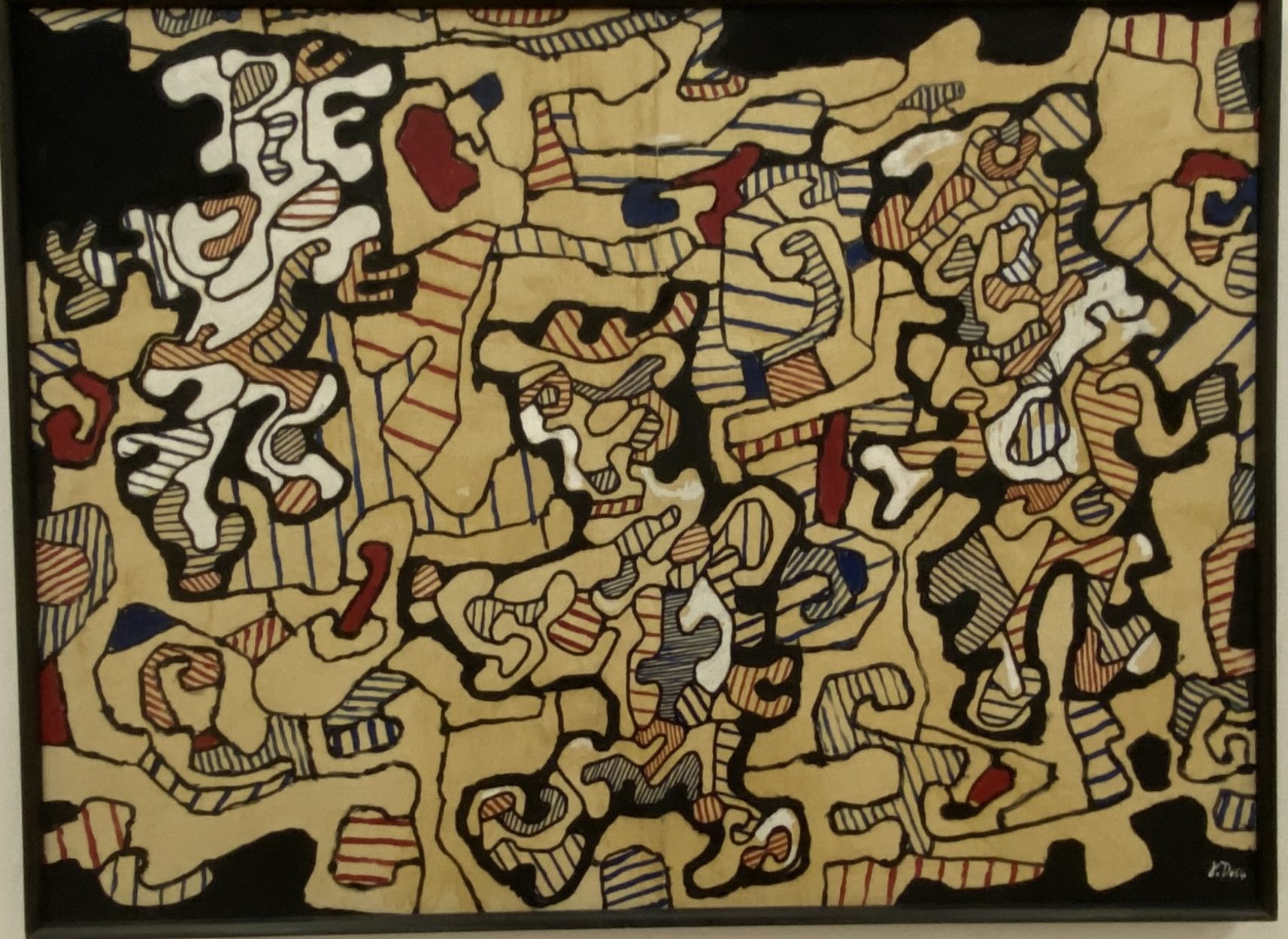

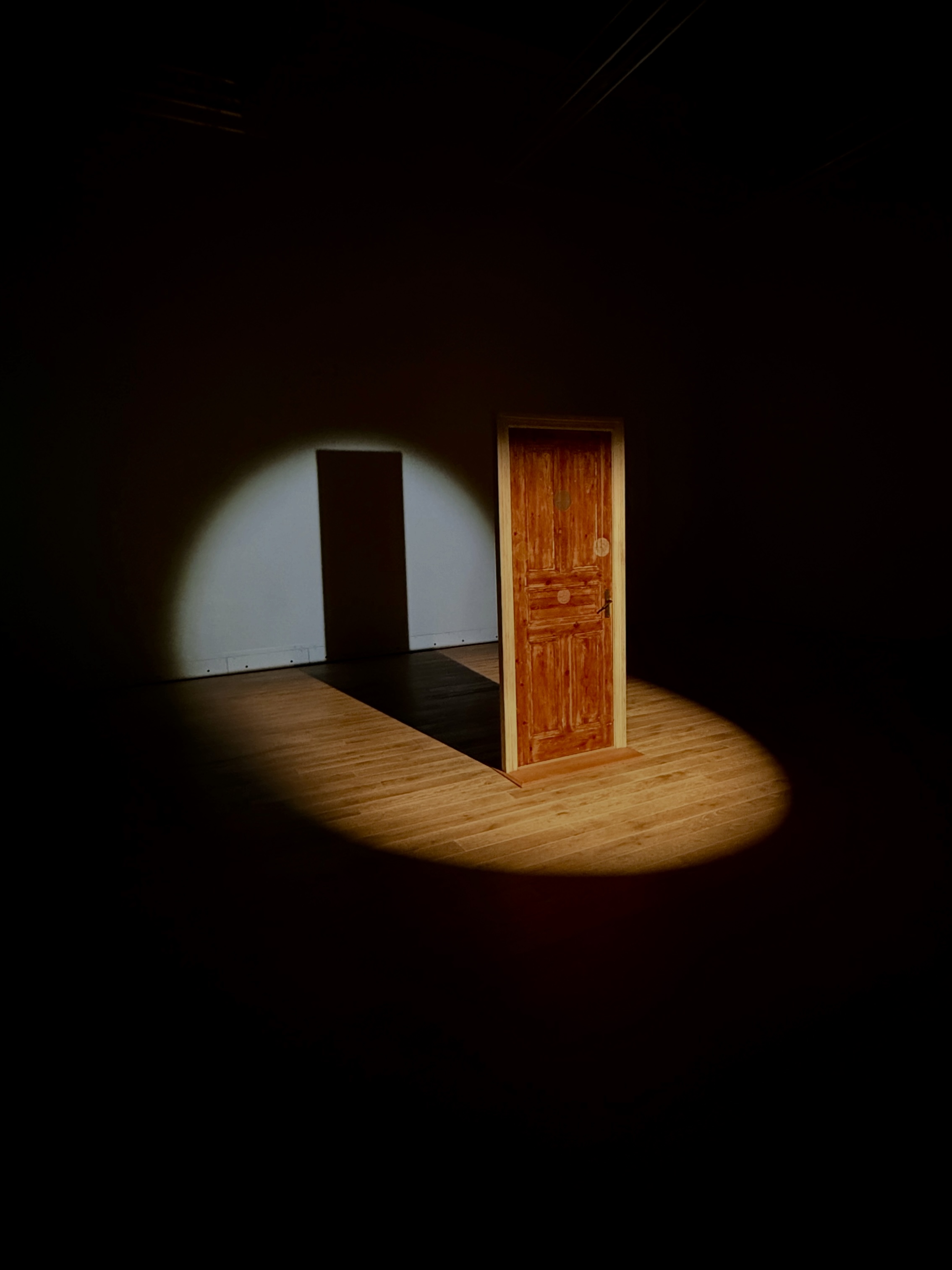
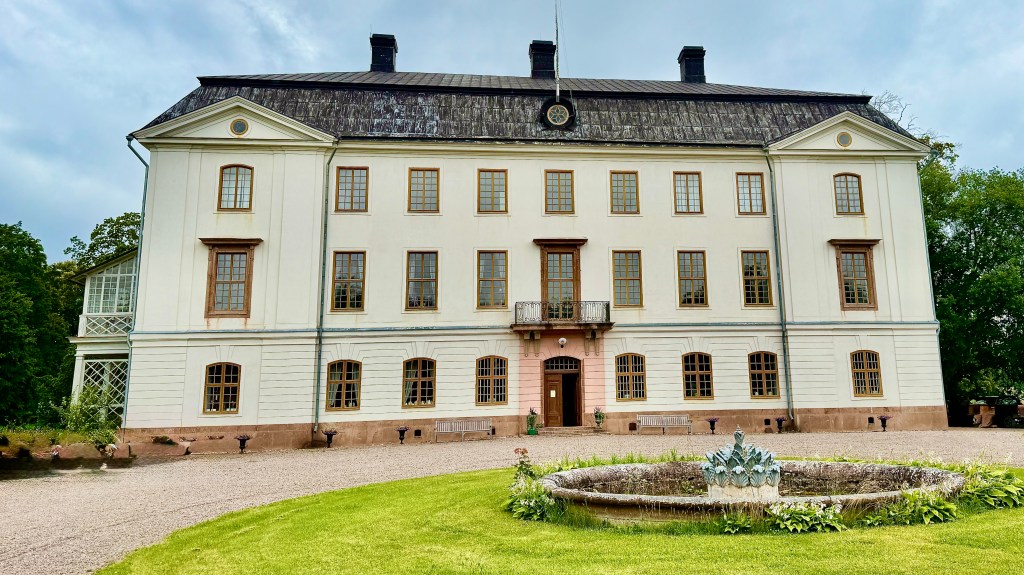


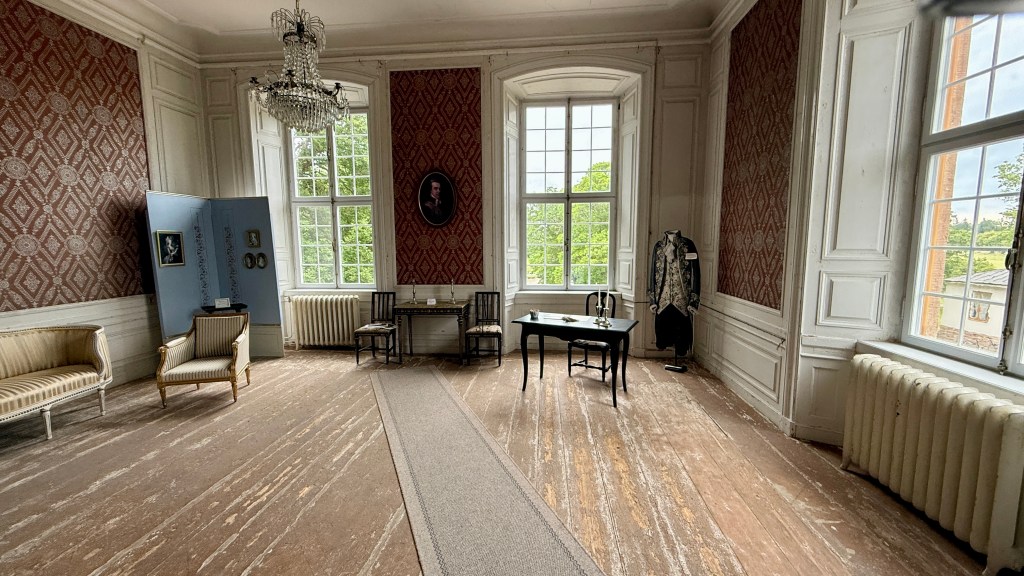


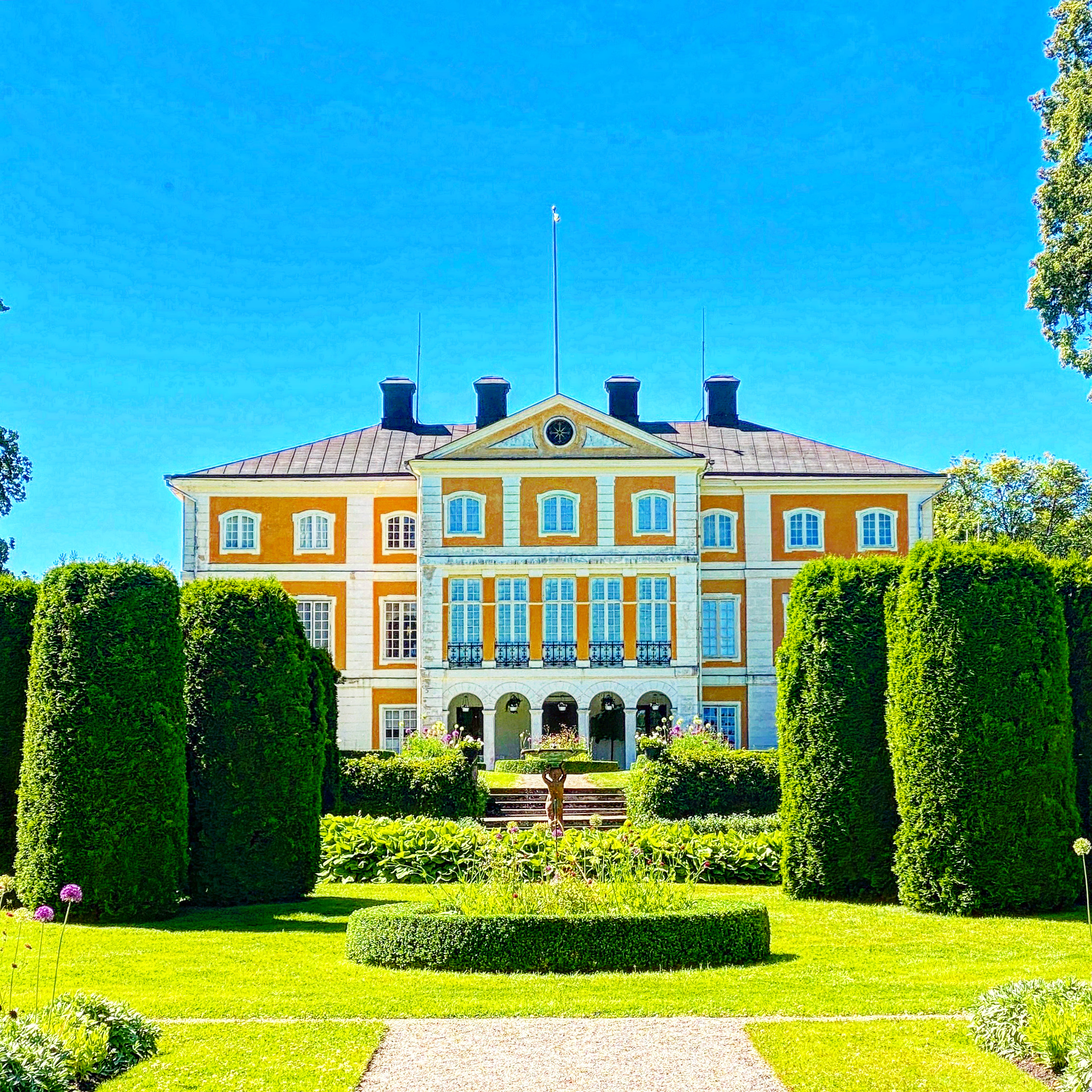
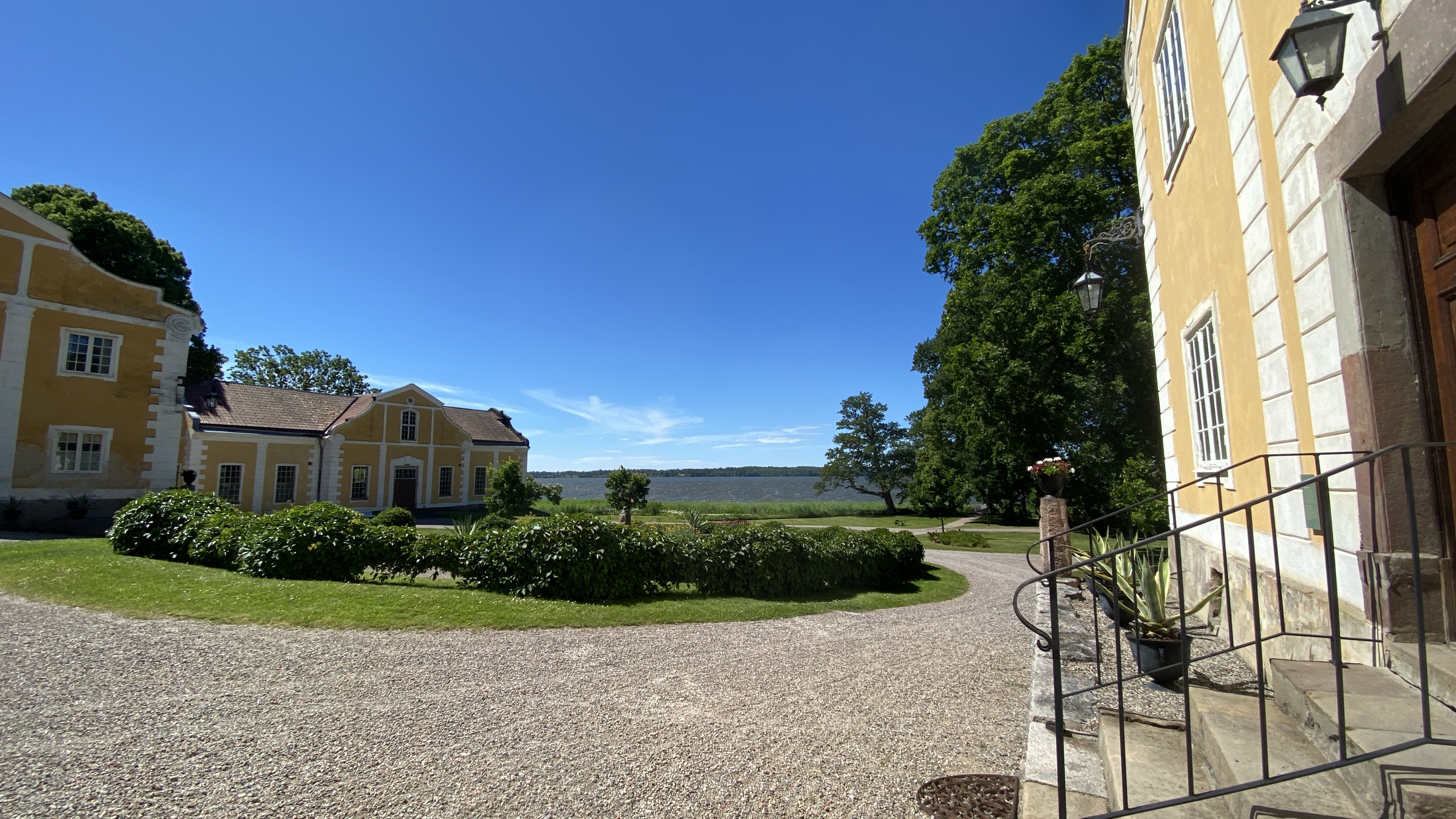
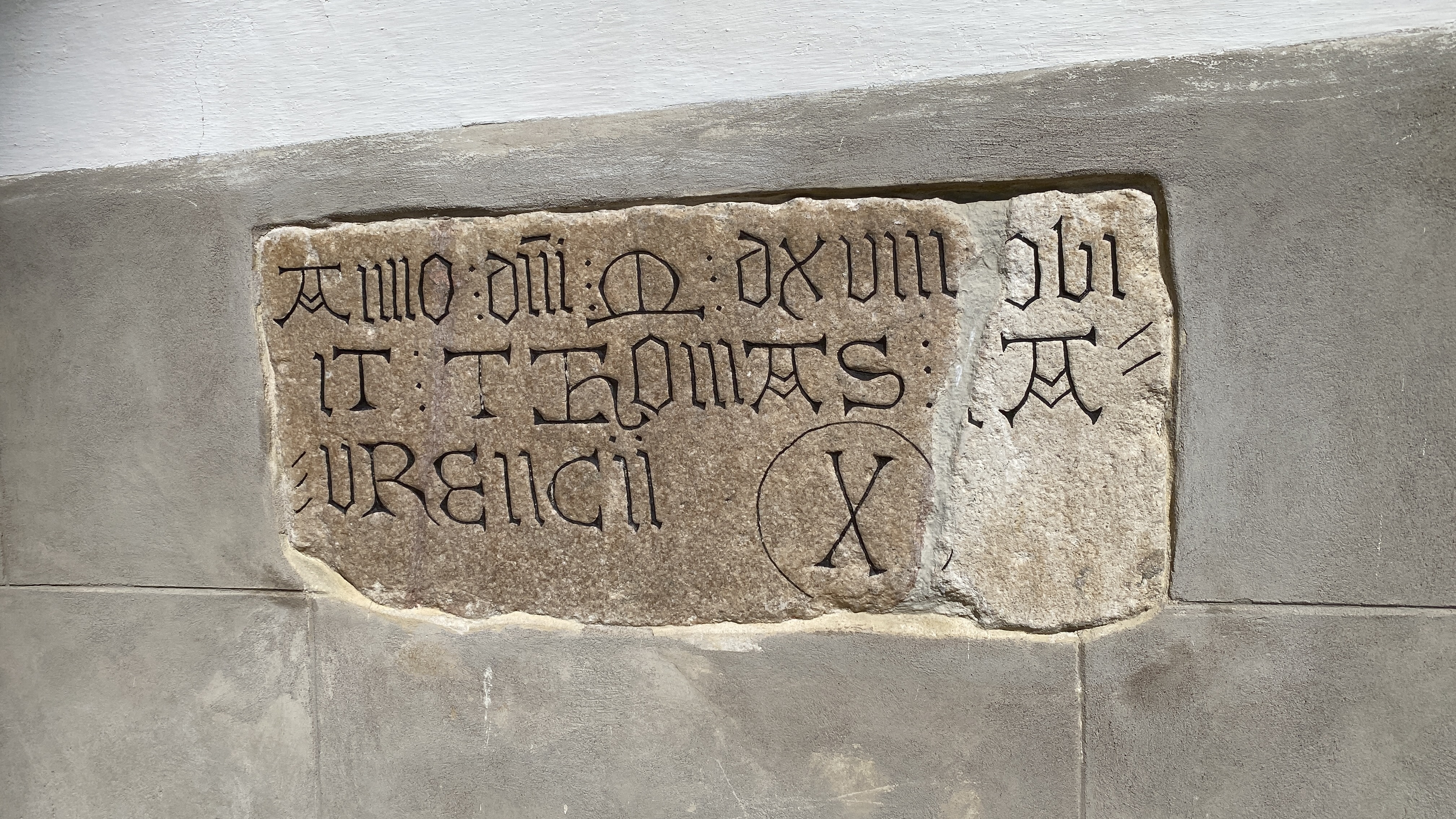
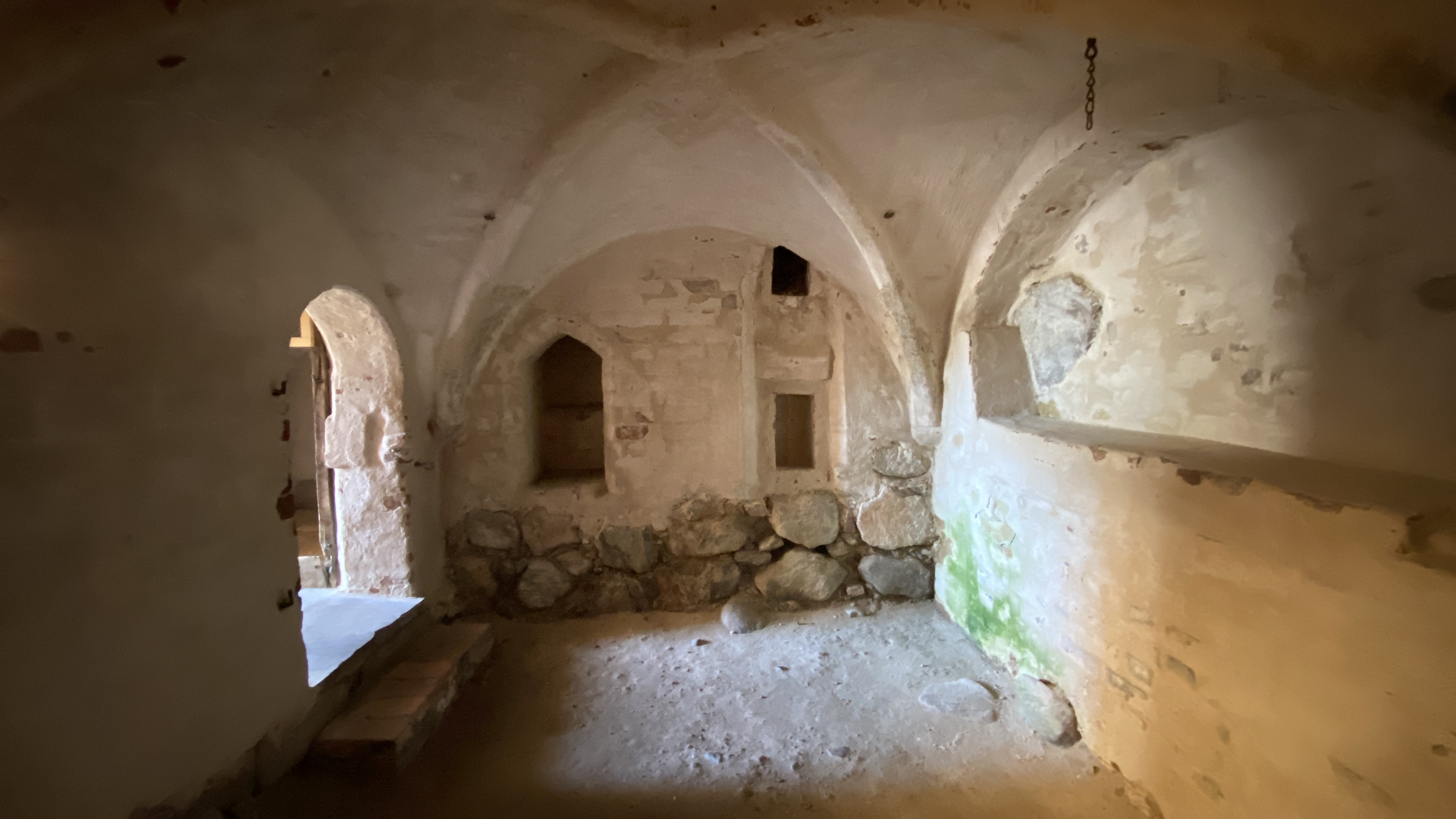
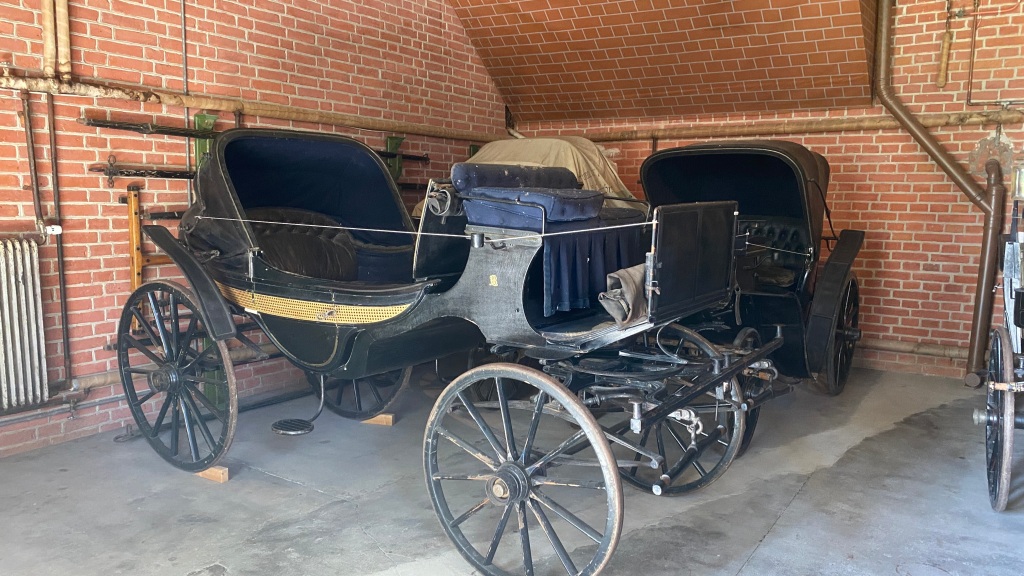
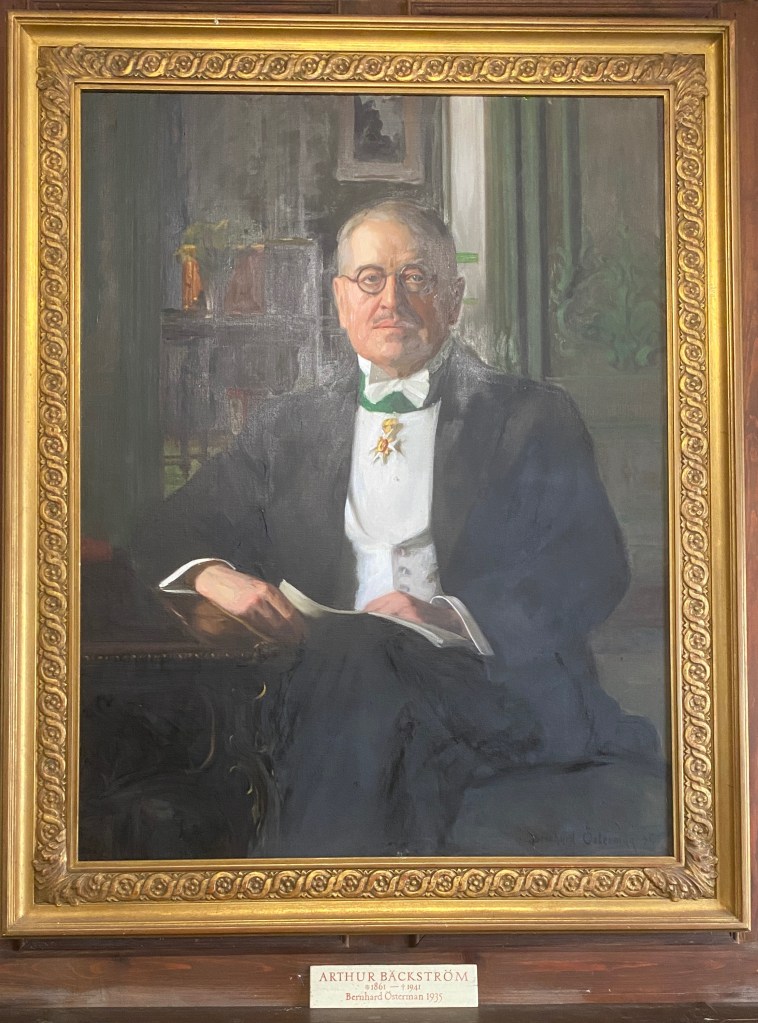
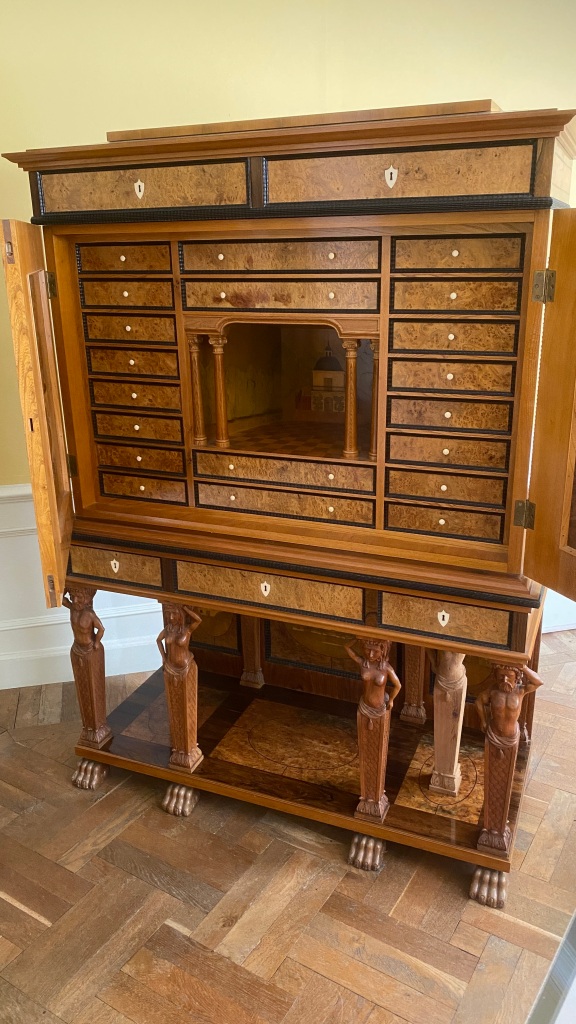
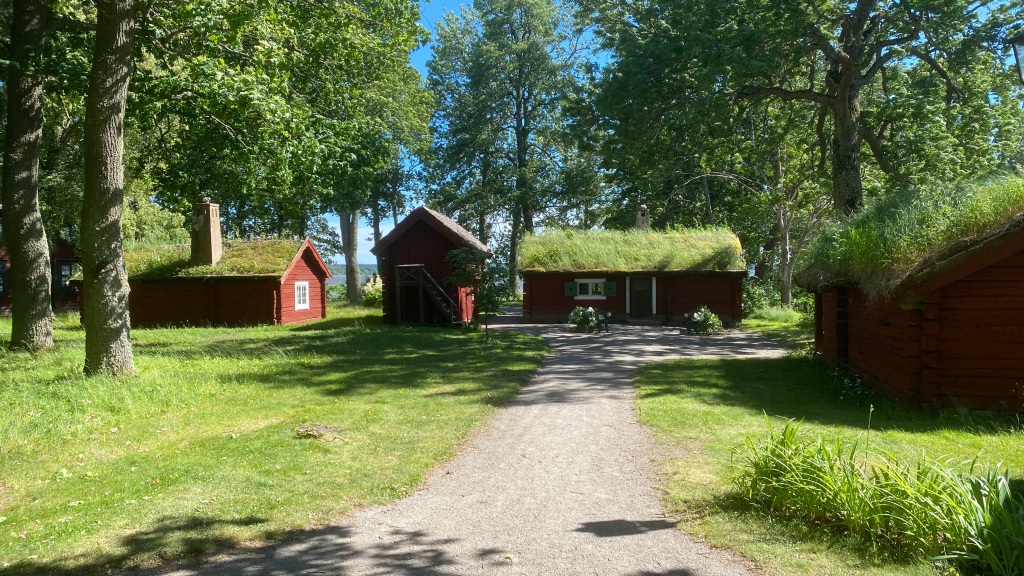
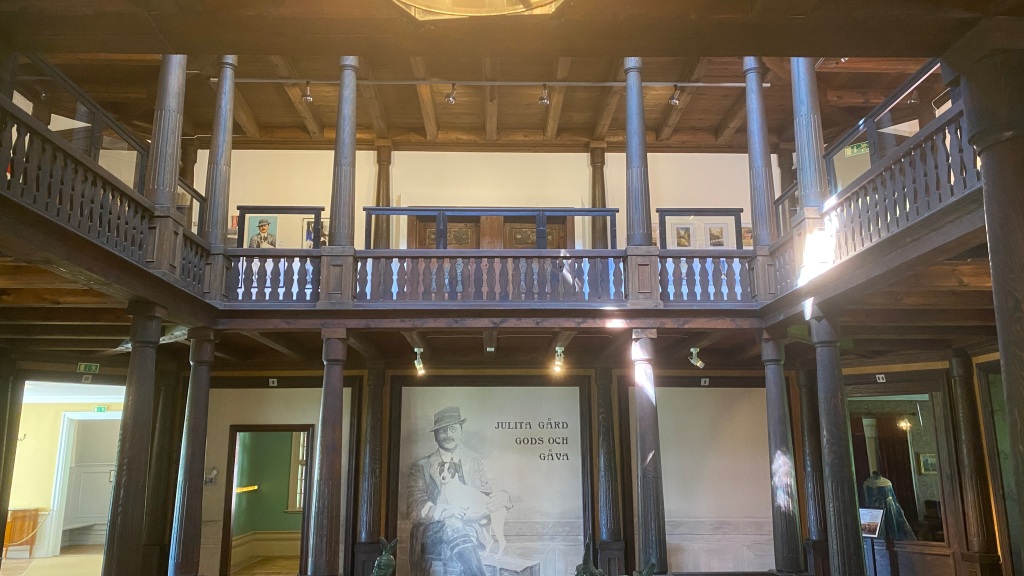
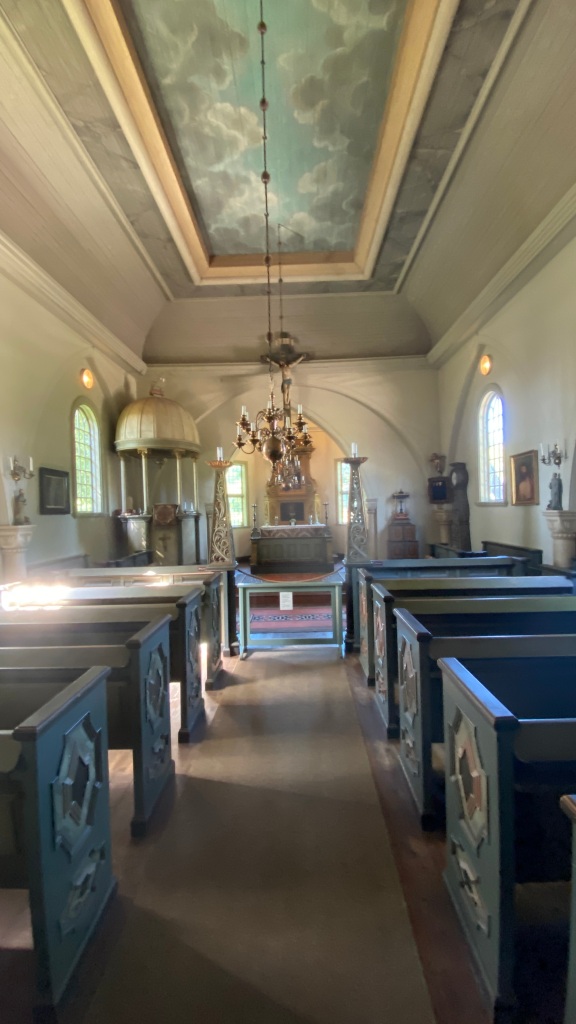


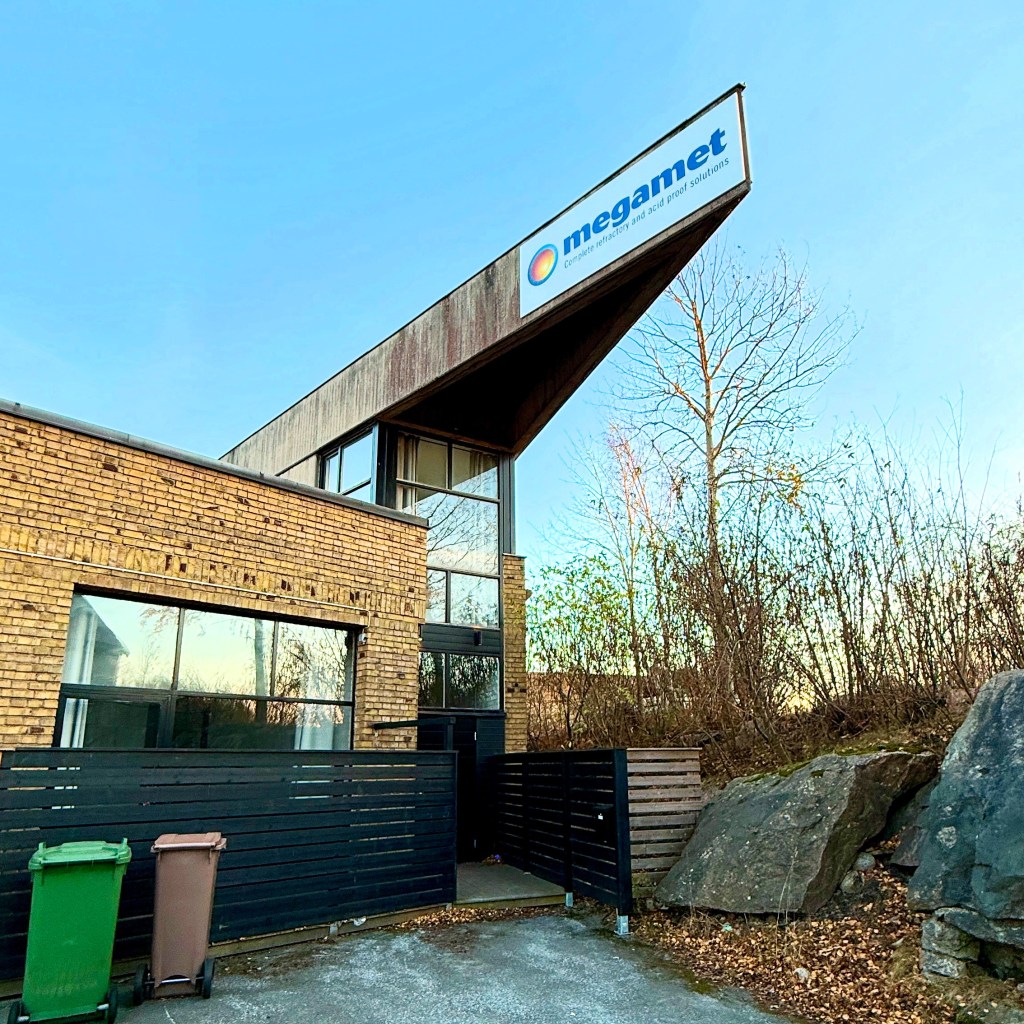
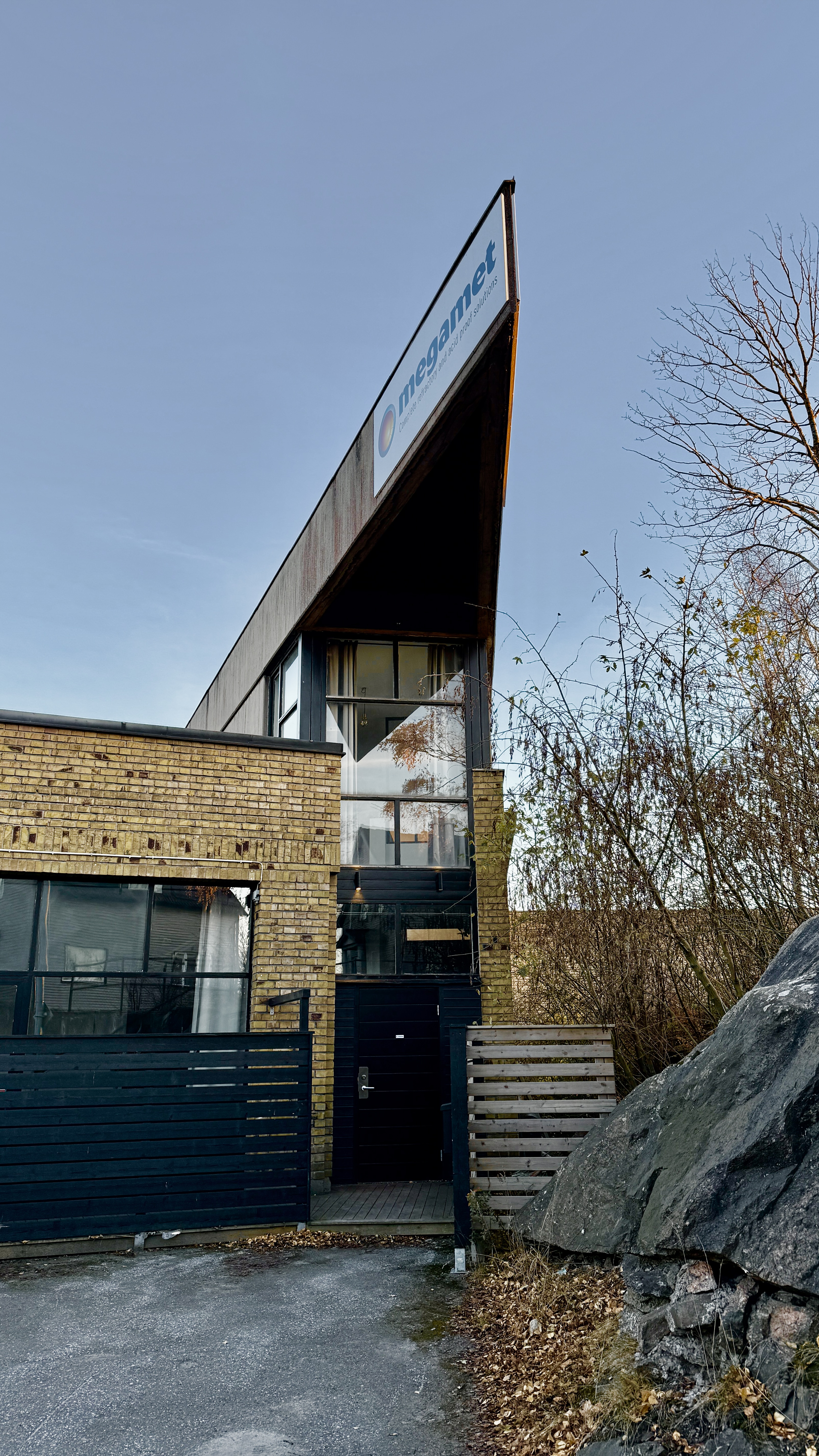

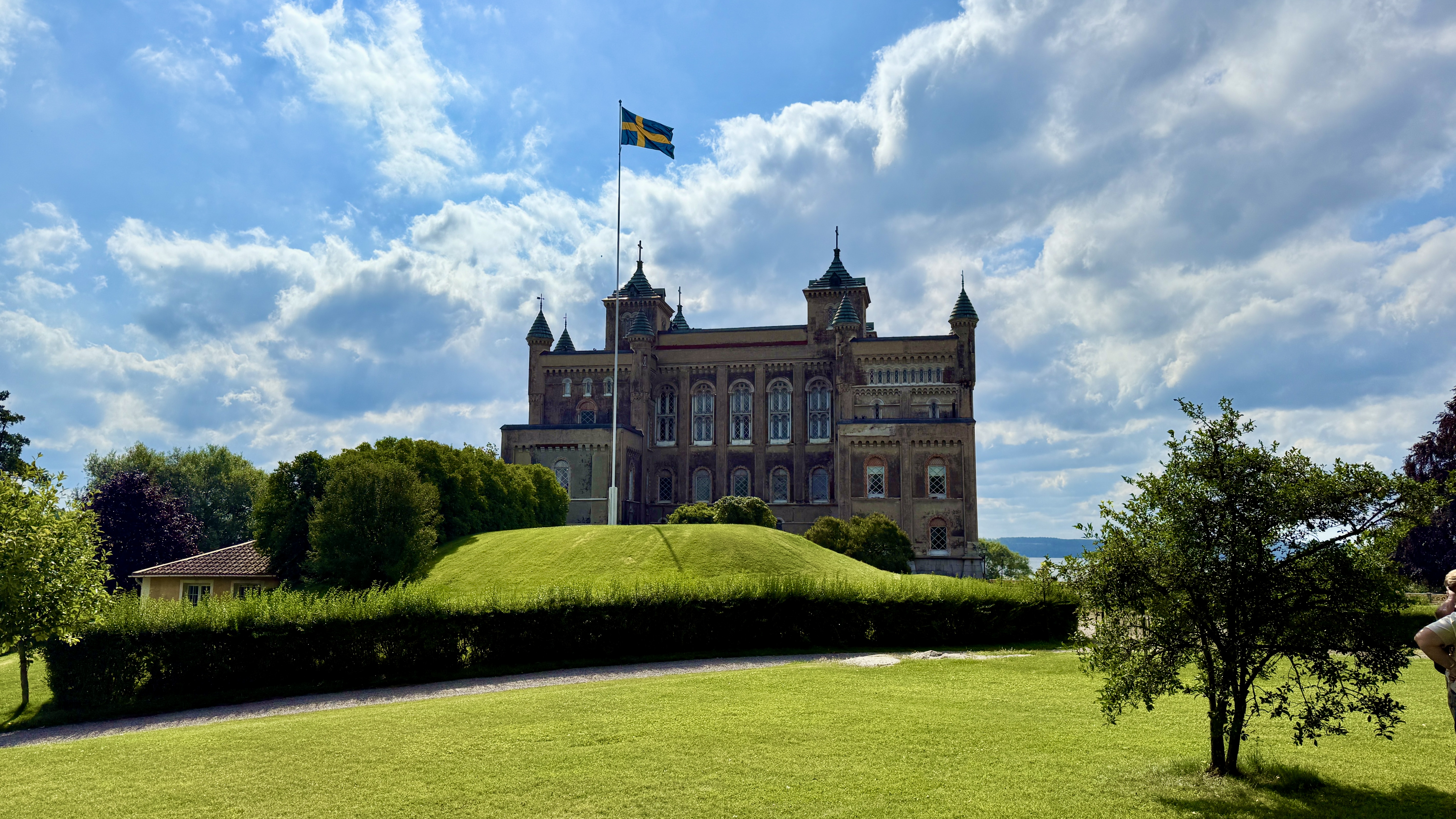
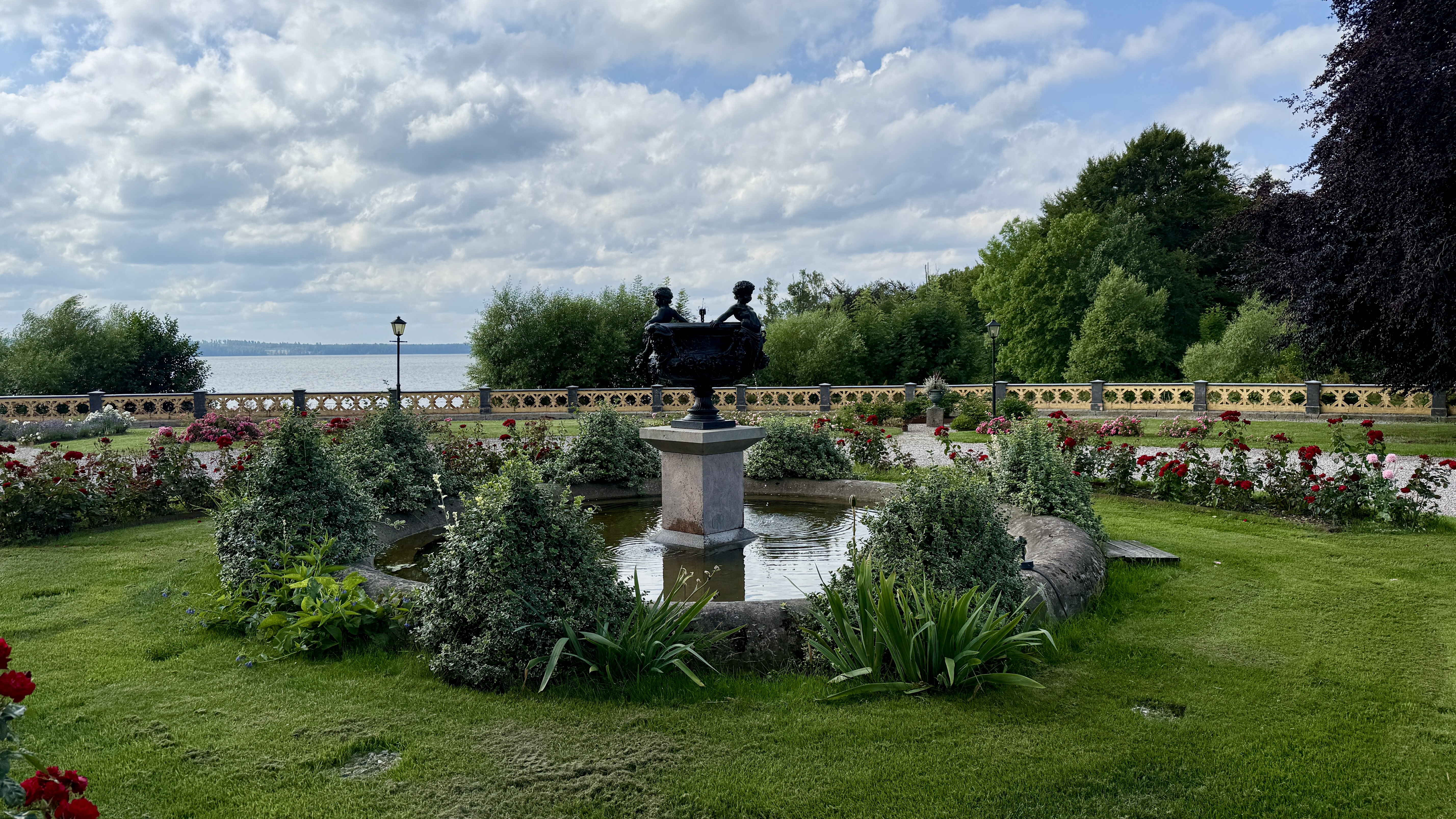

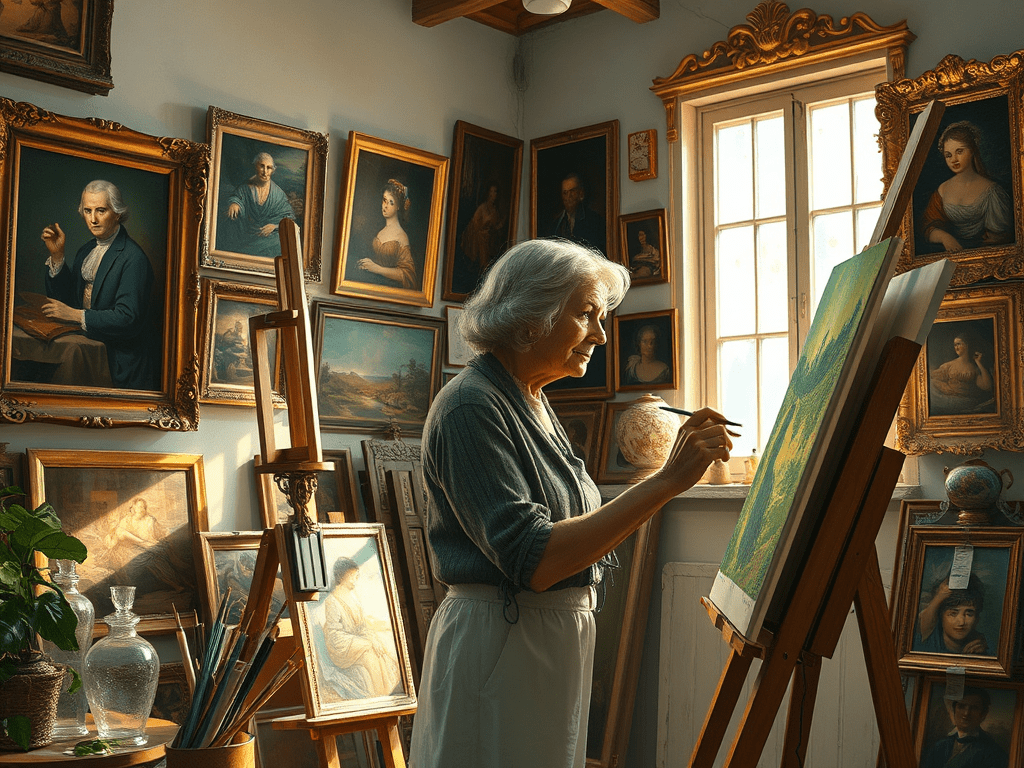
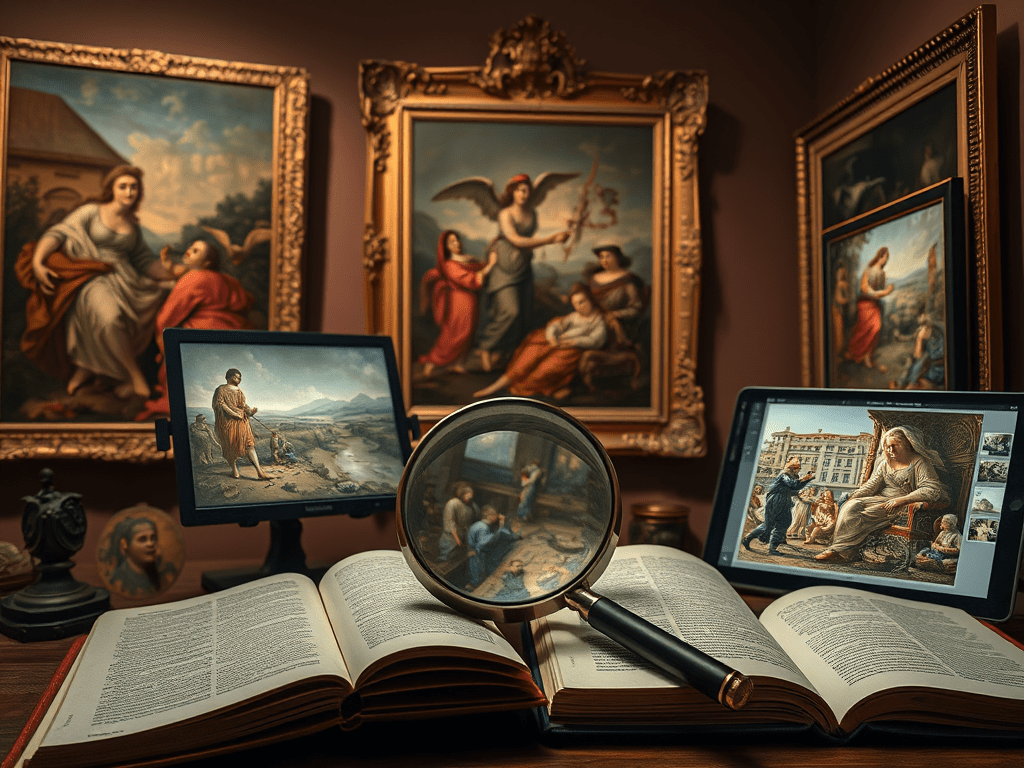
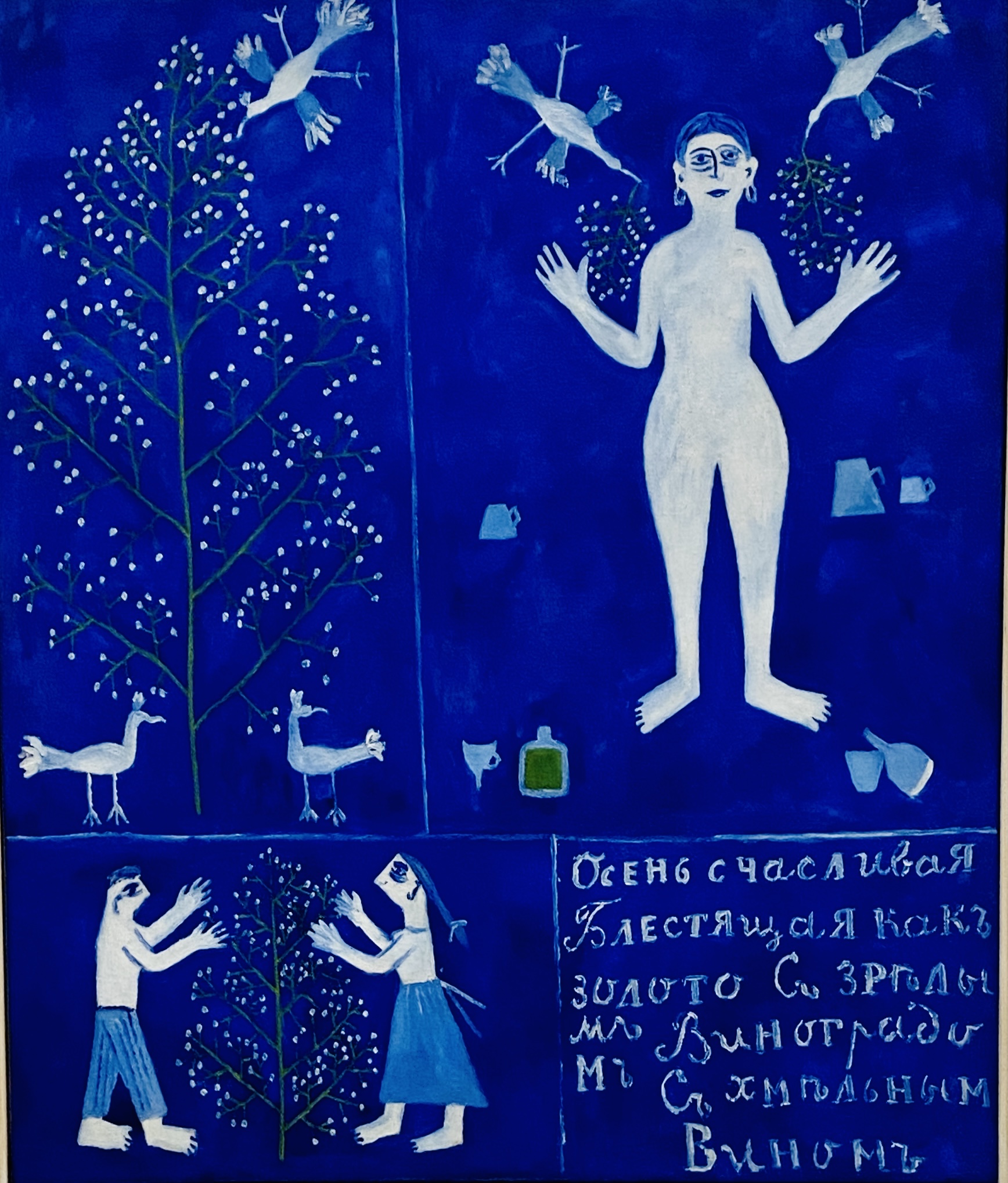

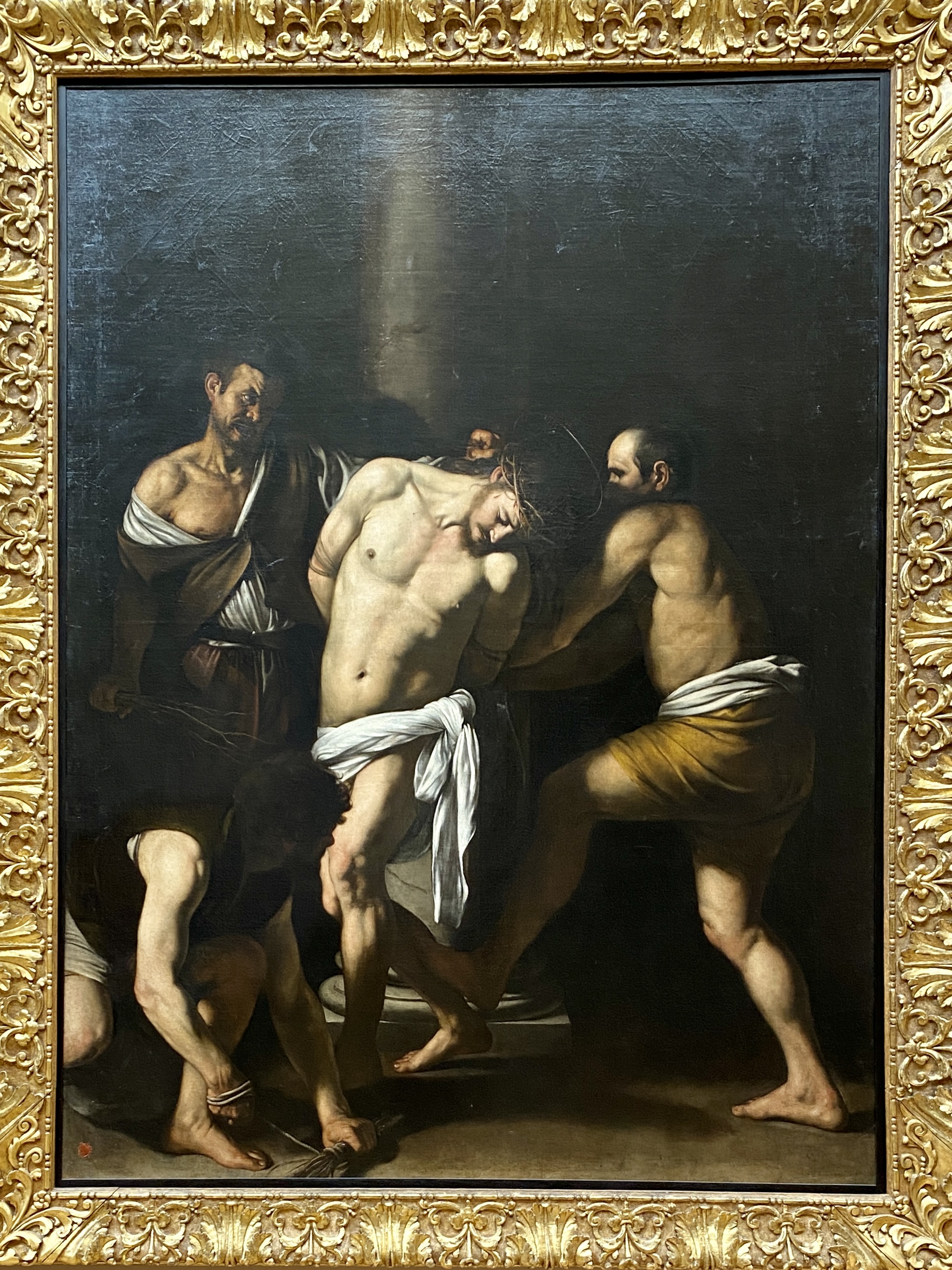


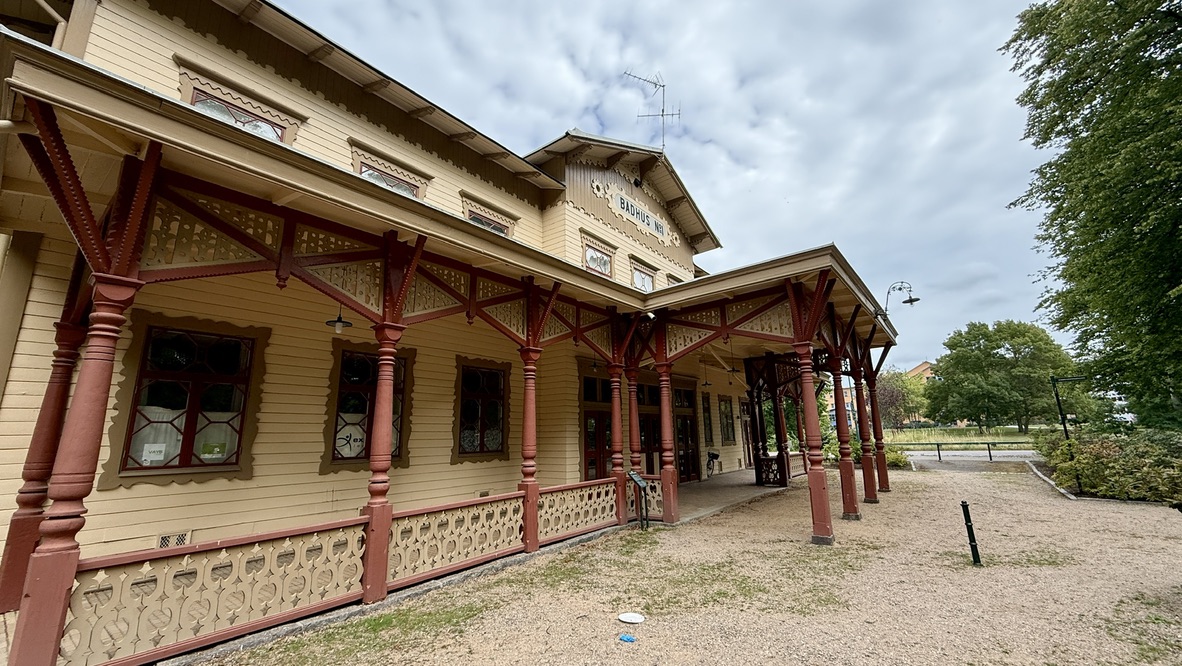
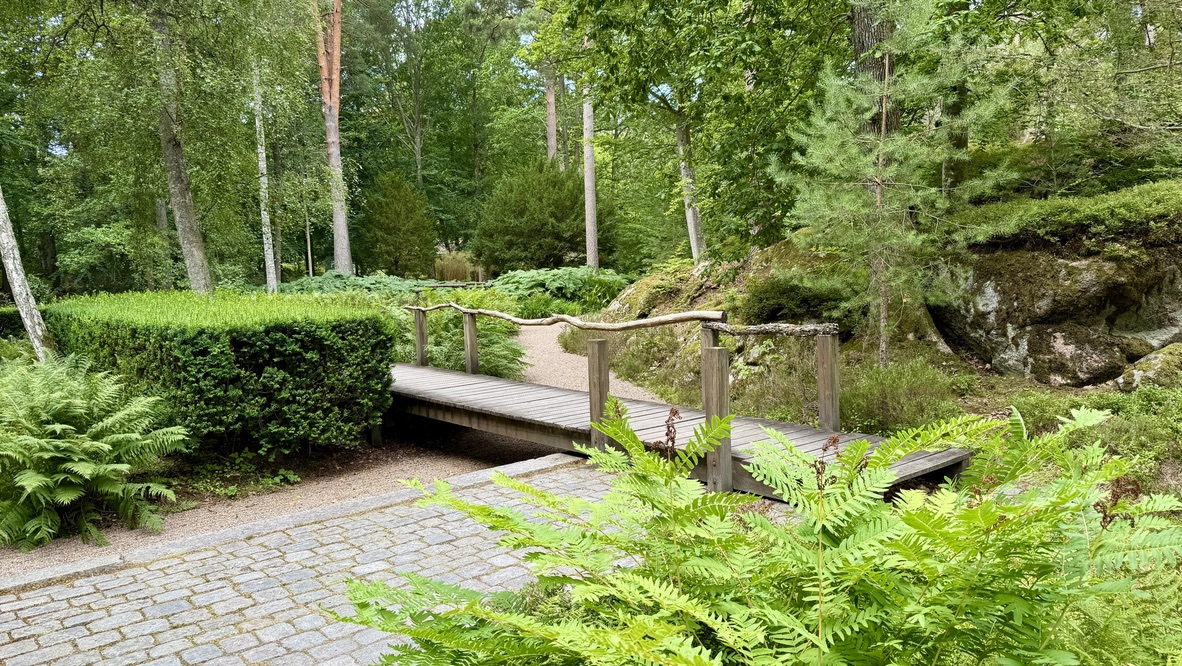
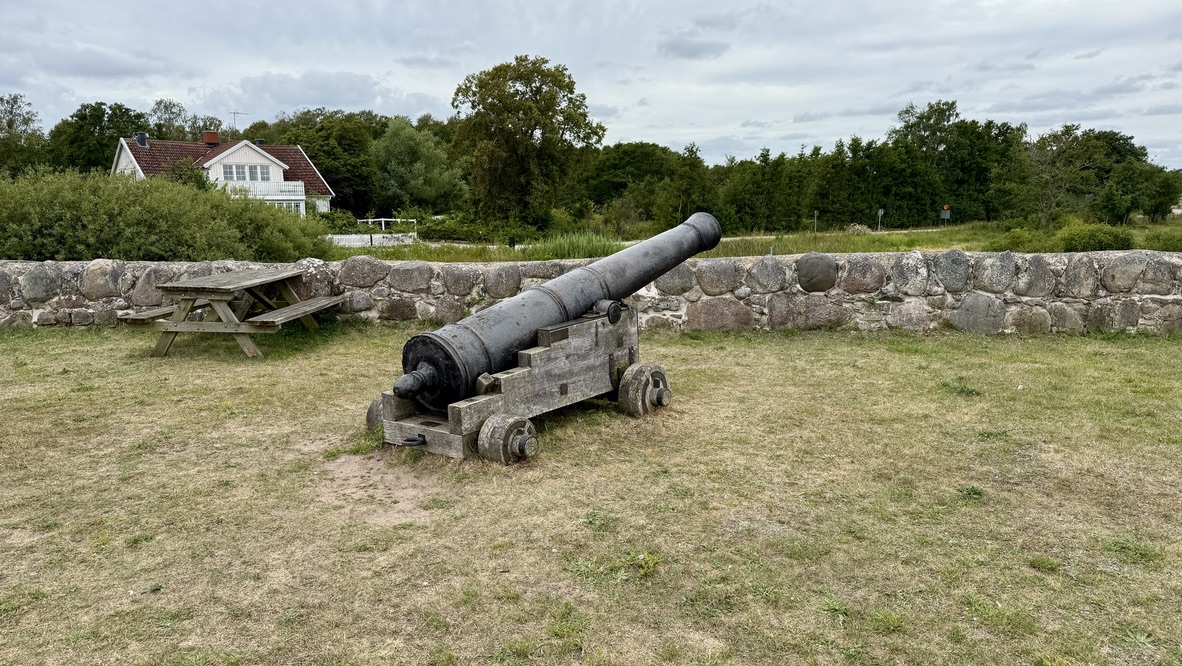
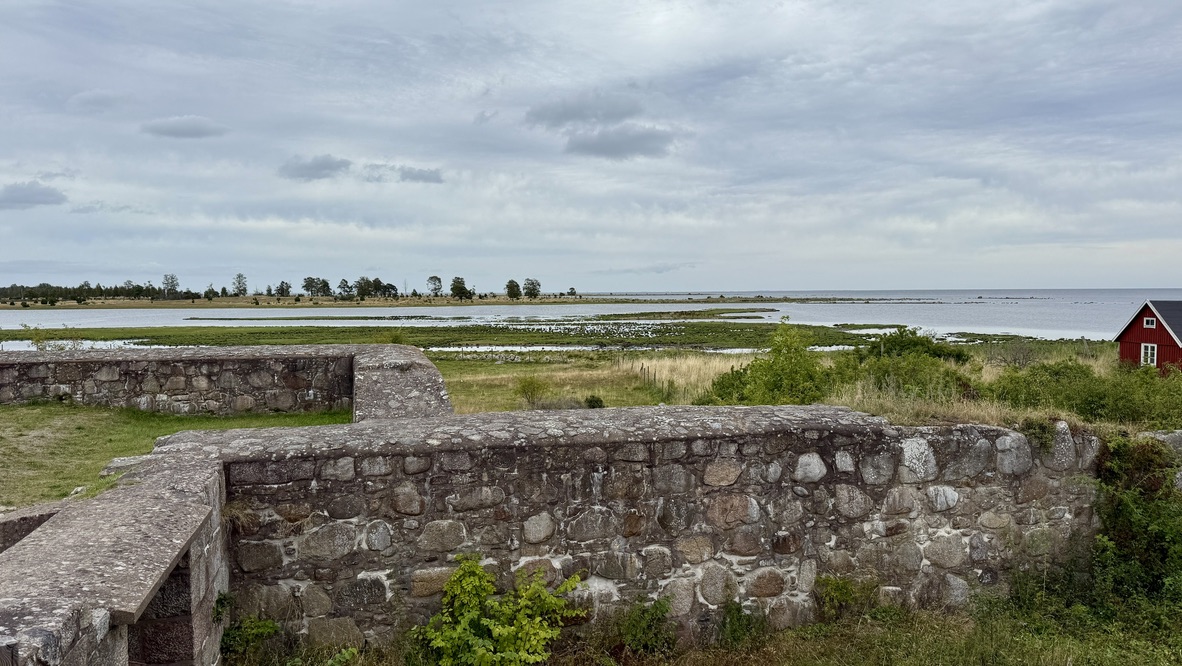
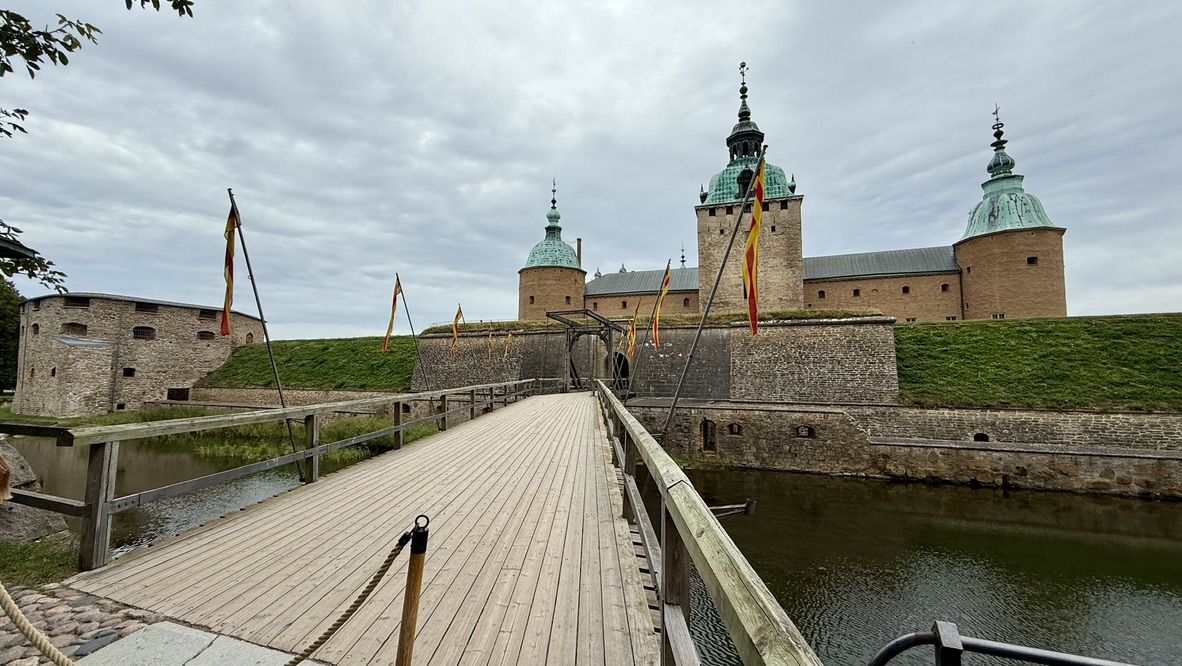
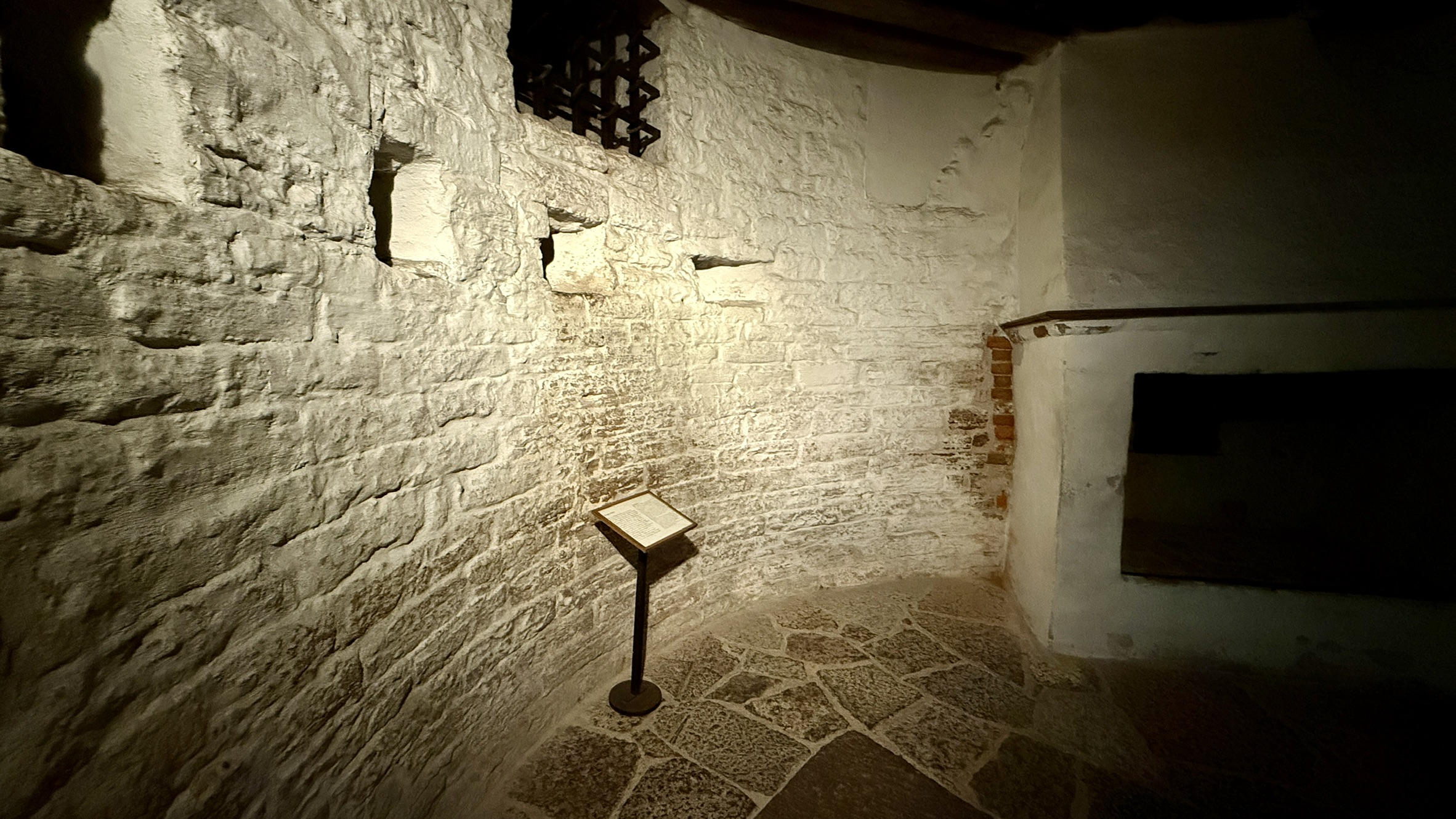
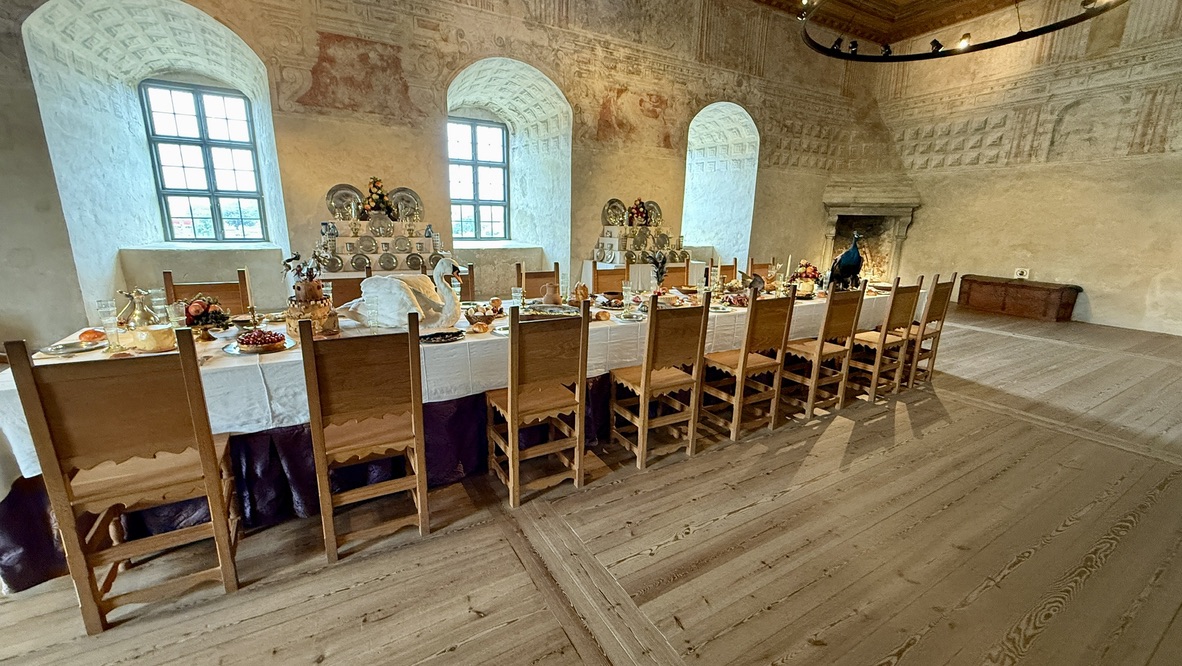
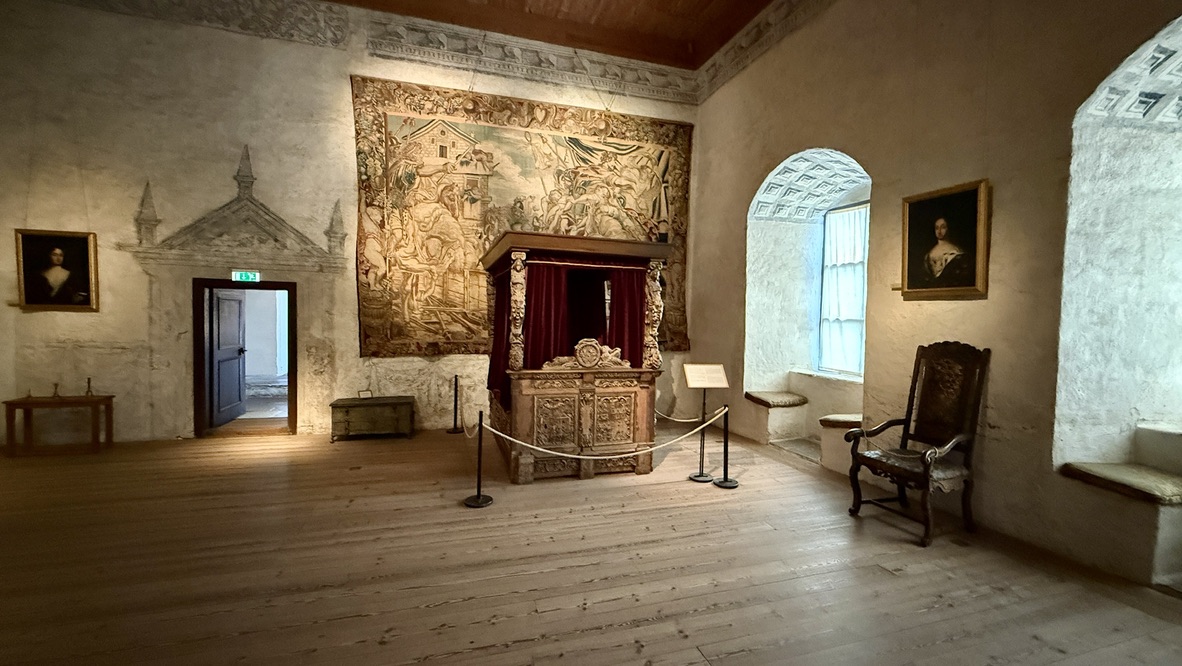

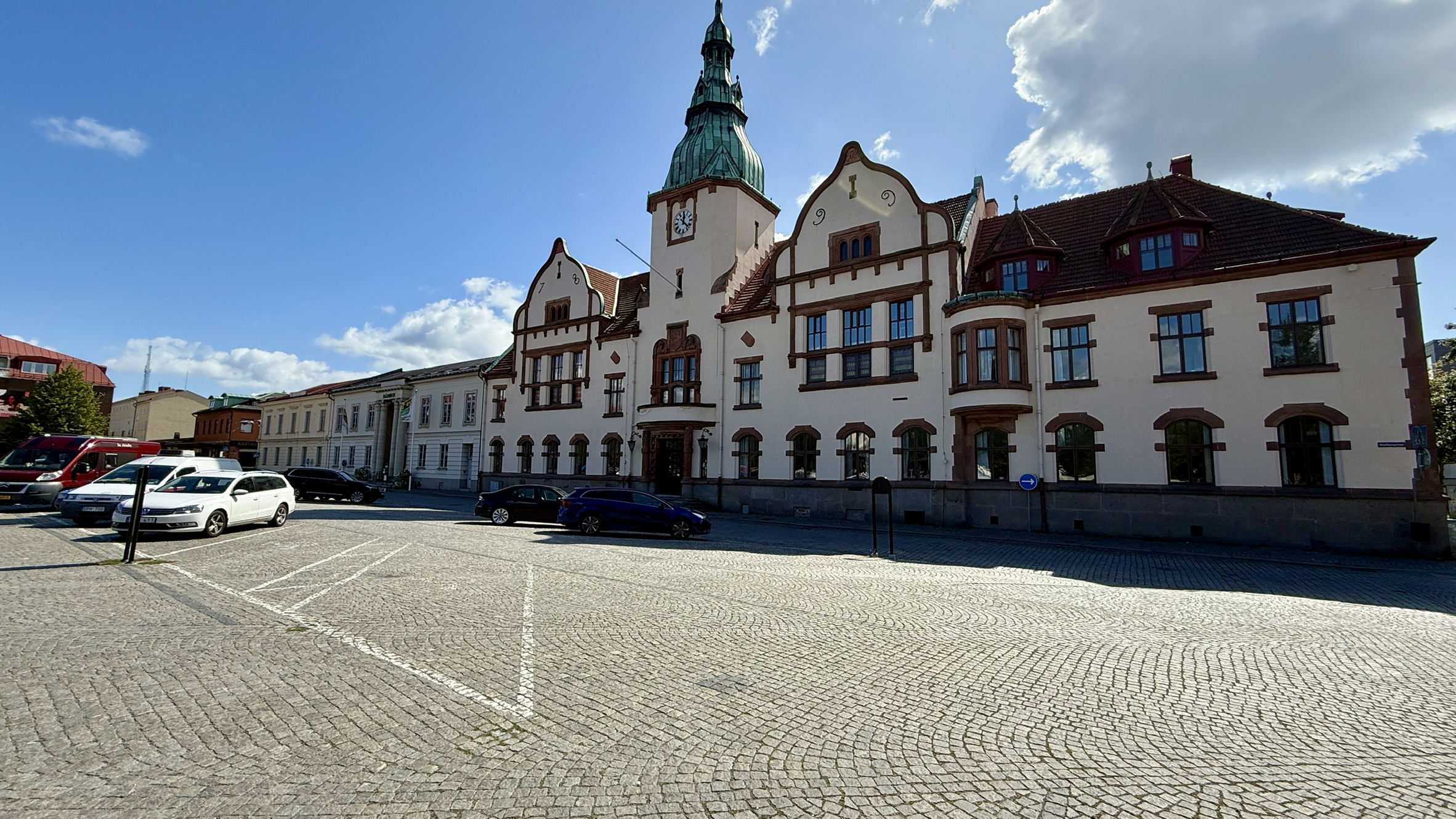


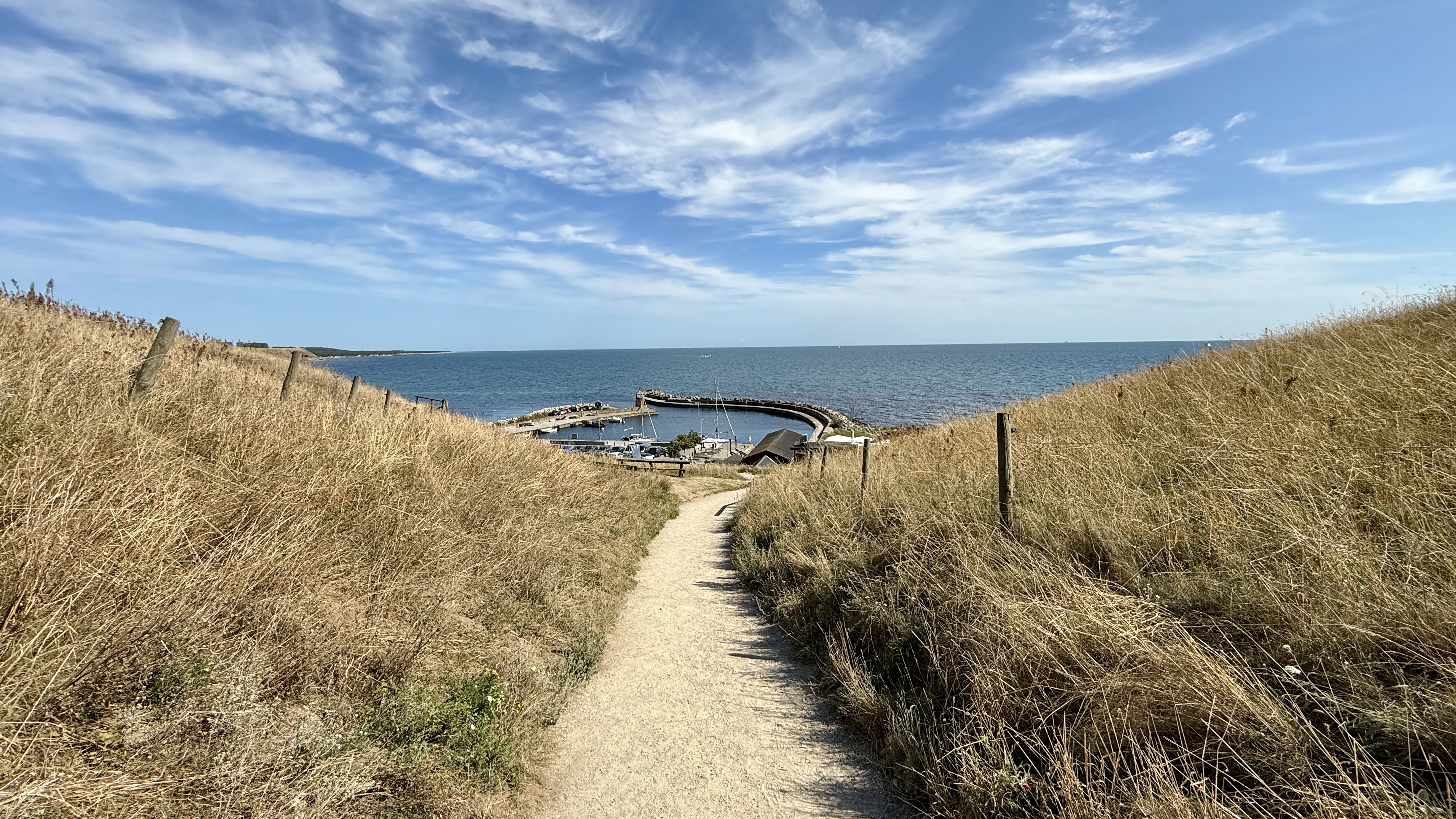


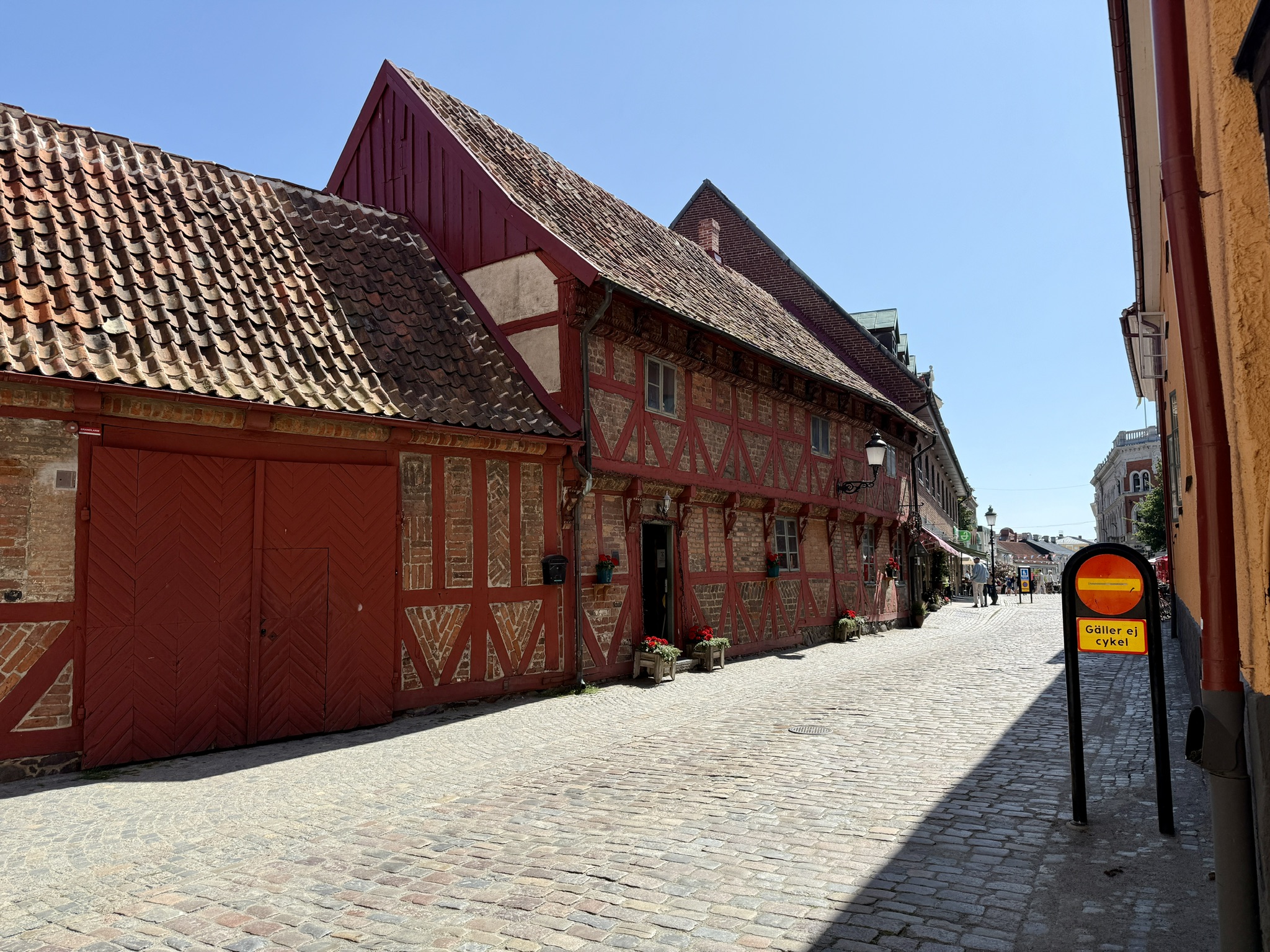
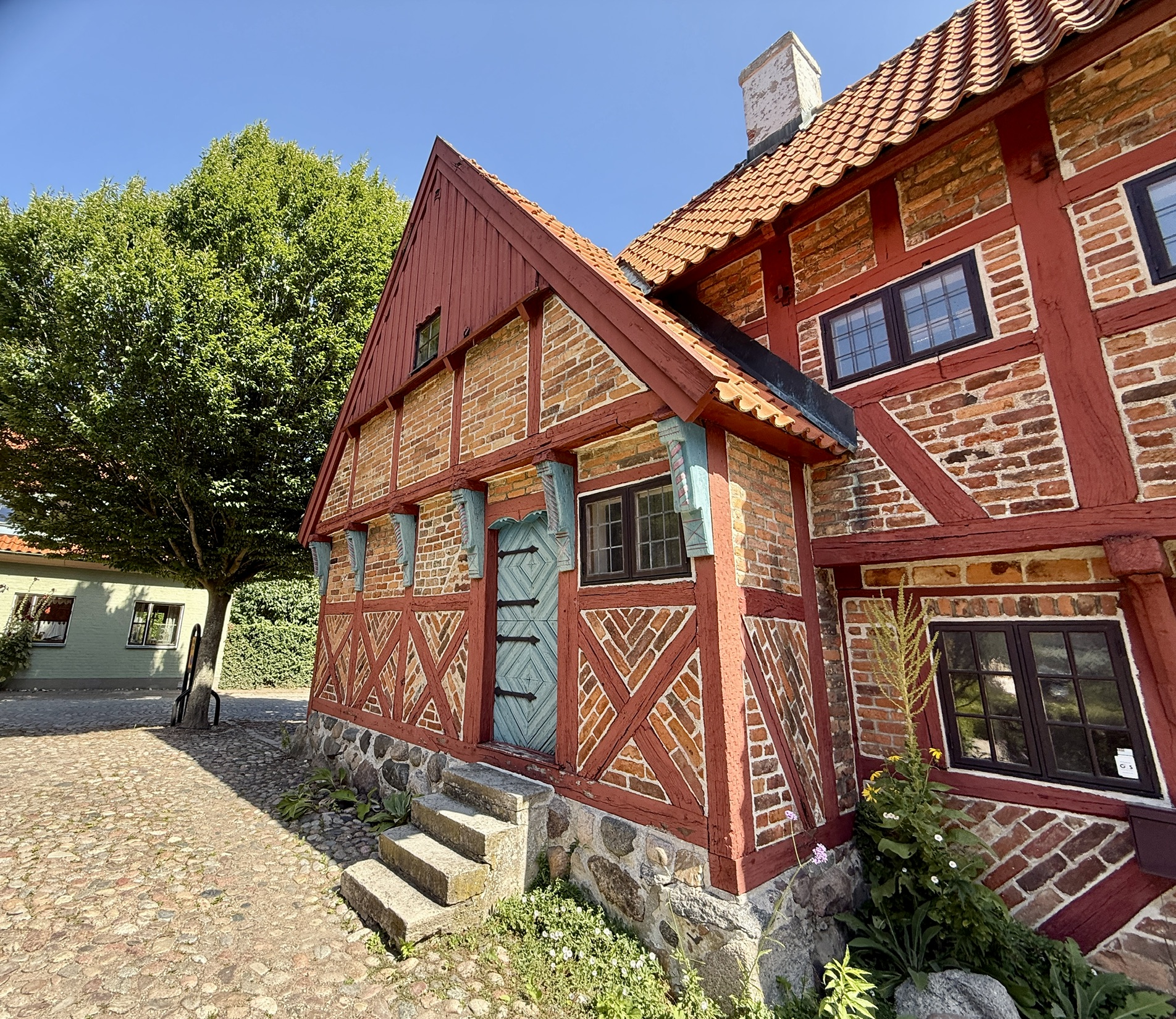
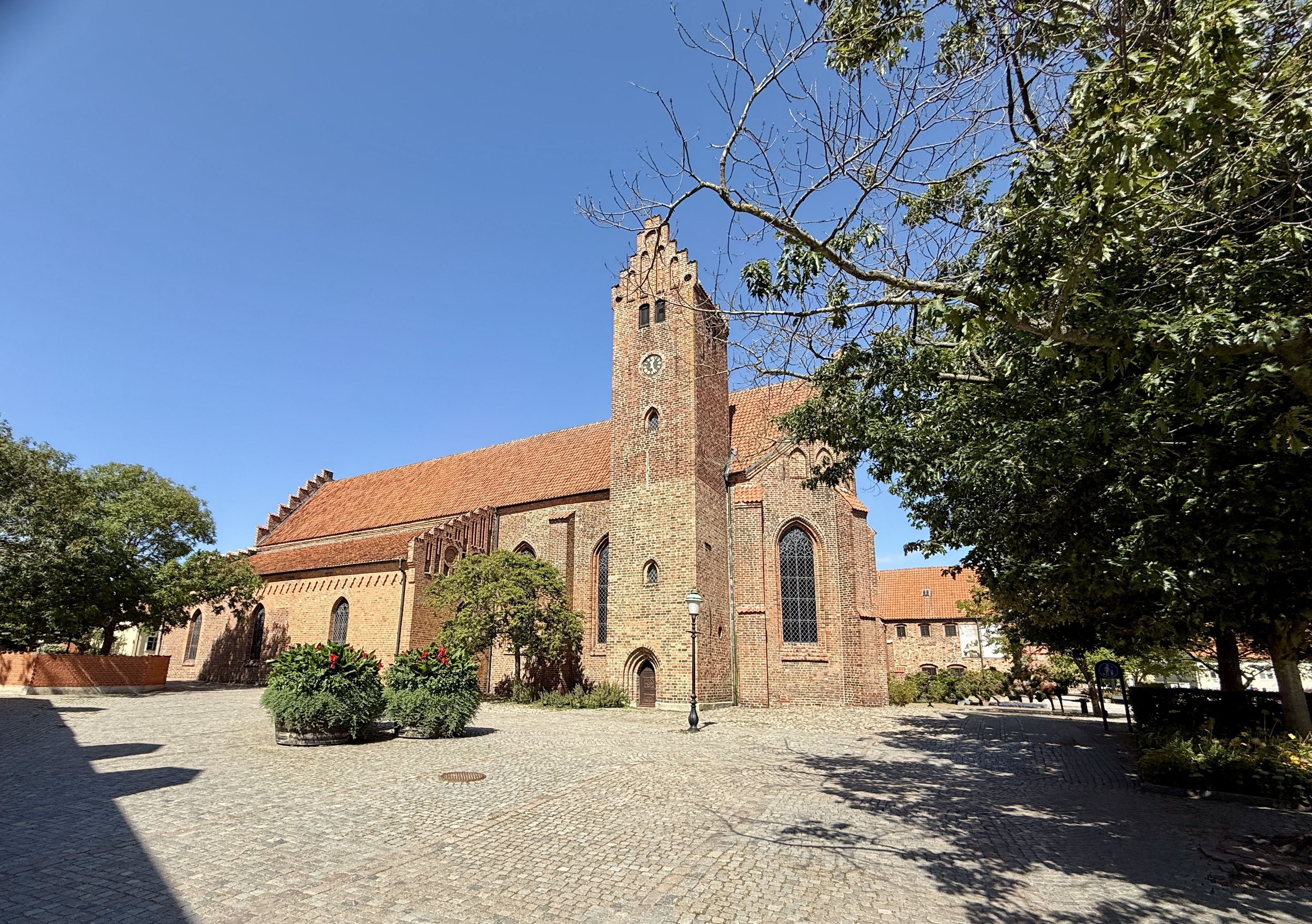
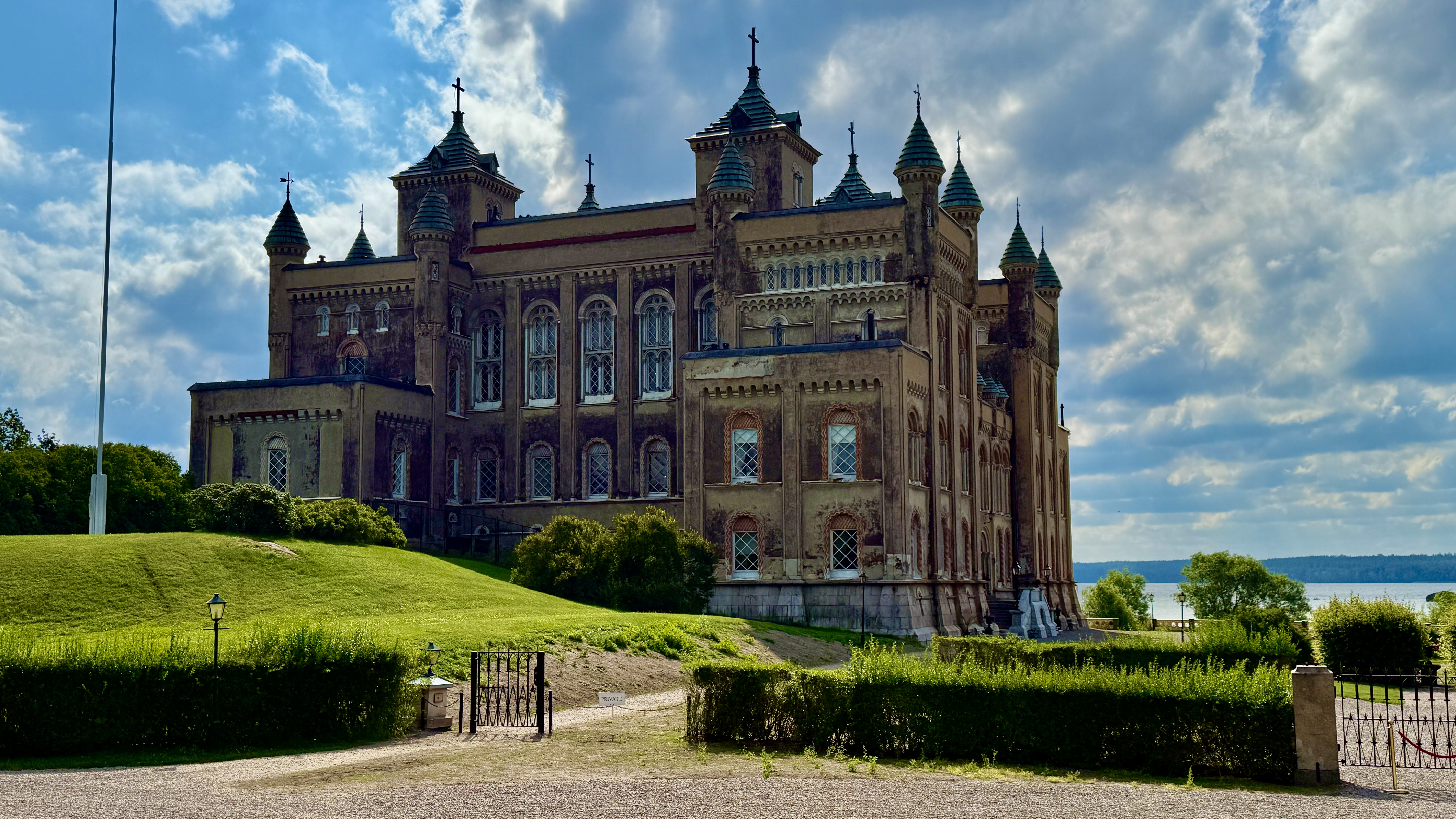
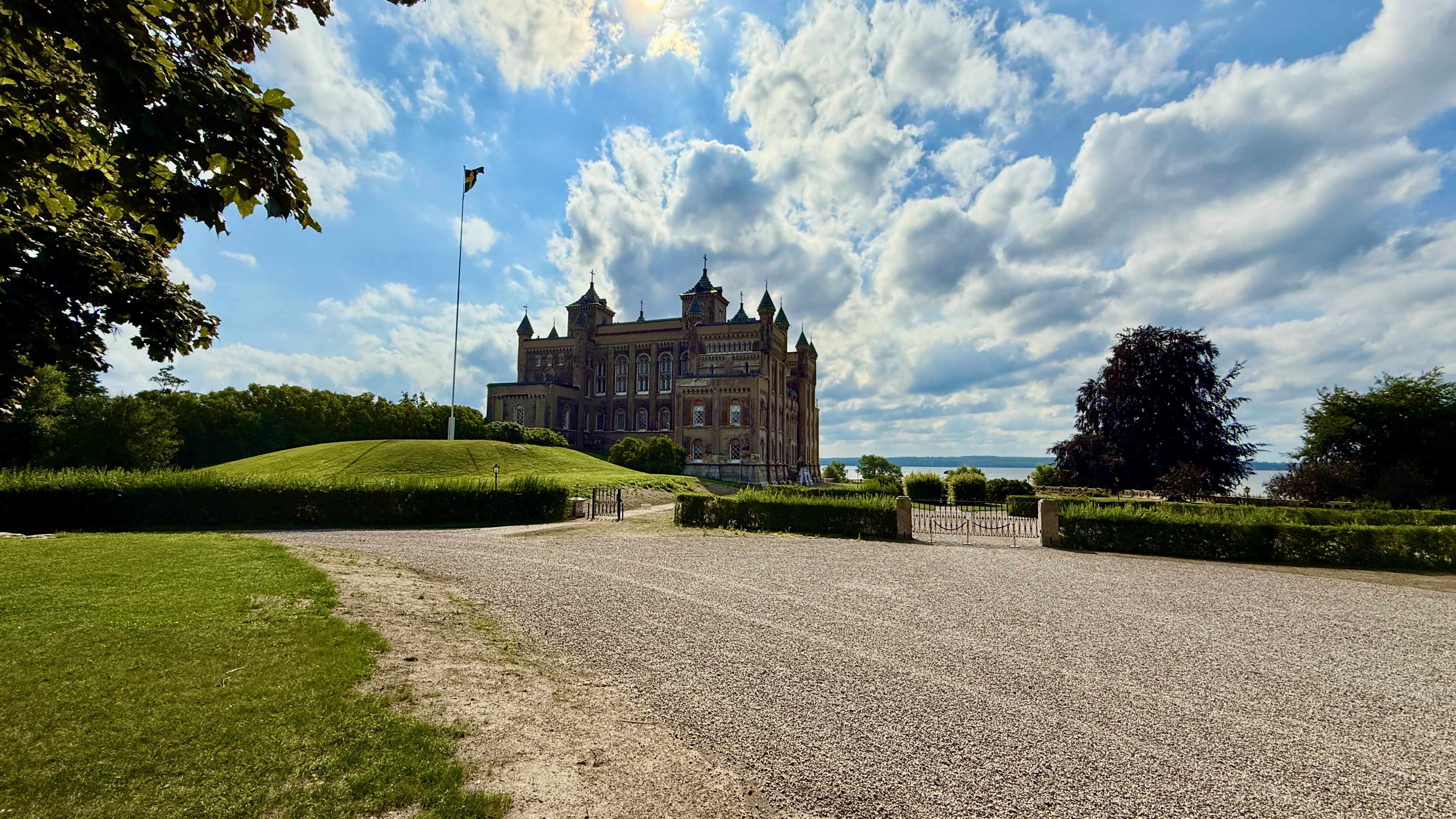
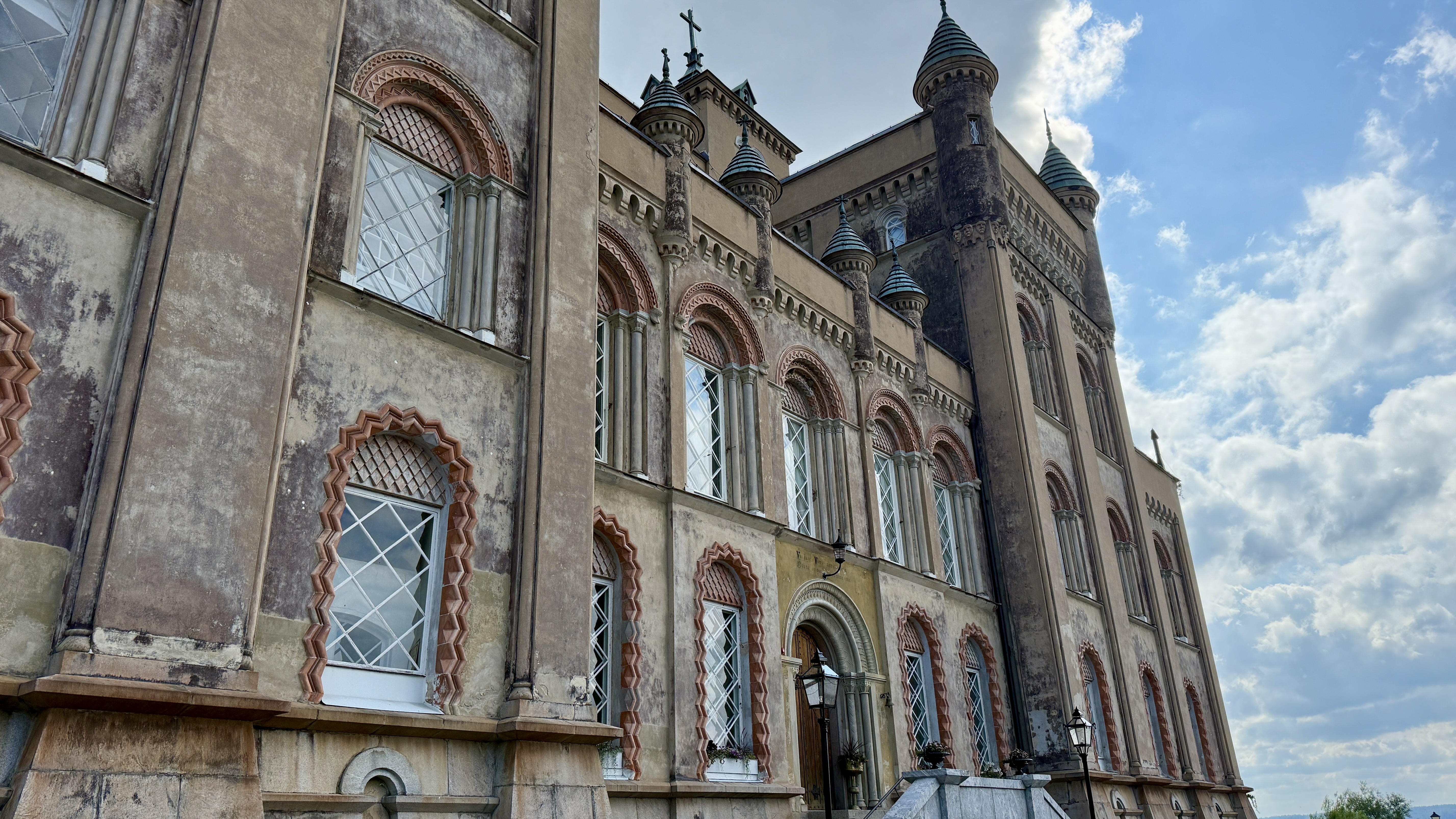


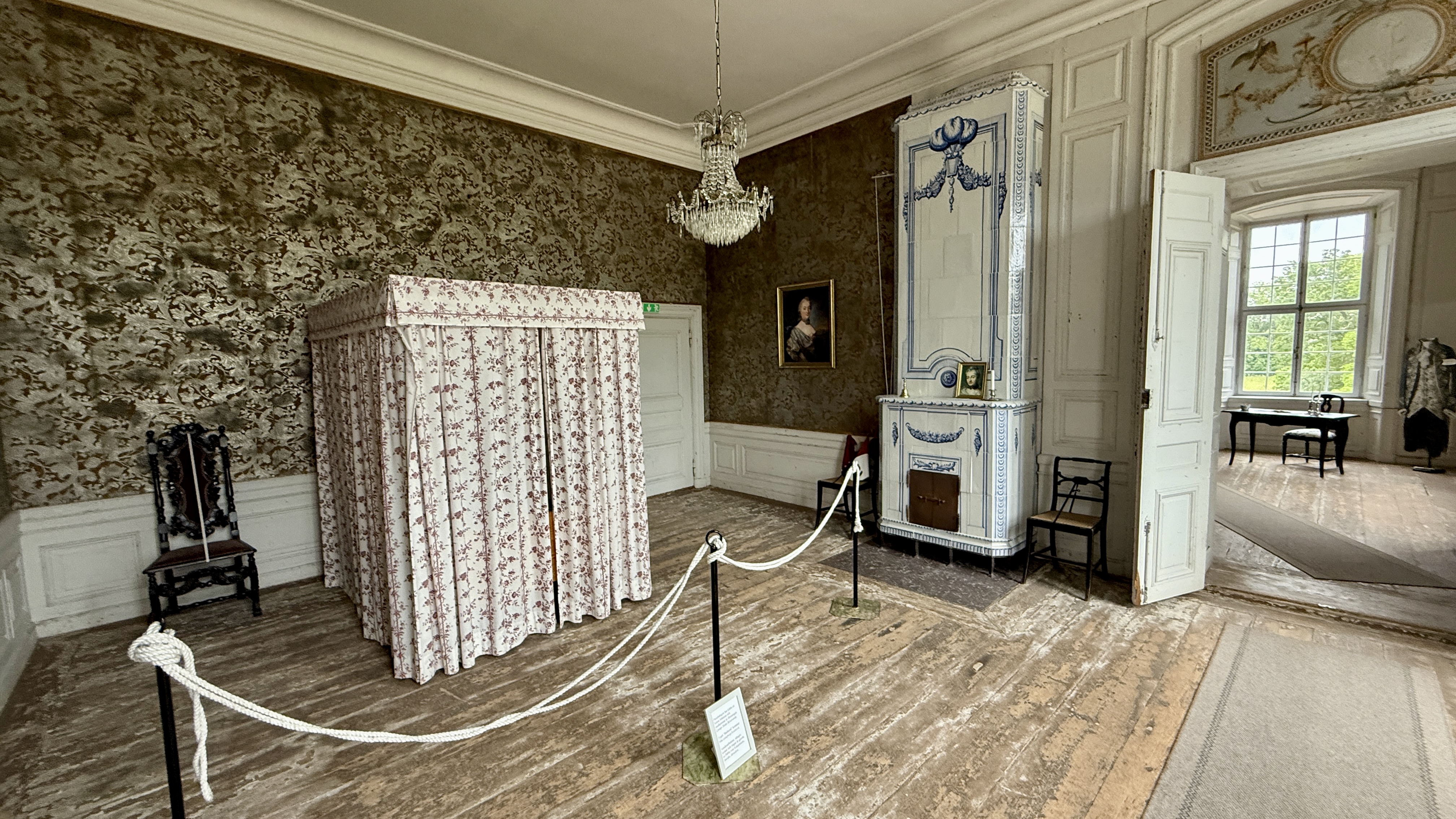


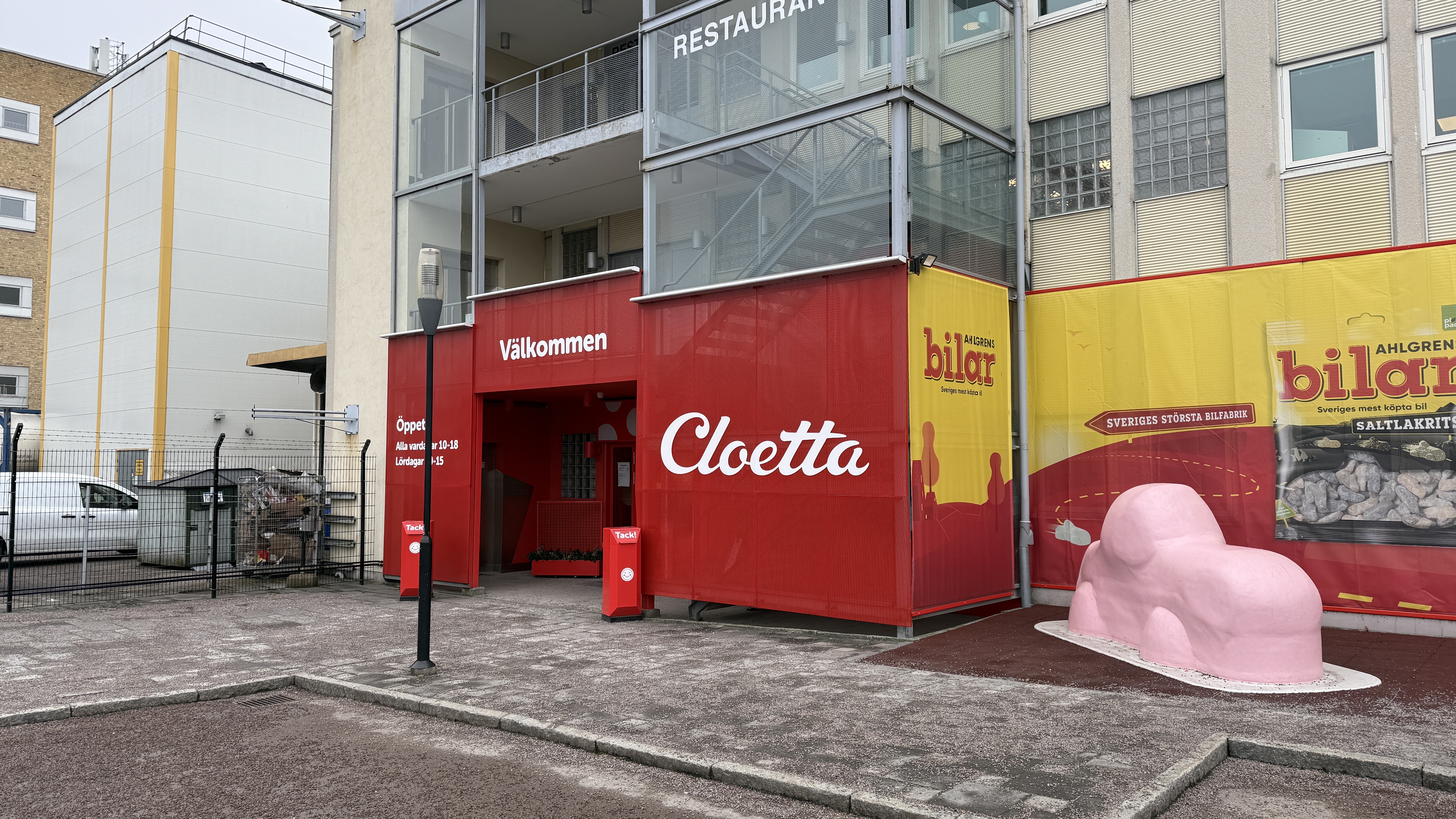


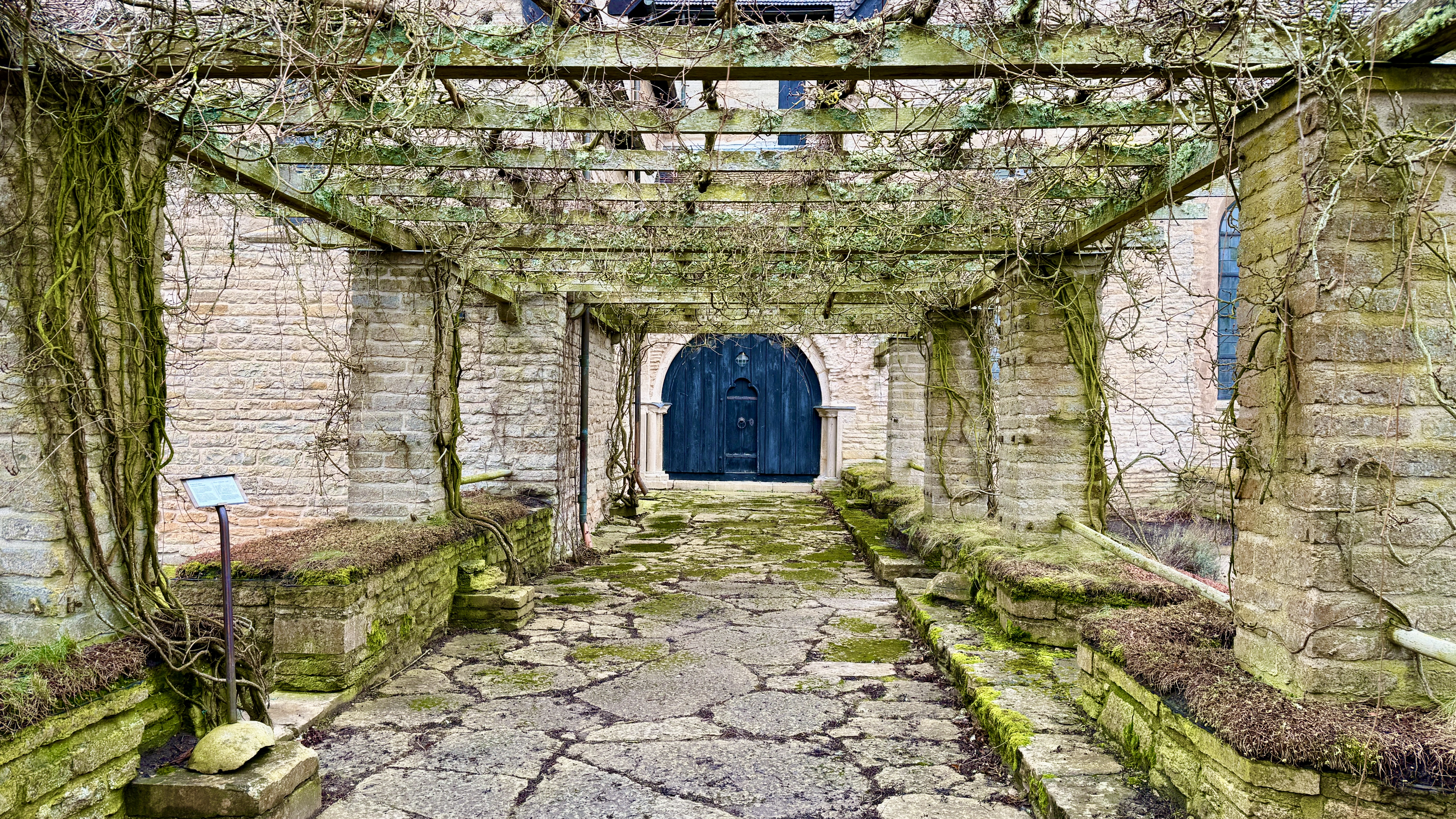
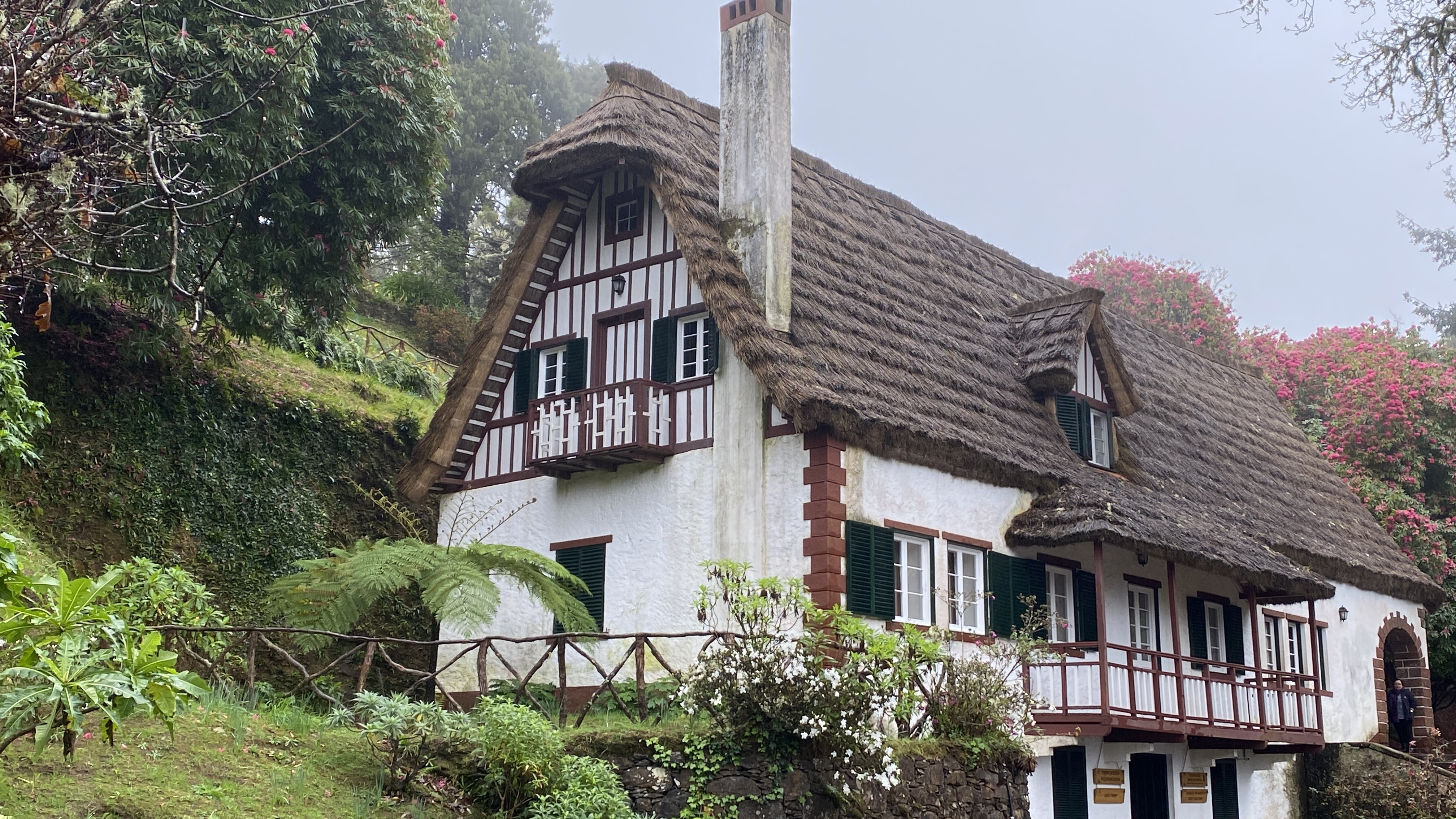


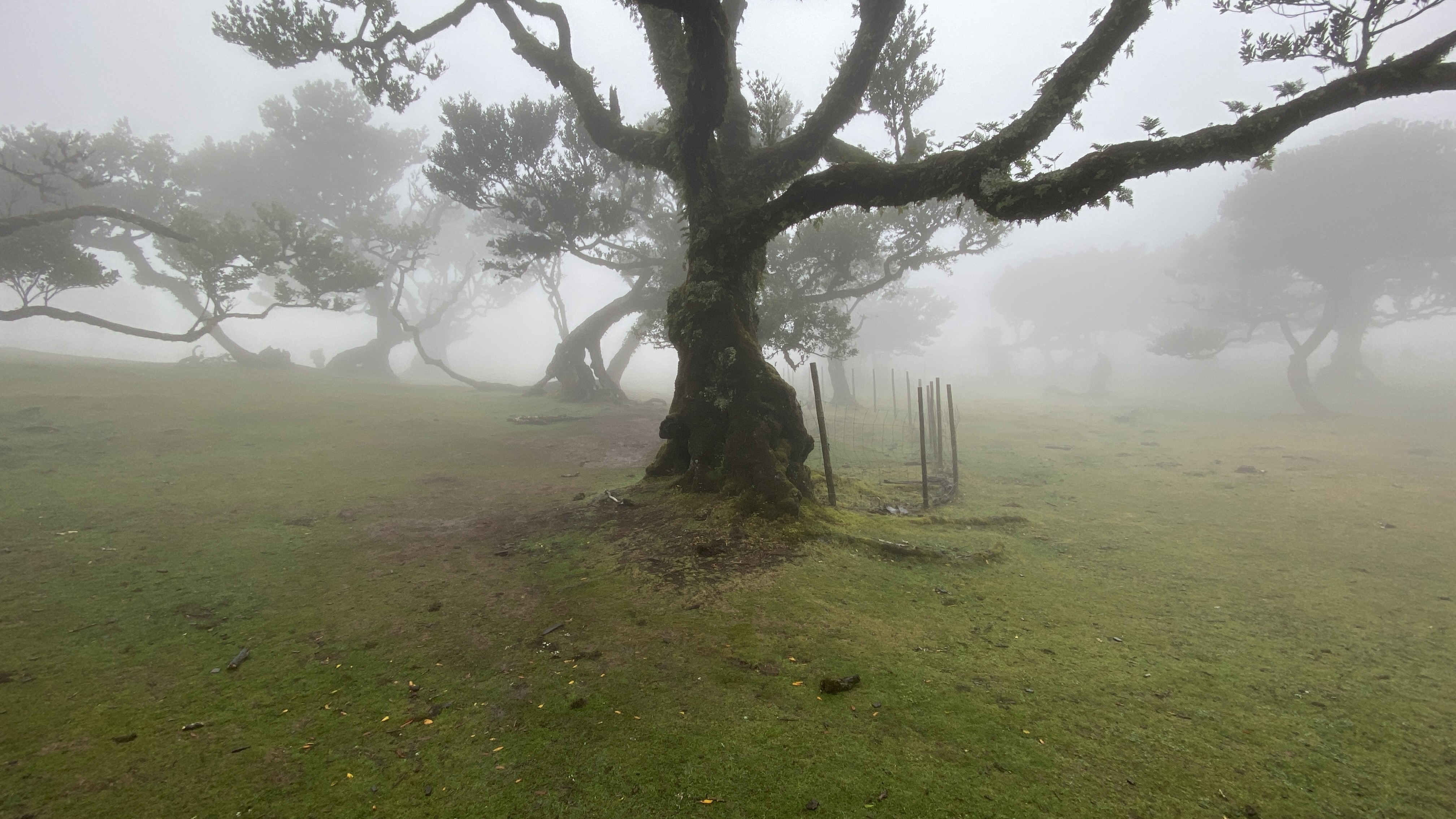
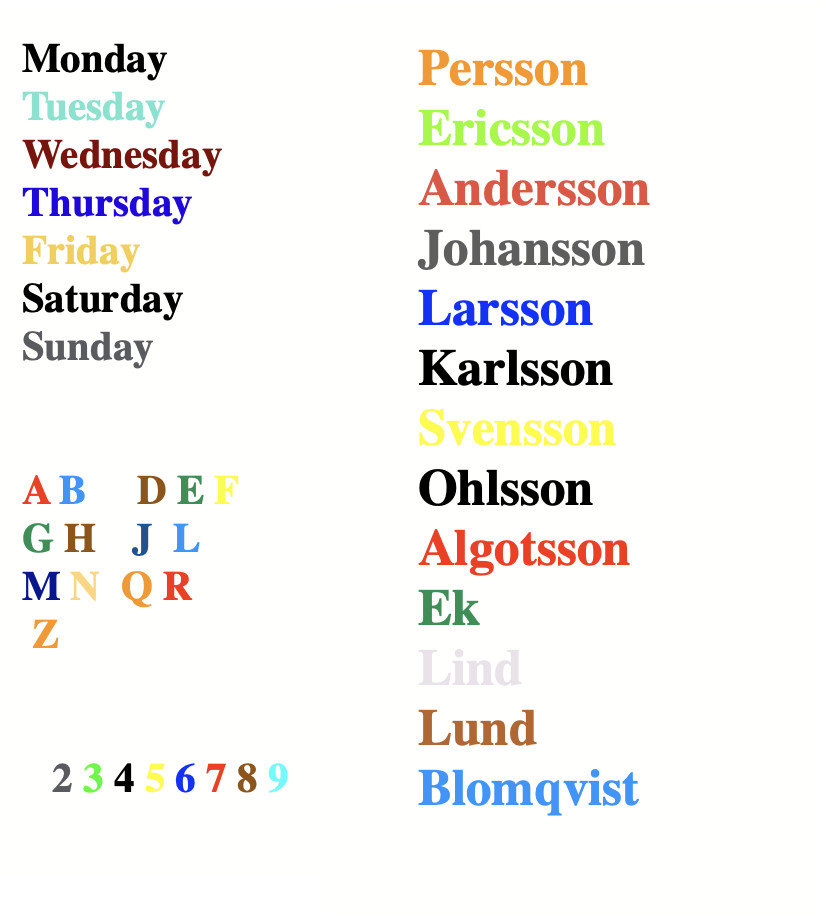

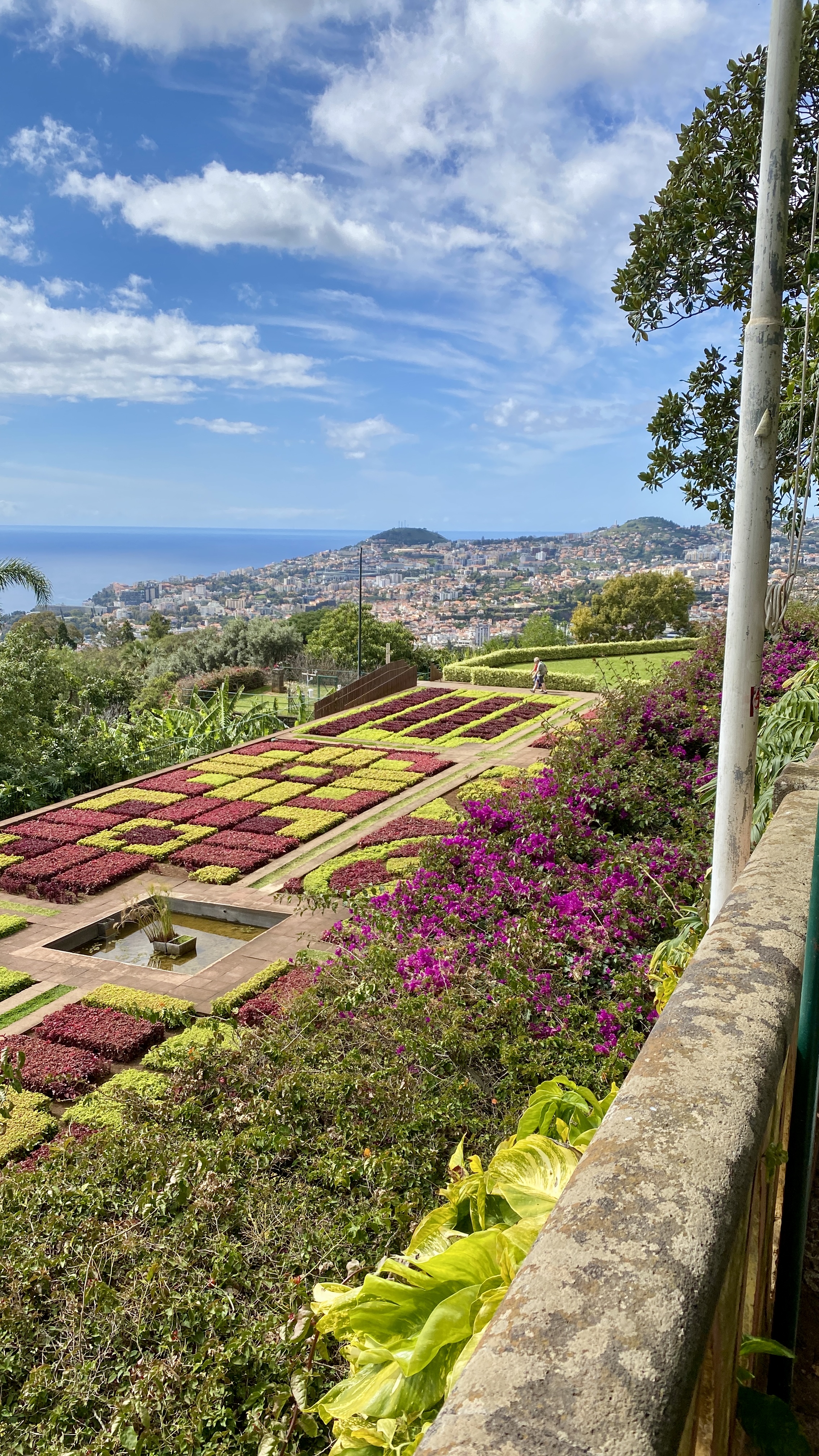



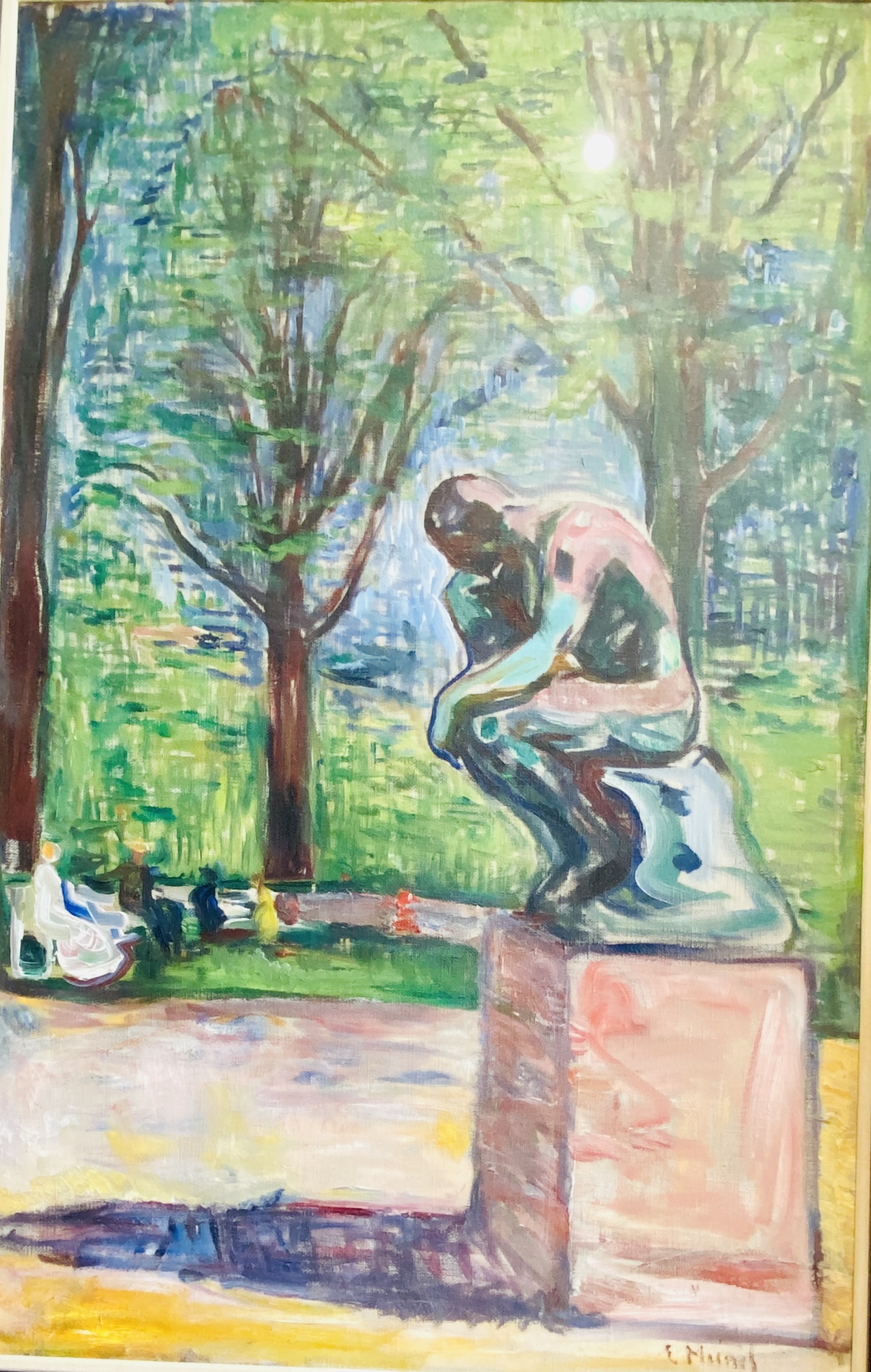


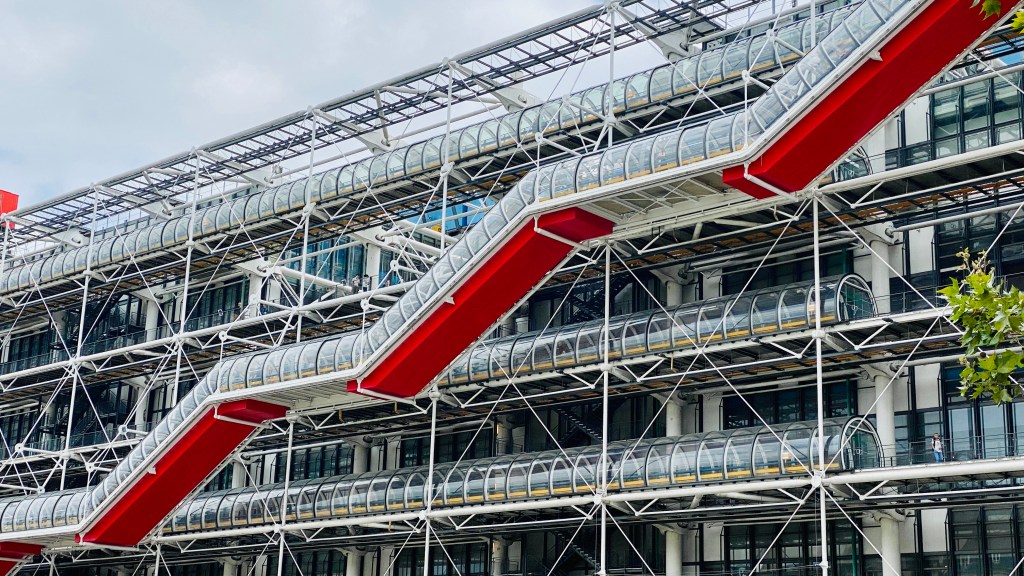
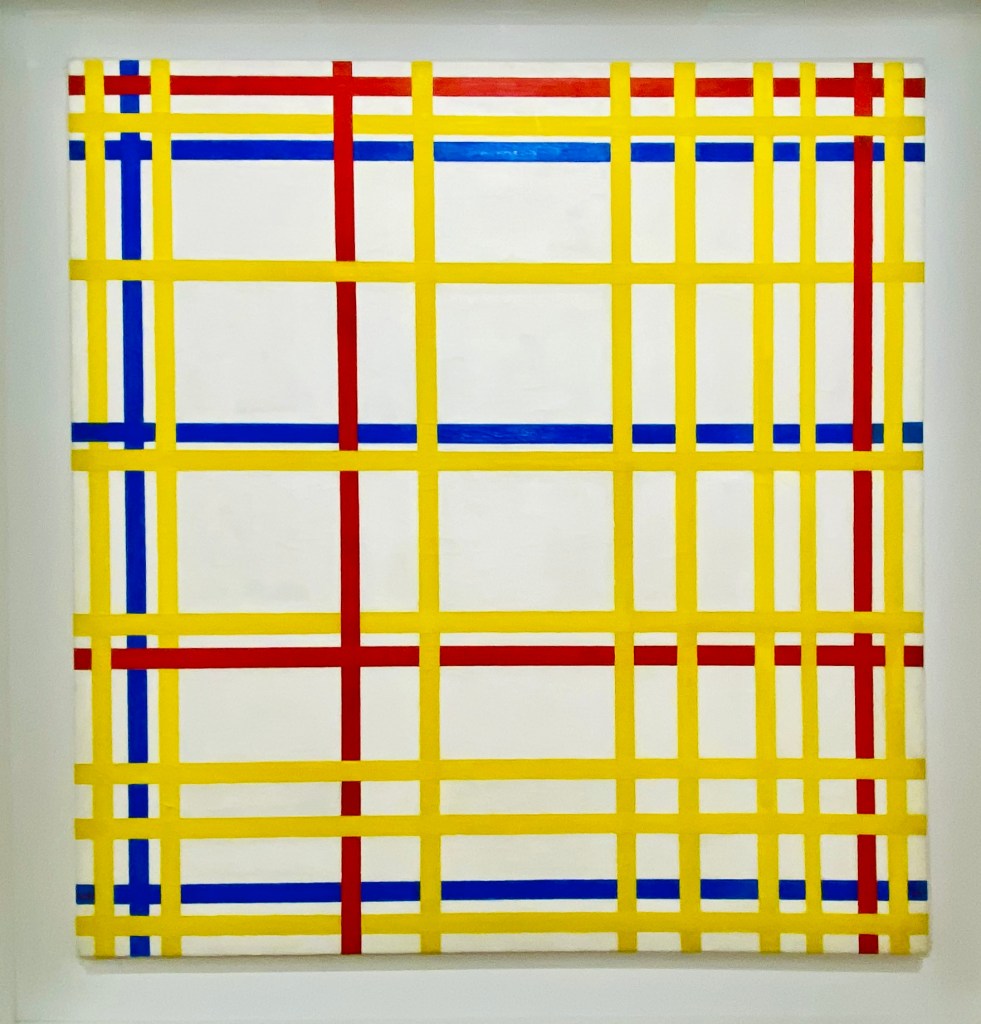

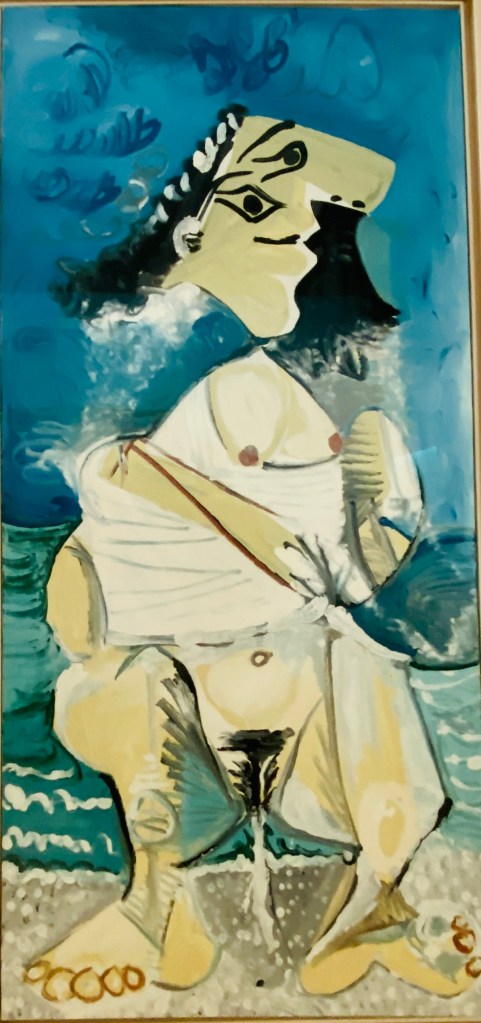
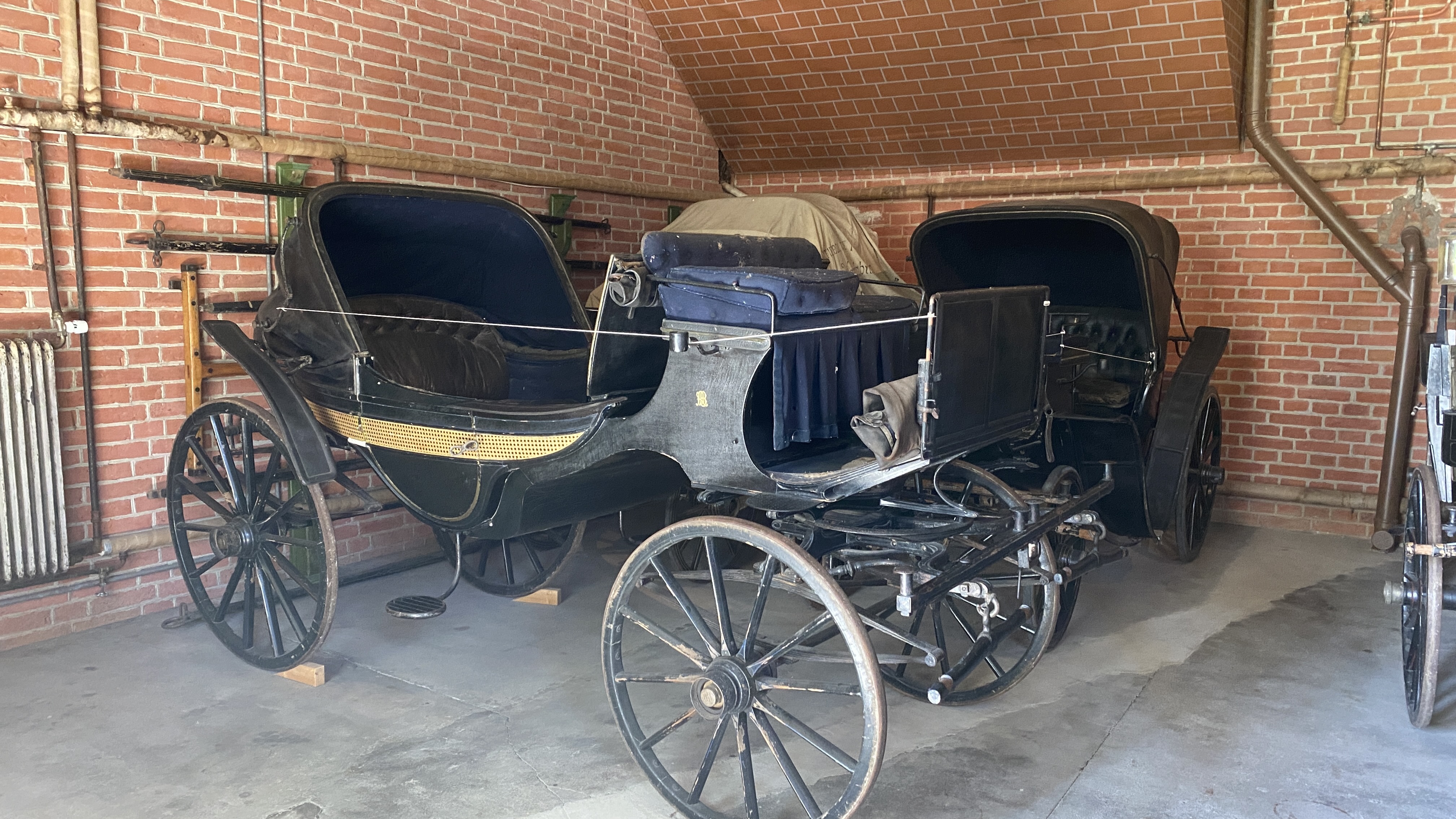
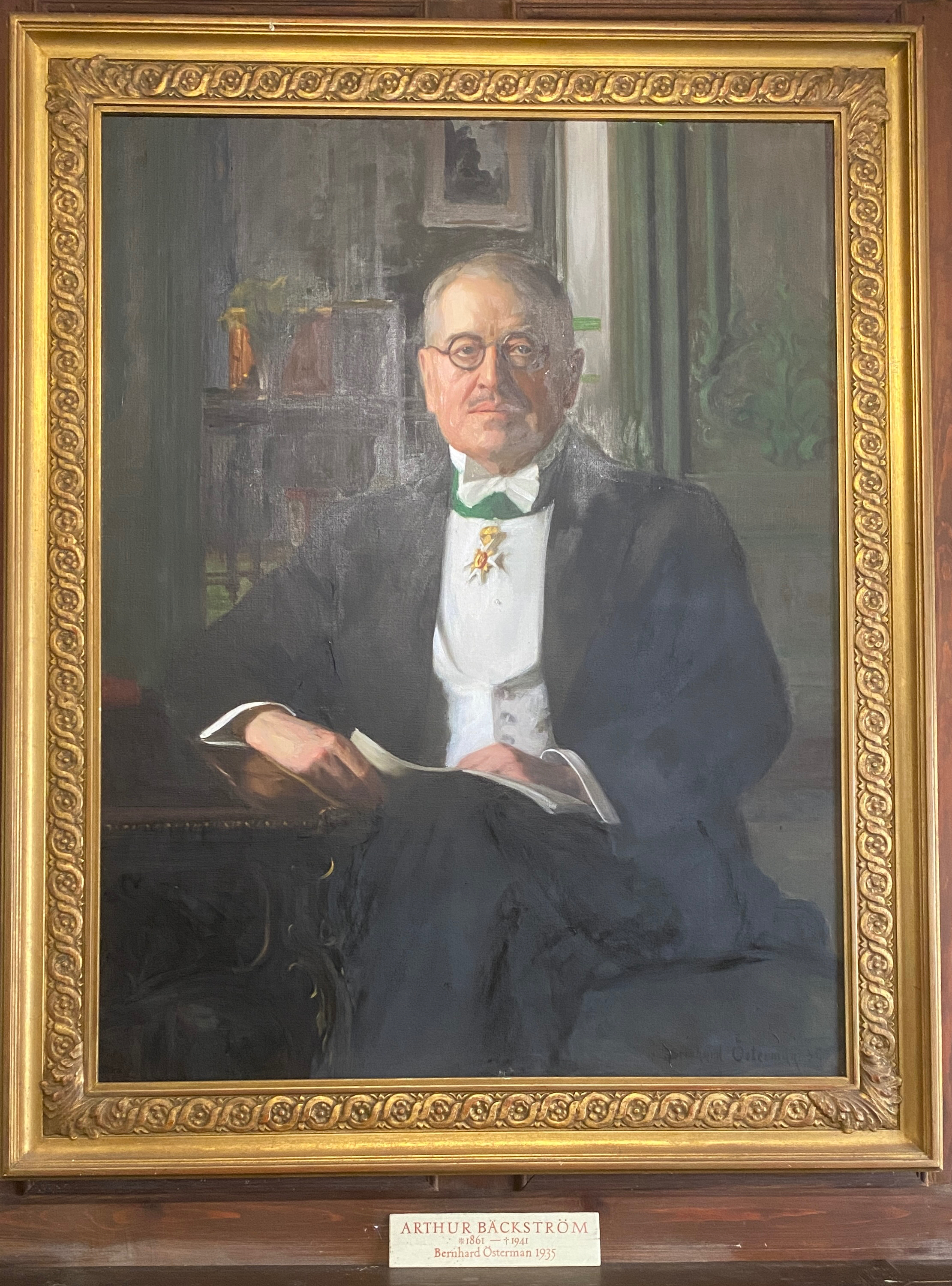
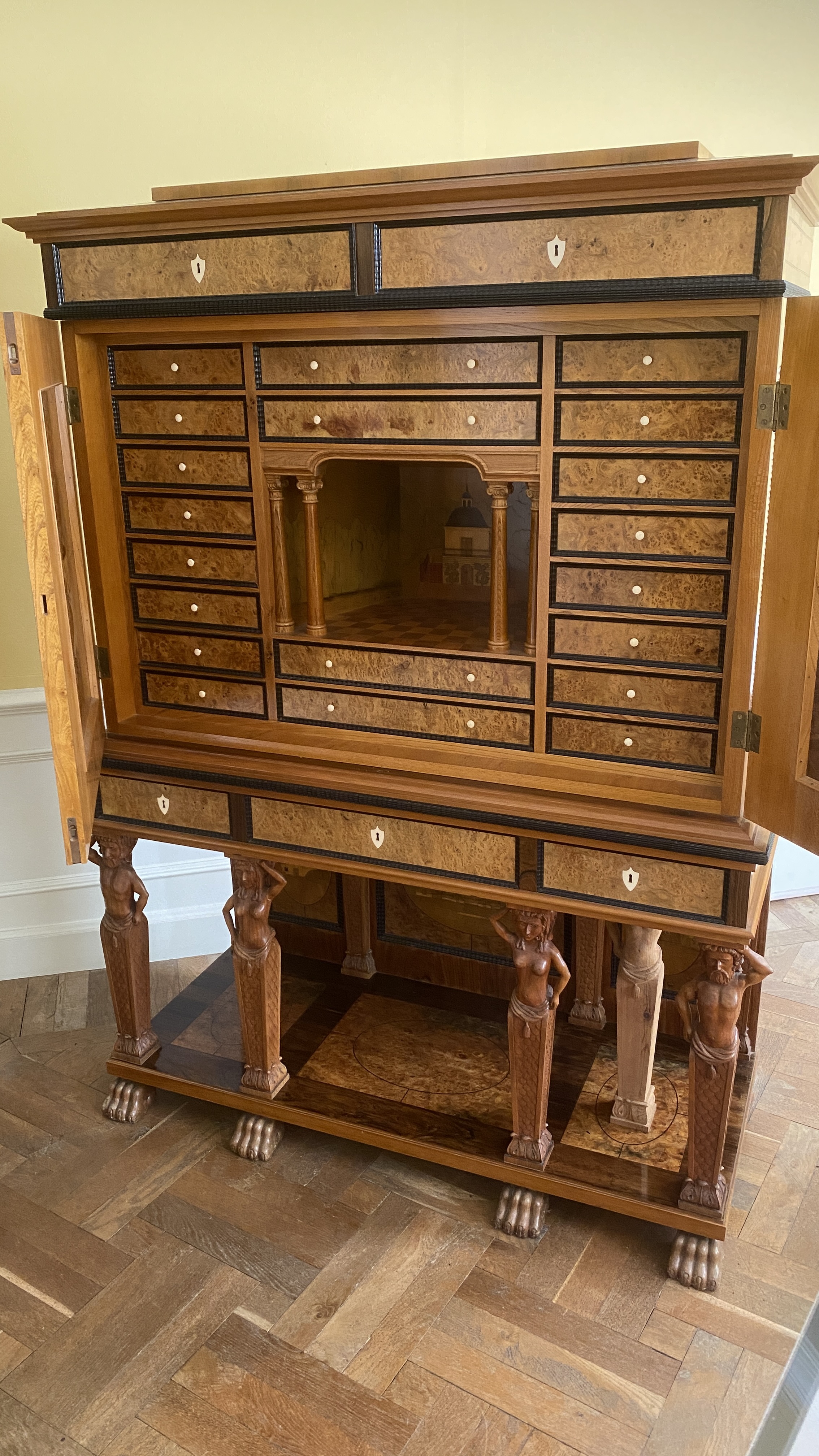
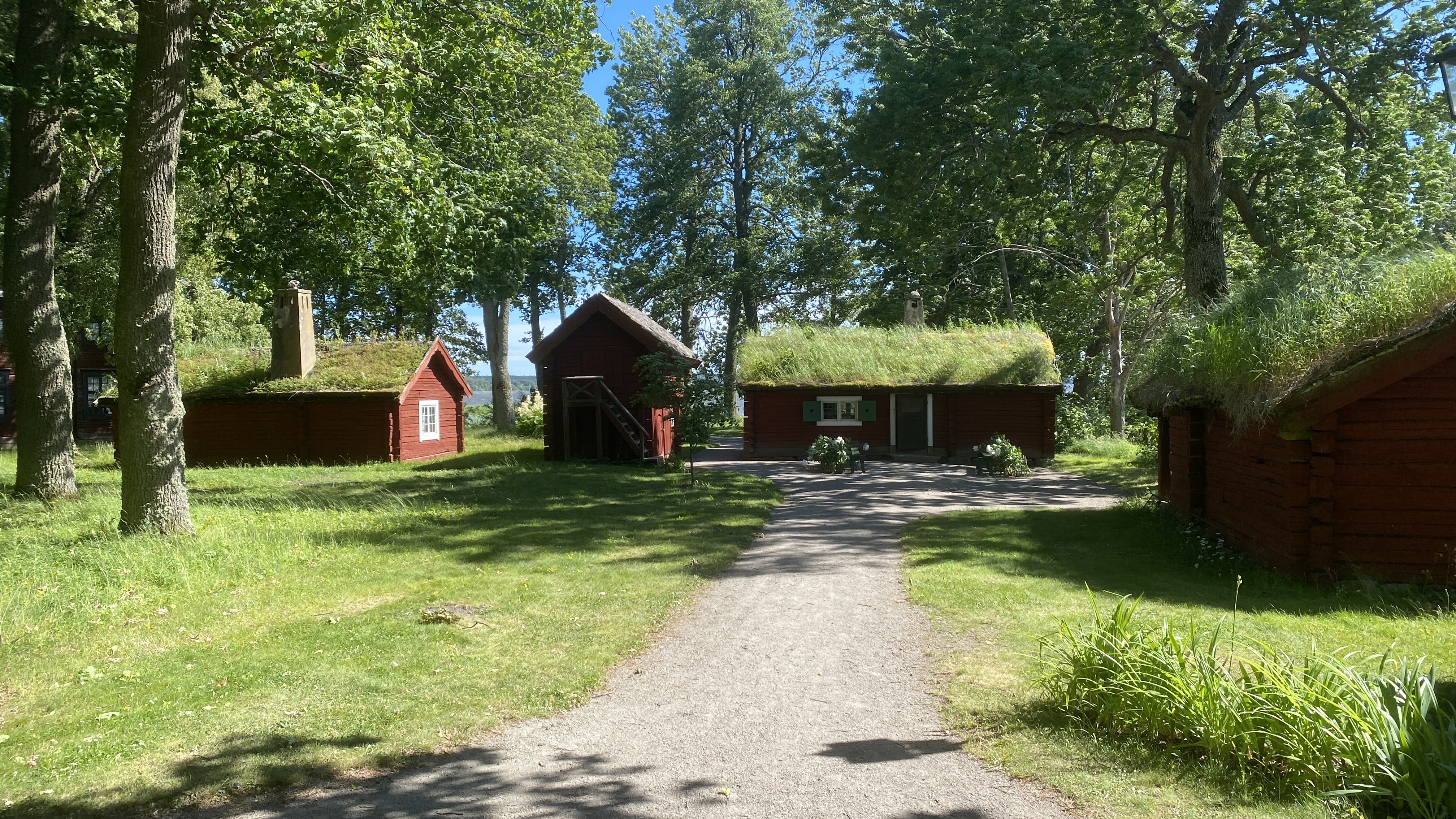
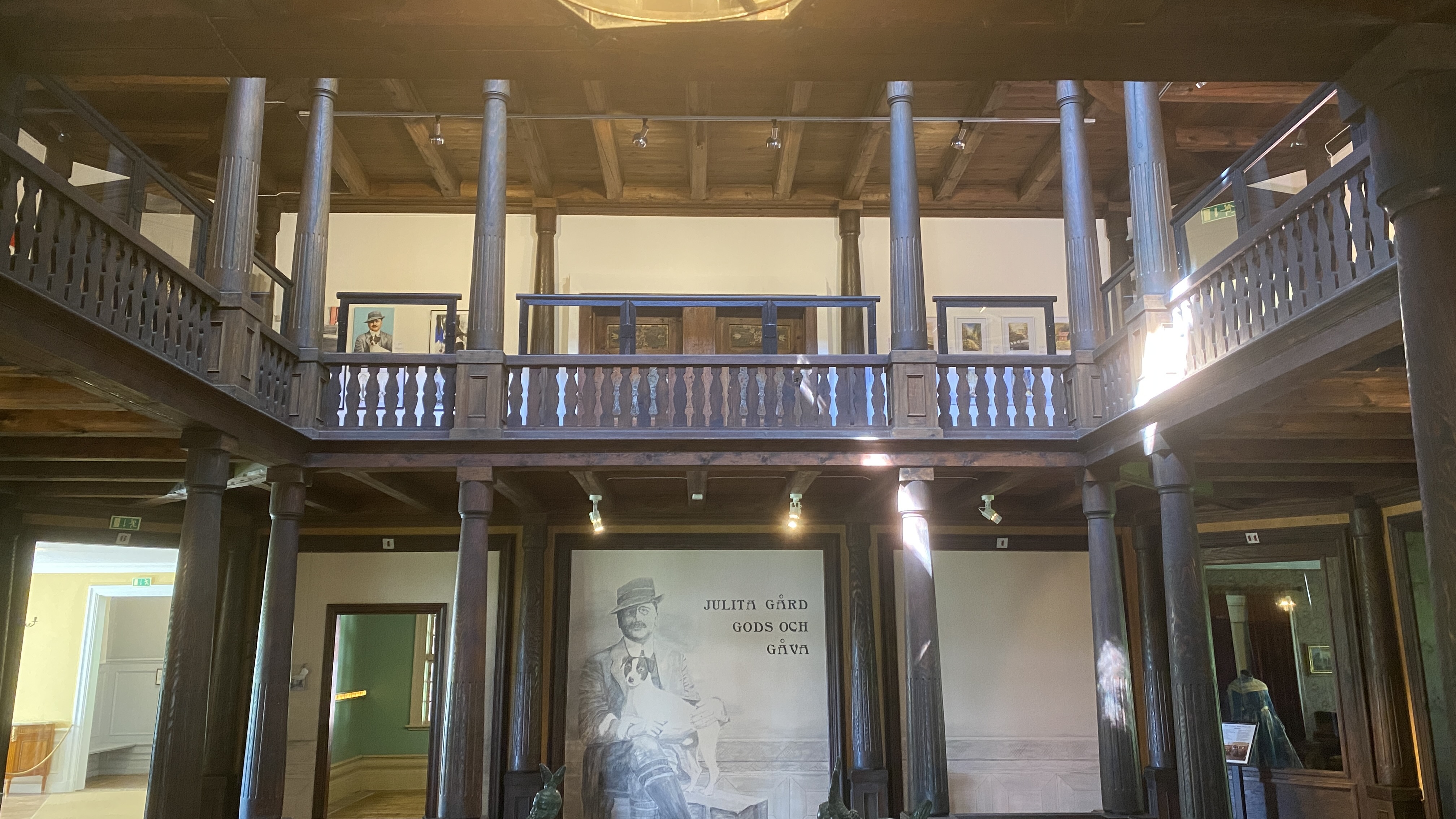
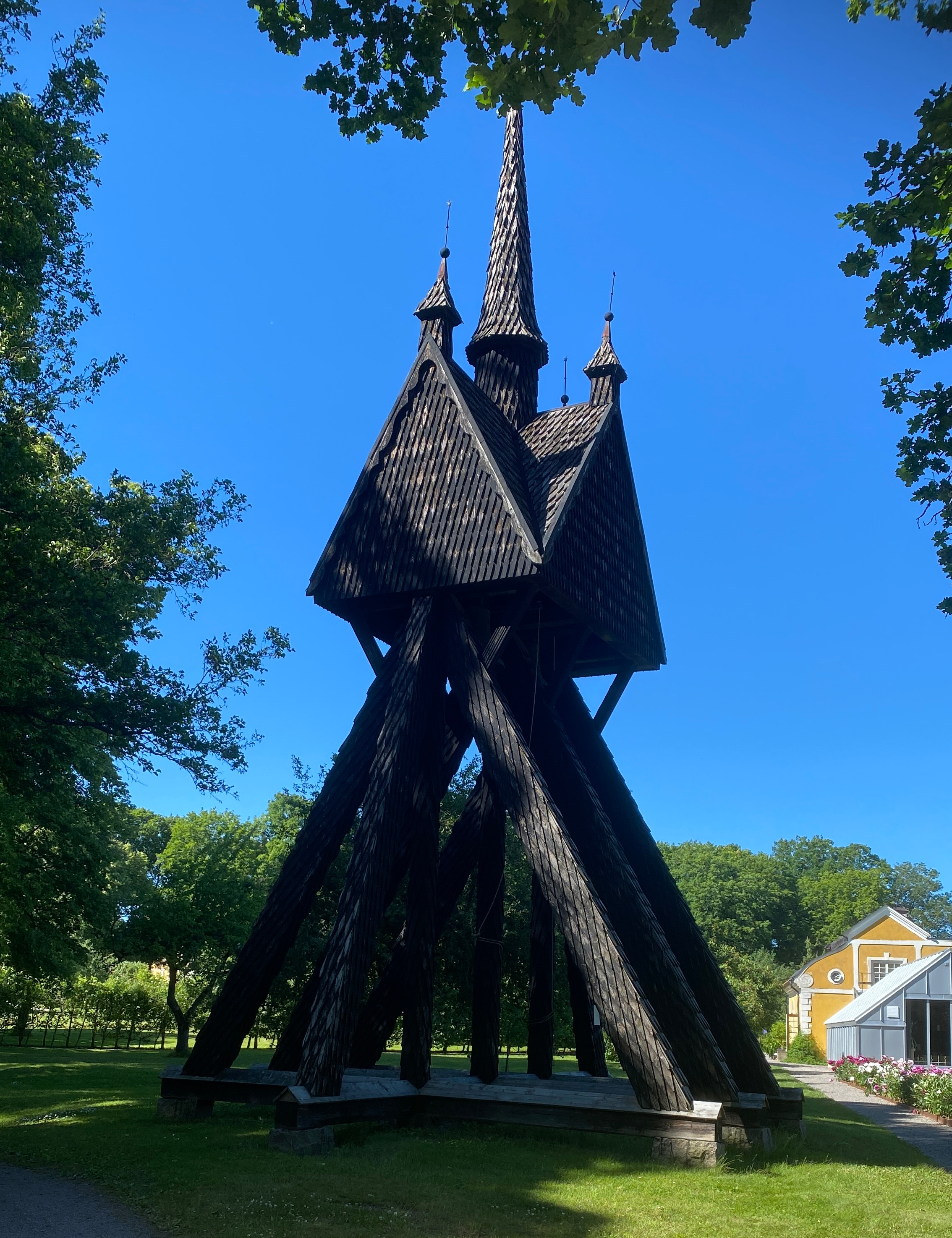
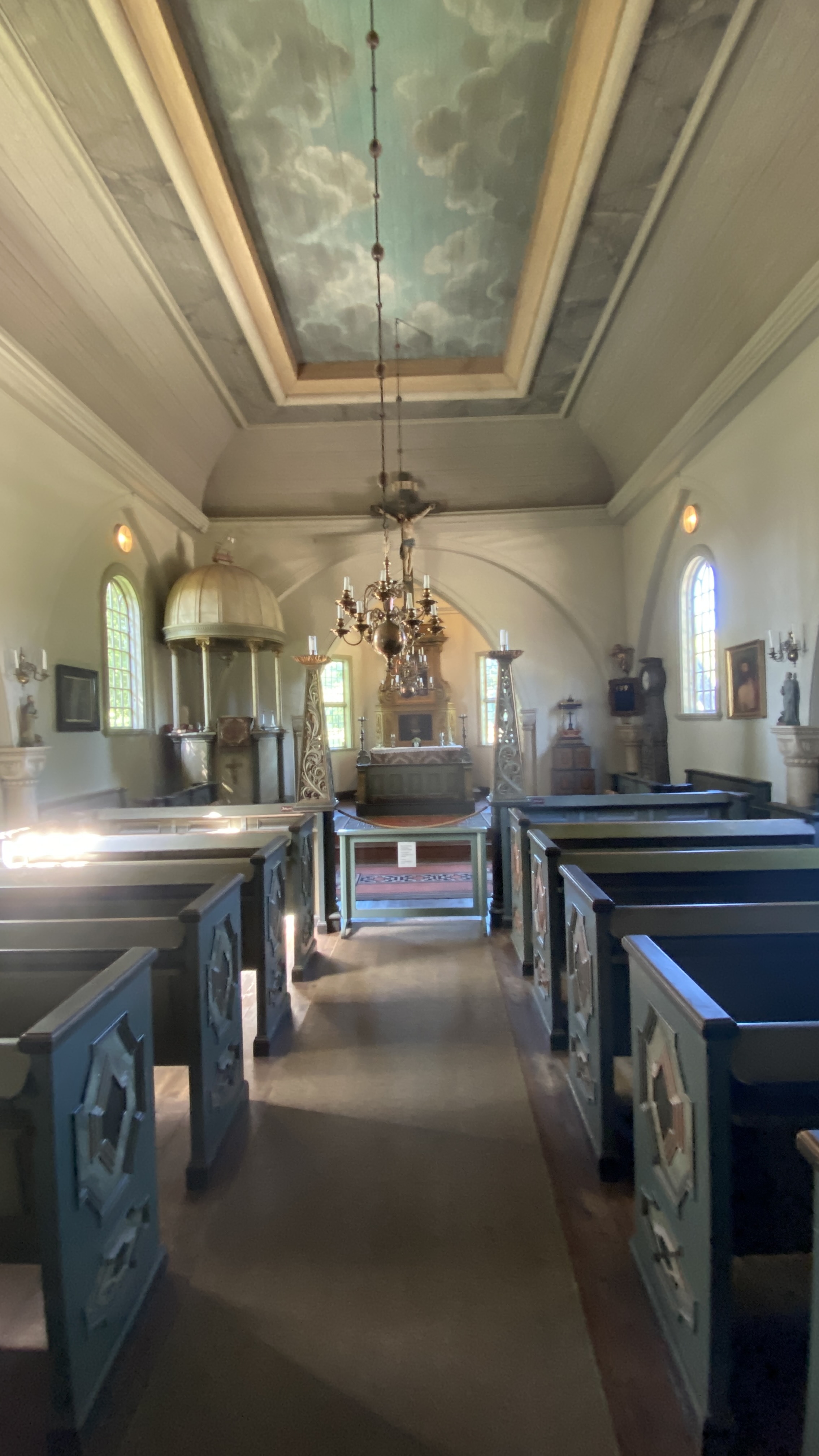


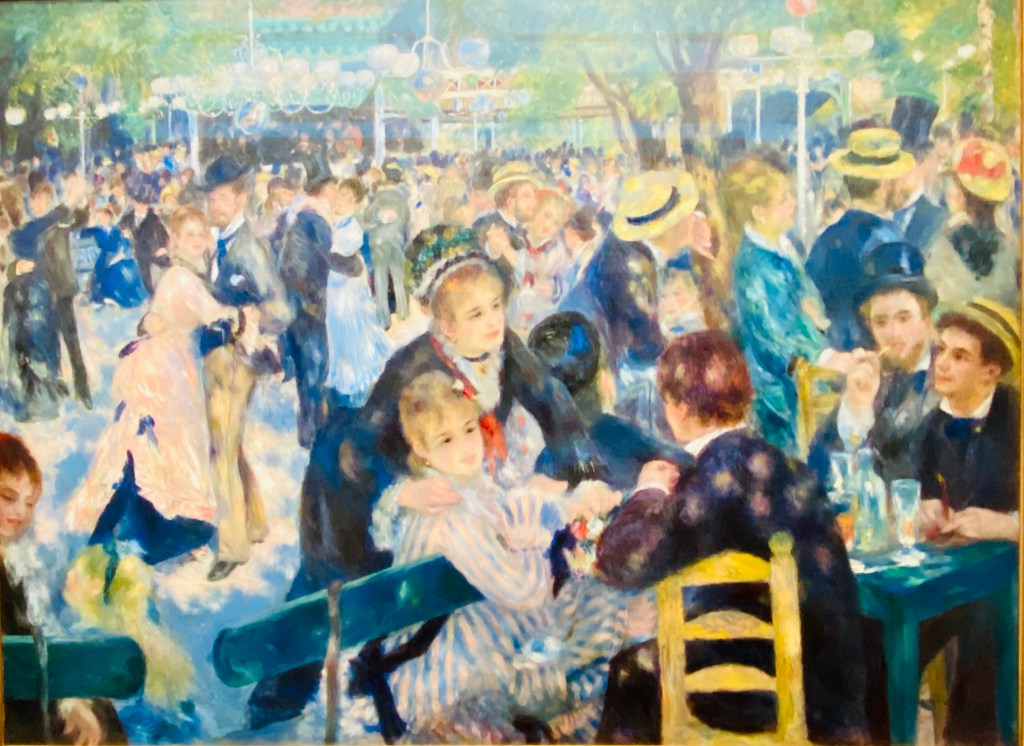
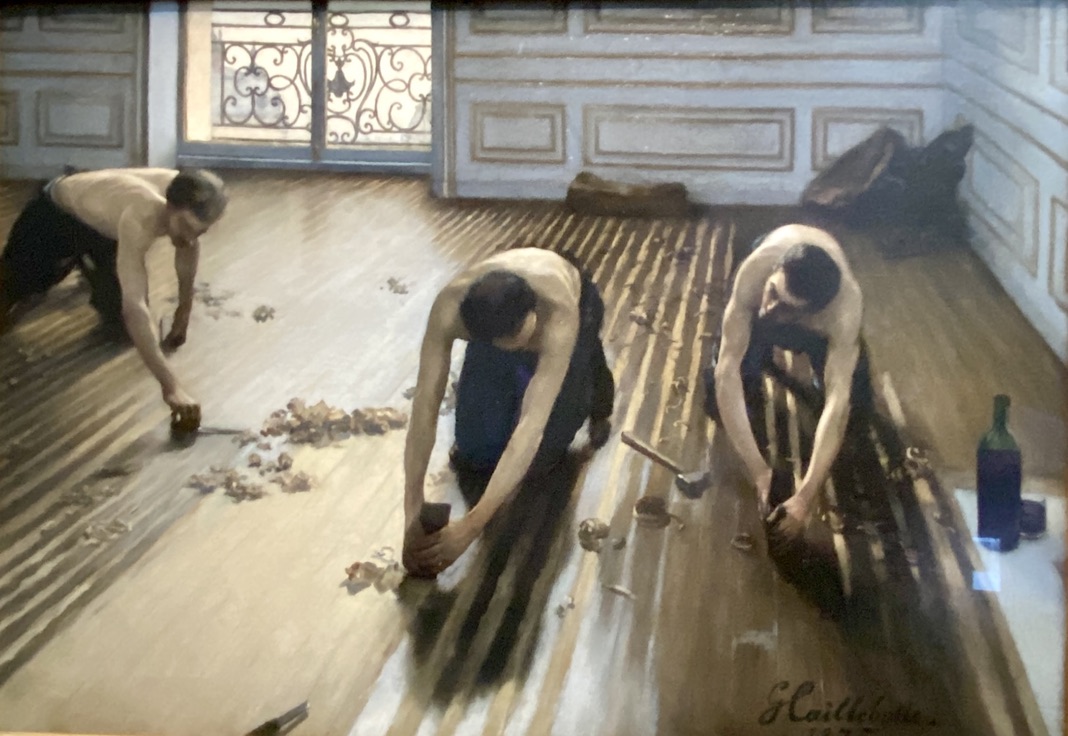
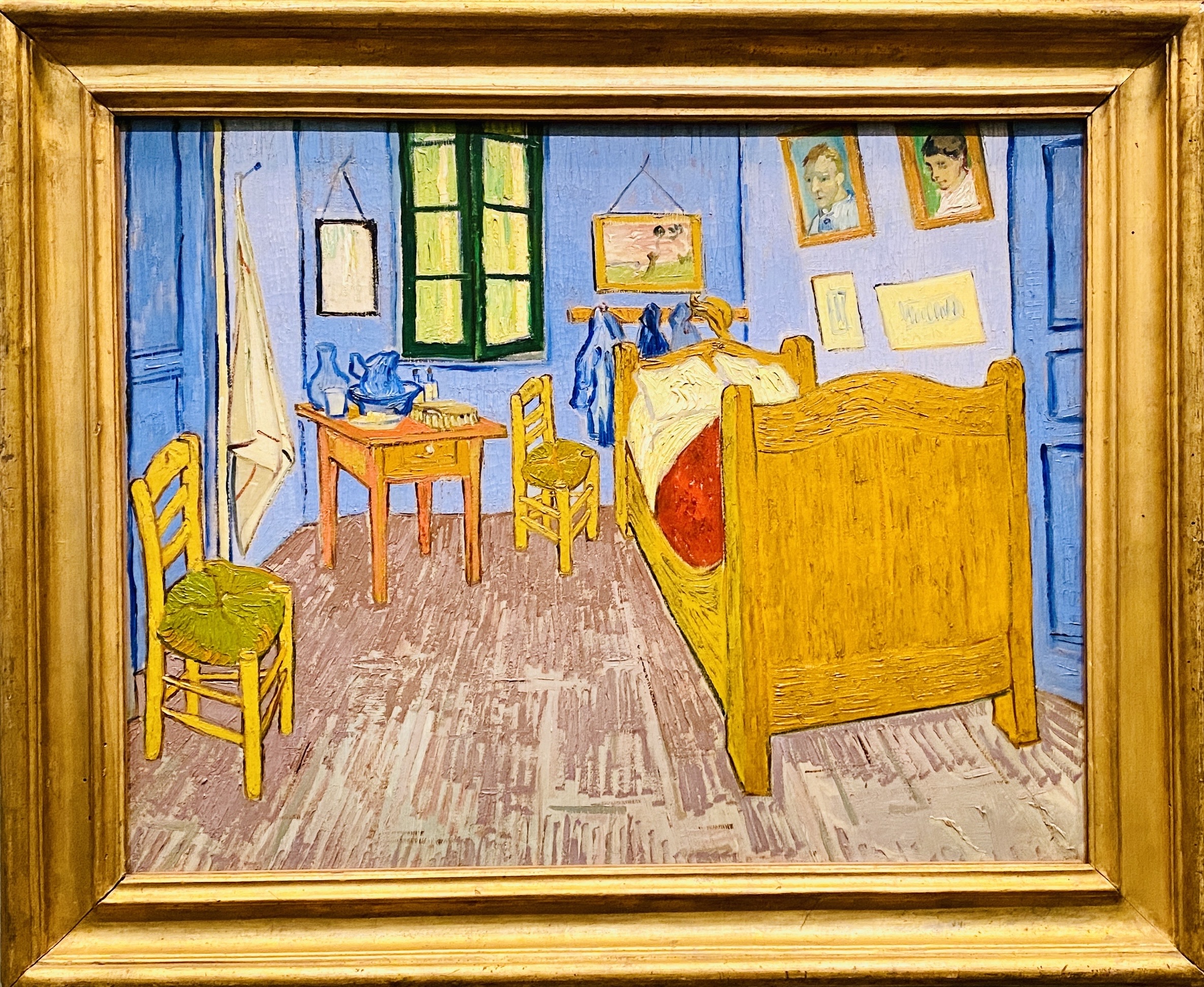
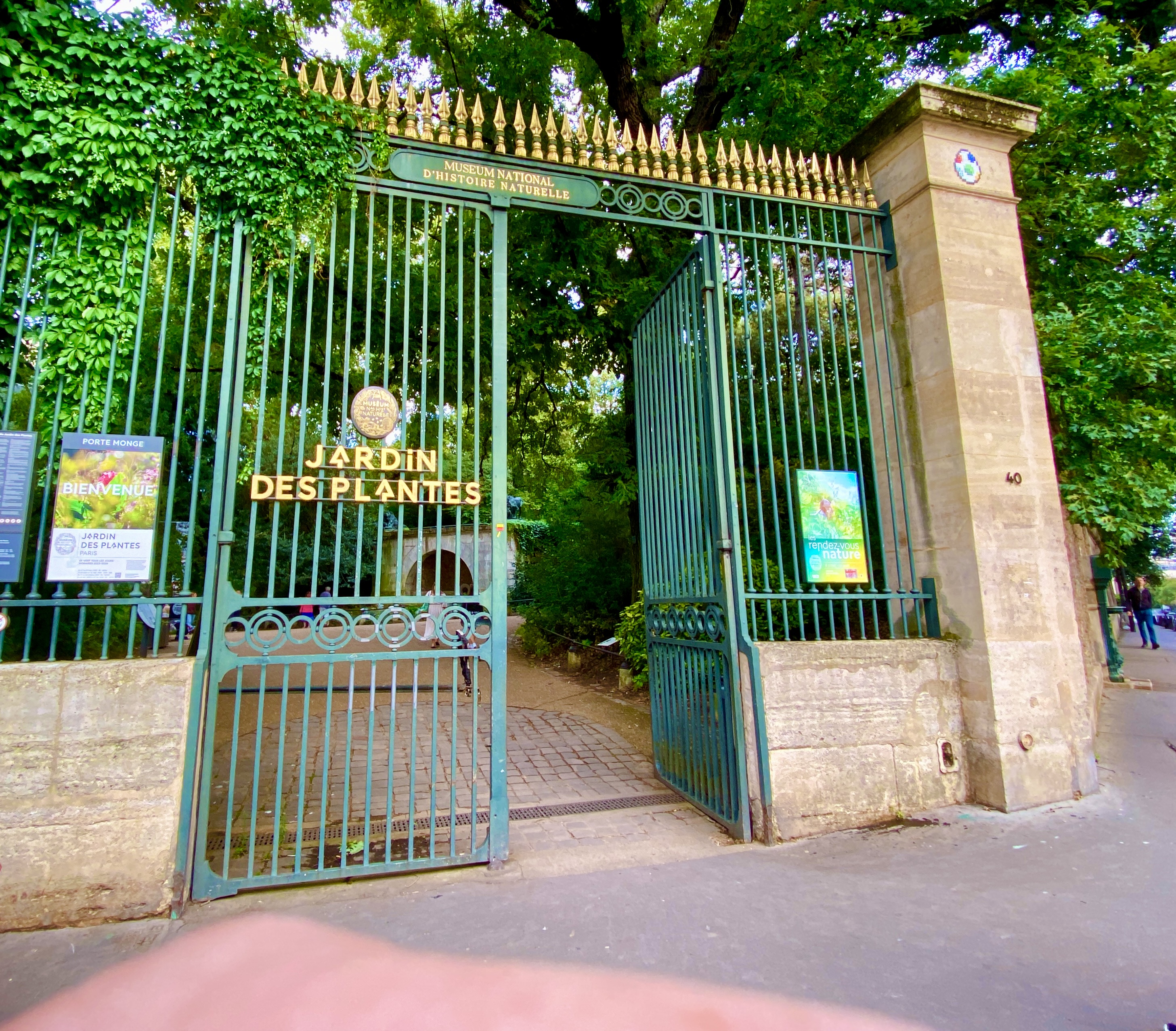





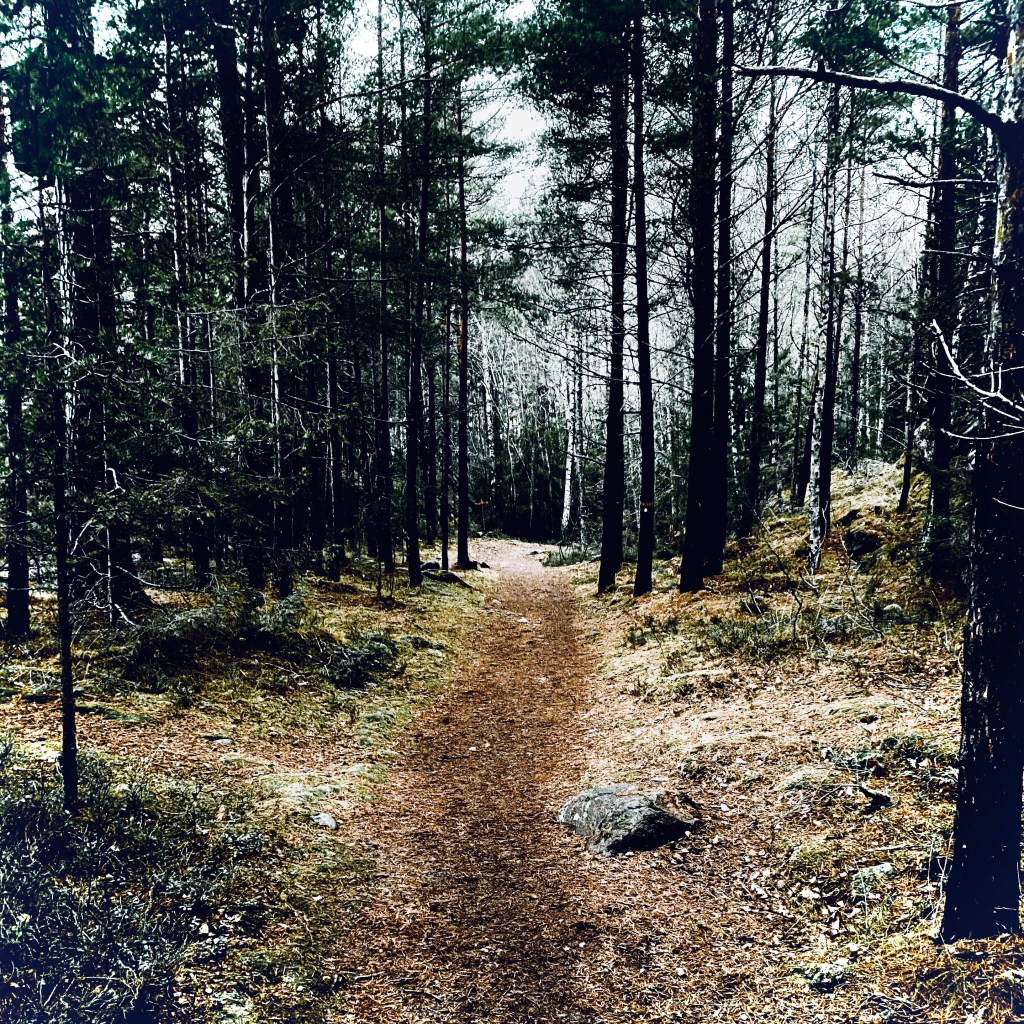






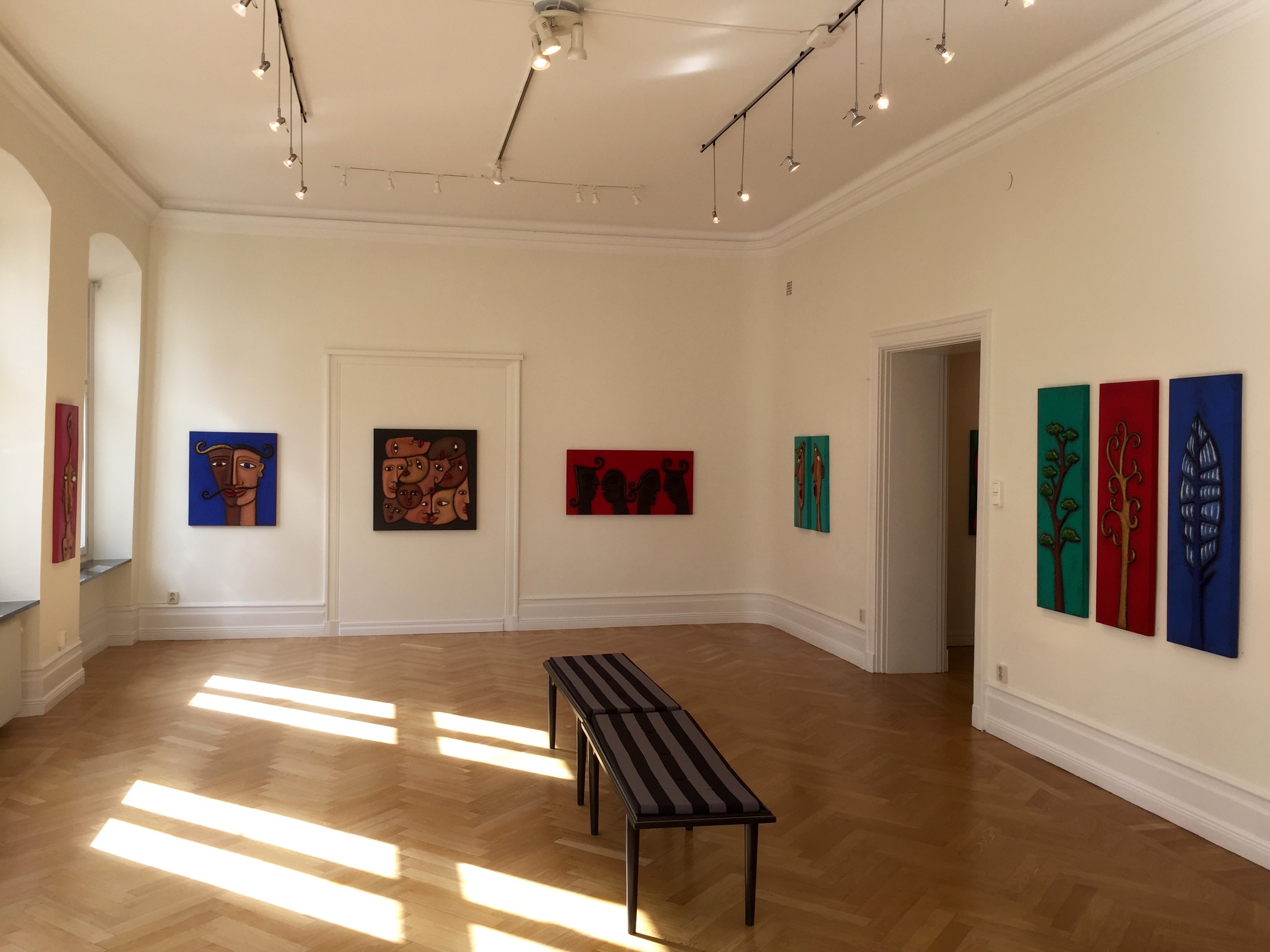








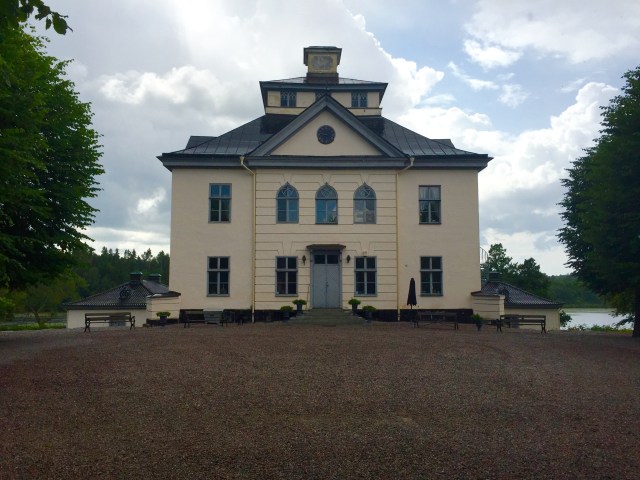

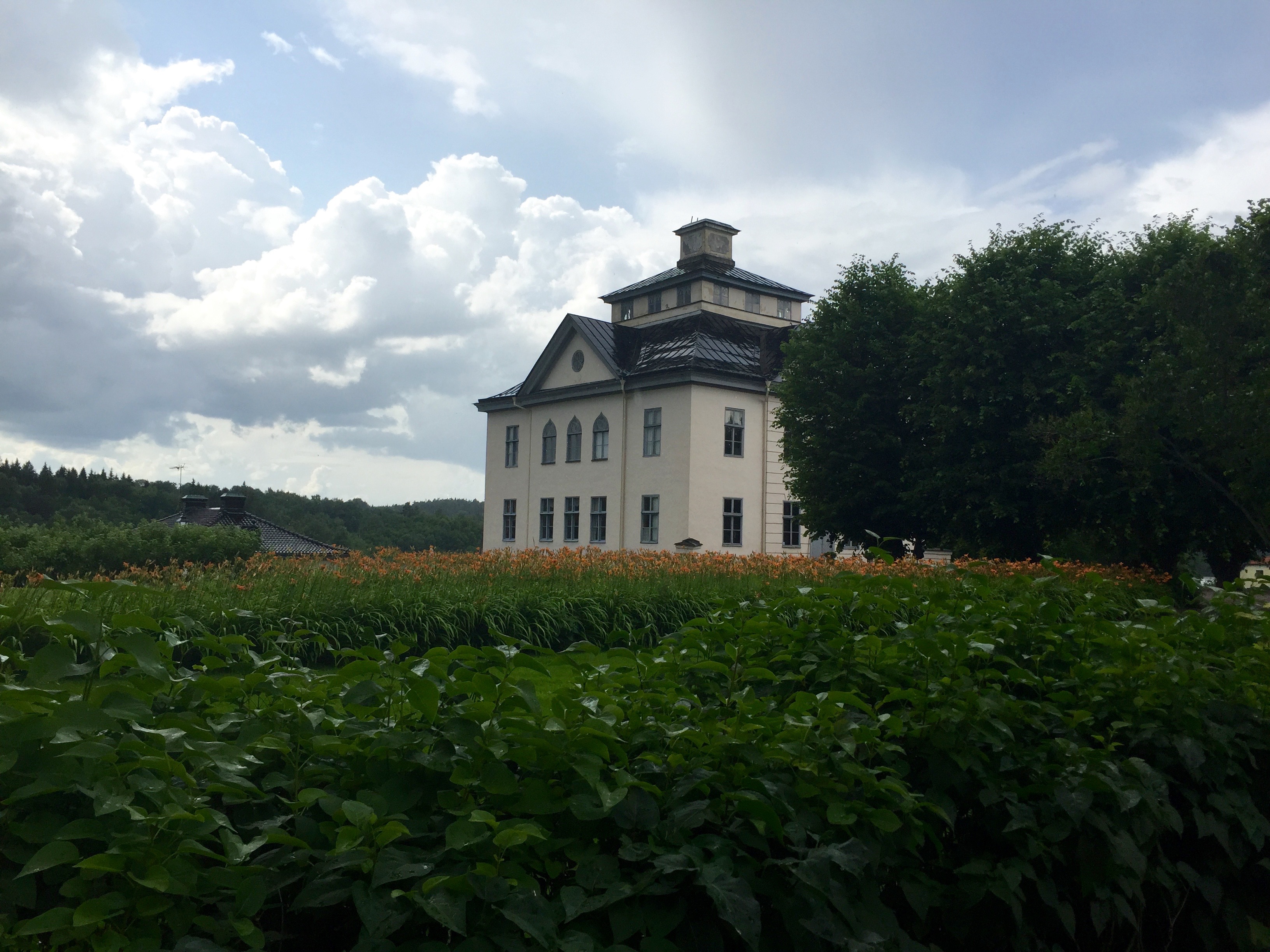

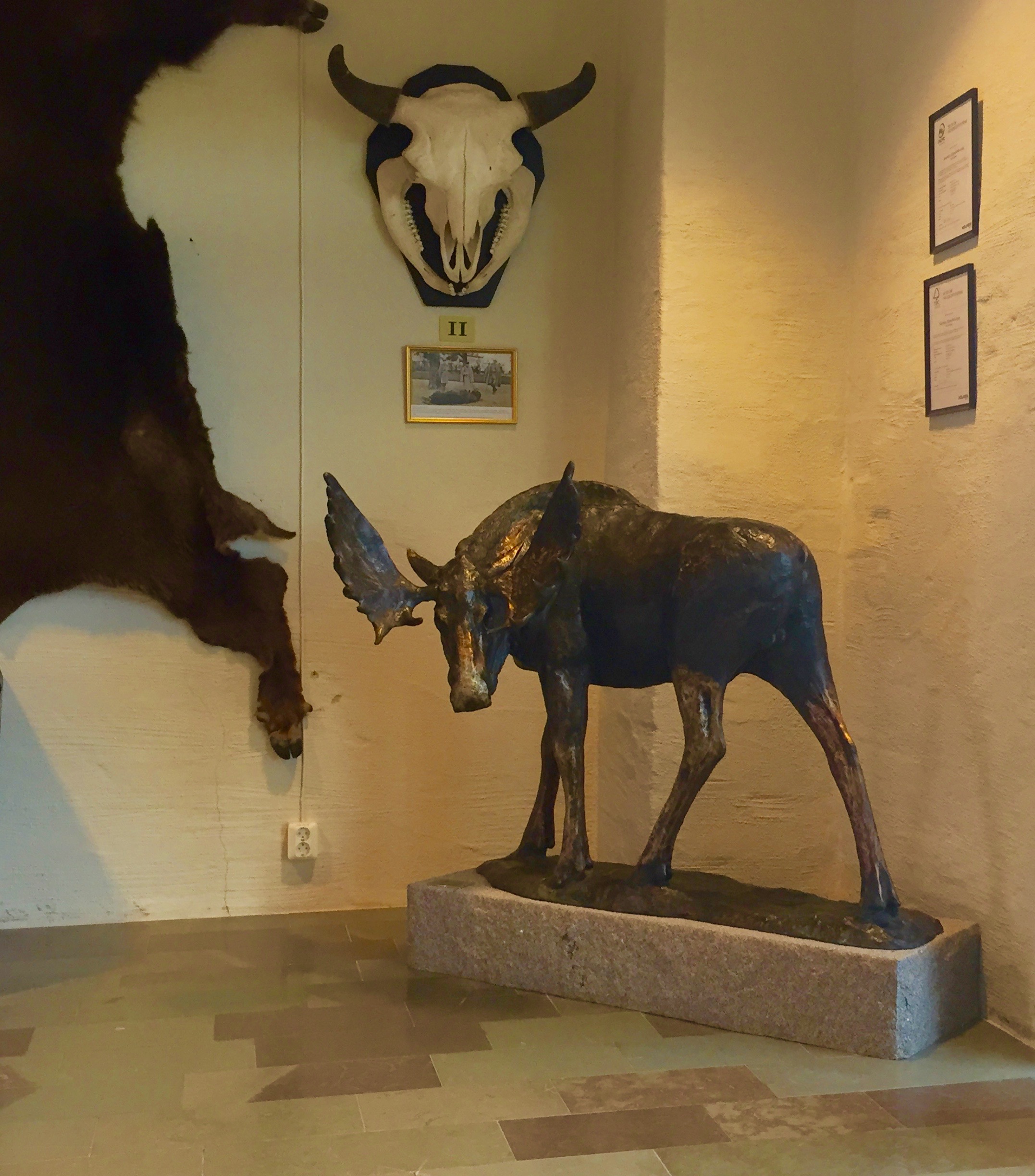


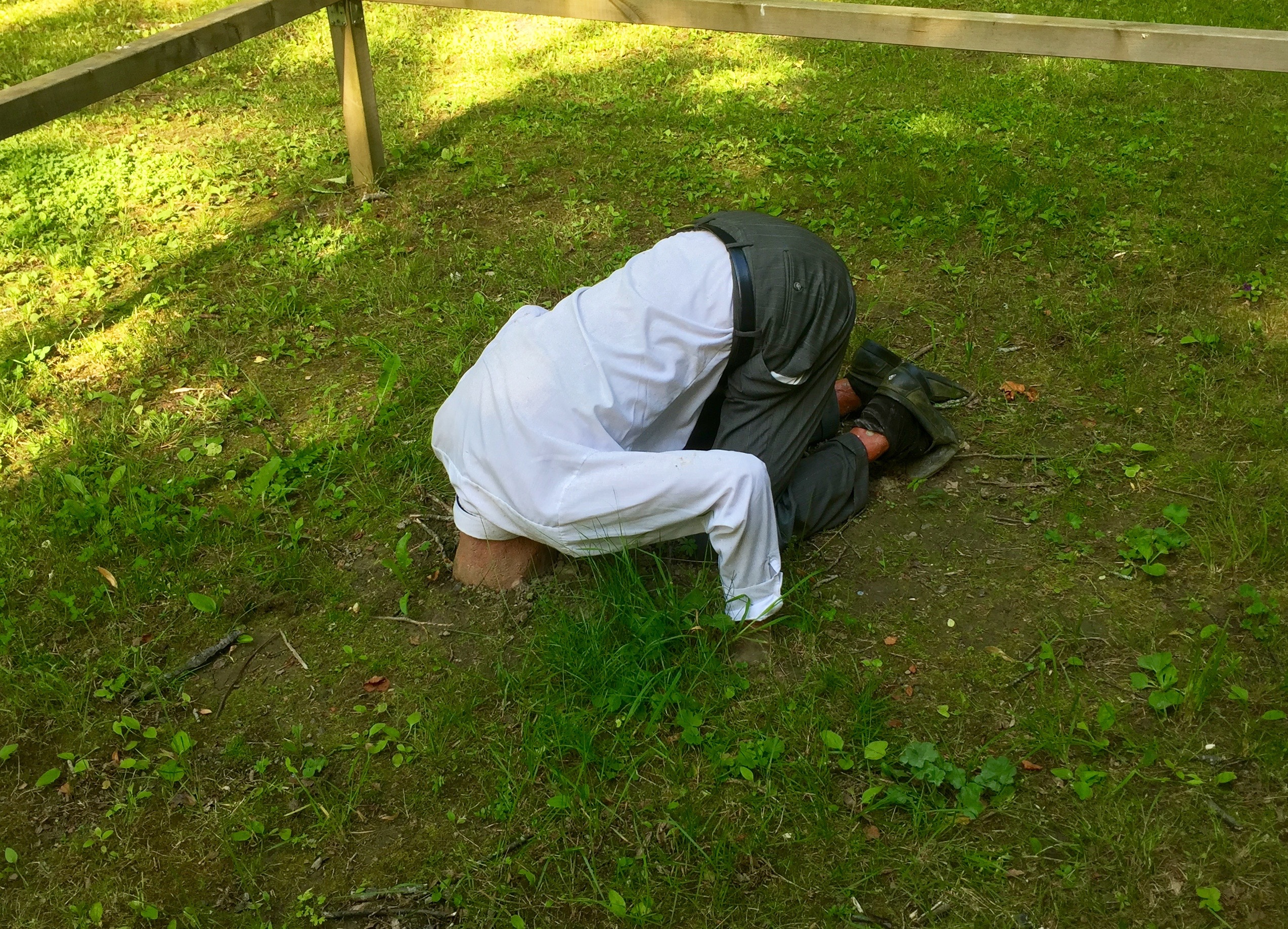







 As dark as
 My childhood
 Counts steps, chasing shadows


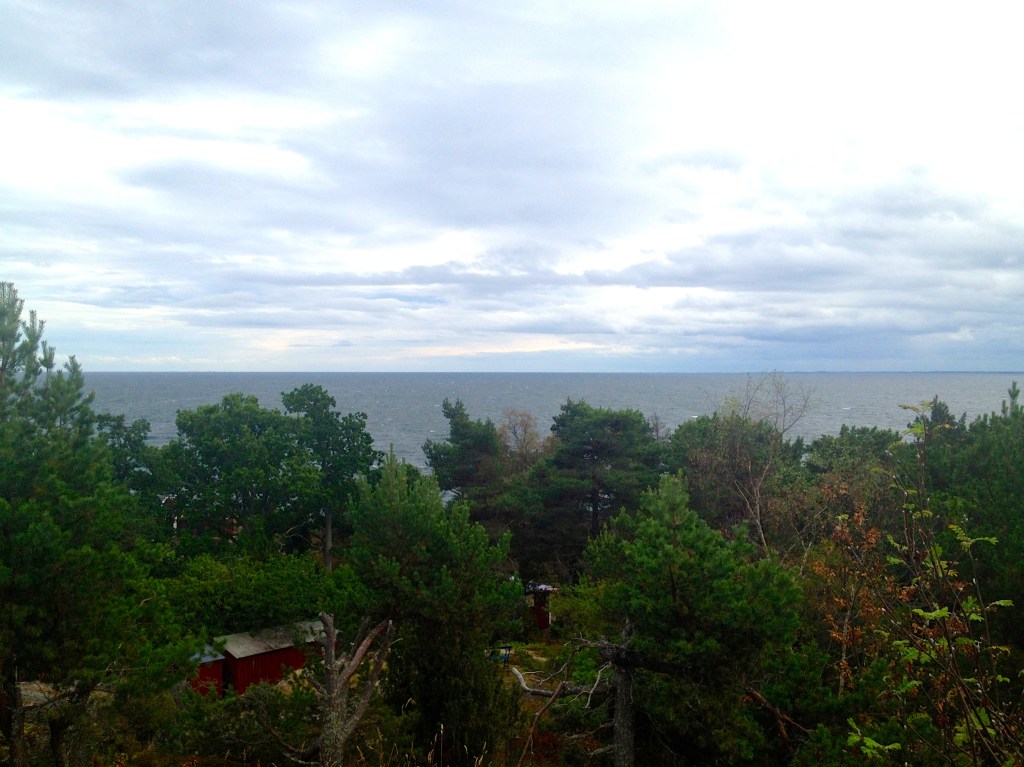
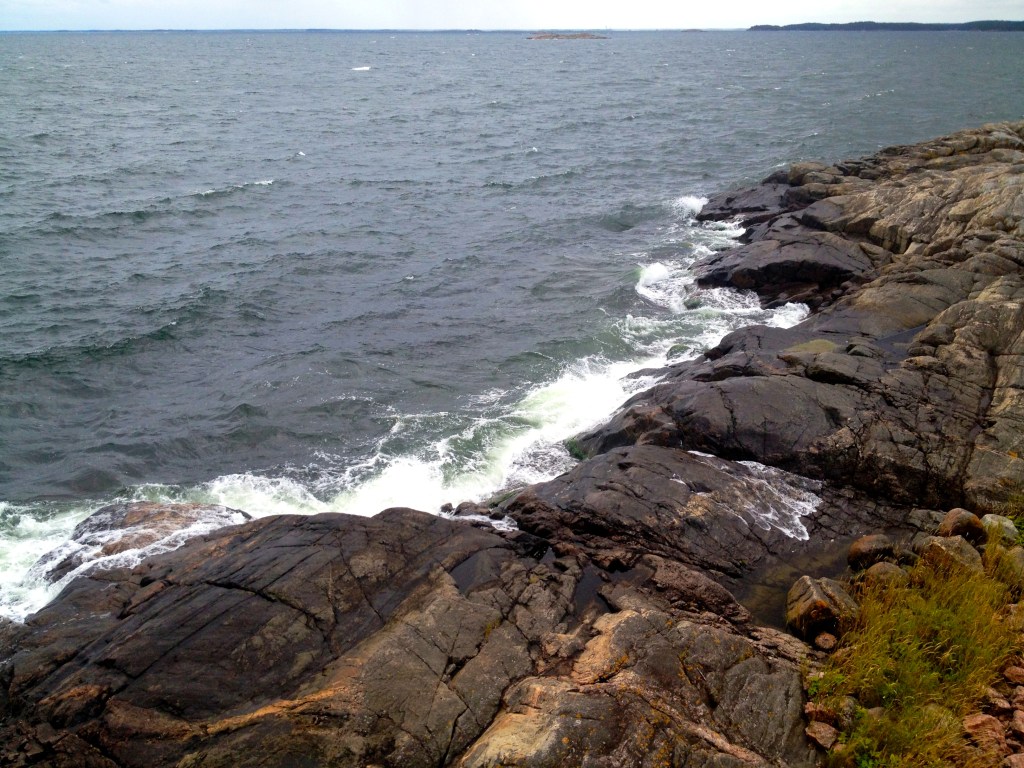

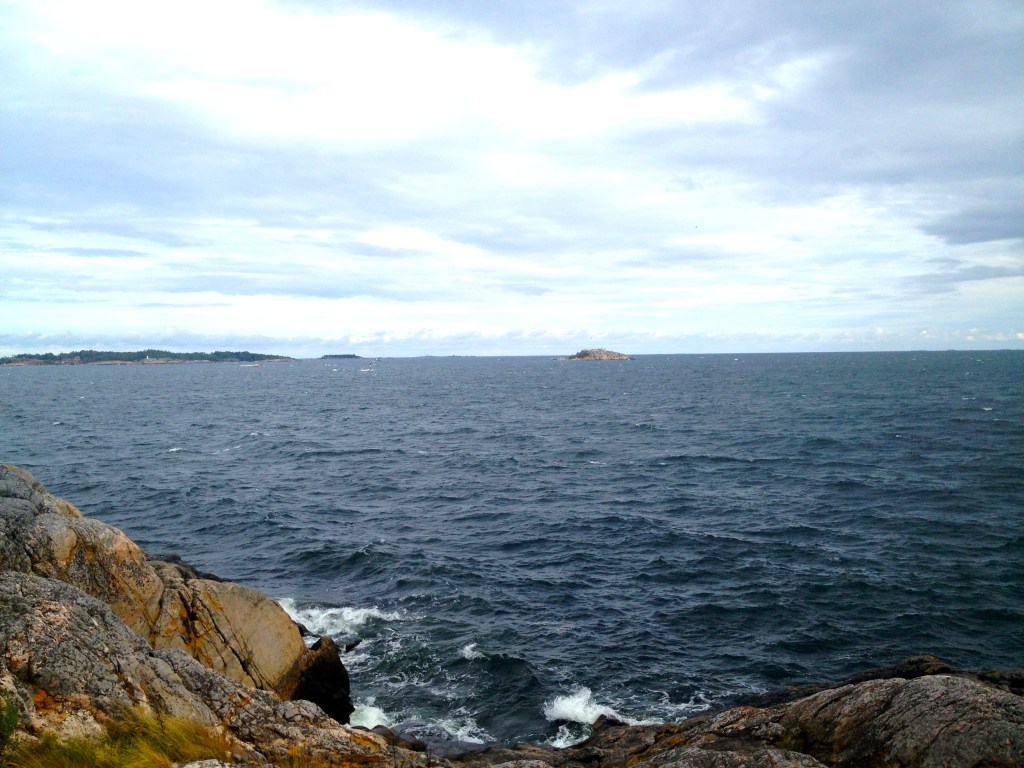
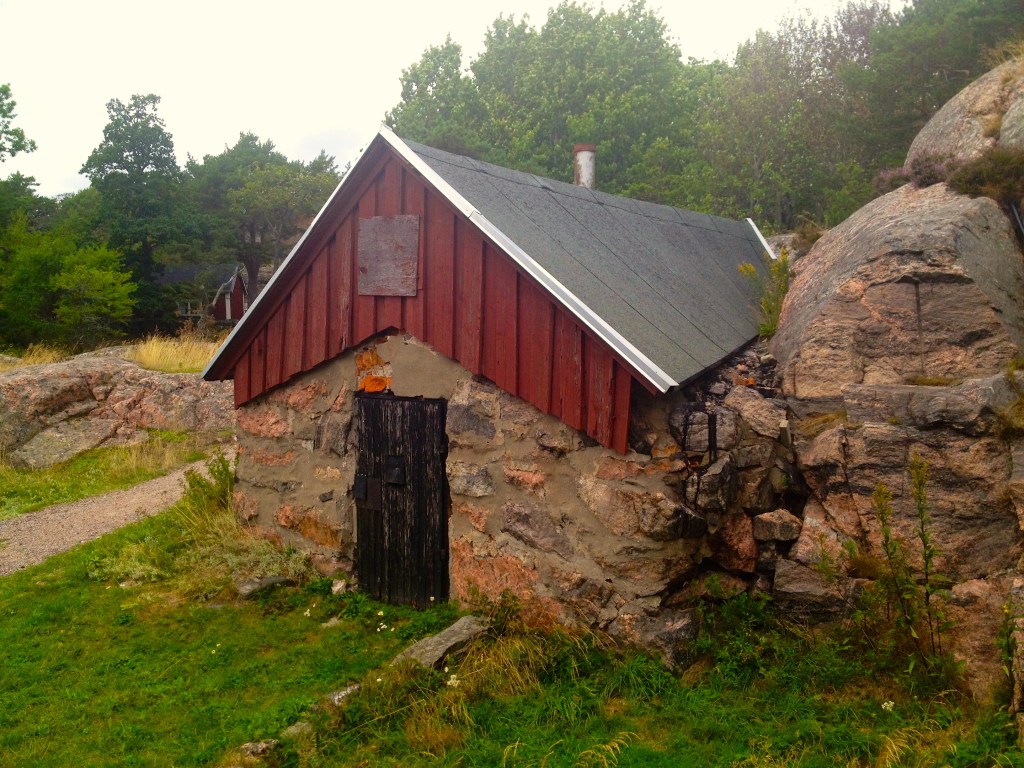
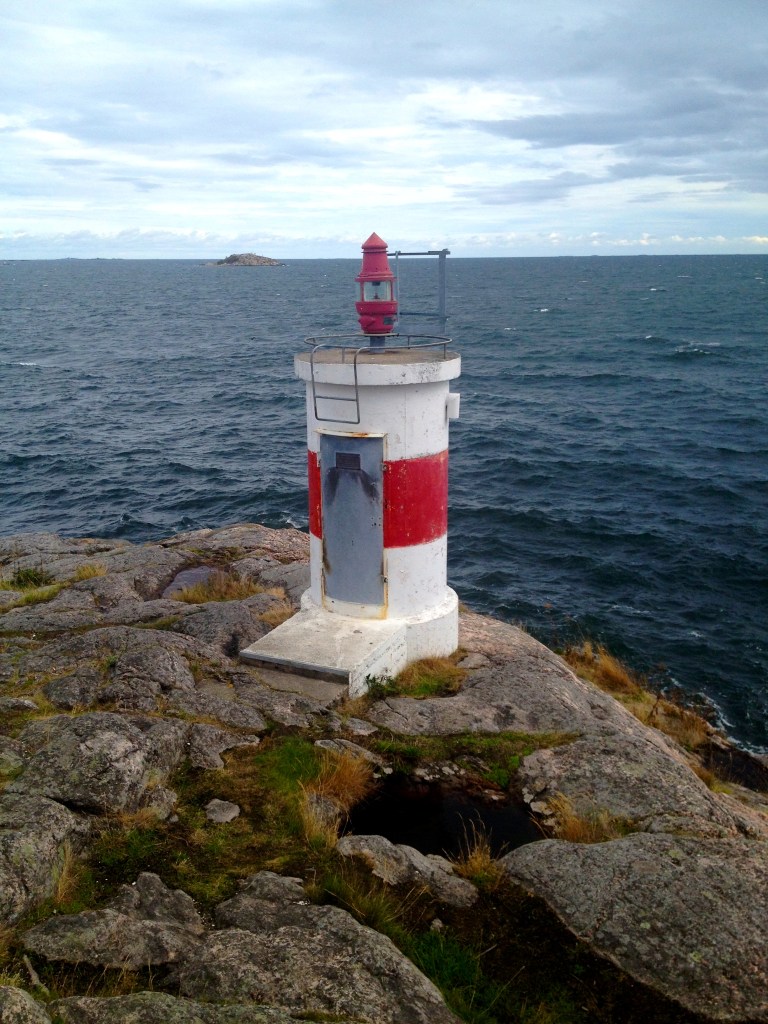


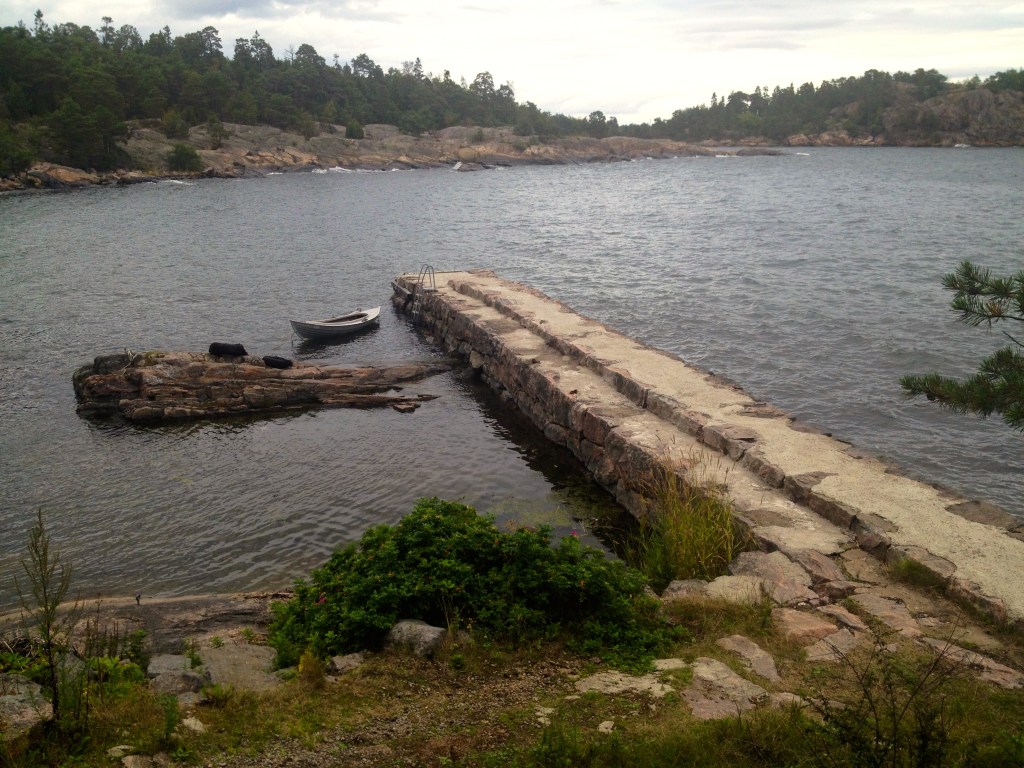



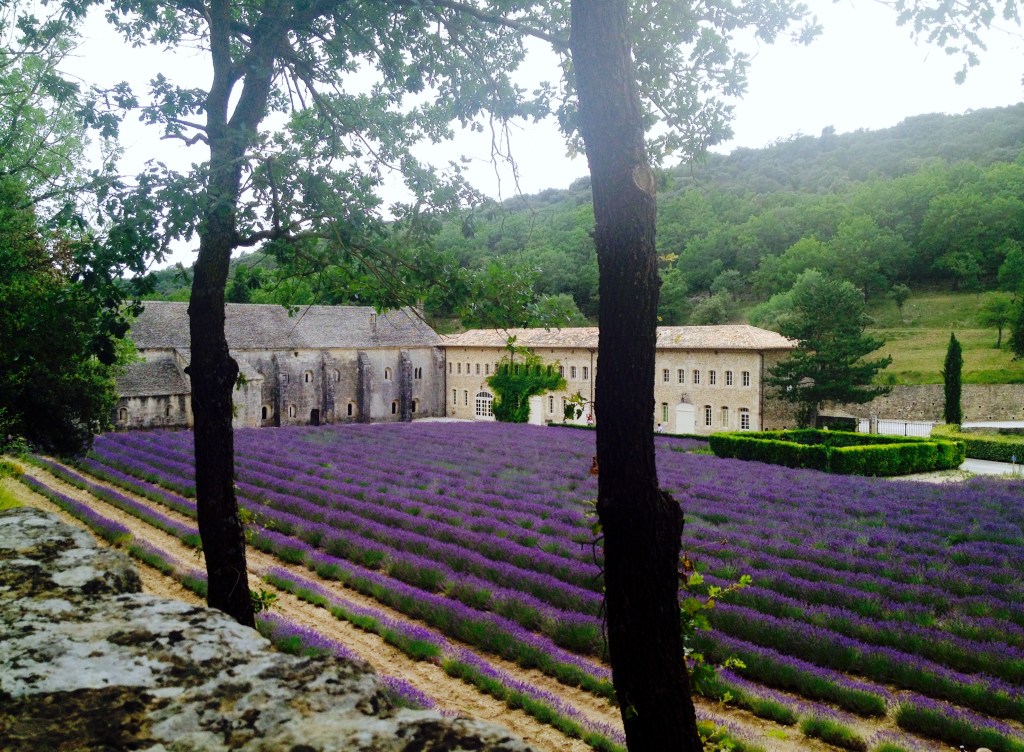


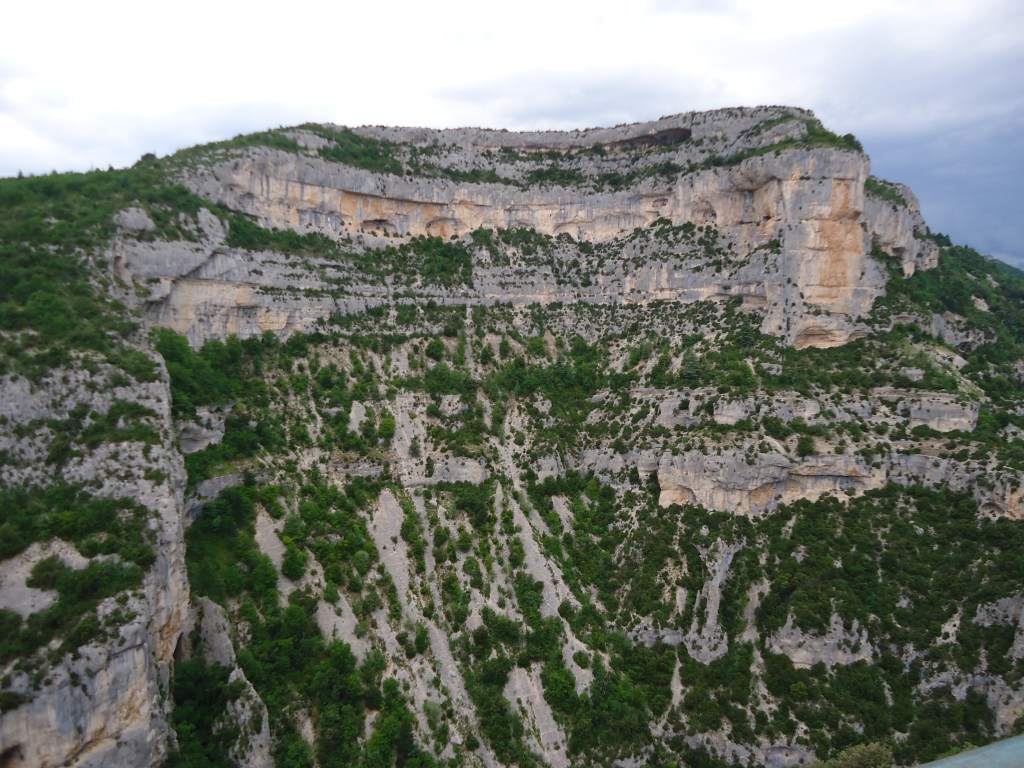
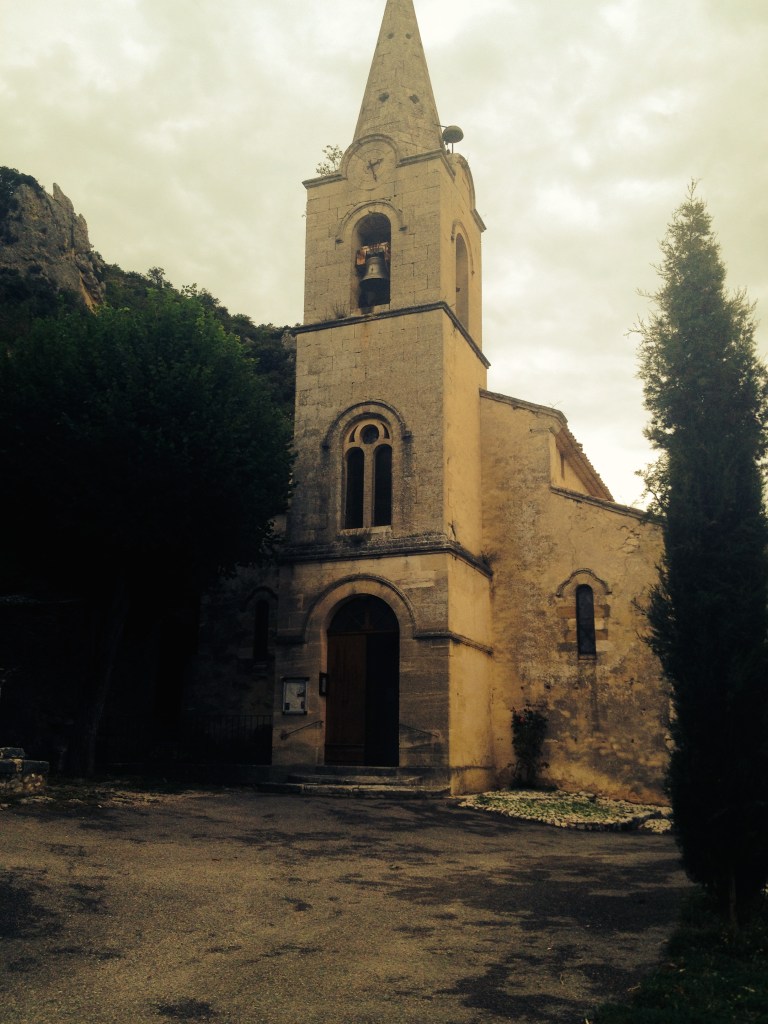


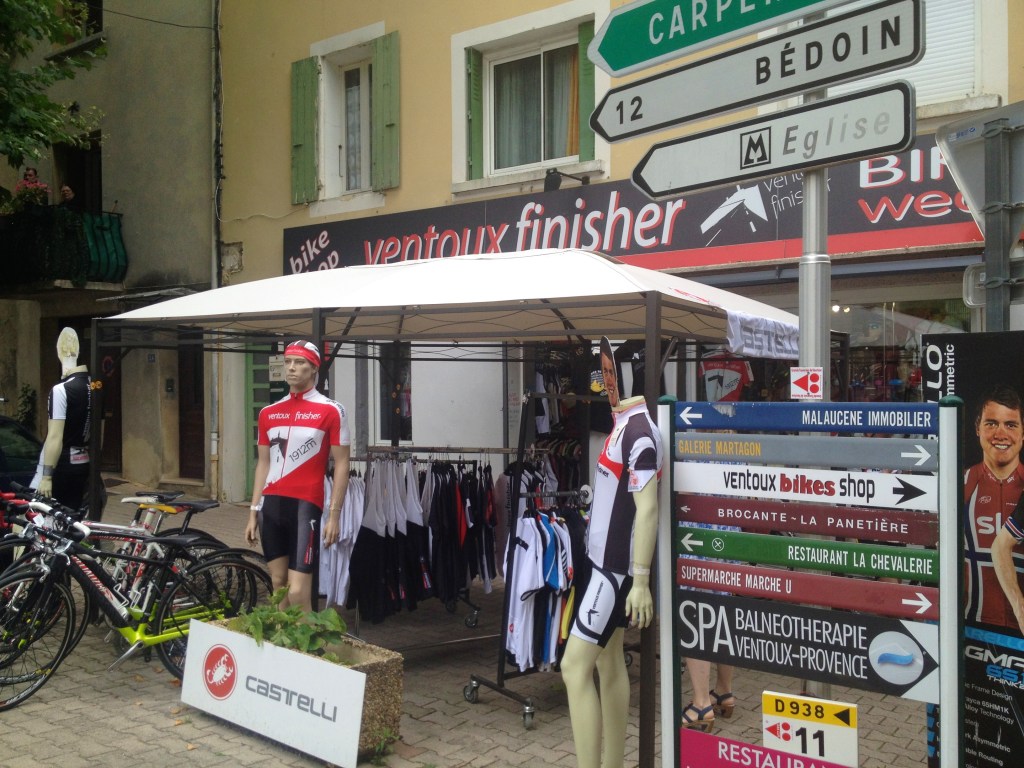




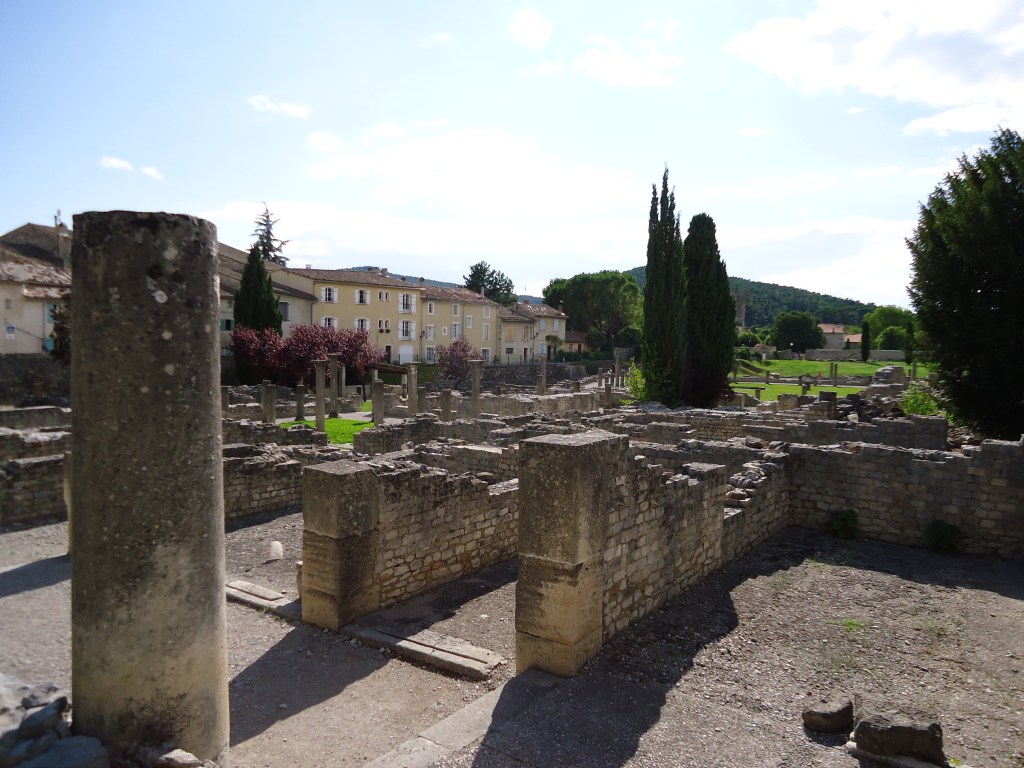


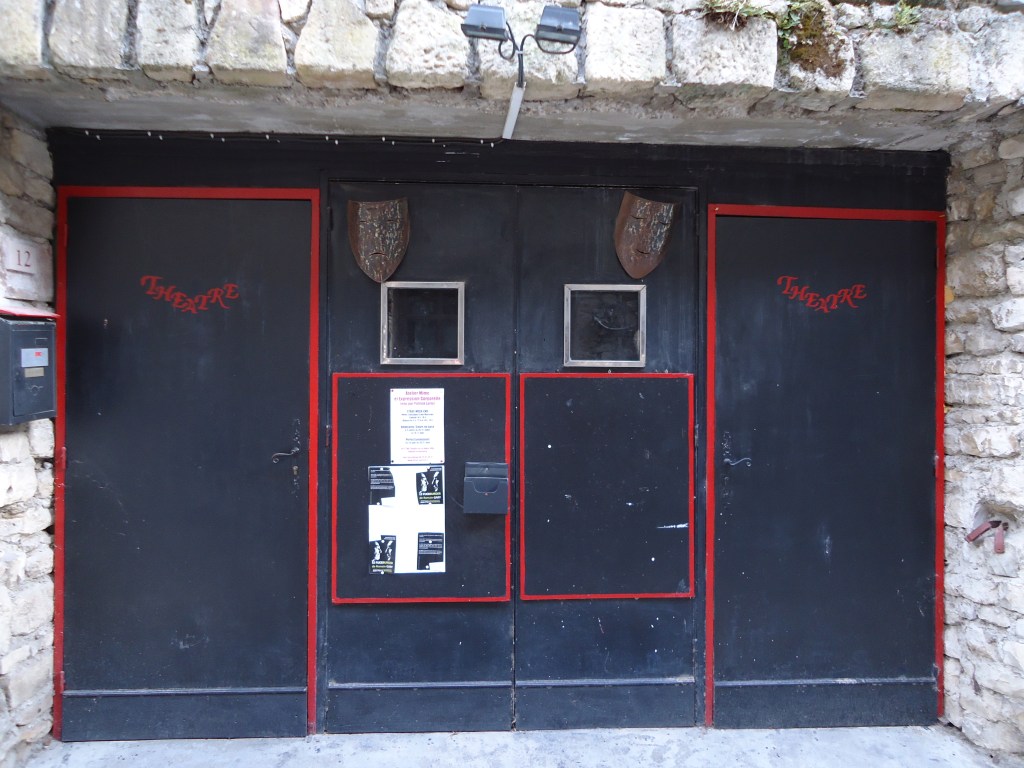


 Spegling i vatten
 Blomman’s Art and Poetry


