Tag: History

  • Teatervandringar på Ljungs slott: En unik historisk upplevelse

    Teatervandringar på Ljungs slott: En unik historisk upplevelse

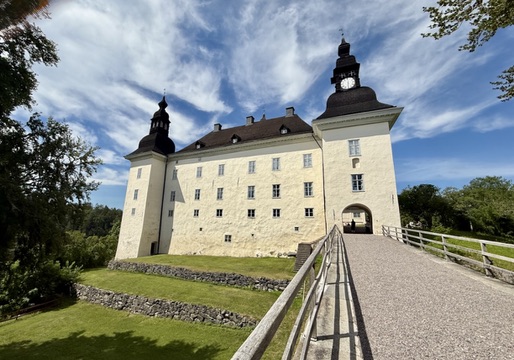
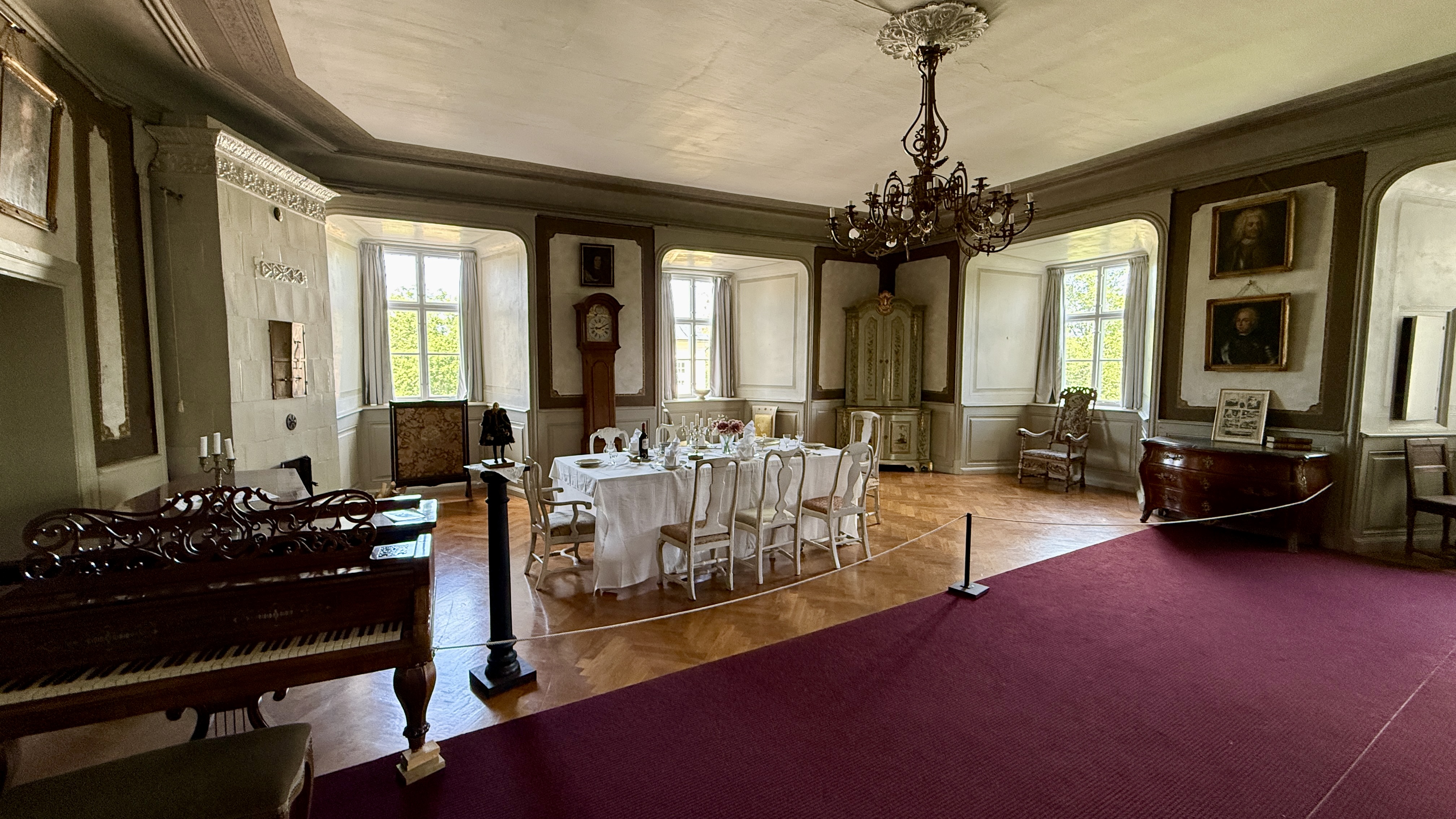
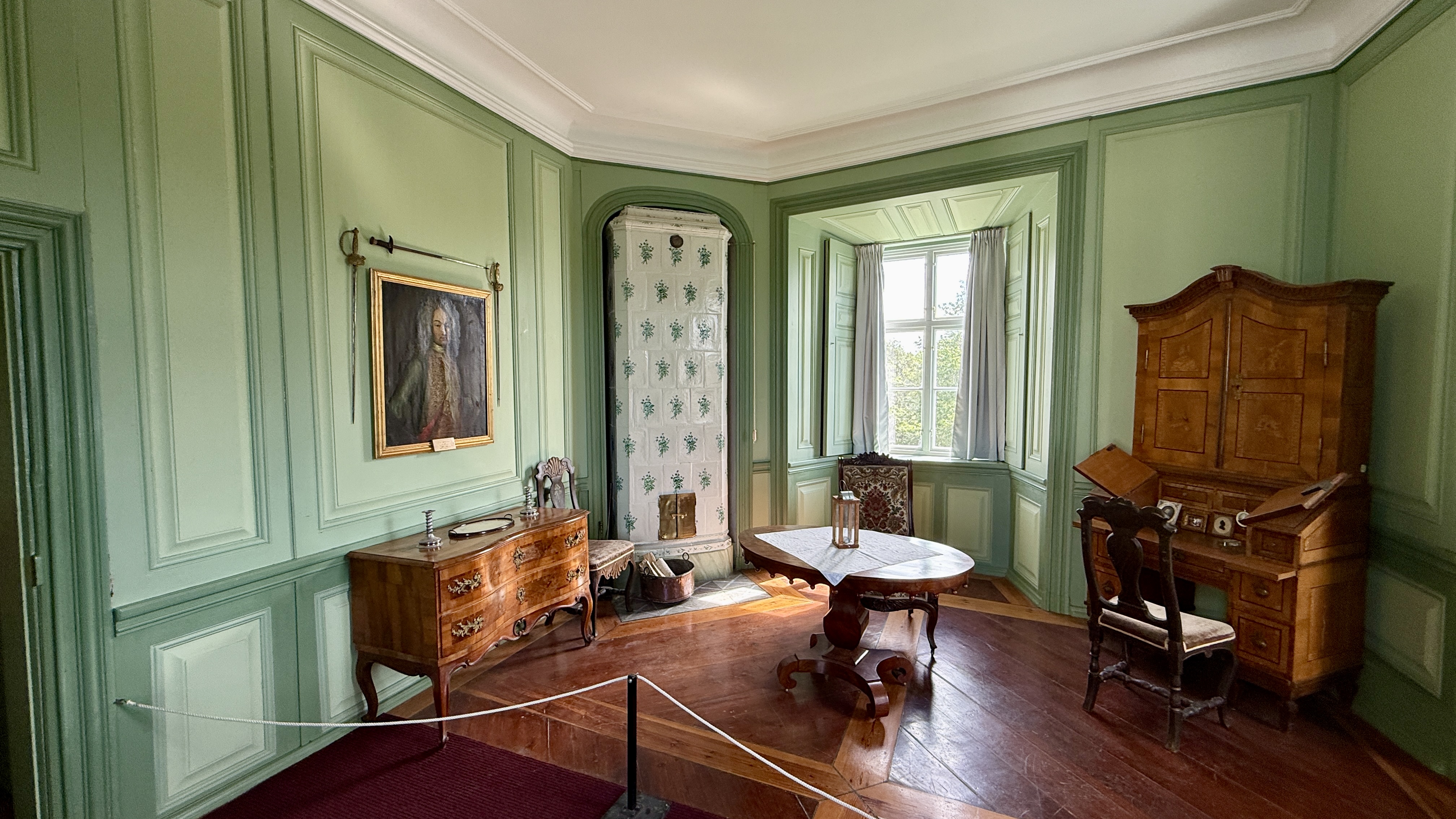
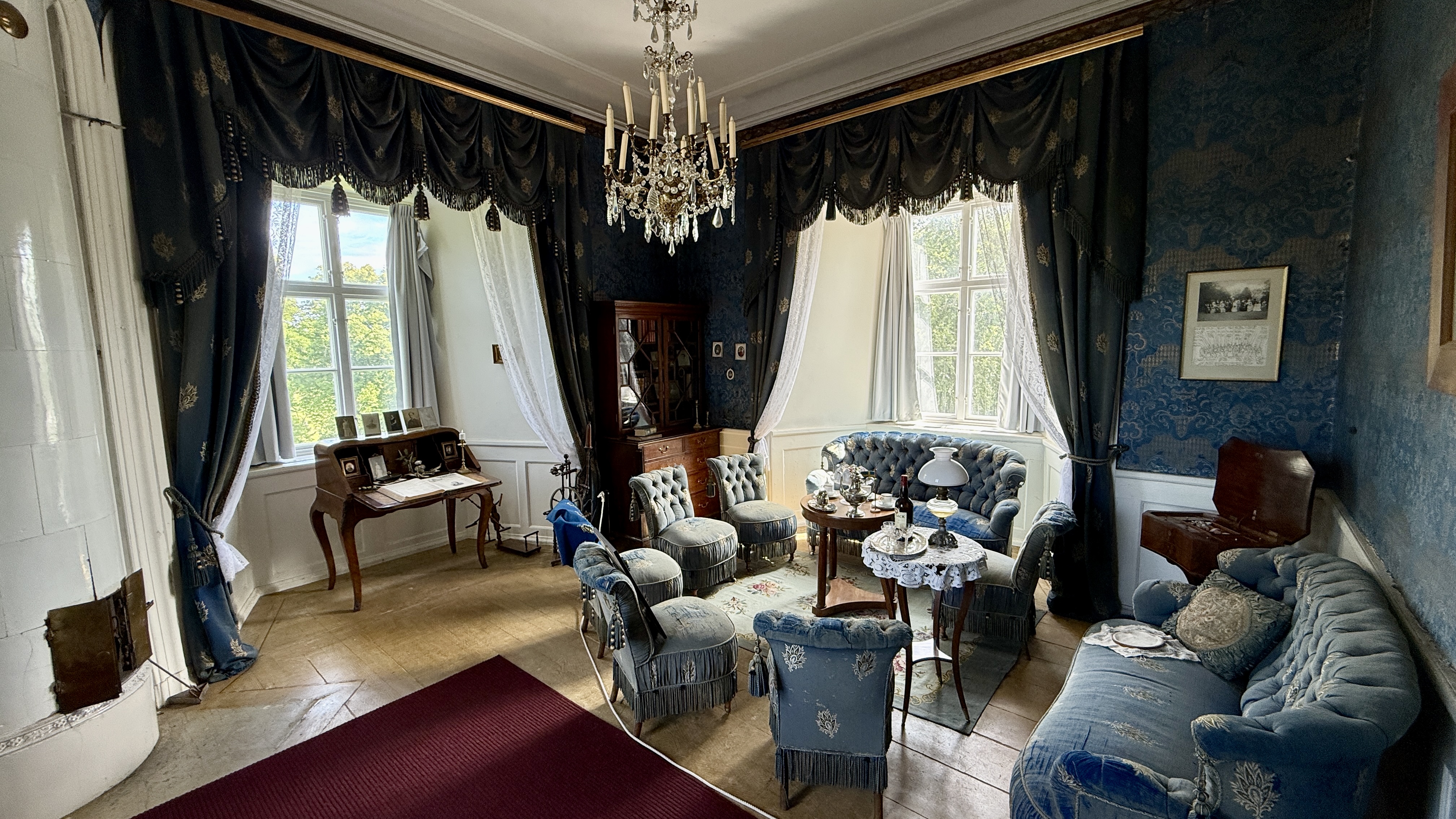
    Texten bygger på en tidigare engelsk version, nu bearbetad och återgiven på svenska. For the original English text, see [Theatrical Tours at Ljungs Castle: A Unique Historical Experience].

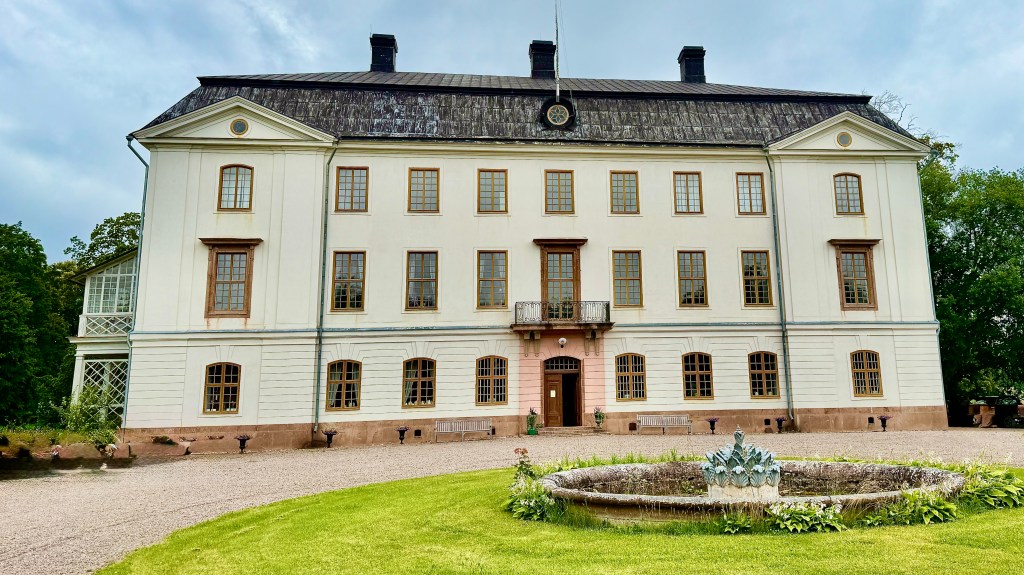
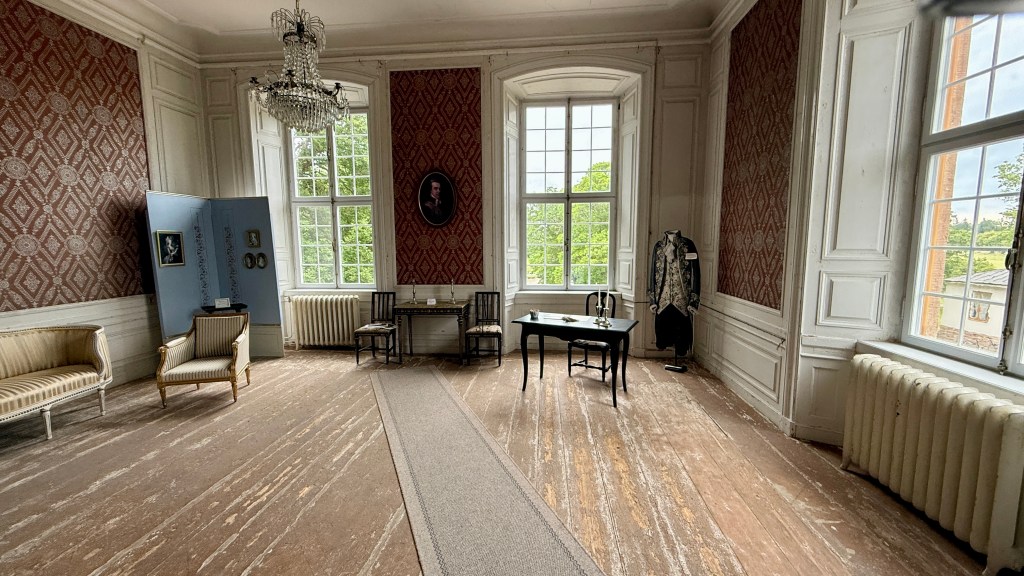
    Ljungs slott


    Avslutning

    1. Jean Eric Rehn (1717–1793) var en central gestalt inom svensk arkitektur under gustaviansk tid. Han förde övergången från lekfull rokoko till stramare nyklassicism inspirerad av antikens ideal. Efter studier i Paris blev han hovintendent och professor vid Konstakademien, och hans stil kom att prägla den gustavianska estetiken. ↩︎
    2. Axel von Fersen den äldre (1719–1794) var greve, militär och diplomat. Han var ambassadör i Frankrike och medlem av riksrådet. Som en ledande företrädare för hattpartiet drev han en profransk, monarkistisk politik. Han var far till Axel von Fersen den yngre. ↩︎
    3. Gustaviansk stil är den svenska tolkningen av fransk nyklassicism under Gustav III:s tid (ca 1770–1810). Ljusa färger, raka linjer och klassiska motiv som urnor och band präglar stilen, som förenar enkelhet och elegans. ↩︎
    4. Axel von Fersen den yngre (1755–1810) var adelsman och officer med internationell karriär. Han umgicks i franska hovet och blev nära vän med Marie Antoinette – ryktet säger även älskare. Han deltog i planeringen av kungafamiljens flykt under franska revolutionen och blev senare riksmarskalk i Sverige. Hans brev och dagböcker ger en unik inblick i 1700-talets Europa. ↩︎
  • Julita gård – en uppslukande historisk upplevelse

    Julita gård – en uppslukande historisk upplevelse


    Arthurs Bäckströms tid


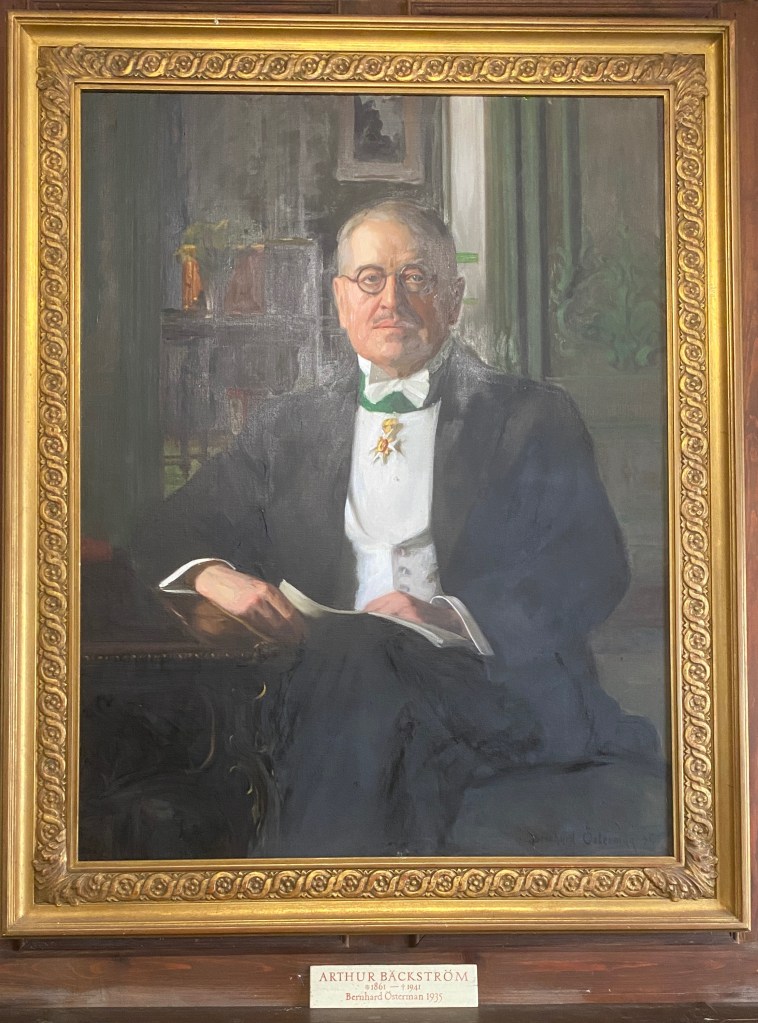
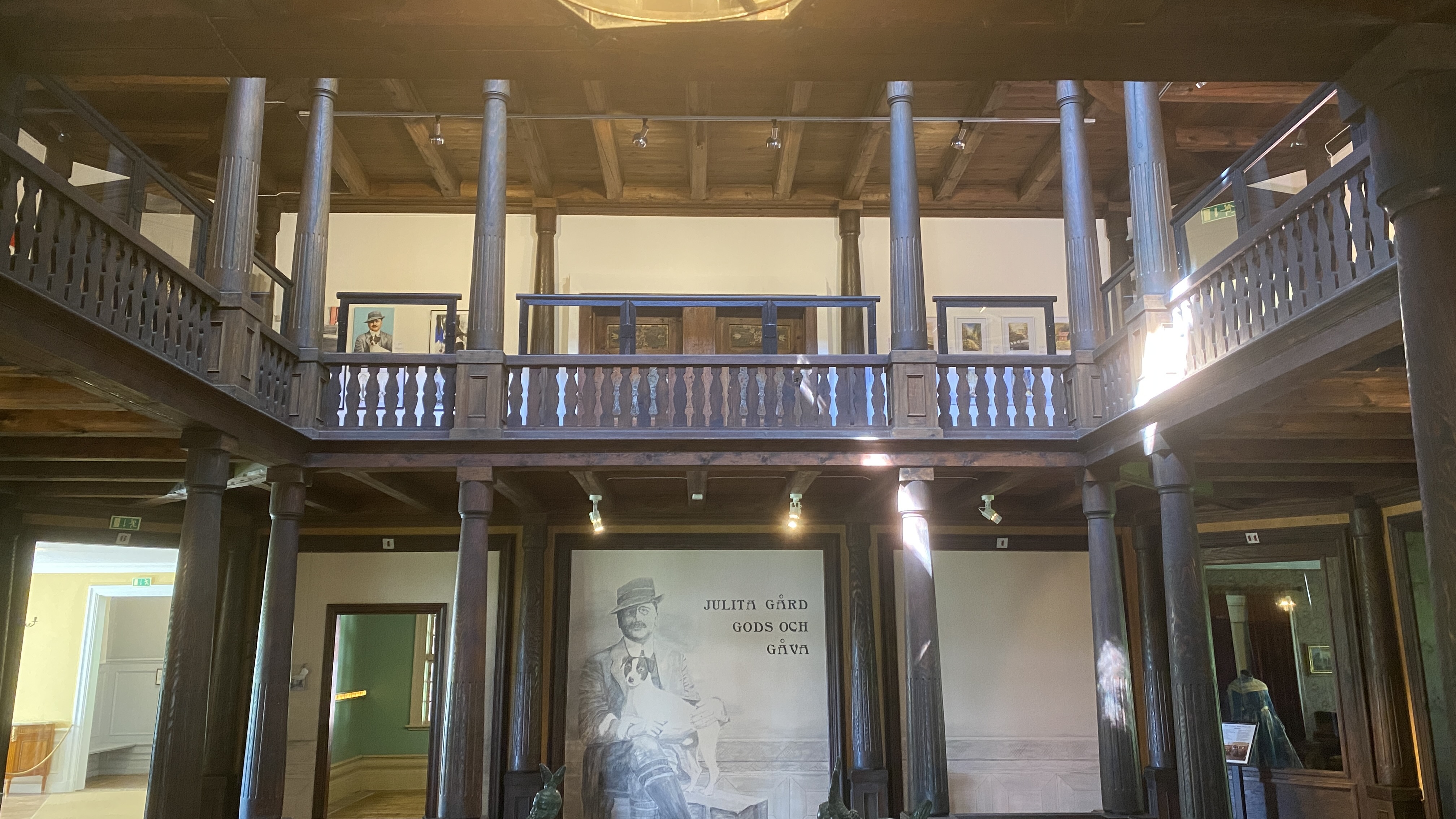
    Porträtt av Arthur Bäckström, målat av Bernhard Östergren 1935.

    Stora huset


    Henning Forsman


    Källor

    © Björn Blomqvist 2025-11-11

  • Modernistisk arkitektur i fokus: En fallstudie

    Modernistisk arkitektur i fokus: En fallstudie


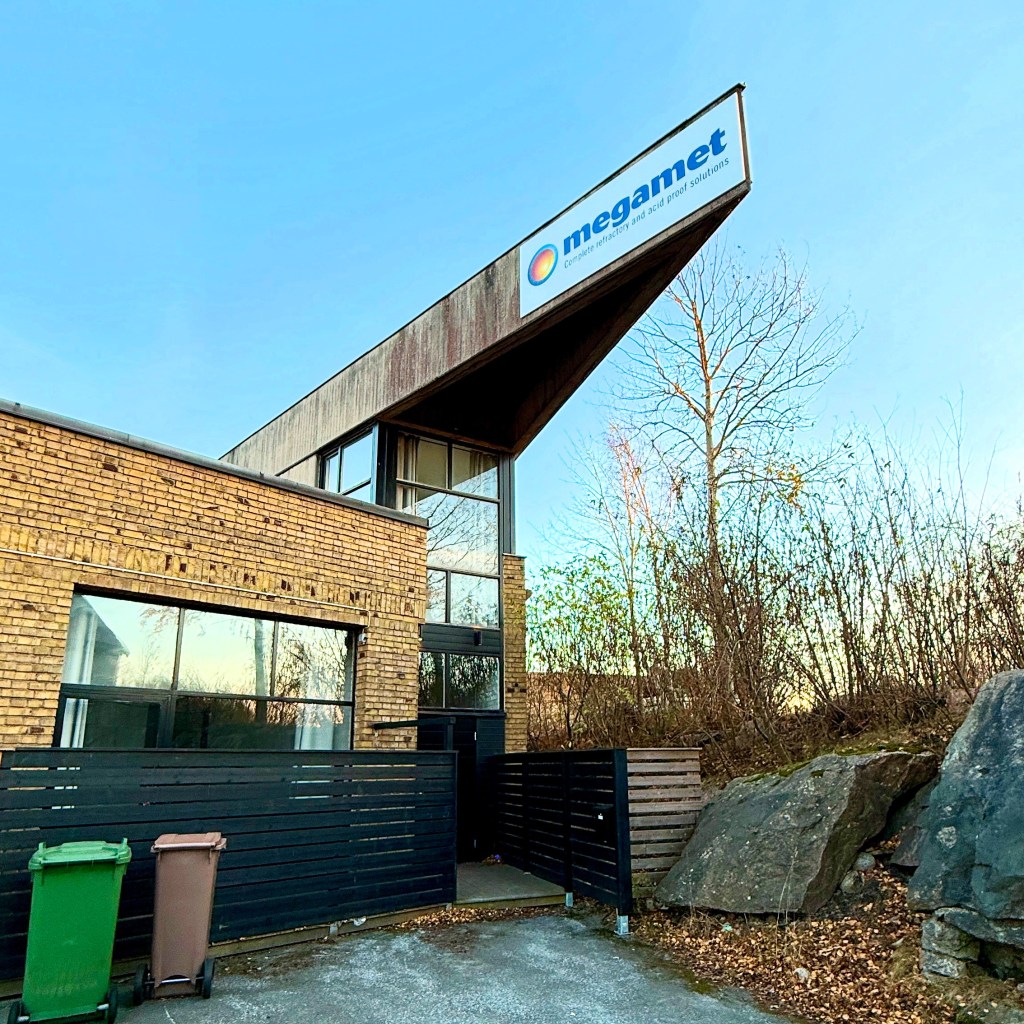
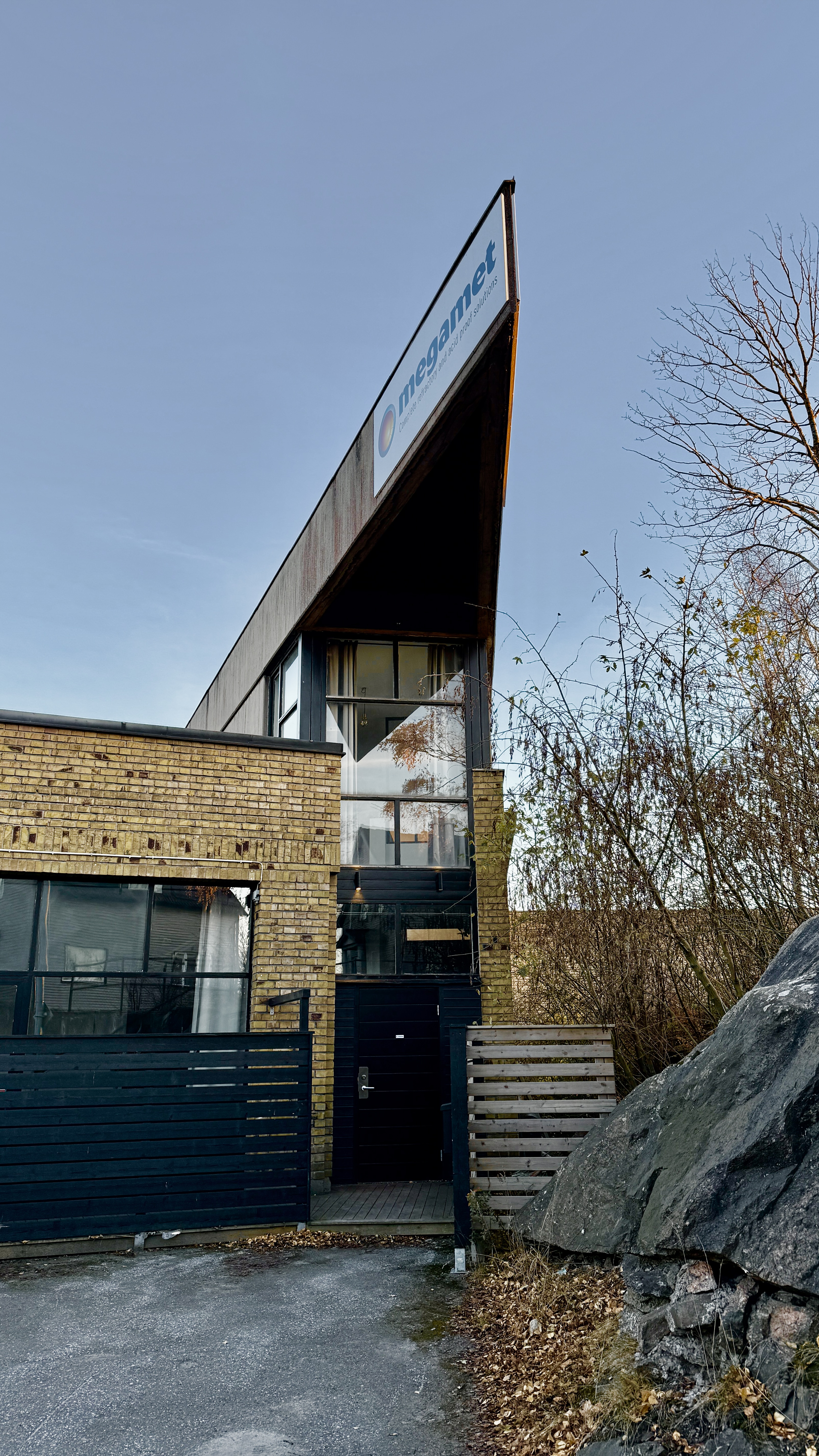
    En modern byggnad med en distinkt glasfasad och ett spetsigt tak, representativ för modernism och brutalism.

    1. Modernistisk arkitektur är den arkitekturstil som dominerade den västerländska världen mellan 1930- och 1960-talen. Den kännetecknas av ett analytiskt och funktionellt förhållningssätt till byggnadsdesign. Byggnader i denna stil präglas ofta av platta tak, öppna planlösningar, gardinfönster och minimal dekoration ↩︎
    2. Funktionalismen är en gren av modernismen som uppstod på 1920-talet. Arkitekterna fokuserade på byggnadsdesign utifrån funktion. Detta resulterade i släta, odekorerade fasader med platta tak och enkla geometriska former. ↩︎
    3. Brutalistisk arkitektur blomstrade under 1950- och 1960-talen. Den drevs av en strävan efter funktionalitet och betonade också ärlighet i materialanvändningen. Stilen kännetecknas av råa betongytor, exponerade bärande element och ofta enorma proportioner. Brutalismens charm ligger i avsaknaden av utsmyckning ↩︎
  • Upptäck Stora Sundby Slott: En Tidsresa

    Upptäck Stora Sundby Slott: En Tidsresa

    Stora Sundby skott


  • Four Steps to Effective Art Analysis

    Four Steps to Effective Art Analysis


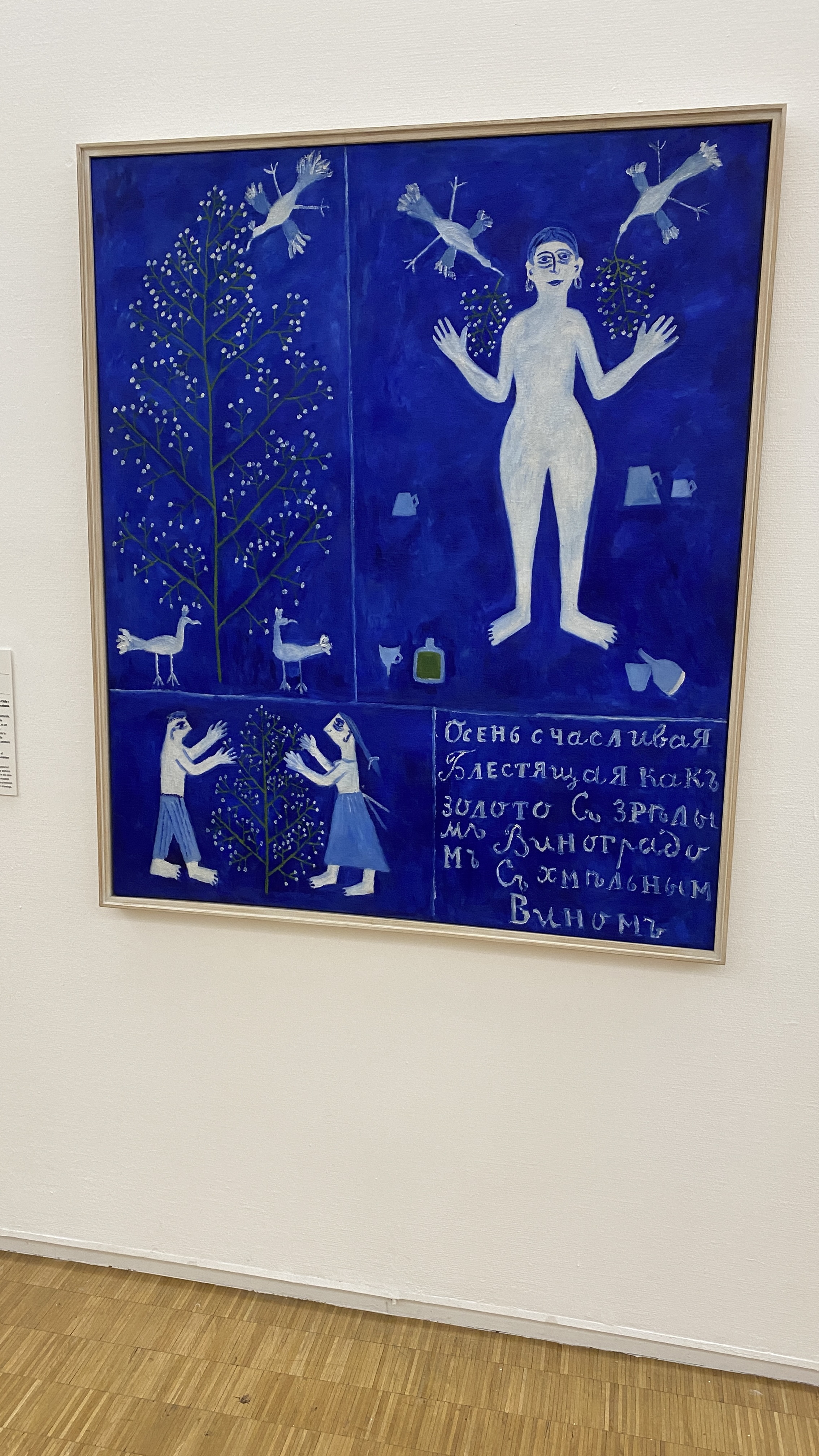
    Autumn, (1912) – Mikhail Larionov

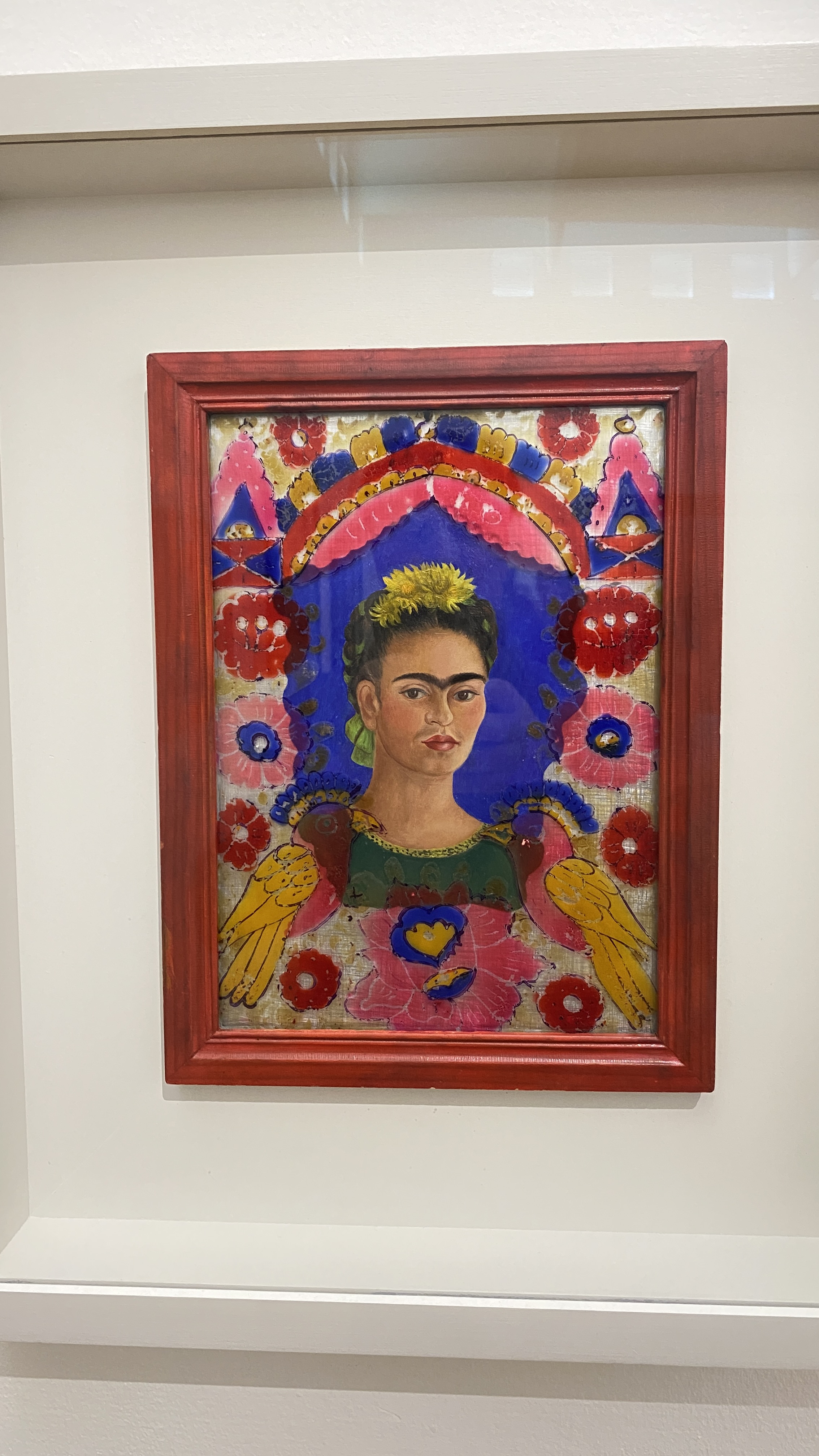
    The Frame (1938) – Frida Kahlo

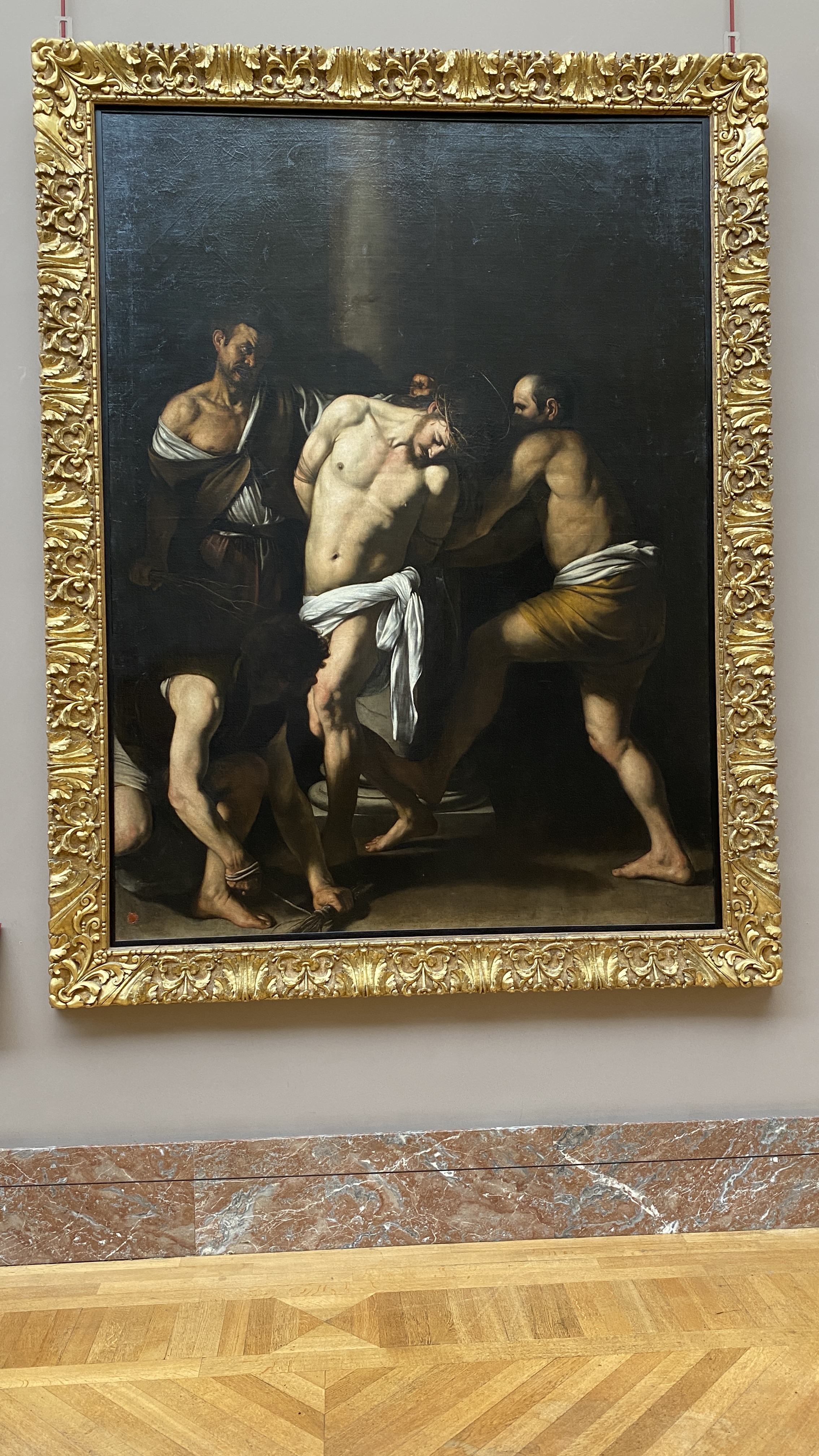
    The Flagellation of Christ (1607) - Caravaggio
    The Flagellation of Christ (1607) – Caravaggio

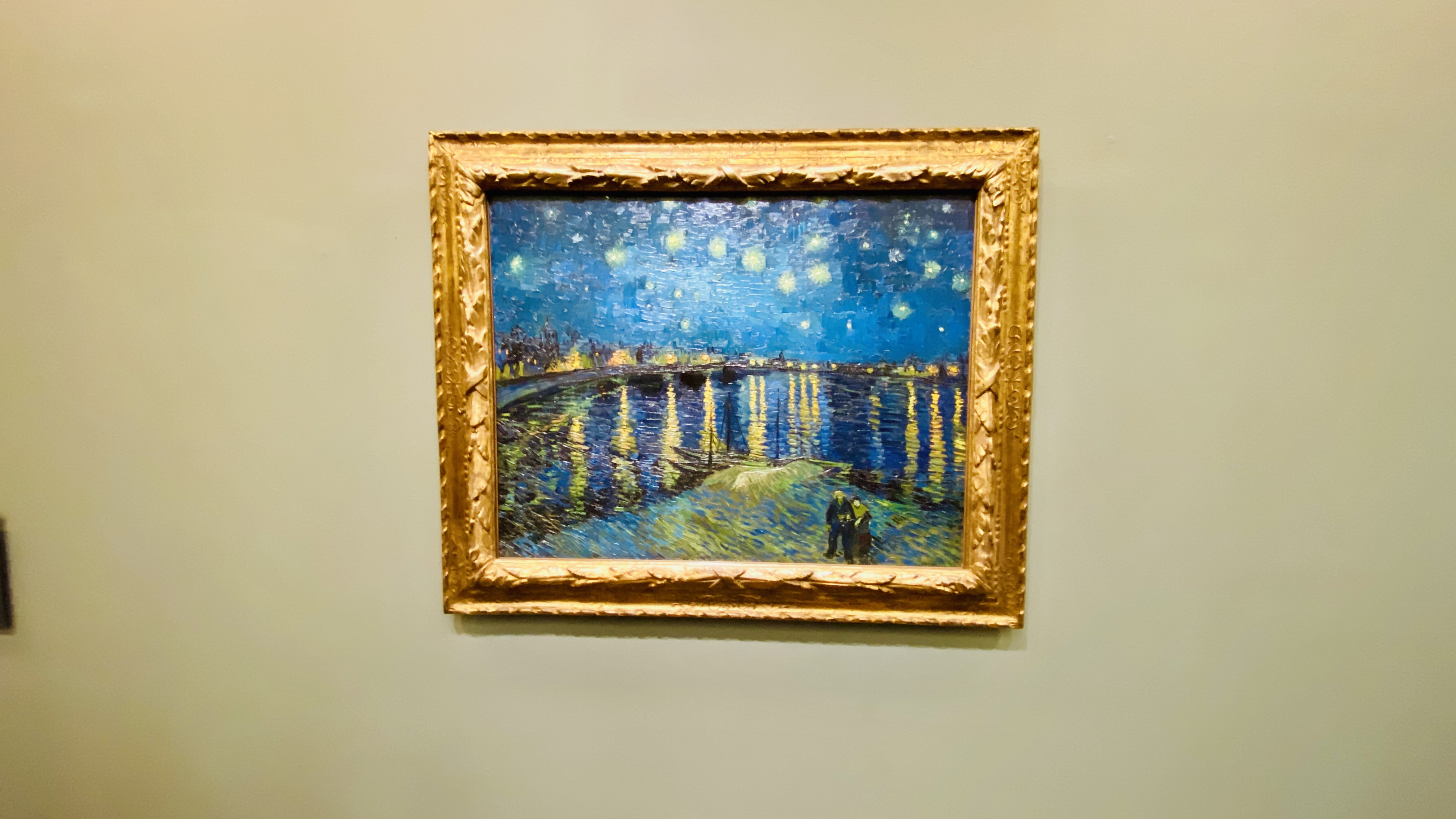
    Starry Night Over the Rhône (1888) – Vincent van Gogh

  • U-turn back in time in double meaning - Part ⓸

    U-turn back in time in double meaning - Part ⓸


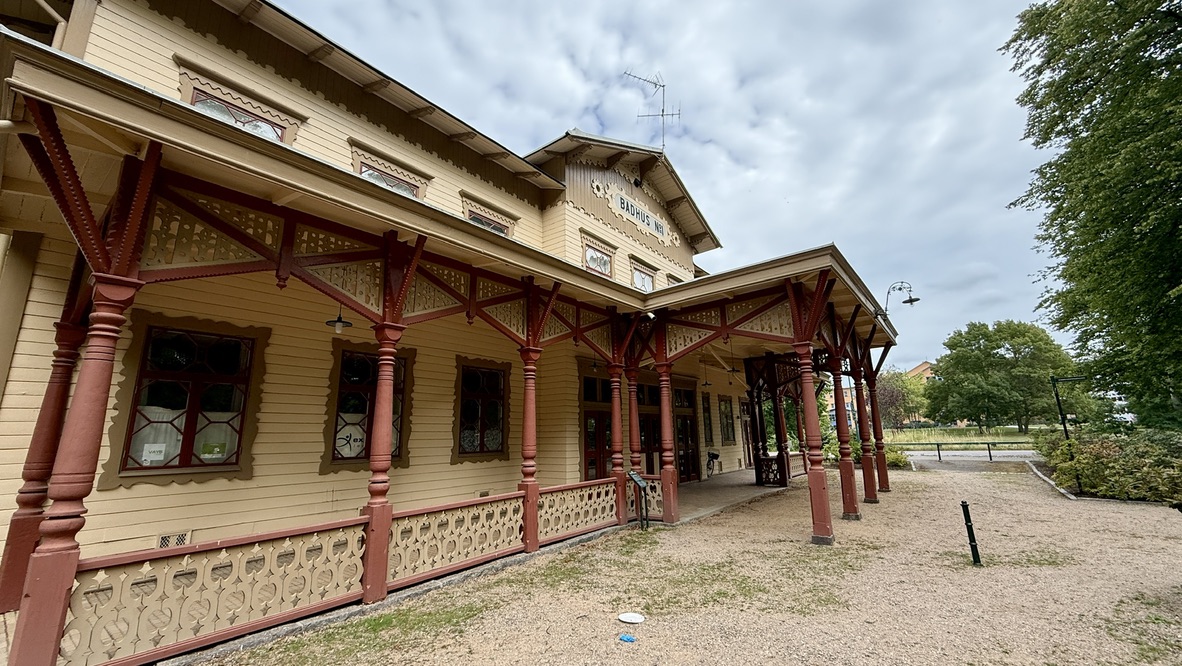
    The historic Ronneby Brunn building’s facade, adorned with architectural details and surrounded by lush greenery, exudes a sense of grandeur.
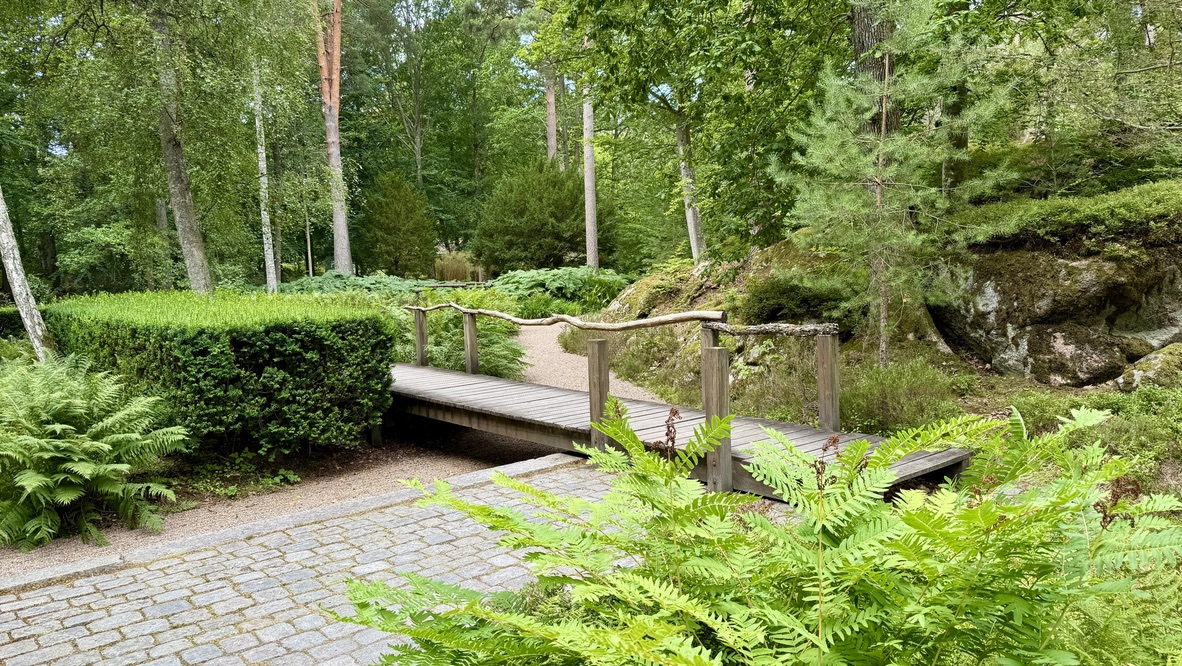
    A tranquil wooden bridge, nestled amidst the verdant greenery of Brunnsparken, a historical park in Ronneby, offers a serene escape.

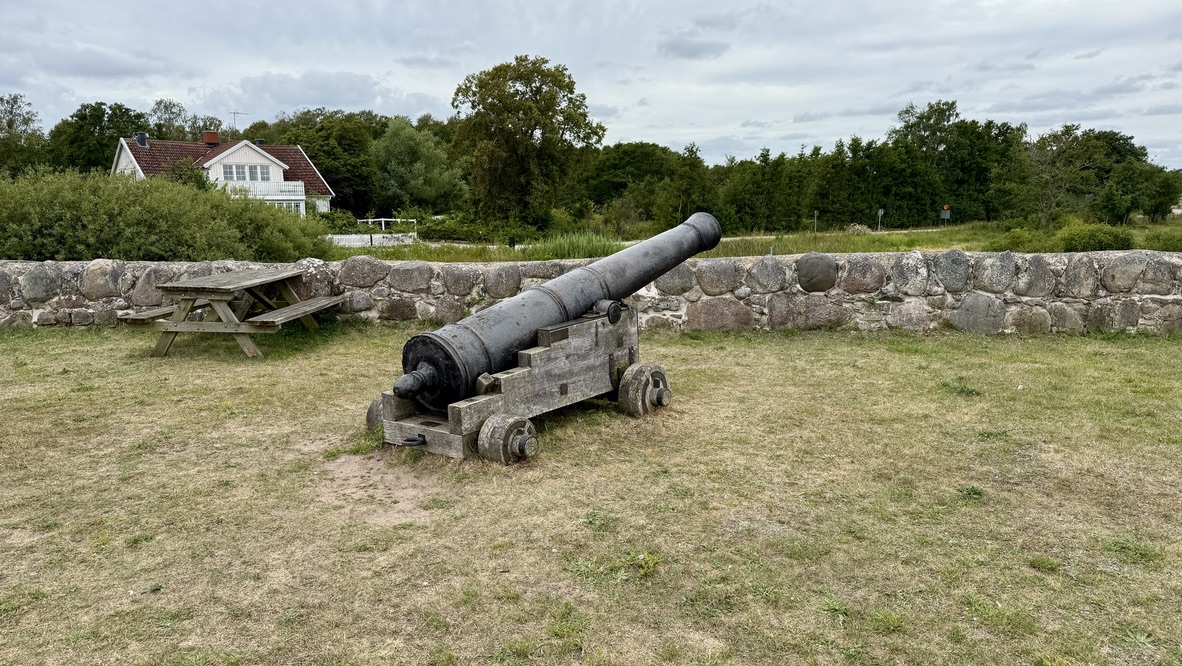
    An old cannon is on display in Kristianopel. It serves as a testament to the town’s historical significance as a former border stronghold.
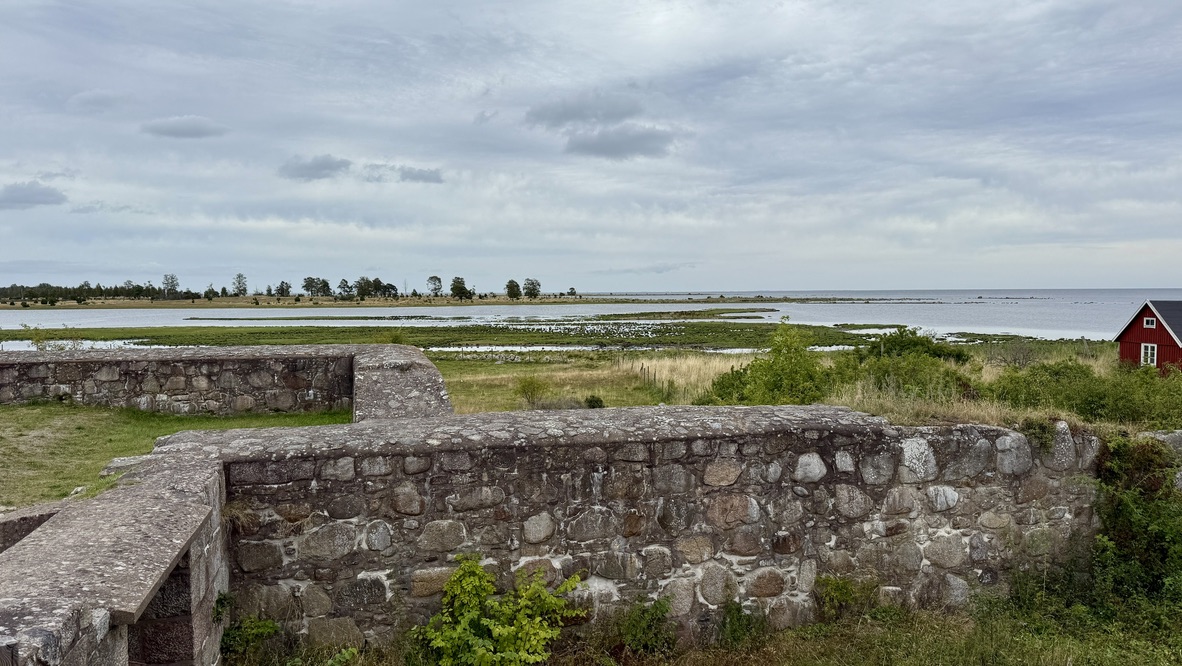
    Kristianopel offers a tranquil view of its coastal beauty and historical significance, as reflected in the serene landscape.
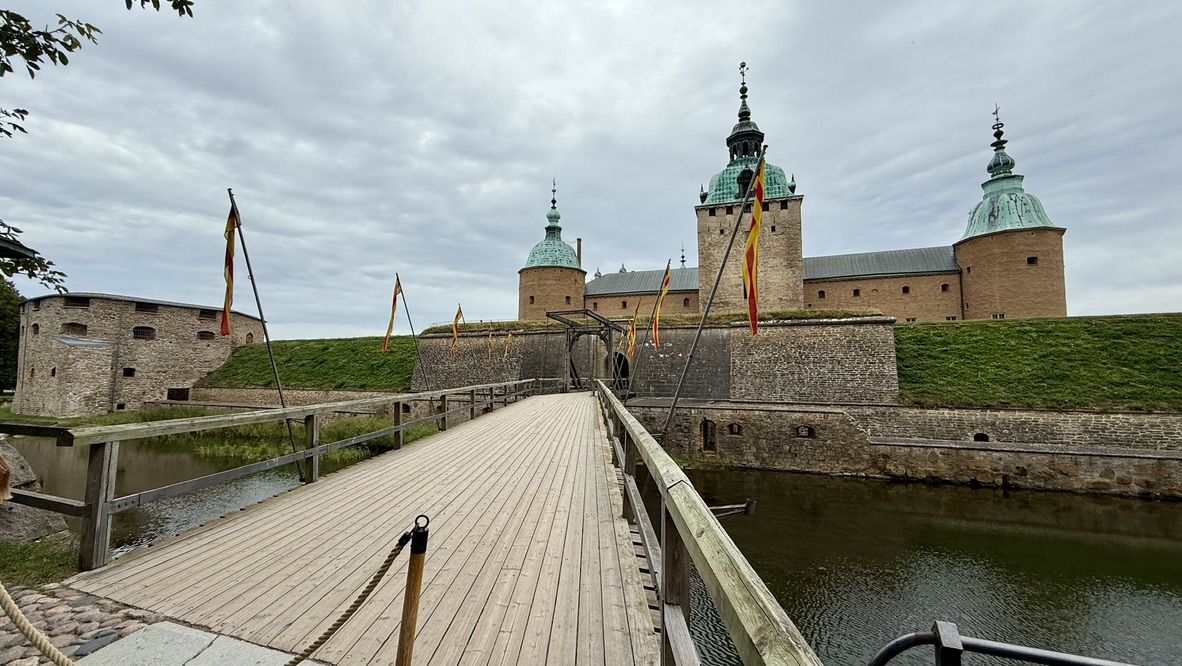
    Kalmar Castle, a stunning example of impressive architecture and historical significance, stands as one of Sweden’s best-preserved Renaissance castles.

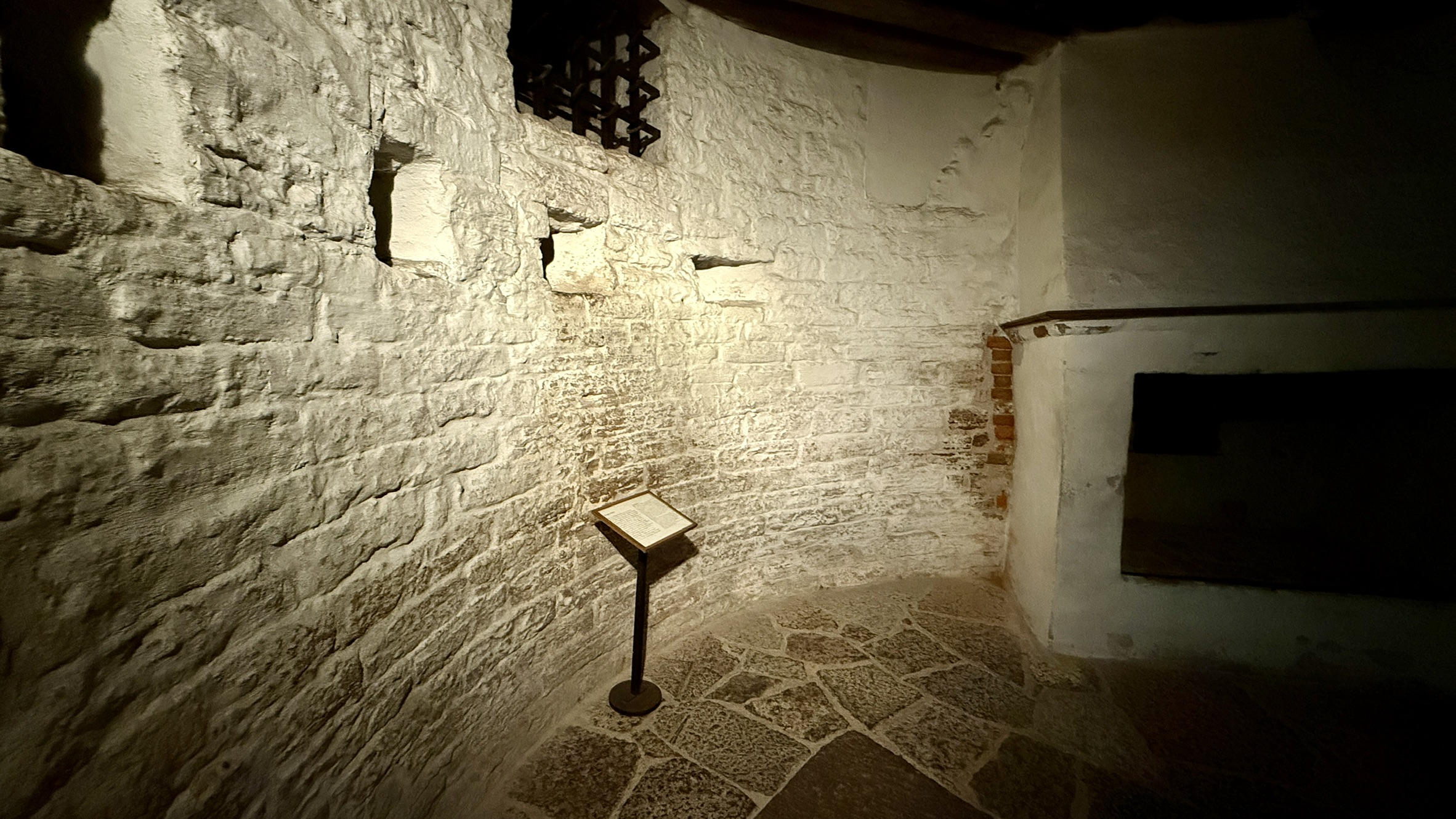
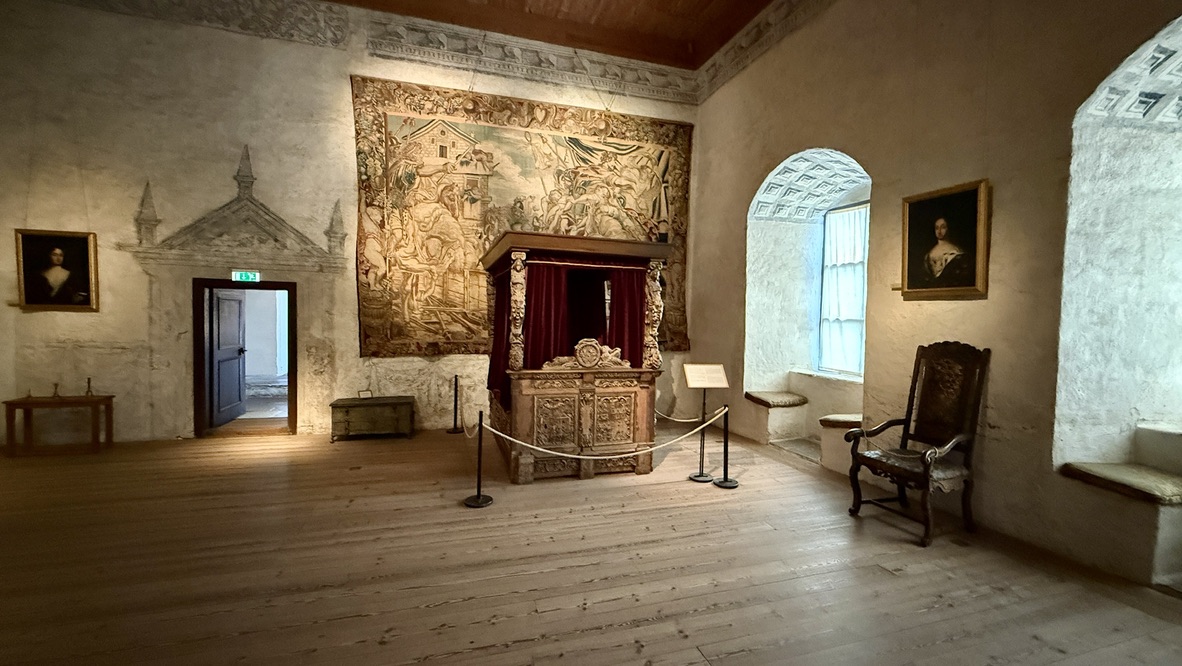
    Discover the historic interiors of Kalmar Castle, where medieval architecture and rich heritage come alive.
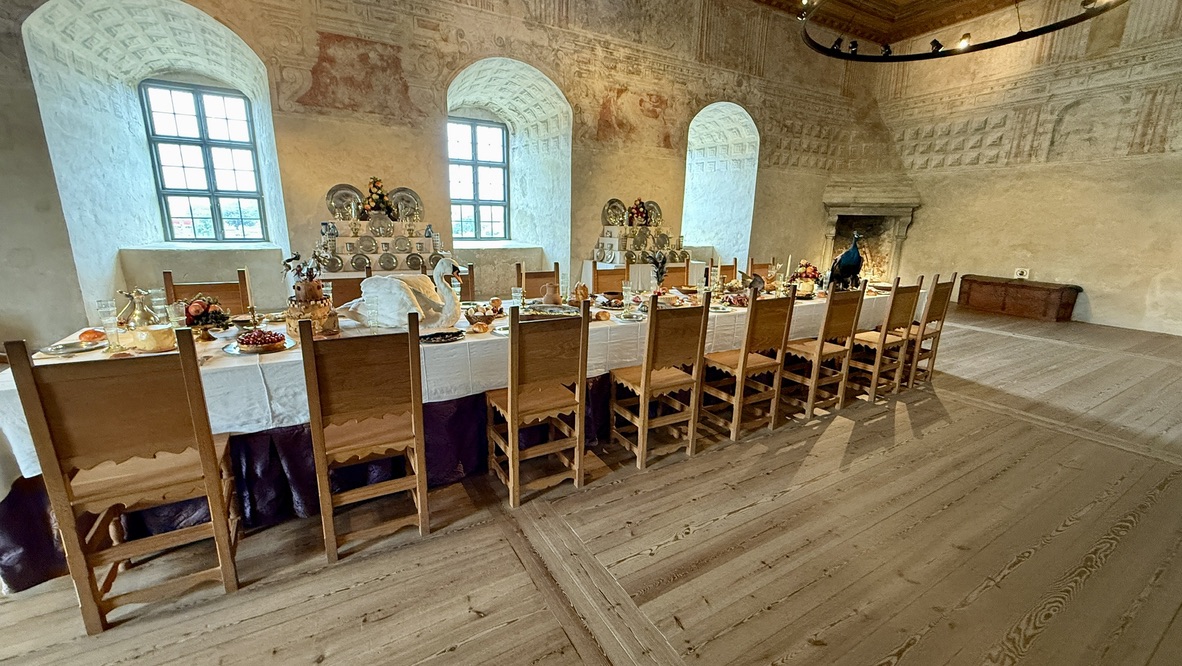
    The dining hall of Kalmar Castle is adorned with a long table set for a grand feast. It stands as a testament to the castle’s historical significance. It was a prestigious venue for kings and dignitaries. This reflects the castle’s role as a center of power and influence.

    © Björn Blomqvist 2025-09-30

  • U-turn back in time in double meaning - Part ⓷

    U-turn back in time in double meaning - Part ⓷

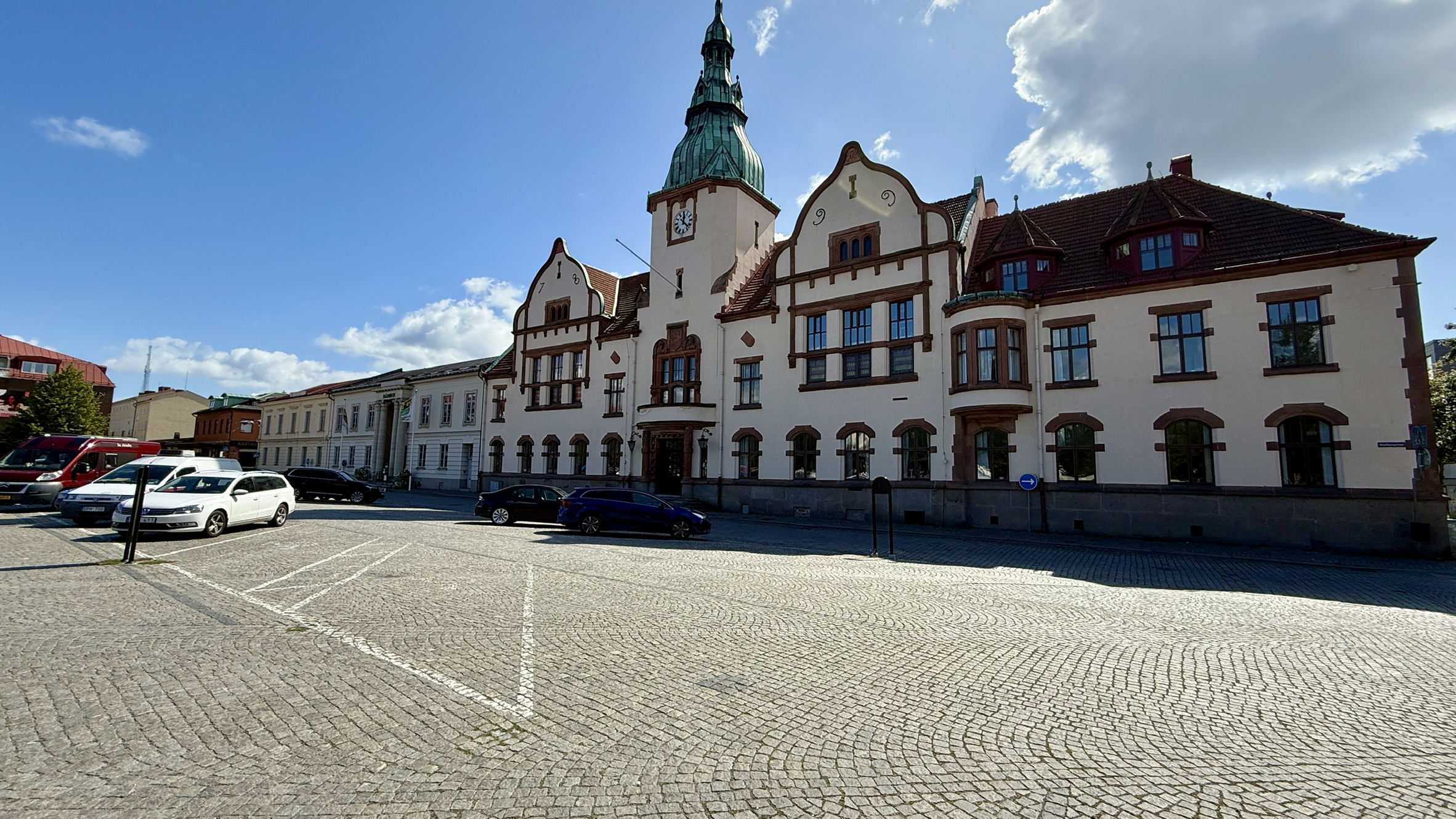
    Karlshamn’s historic town hall, with its charming architecture and enduring presence, stands as a testament to the town’s rich heritage.
    The interior of a historical grocery store exudes a nostalgic charm, reminiscent of the 18th century. Traditional pottery and kitchenware adorn the walls, creating an ambiance that transports visitors back in time.
    Skottbersgska gården, a well-preserved historical shop, showcases artifacts and furniture from its trading days between 1766 and 1945.
    The museum in Karlshamn showcases a collection of vintage typewriters, highlighting the city’s rich history in typewriter manufacturing.
    This nostalgic exhibit showcases the local dairy heritage in Karlshamn through a collection of butter packaging and dairy products.
    Inside the historic punch museum in Karlshamn, visitors can explore artifacts and tools that reflect the city’s rich beverage-making heritage.

  • U-turn back in time in double meaning - Part ⓶

    U-turn back in time in double meaning - Part ⓶

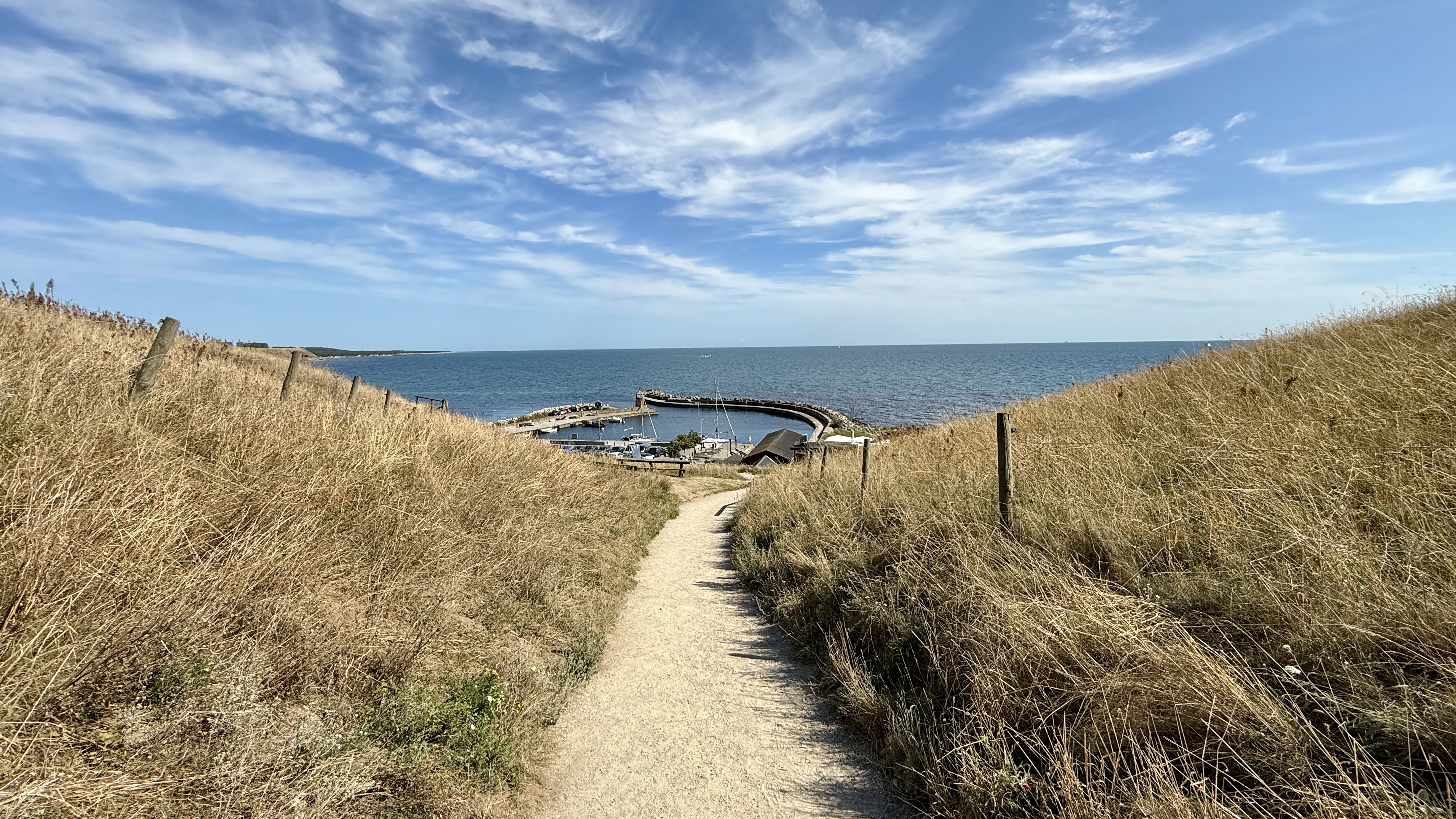
    The journey continues to Kåseberga, where the landscape meets the sea, and history’s winds blow. At Ales stenar, we discover Sweden’s largest presterade ship setting, a place steeped in myth and archaeology. The trip along the coast takes us to Simrishamn. We then head to Karlshamn. In these places, memories and the scent of the sea linger in the air.

    This close-up image showcases one of the standing stones at Ales stenar, Sweden’s largest preserved ship setting. Dating back to the Vendel period, this ancient monument offers a glimpse into the maritime history of the region.
  • U-turn back in time in double meaning - Part ⓵

    U-turn back in time in double meaning - Part ⓵

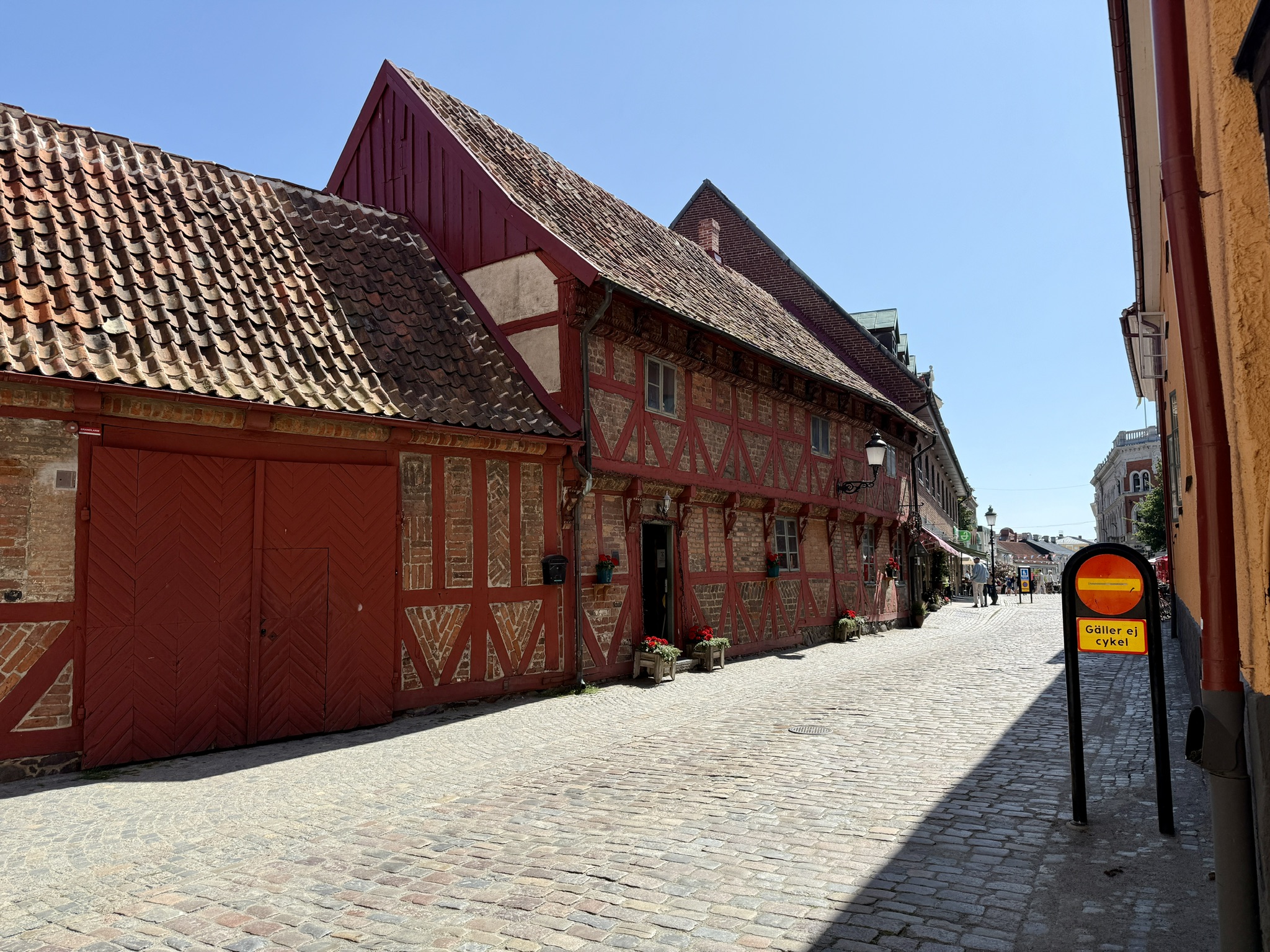
    The journey traverses southern Sweden, beginning at Gränna’s peppermint hills and culminating at the Brahehus ruins. It then proceeds to Ystad’s cobblestone streets and Ales stenar. This journey intricately weaves together landscapes, history, and the echoes of exploration.

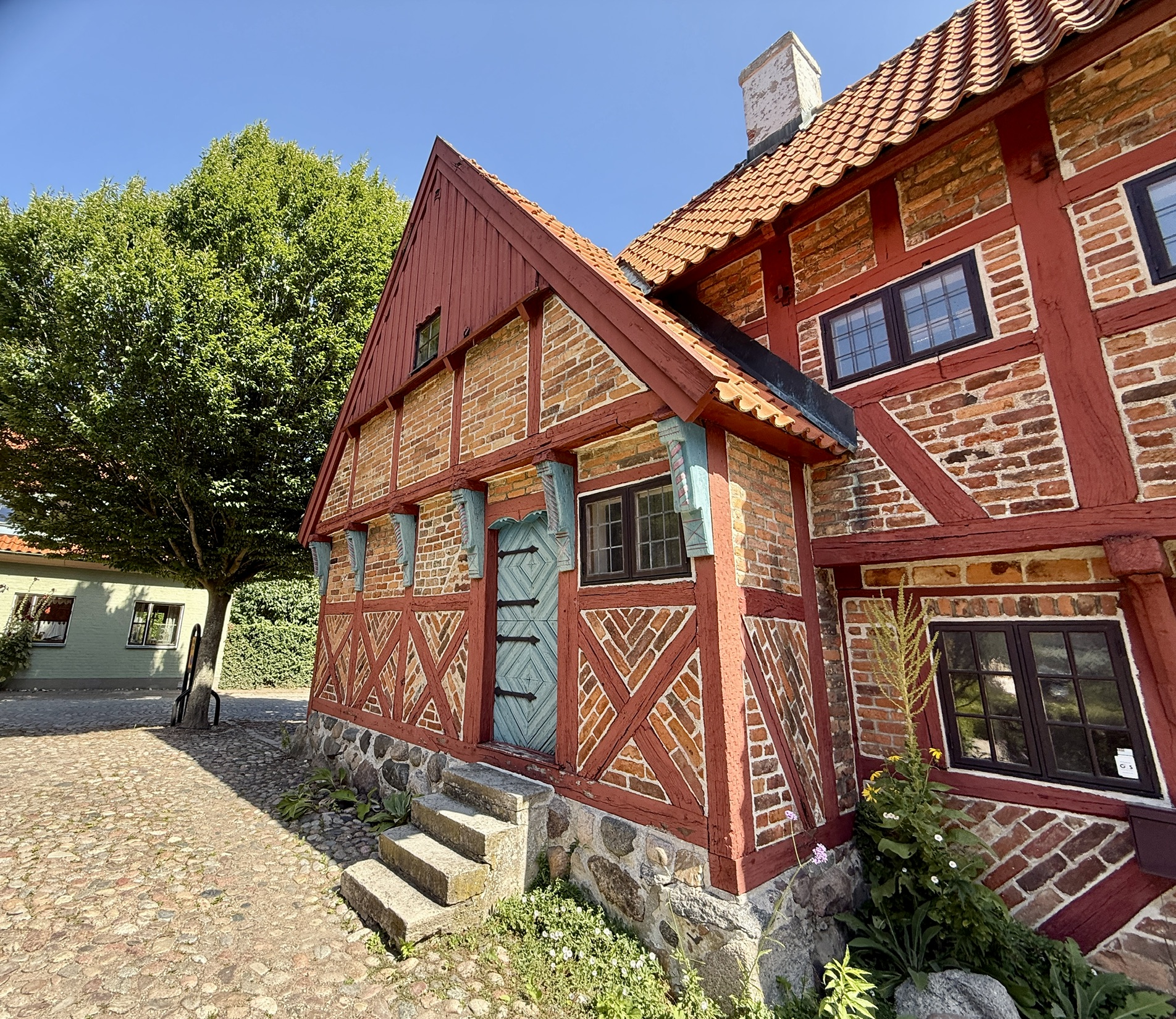
    This traditional half-timbered house in southern Sweden showcases the architectural charm of the region.
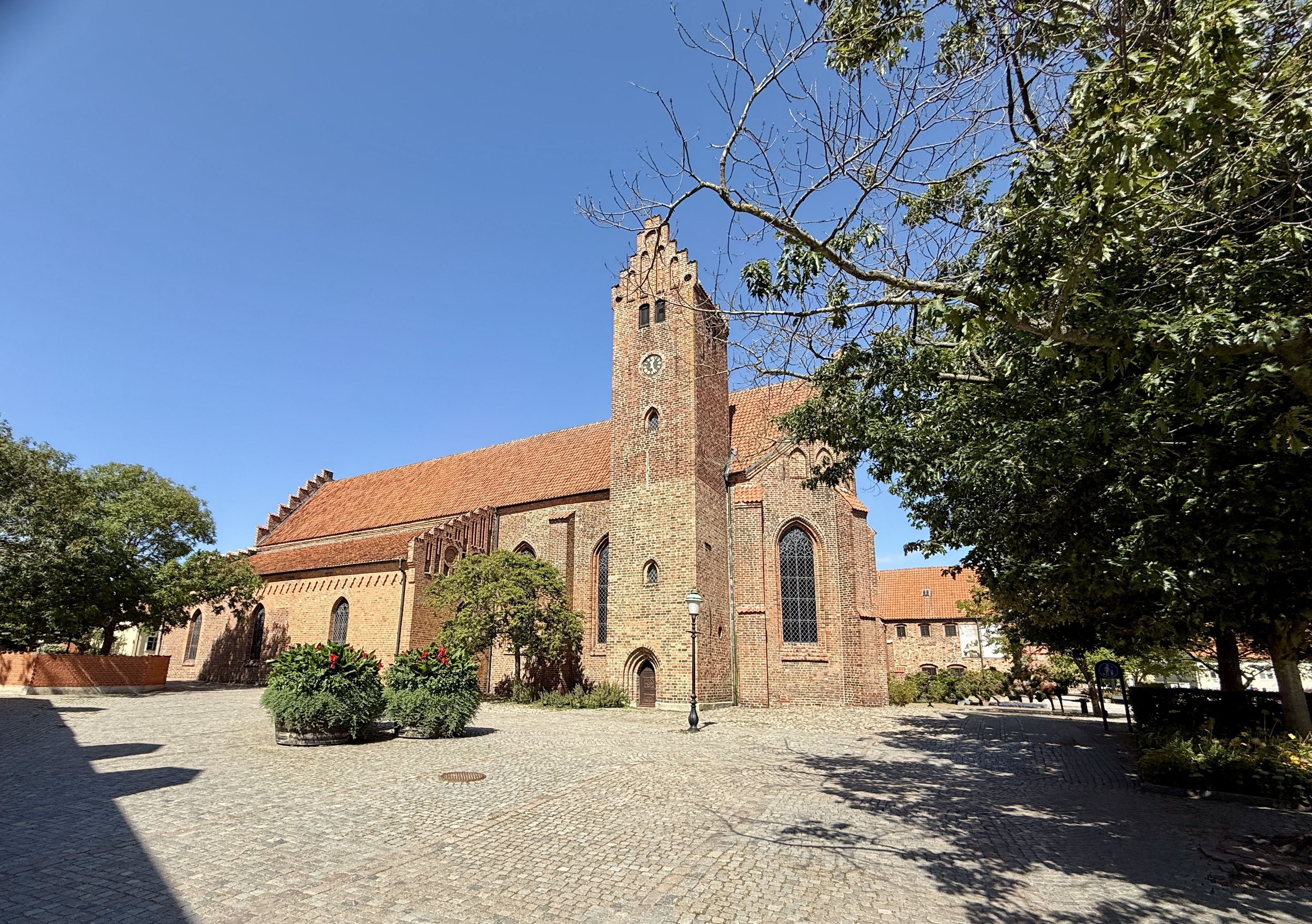
    The historic monastery in Ystad, a well-preserved medieval site, is surrounded by charming gardens.

    References

  • Exploring Stora Sundby Castle: A Journey Through History

    Exploring Stora Sundby Castle: A Journey Through History

    Stora Sundby castle stands like a dream from fairy tales, just an hour and a half from everyday life. Behind its walls are centuries of power and love. The castle changed from a medieval fortress to a romantic place with 365 windows. A meeting with the architecture of time.

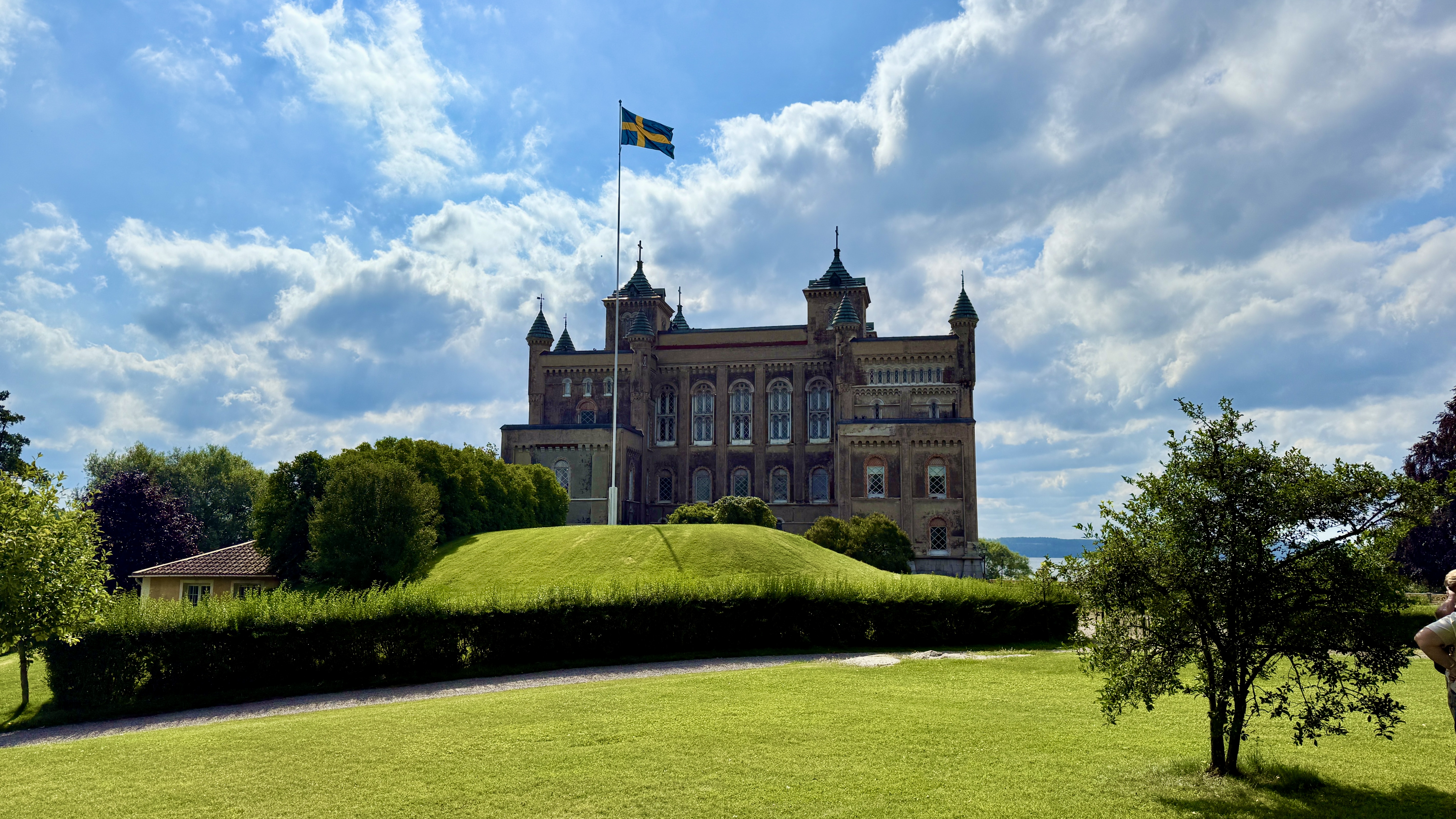
    Exterior view of Stora Sundby Castle, showcasing its stunning architecture and surrounding landscape.
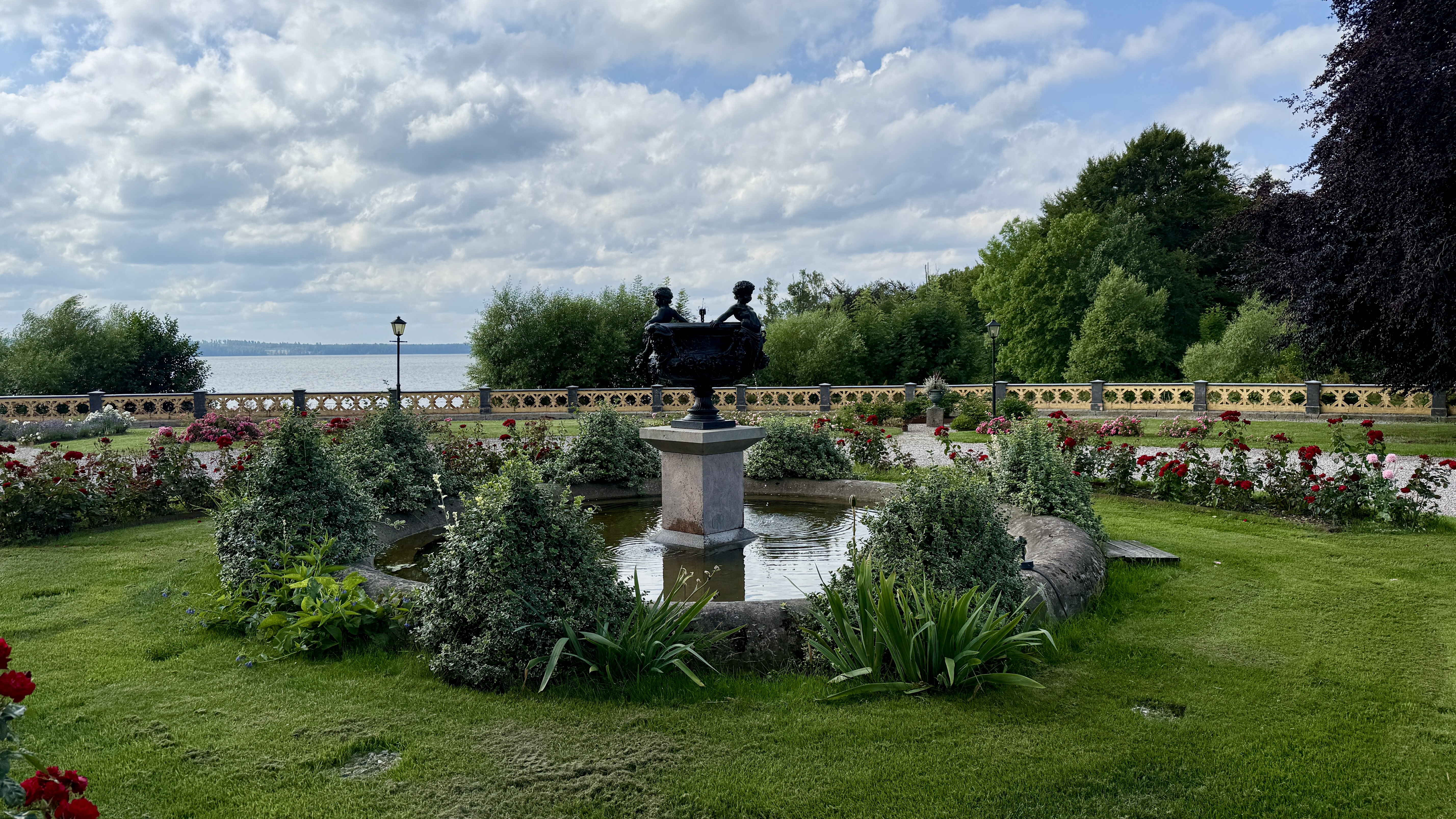
    Beautiful park view at Stora Sundby Castle, featuring a central fountain surrounded by blooming roses and lush greenery.
    Stora Sundby Castle, a historical gem from the 13th century, featuring stunning architecture and surrounded by lush greenery.
    Stora Sundby Castle is surrounded by picturesque greenery. It is set against a dramatic sky. The castle showcases its rich history dating back to the 13th century.
    The captivating exterior of Stora Sundby Castle, showcasing its unique architectural elements and historical significance.
  • Theatrical Tours at Ljungs Castle: A Unique Historical Experience

    Theatrical Tours at Ljungs Castle: A Unique Historical Experience

    Recreated kitchen scene at Ljungs Castle, showcasing 18th-century life with costumed actors.
    Elegant dining room in Ljungs Castle featuring portraits of the Fersen family, showcasing 18th-century architecture and decor.
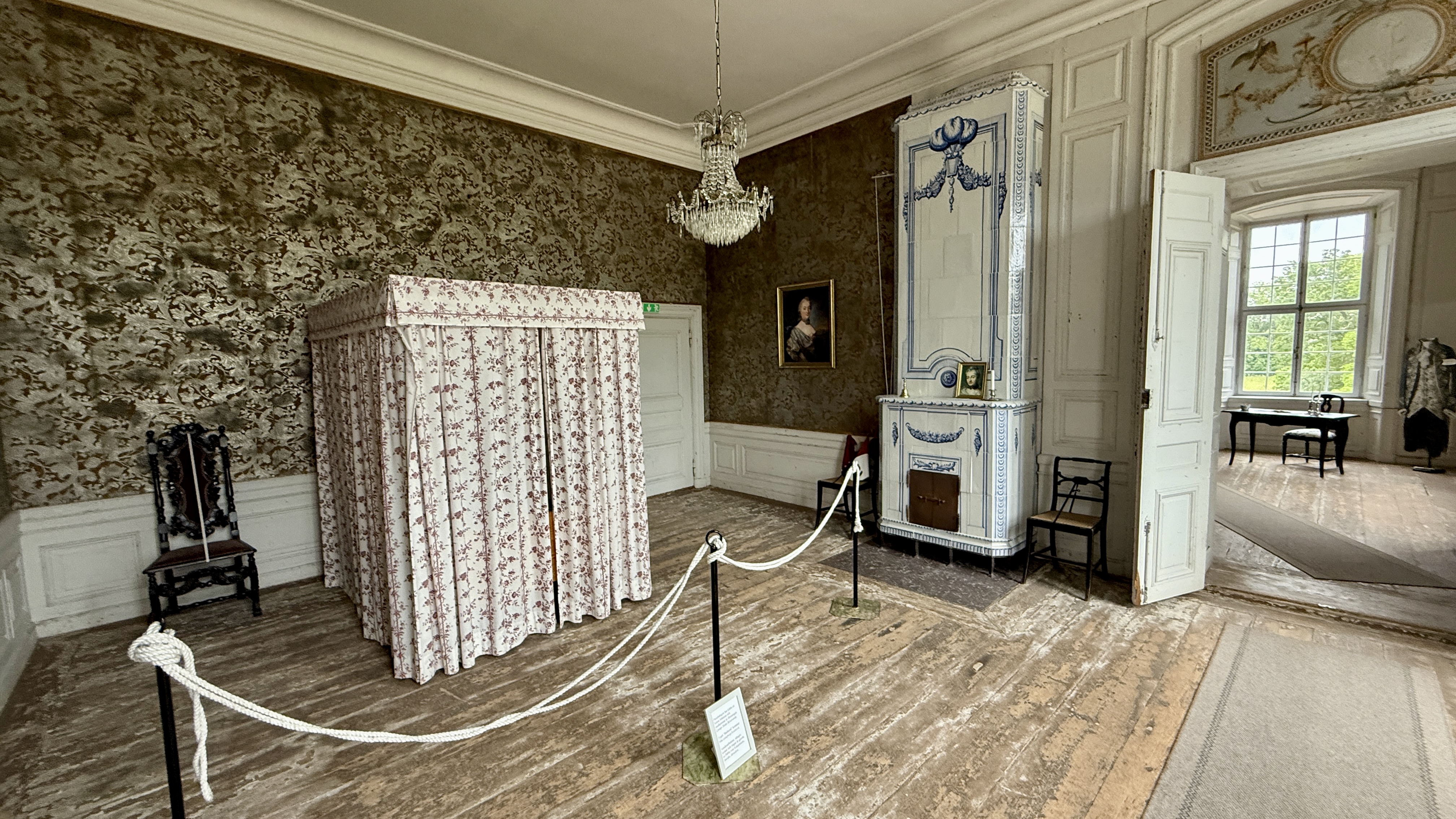
    The duke’s bedroom featuring a canopied bed and tiled stove, reflecting 18th-century design at Ljungs Castle.
    The elegantly appointed office of Axel von Fersen the Younger, showcasing period decor and a glimpse into 18th-century life.
    The elegant interior of a room in Ljungs Castle, showcasing period furniture and artwork.
    The makeup room in Ljungs Castle, showcasing 18th-century decor and furnishings.
    The exterior of Ljung Church in Östergötland, a historical site linked to the von Fersen family.

    At the End

    1. Gustavian style is a Swedish take on French neoclassicism from the time of Gustav III (around 1770–1810). It includes light colors, straight lines, and classical elements like urns and ribbons. The furniture is graceful yet simple, typically painted in gray, white, or gray-green, suitable for Nordic light. It embodies ideals of simplicity and harmony and has aristocratic origins. Today, it stands for refined tradition in Swedish interior design. ↩︎
    2. Axel von Fersen the Elder (1719–1794) was a Swedish count, military officer, and diplomat. He was the ambassador to France and a member of the Council of State. A key figure in the Hat Party, he supported a pro-French, monarchist policy. This greatly affected Sweden’s domestic and foreign affairs in the 18th century. He was the father of the more well-known Axel von Fersen the Younger. ↩︎
    3. Axel von Fersen the Younger (1755 – 1810) was a nobleman and cosmopolitan. After his military training, he traveled across Europe. He mingled with French court circles. He became a close friend of Marie Antoinette. There were rumors suggesting he was her lover. He organized the royal family’s failed escape to Varennes in 1791 during the French Revolution. He served as an officer in both France and America. Later, he was promoted to major general in Sweden. In 1799, he became Marshal of the Realm. His diaries and letters give insights into Swedish politics and the French court life of the late 18th century. Today, he is remembered as a key figure linking Sweden and Europe. He is also recognized as a notable character of the Swedish Gustavian era. ↩︎
    4. “Mouche,” was a small piece of black fabric, often shaped like a fly. It was glued onto the face or chest. The purpose was to highlight the white, powdered skin. It also hid imperfections like scars or pimples. Most importantly, it showed that a person belonged to the higher social class that afforded makeup and accessories. ↩︎
  • A Day Trip to Vreta Abbey and Cloetta Factory

    A Day Trip to Vreta Abbey and Cloetta Factory

    Through Östergötland between monasteries and chocolate. From Vreta Monastery to Cloetta in Ljungsbro, where Kexchoklad is made. We indulged in temptation and then continued to IKEA in Linköping. A day with contrasts between the sacred and the worldly.

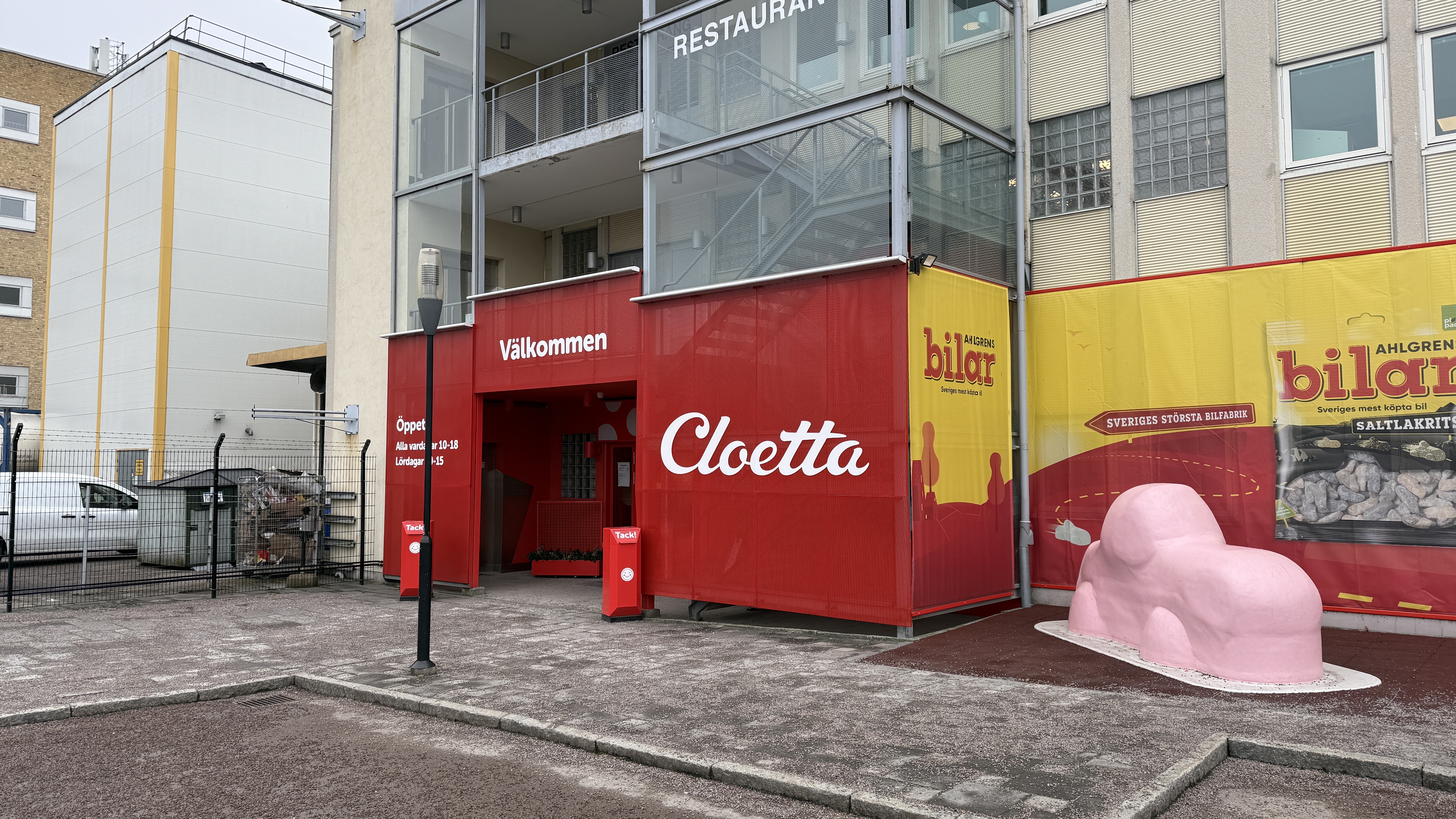
    Entrance to the Cloetta chocolate factory in Ljungsbro, Sweden, where a variety of sweets are produced.
    Vreta Abbey, one of Sweden’s oldest monastic sites, showcasing historic architecture from the 12th century.
    The serene grounds of Vreta Abbey, one of Sweden’s oldest monastic sites, featuring historical ruins and a central cross.
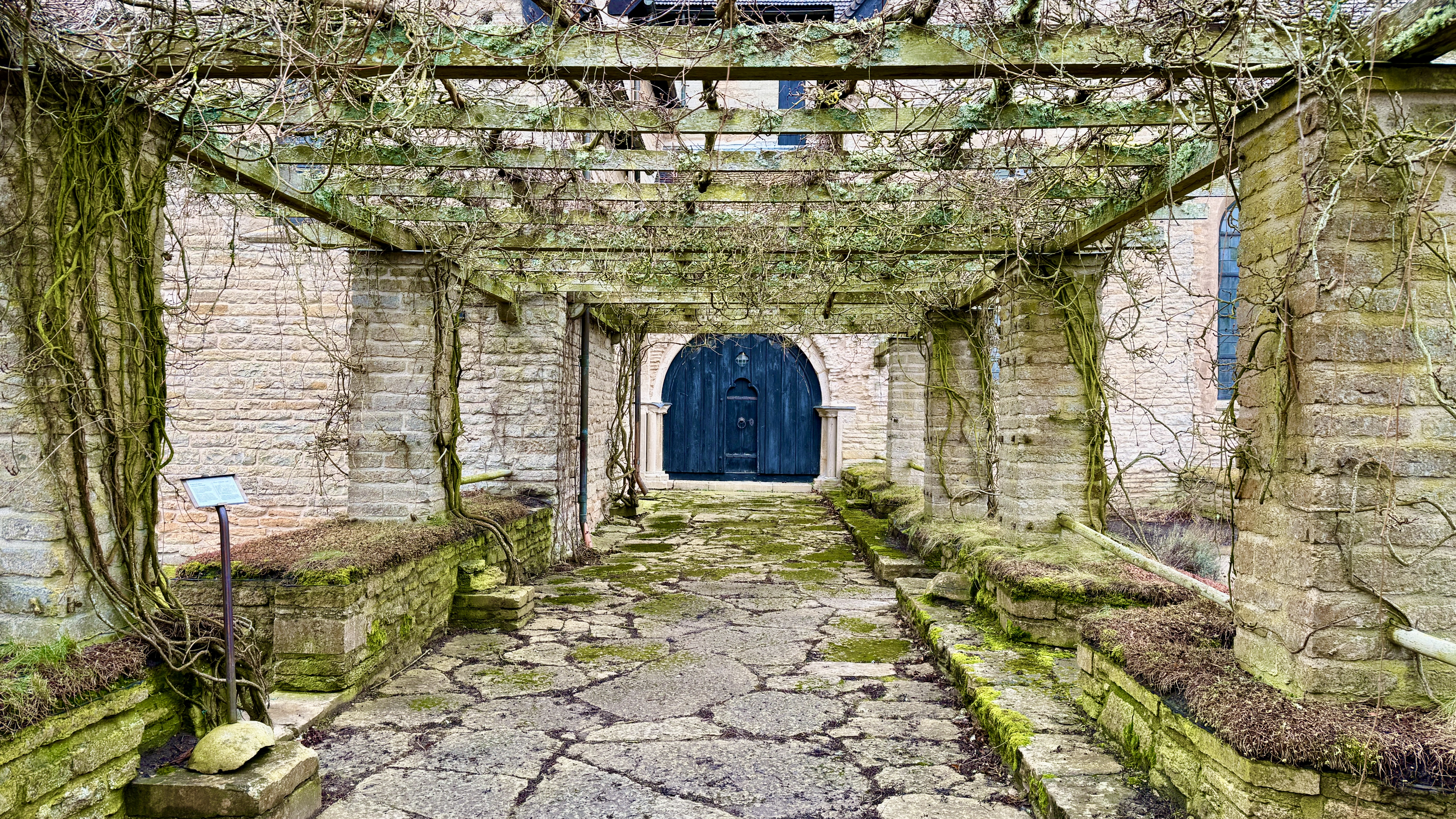
    The serene entrance of Vreta Abbey, one of Sweden’s oldest monastic sites, featuring moss-covered pathways and lush greenery.
    1. Cloetta https://www.cloetta.com/en ↩︎
  • 𝟓 Exploring Madeira: A Journey Through Nature and Culture – Day 5

    𝟓 Exploring Madeira: A Journey Through Nature and Culture – Day 5

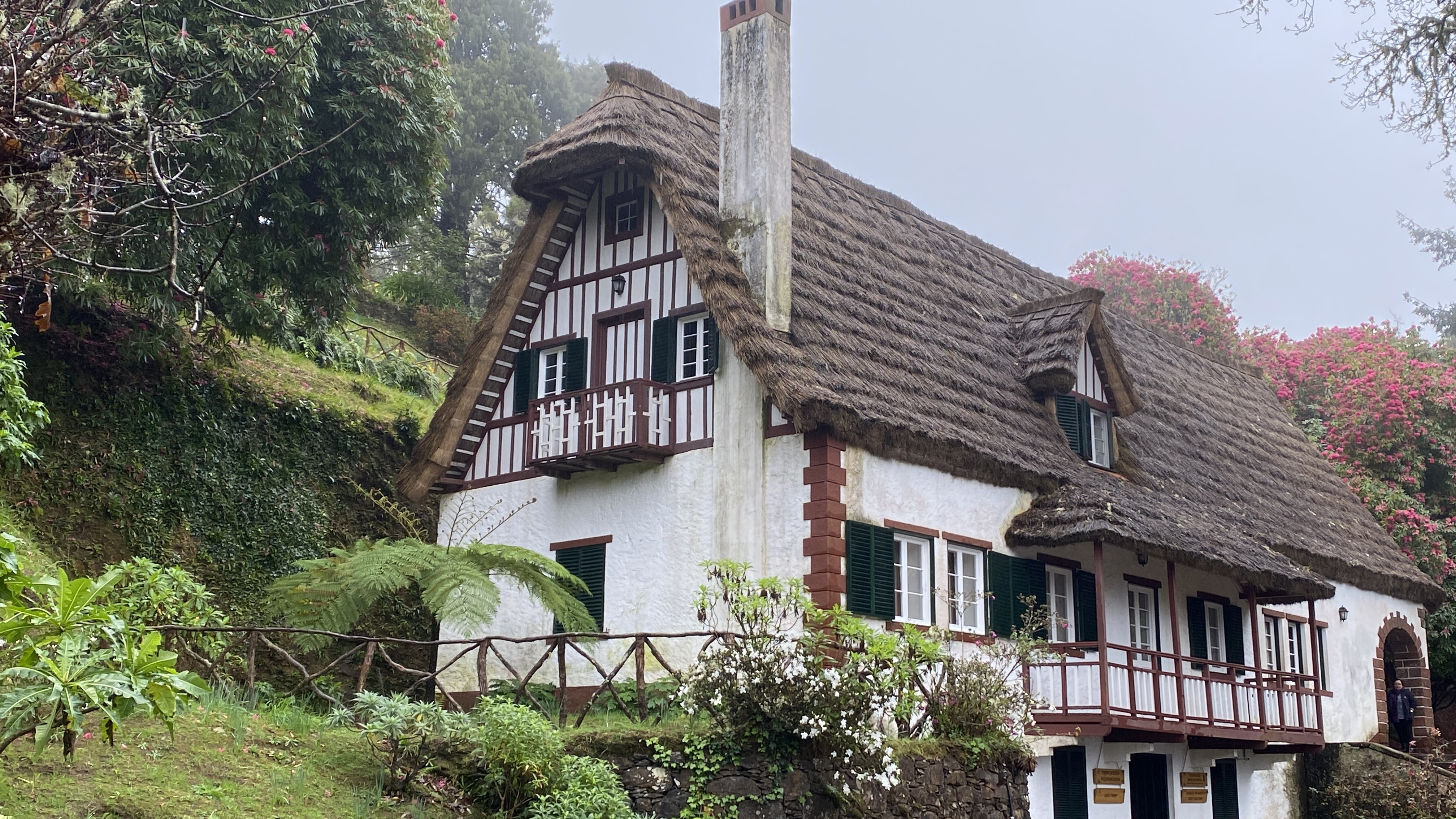
    Traditional Madeiran house nestled in lush greenery, showcasing local architecture amidst a cloudy backdrop in Parque Florestal das Queimadas.
    A stunning waterfall cascading through lush greenery in Madeira’s Parque Florestal das Queimadas.
    Stunning cliffs overlooking the ocean at Madeira’s Parque Florestal das Queimadas, perfect for hiking and exploration.
  • 𝟒 Exploring Madeira: A Journey Through Nature and Culture – Day 4

    𝟒 Exploring Madeira: A Journey Through Nature and Culture – Day 4
    Colorful 4×4 jeep vehicles from Green Devil waiting to take adventurers across Madeira.
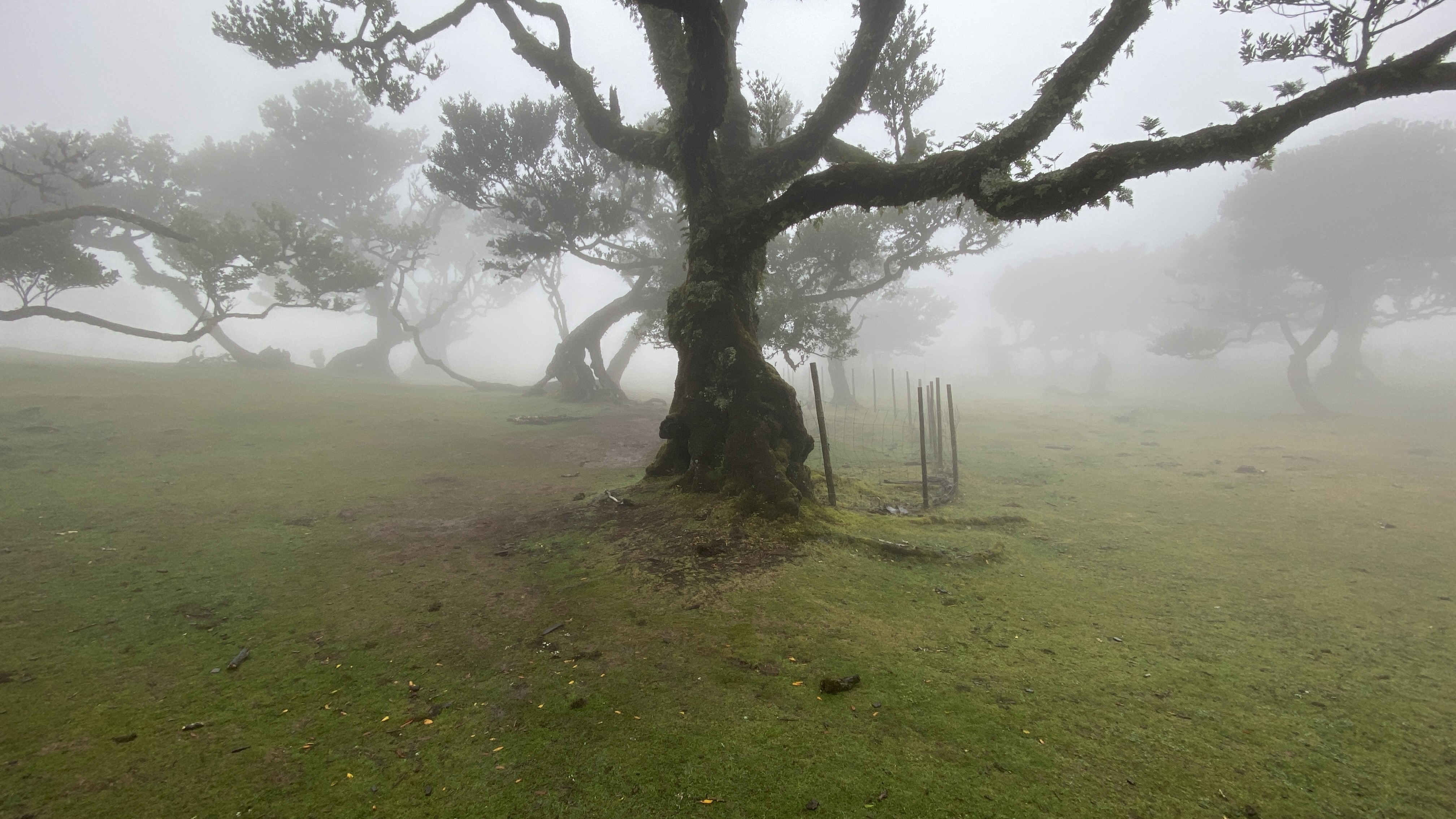
    Fog envelops the mystical landscape of Fanal Forest, featuring ancient trees that create an enchanting atmosphere.

    On foot

    A stunning coastal view showcasing rugged rock formations and powerful waves crashing against the shore.
    Mystical view of Fanal Forest shrouded in fog, capturing the serene beauty of nature.

    Summary

    1. Caspar David Friedrich (1774–1840) was a German Romantic painter famous for his landscapes that show nature’s beauty and depth. Iconic paintings are Wanderer above the Sea of Fog (1818) and The Abbey in the Oakwood (1809-10). He established his legacy as a landscape painting master. ↩︎
  • 𝟐 Exploring Madeira: A Journey Through Nature and Culture – Day 2

    𝟐 Exploring Madeira: A Journey Through Nature and Culture – Day 2

    Tranquil view of the hotel pool area surrounded by lush greenery on a cloudy day.
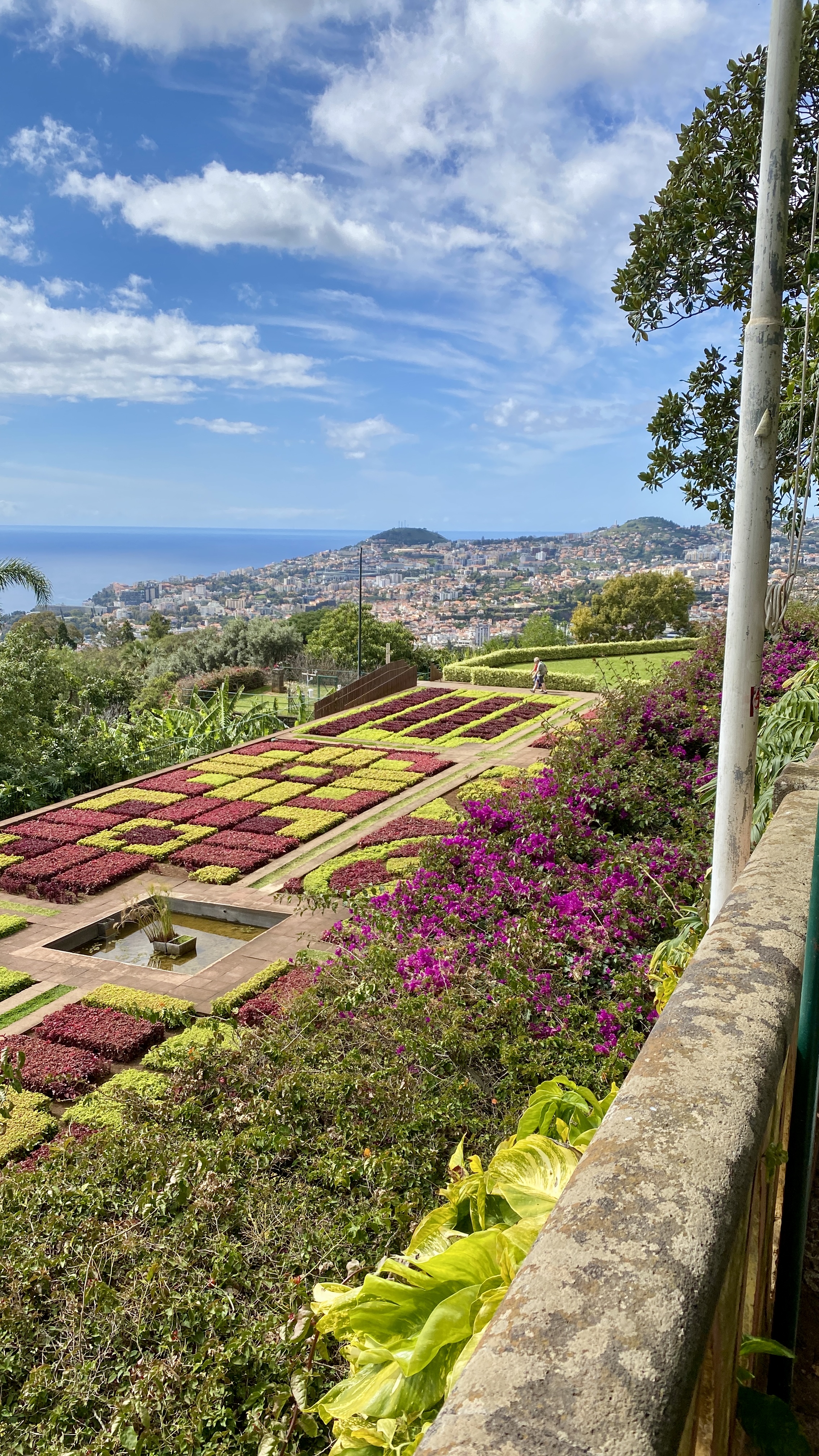
    Stunning views of the Madeira Botanical Garden, showcasing vibrant plant arrangements and the scenic backdrop of Funchal.
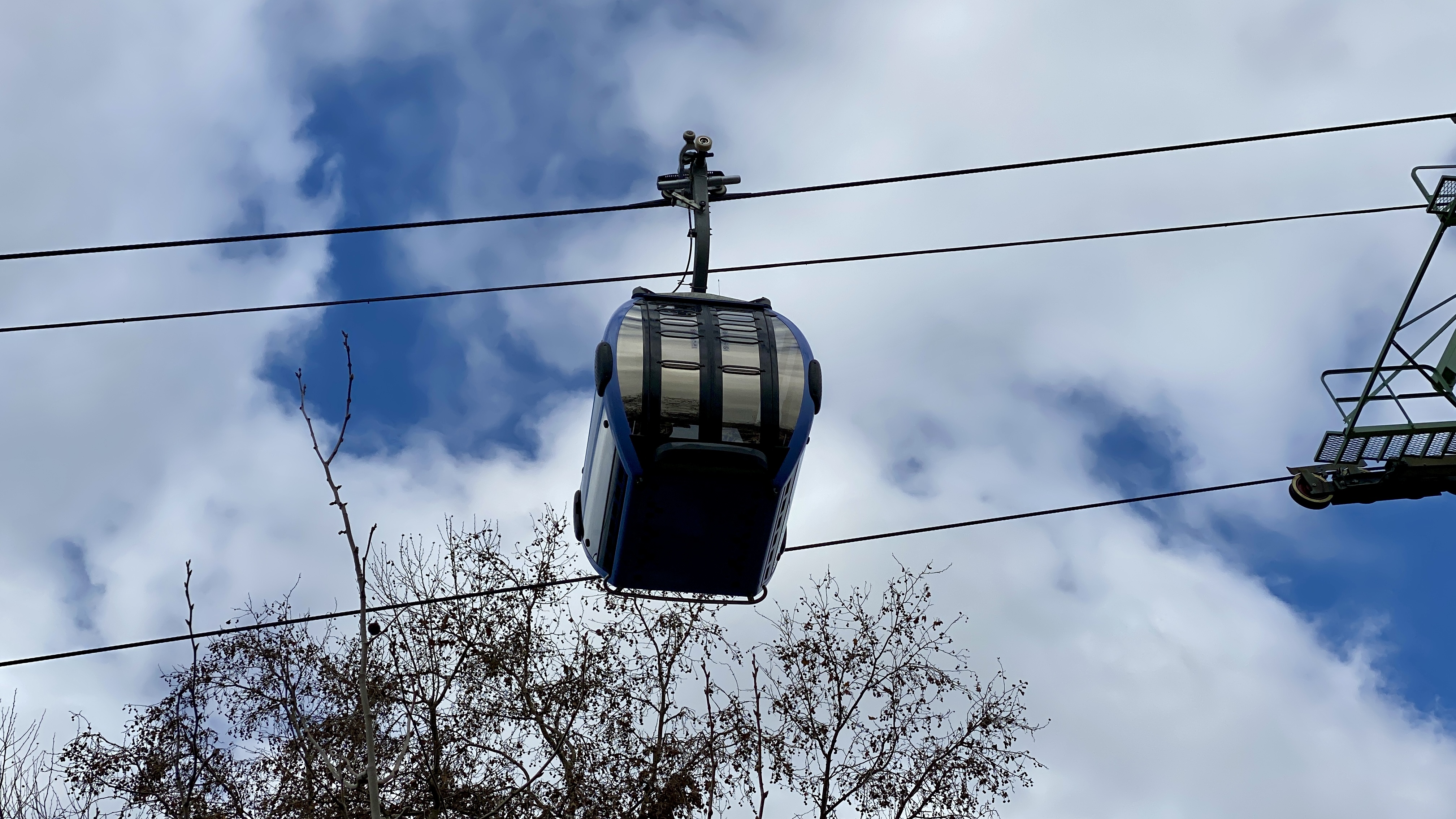
    A cable car ascends towards Jardim Monte Palace, showcasing the stunning views of Madeira.
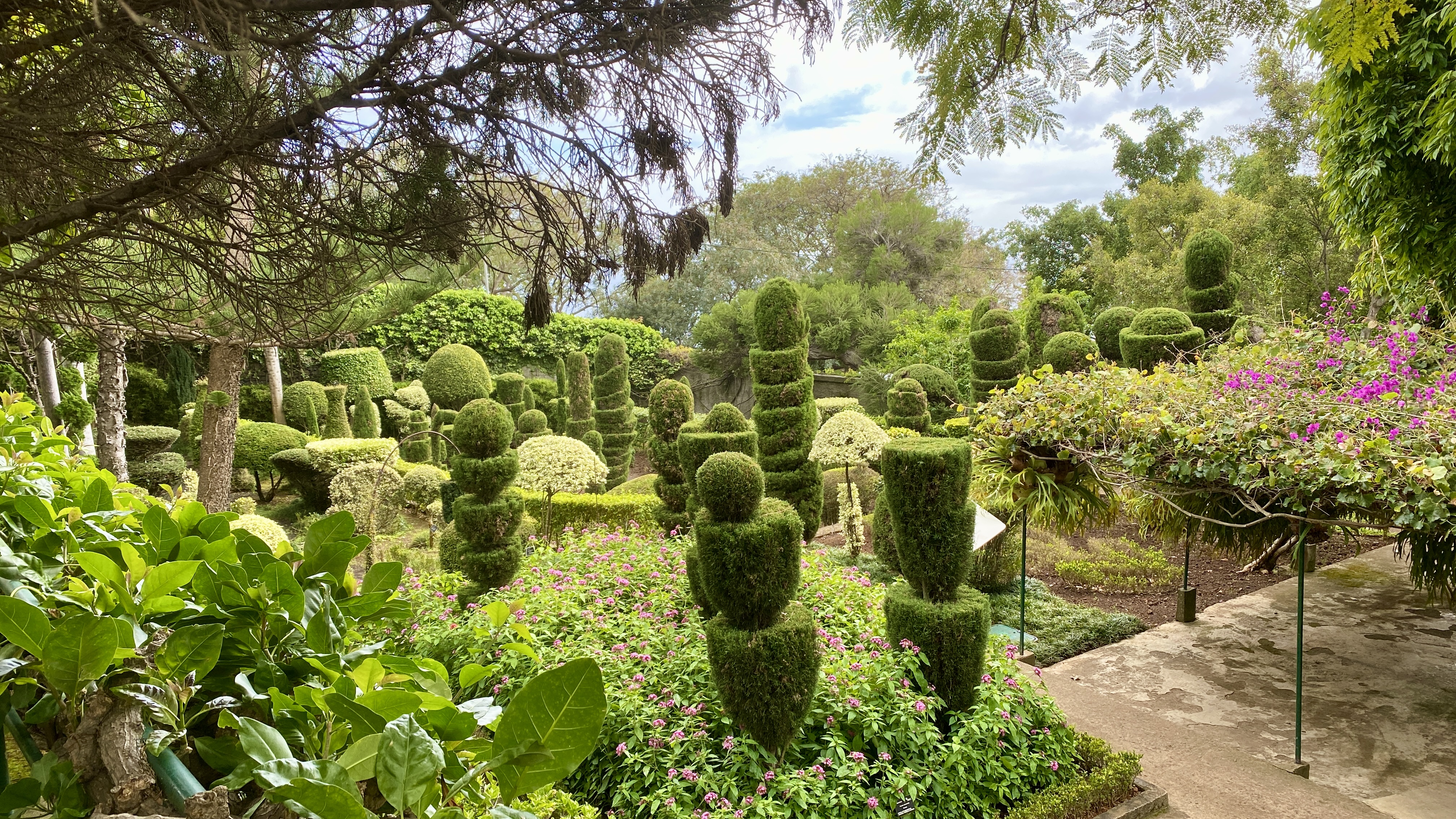
    A winding path among diverse cacti and succulents in the Madeira Botanical Garden, showcasing unique flora against a gray sky.
    A stunning red pavilion at Monte Palace Madeira Garden surrounded by lush greenery.
    A vibrant walkway lined with colorful flowers at Jardim Monte Palace, offering a picturesque view.
    Historical art and photographs are vibrantly displayed along the pathways of Jardim Monte Palace. This adds depth to the garden’s serene beauty.
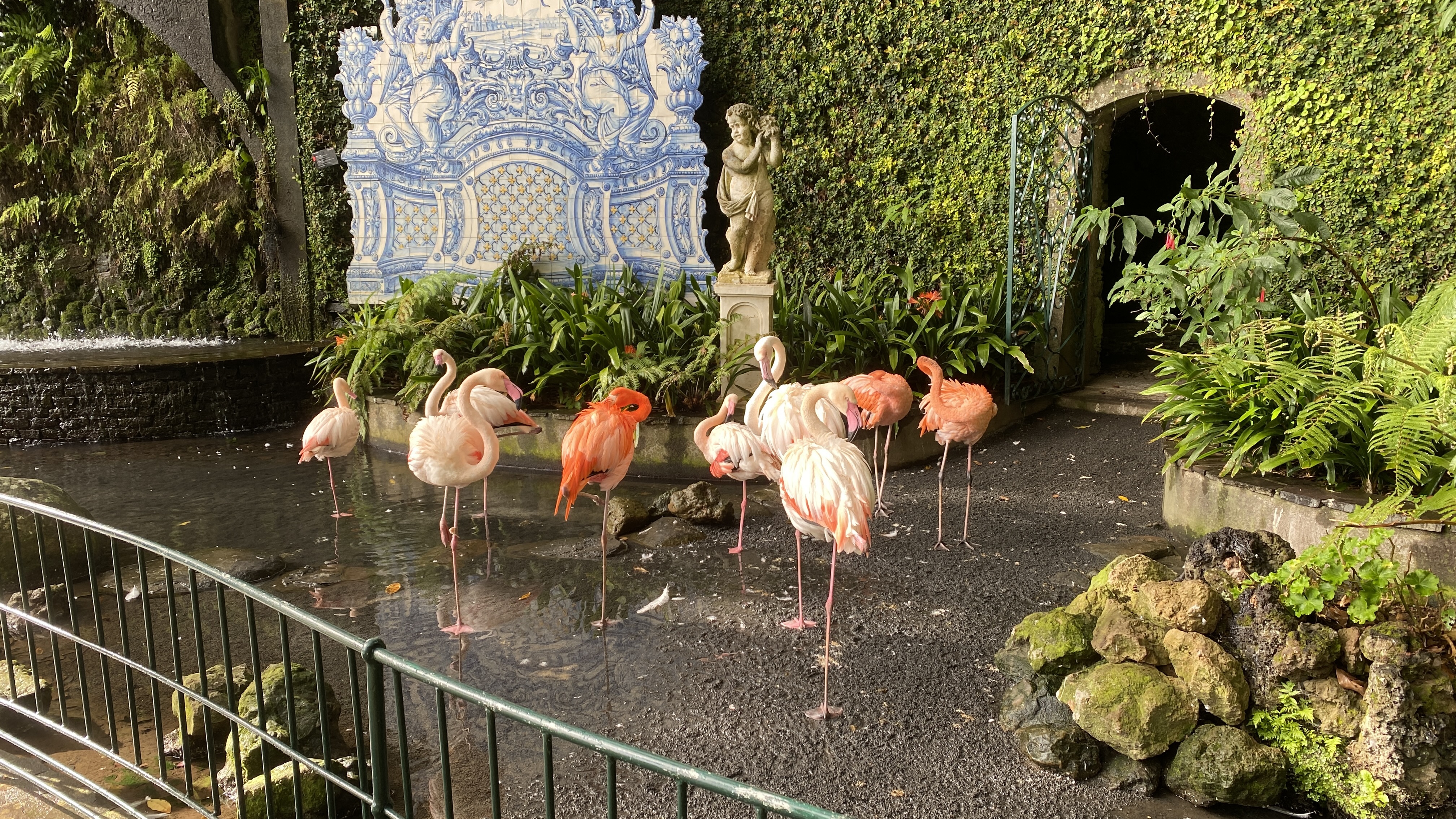
    Flamingos standing gracefully in a lush garden setting, vibrant greenery and a decorative backdrop enhance their beauty.
    1. https://visitmadeira.com/en/what-to-do/culture-passionates/gardens/monte-palace-madeira-garden/ ↩︎
    2. https://visitmadeira.com/en/what-to-do/culture-passionates/gardens/monte-palace-madeira-garden/ ↩︎
    3. https://www.portobay.com/en/hotels/madeira-hotels/porto-santa-maria/ ↩︎
  • 𝟏 Exploring Madeira: A Journey Through Nature and Culture – Day 1

    𝟏 Exploring Madeira: A Journey Through Nature and Culture – Day 1

    View of the bustling harbor in Funchal, Madeira. It features a variety of boats. A large cruise ship basks under a clear blue sky.
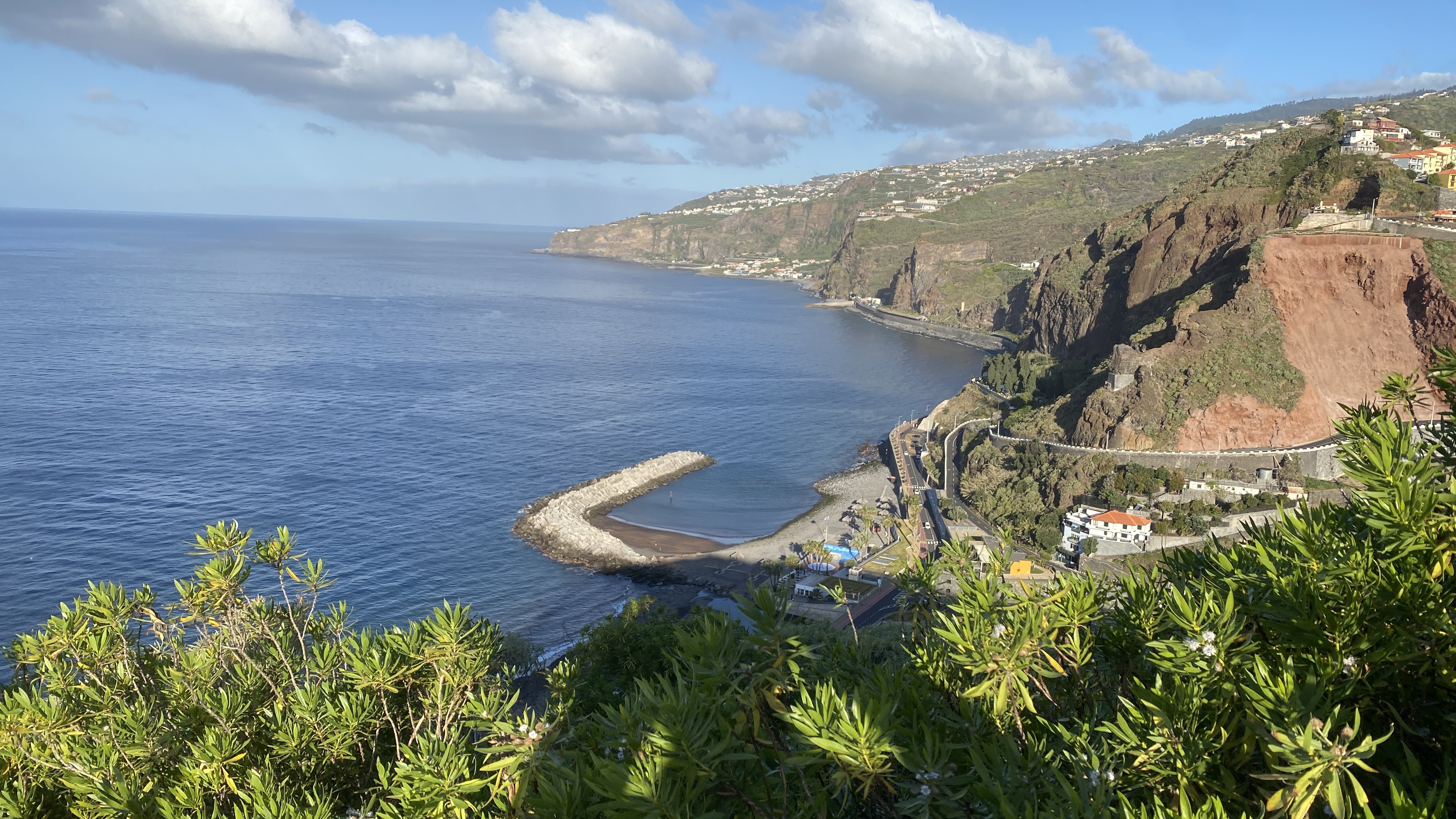
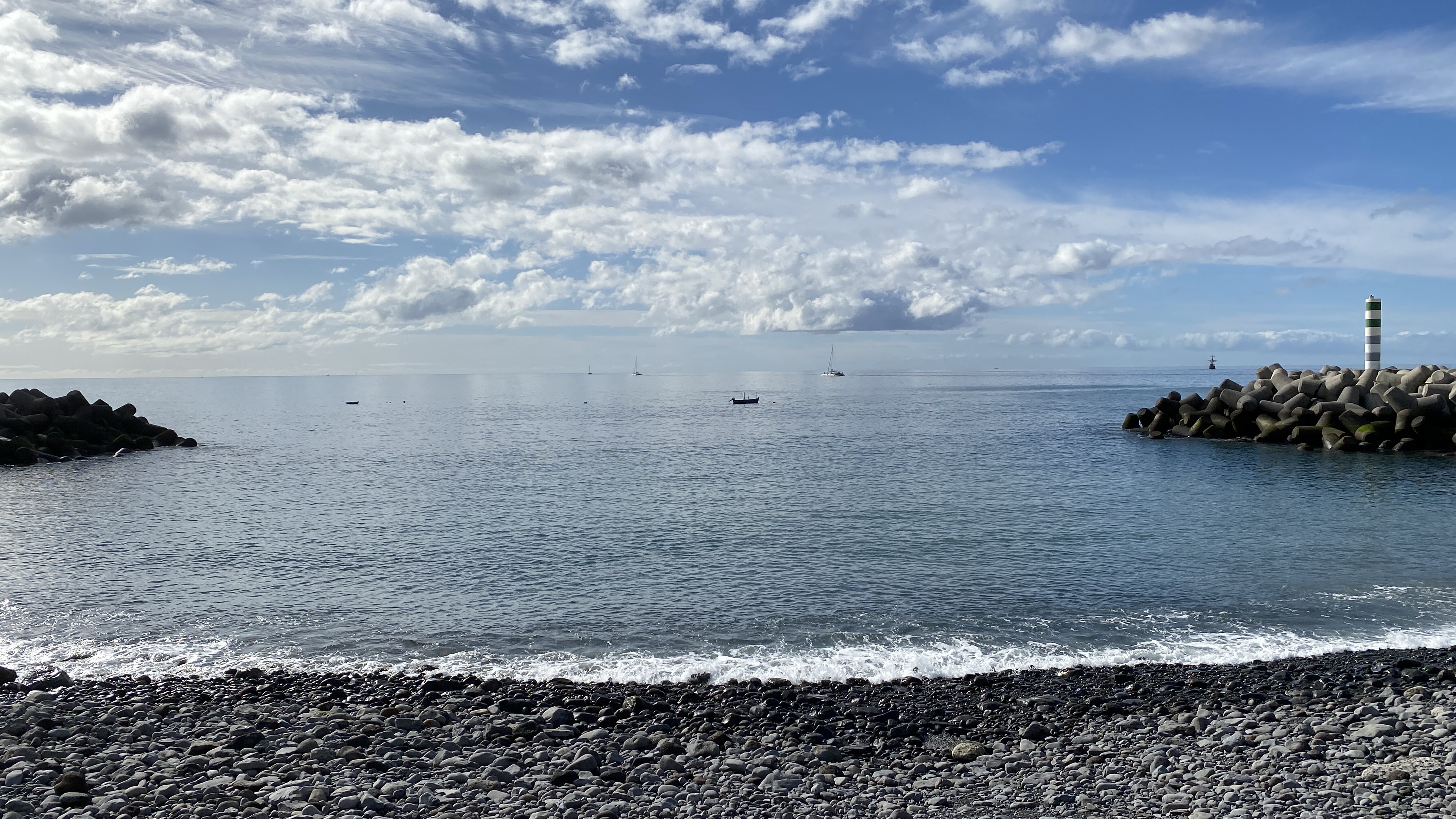
    A serene view of the Atlantic Ocean near Madeira, showcasing calm waters and a distant lighthouse.
    Statue of Cristiano Ronaldo in Funchal, Madeira, celebrating the island’s connection to the famous soccer player.
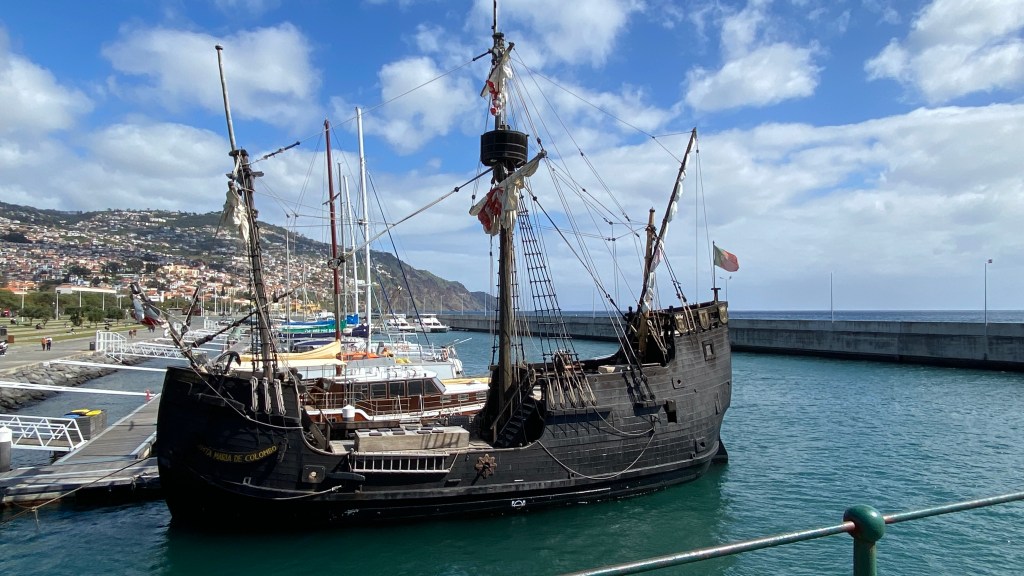
    A replica of Christopher Columbus’s flagship, the Santa Maria, docked in Funchal, Madeira, showcasing the island’s rich maritime history.
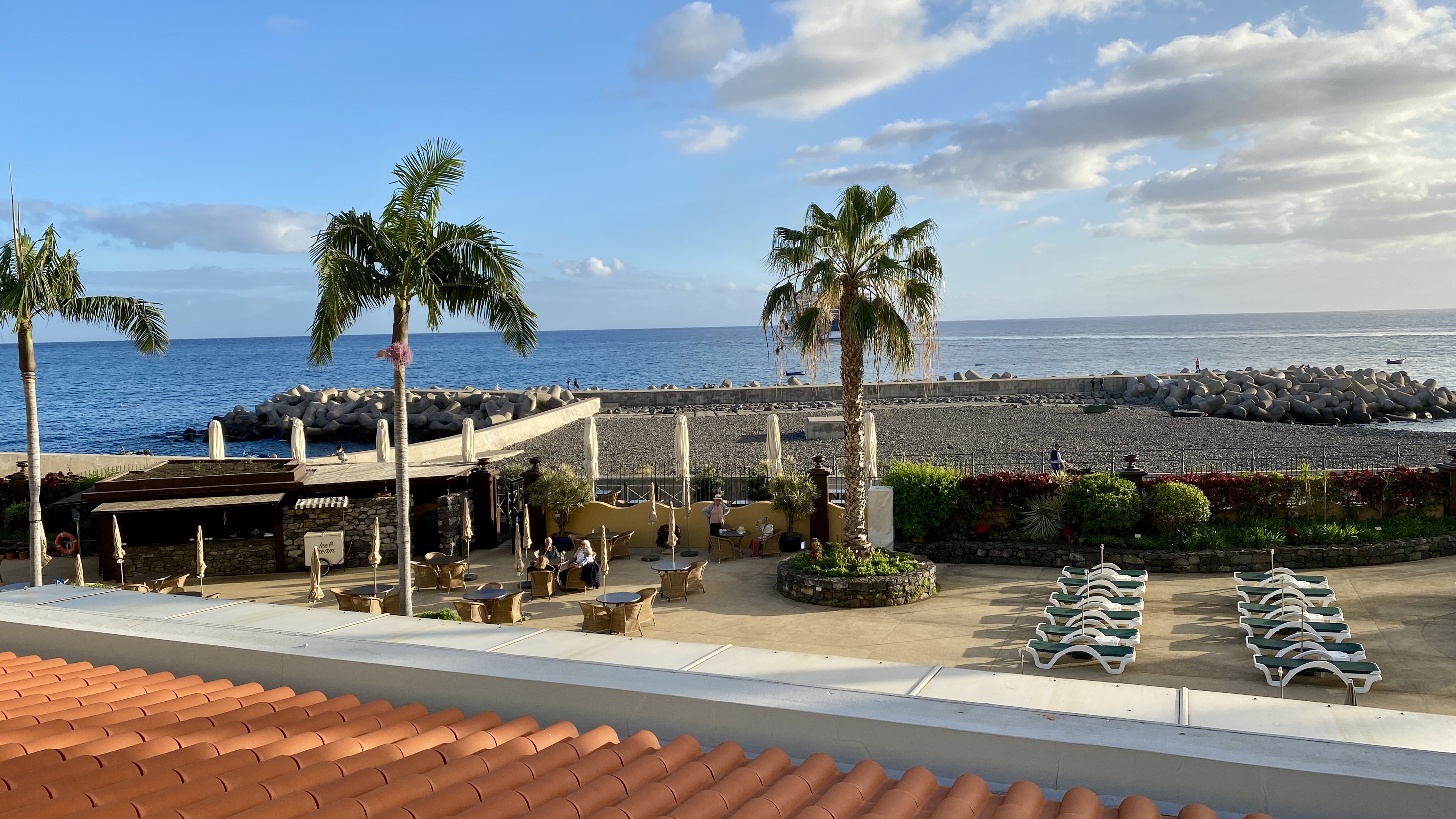
    A serene view of the ocean from the hotel balcony in Madeira, showcasing palm trees and a relaxing beach atmosphere.

  • 𝟳 An Art Journey in the City of Love – Sculptures’ and Monuments’ Day

    𝟳 An Art Journey in the City of Love – Sculptures’ and Monuments’ Day

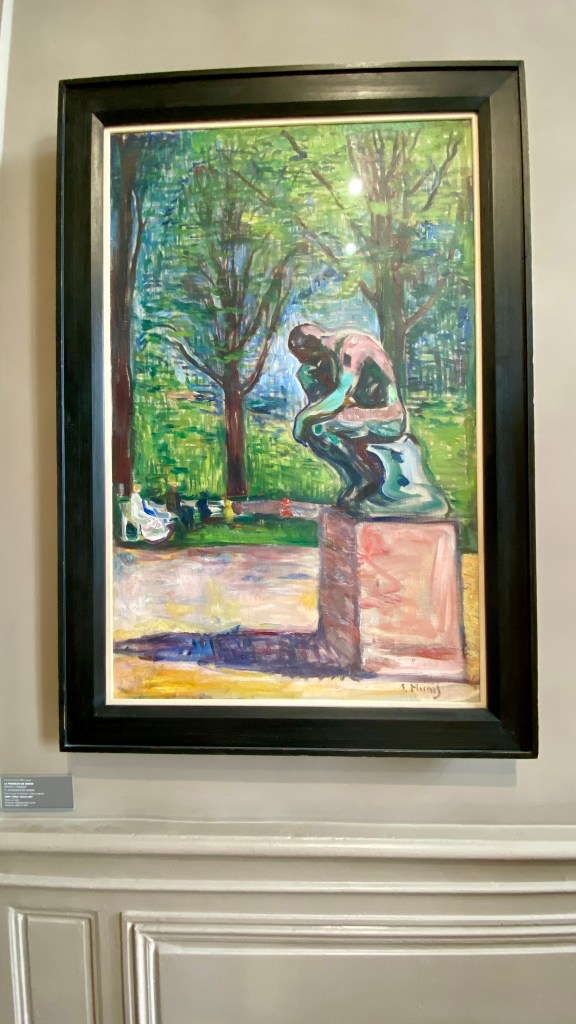
    A stylized painting of Rodin’s sculpture ‘The Thinker’ is surrounded by green trees. It captures a moment of reflection in a serene setting.
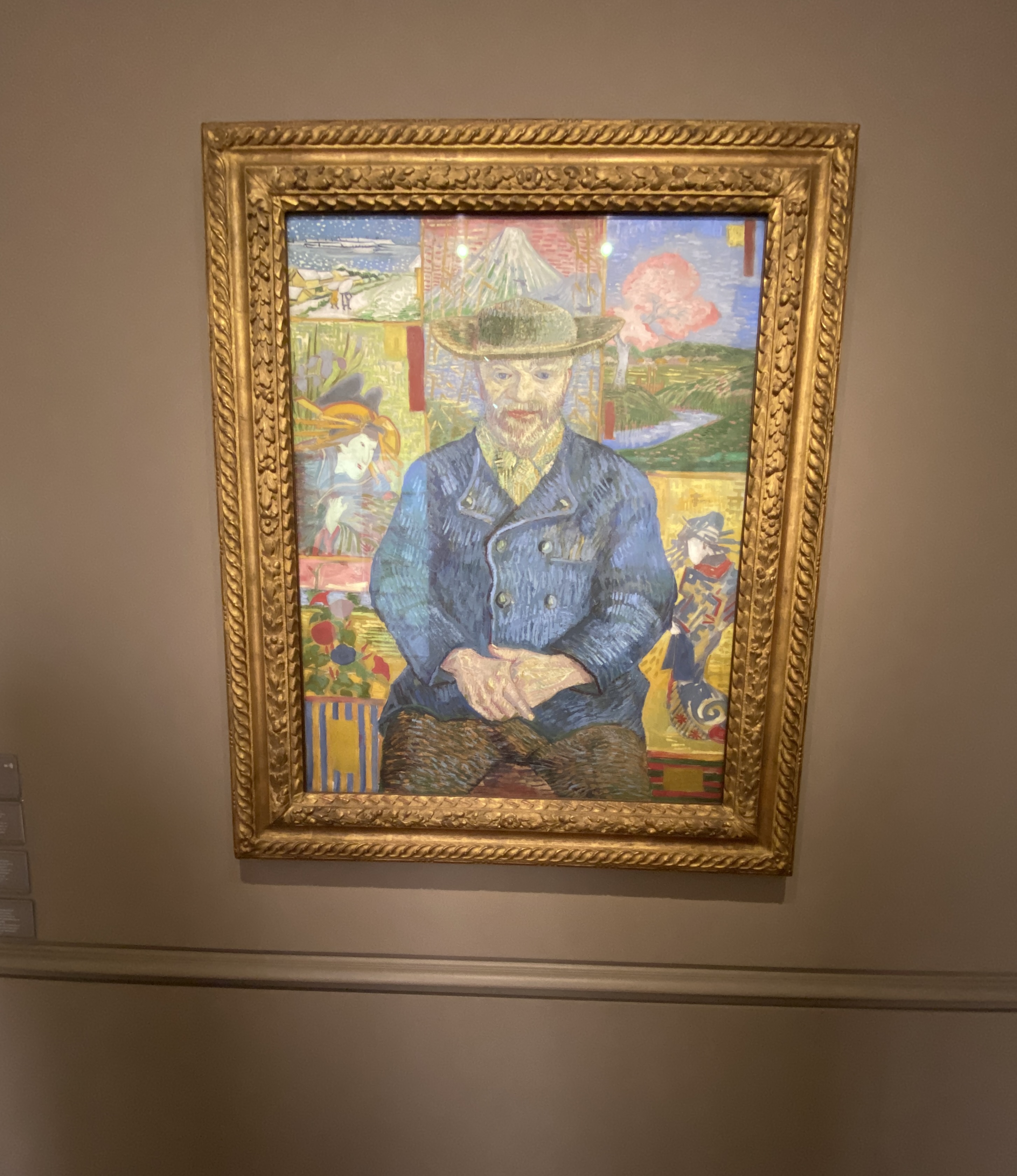
    A vibrant portrait of Vincent van Gogh surrounded by colorful backgrounds showcasing his artistic influences, displayed at the museum.
    The modern architecture of La Défense, showcasing the Grande Arche against a backdrop of dramatic clouds.
  • 𝟔 An Art Journey in the City of Love – Contemporary Art’s Day

    𝟔 An Art Journey in the City of Love – Contemporary Art’s Day

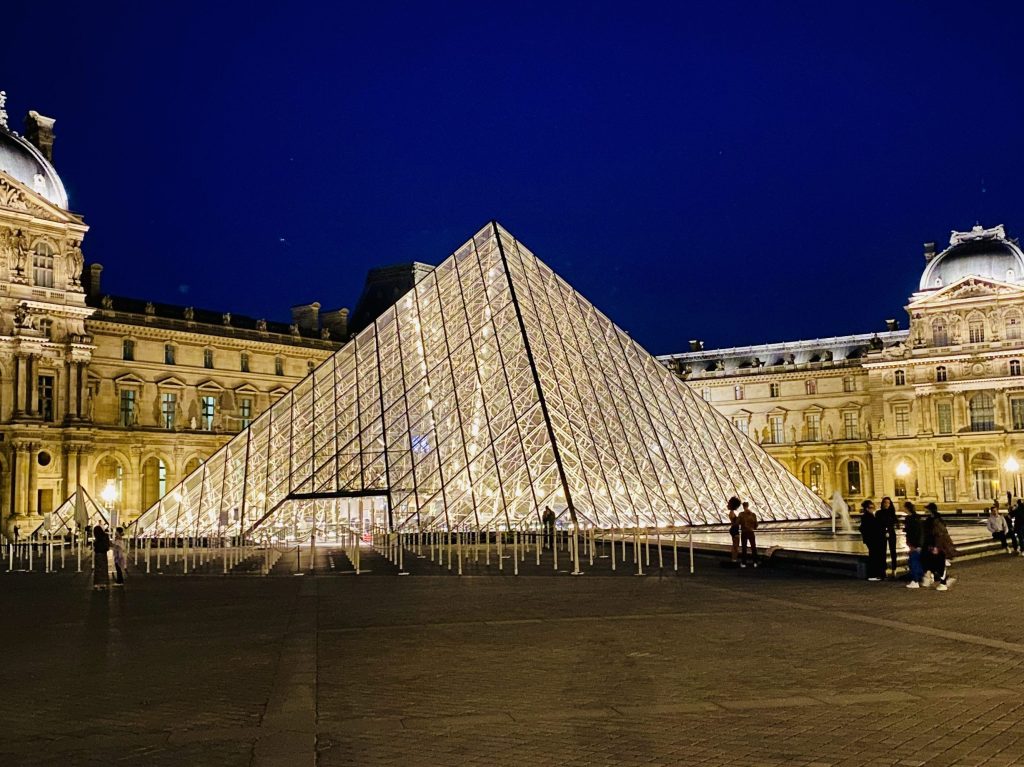
    Finally, another museum visit, close to the hotel and conveniently scheduled during our stay. The 20th-century art lines the walls of the Center Pompidou1, showcasing everything I like.

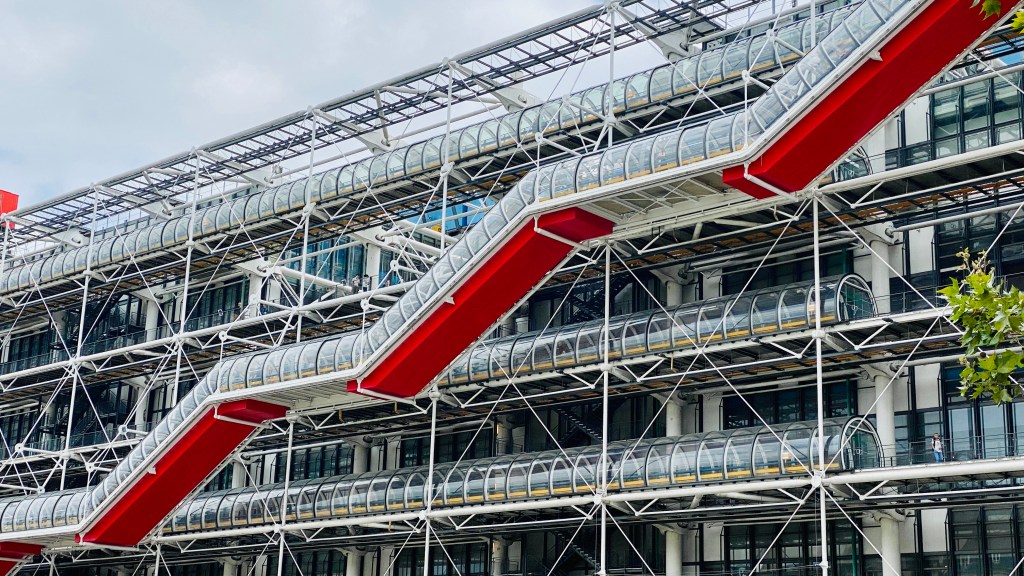
    The classic facade was in front of us. The red parts were on the long escalator. The queue below was all the shorter. Just a fraction of the one we stood in at the Louvre.

    Maybe it was something else that attracted, what do I know? Short queues and a reasonable ticket price and large areas for fewer visitors were a big advantage during the visit.

    My excitement went from my chest to my pupils the closer we got to the exhibit. The large entrance hall with shops on either side was what I so eagerly expected. Books at one and souvenirs at the other. Let the adventure begin.

    It was the master of contemporary art I was looking for. Kahlo, Mondrian, Miró, Kandinsky, and others. Everyone was there, so to speak. Even Picasso, Warhol, and Jackson Pollock had found their way there.

    I could next feel myself floating along the room, as if floating on clouds. Everyone was there. The ones I wanted to see and meet.

    It was as if I walked in there with one of my favorite books from university in my hand. I could almost feel a weight in my arms from the heavy book. H.H. Arnason – History of Modern Art (Fifth edition 2003)

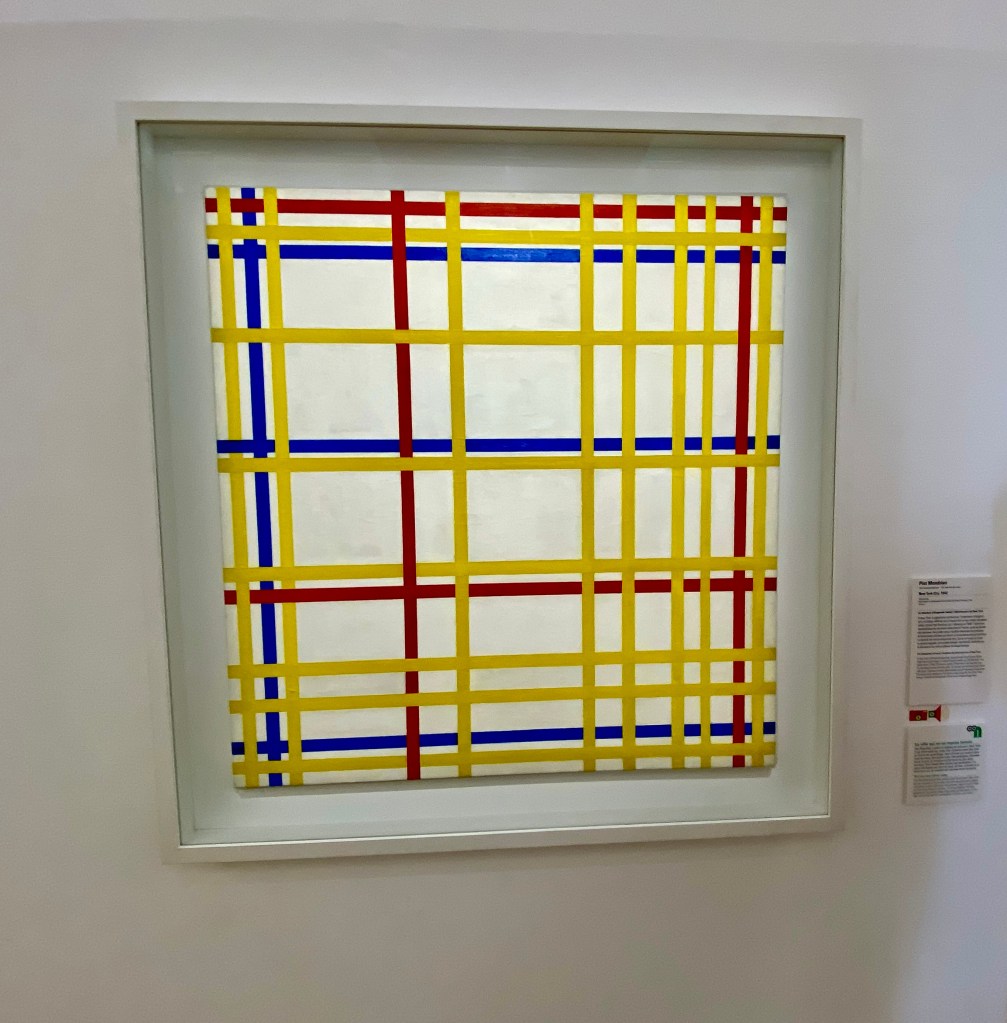
    I myself floated forward, upright, not upside down like New York City2, I guess. If not this one too, has been hanging upside down for years. That in view of the discovery that New York City I (1941) has been hanging upside down for years.

    More and more of the masters of contemporary art lined up like a panorama in front of me. It was she I was looking for, exactly her.

    Like a ferret in search of food, I searched for what made my day. The Mexican contemporary art queen was there. With her back to the wall and a determined gaze, she stares at us with her thick, interlocking eyebrows. (The Frame 1938)3.

    Frida Kahlo’s vibrant portrait, surrounded by colorful floral motifs, displayed at the Centre Pompidou.

    The hunt for the masters continued. The adventure in the jungle of contemporary art was not over. This was despite finding what I was looking for. My gut feeling sailed on the ocean of art science. It navigated us onward. There were plenty of goodies in the gigantic museum.

    From nowhere along the corridor’s long wall, hang artworks by Picasso, Pollock, and Warhol. Everyone wants to be seen. The tired visitor mostly wants to find the elevator down to the entrance. But not me.

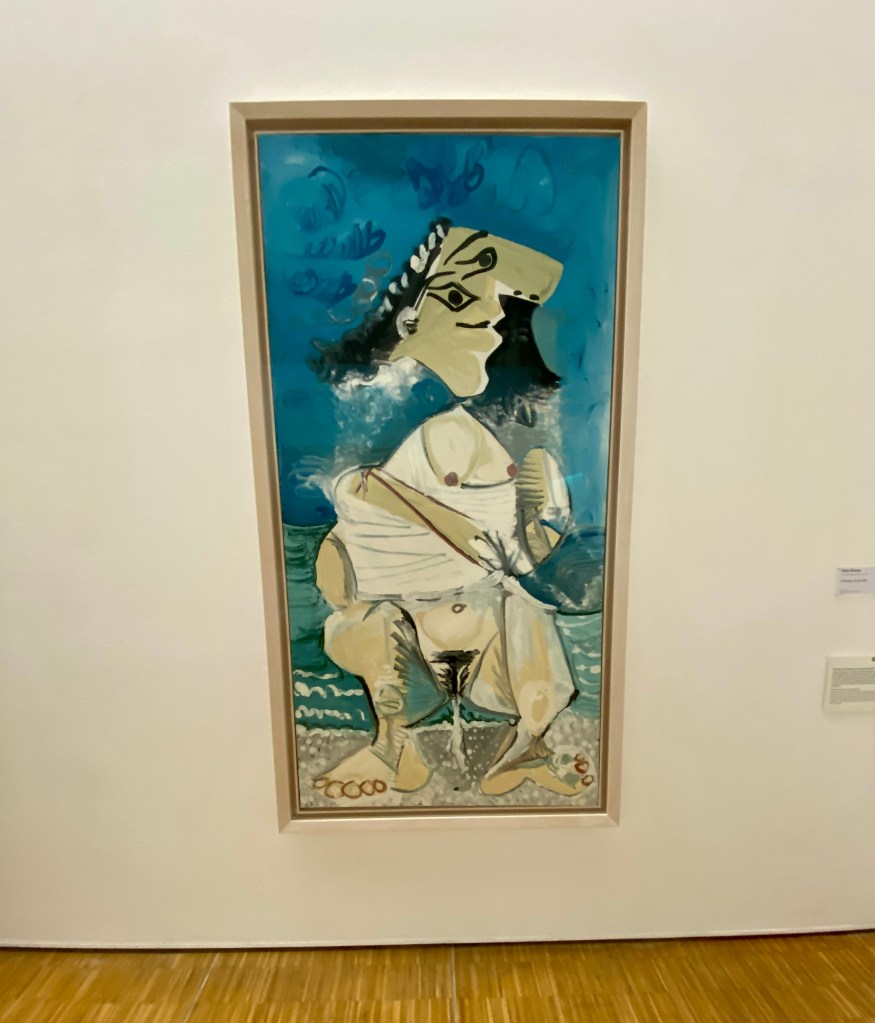
    Picasso’s provocative painting ‘La Pisseuse’ (1965), featuring a seated figure against a vibrant blue background.

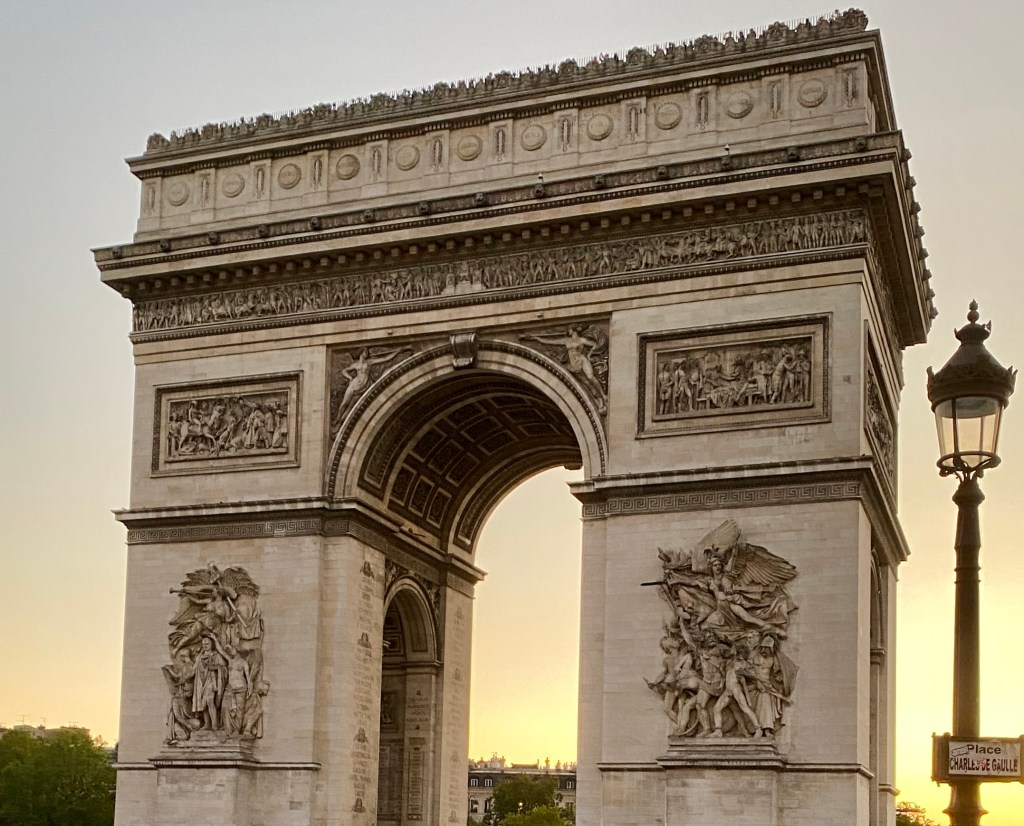
    I wanted more, I didn’t want it to end. I knew Marie was waiting for us. She wanted to be freed before being taken away to the Place de la Concorde. We know from history what happened there during the French Revolution (1789-1799).

    After a quick look at Pollock’s abstract lines and Warhol’s classic celebrity faces, we noticed more eroticism. This time it was from Picasso (La Pisseuse 1965)4. Afterward, we would visit Marie Antoinette at the Palais de Justice.

    Maybe it would be like coming back to where we started the journey. Marie Antoinette existed as a royal apparition at Versailles and later this day as an imprisoned one.

    It was with sadness that I left the Centre Pompidou and immediately wanted to return. I’m going there again, that’s for sure. The gallery I would like to work at – but my French isn’t that good 😉

    In summary, it was a street race through its large exhibition halls. I got to see many of my favorite artists’ creations. I saw works by Frida Kahlo, Piet Mondrian, as well as Jackson Pollock and Joan Miró.

    The mobile camera drained the battery. Ideally, I wanted to go there again the next day. I didn’t buy anything in the souvenir shop. Well, nothing actually.

    The next day, more of what stands out, or rather up in the sky in different formats, materials, and shapes.

    ©️ Björn Blomqvist 2024-06-30

    1. National museum of contemporary art, located in the 4th arrondissement of Paris. The museum opened in 1977 on the initiative of French President Georges Pompidou. Art from the 20th century onwards is displayed here. In addition to the permanent exhibition, a number of temporary exhibitions of modern and contemporary art are offered. ↩︎
    2. oil-on-canvas painting by Piet Mondrian, completed in 1942 ↩︎
    3. The Frame Kahlo’s self-portrait in oil on a sheet of aluminum framed in glass which she purchased from a market in Oaxaca, Mexico 1938 ↩︎
    4. Oil-on-canvas painting by Pablo Picasso – april 1965 ↩︎
  • Exploring Julita Manor: An Immersive Historical Experience

    Exploring Julita Manor: An Immersive Historical Experience

    Julita Manor dates back to the 12th century and reflects Swedish cultural history. Its past includes medieval monasteries and 20th-century manor life. Guided tours reveal its secrets and tell stories from Arthur Bäckström’s era, covering salons, workshops, and the church. These tales help explain the interaction between history, people, and the environment in this cultural heritage.

    The beautiful exterior of Julita Manor, showcasing its 18th-century classicist architecture surrounded by well-manicured gardens.
    A picturesque view of Julita Manor, showcasing its historic architecture against a vibrant blue sky and lush greenery.
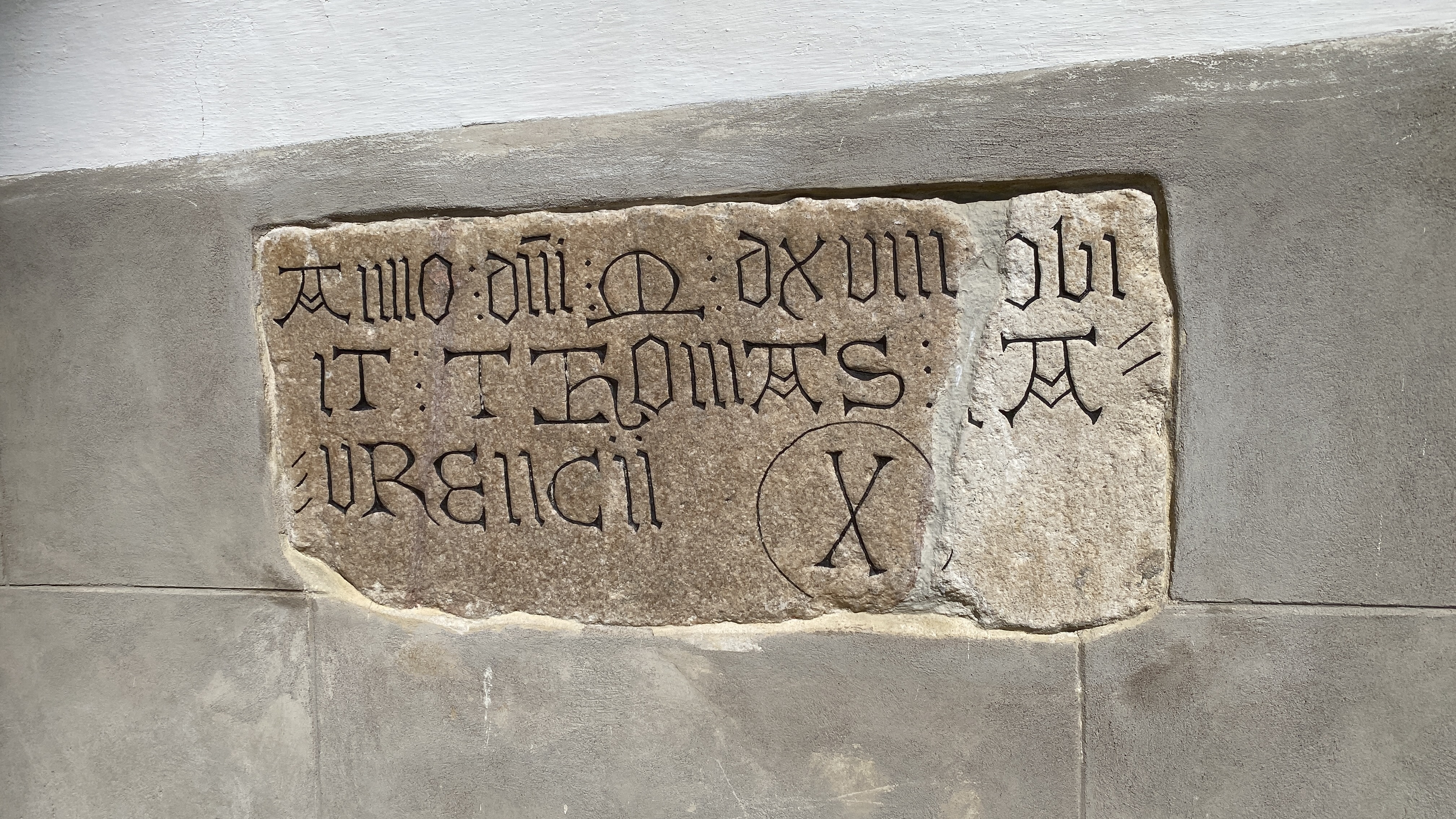
    Inscription stone from Julita Manor referencing historical events.
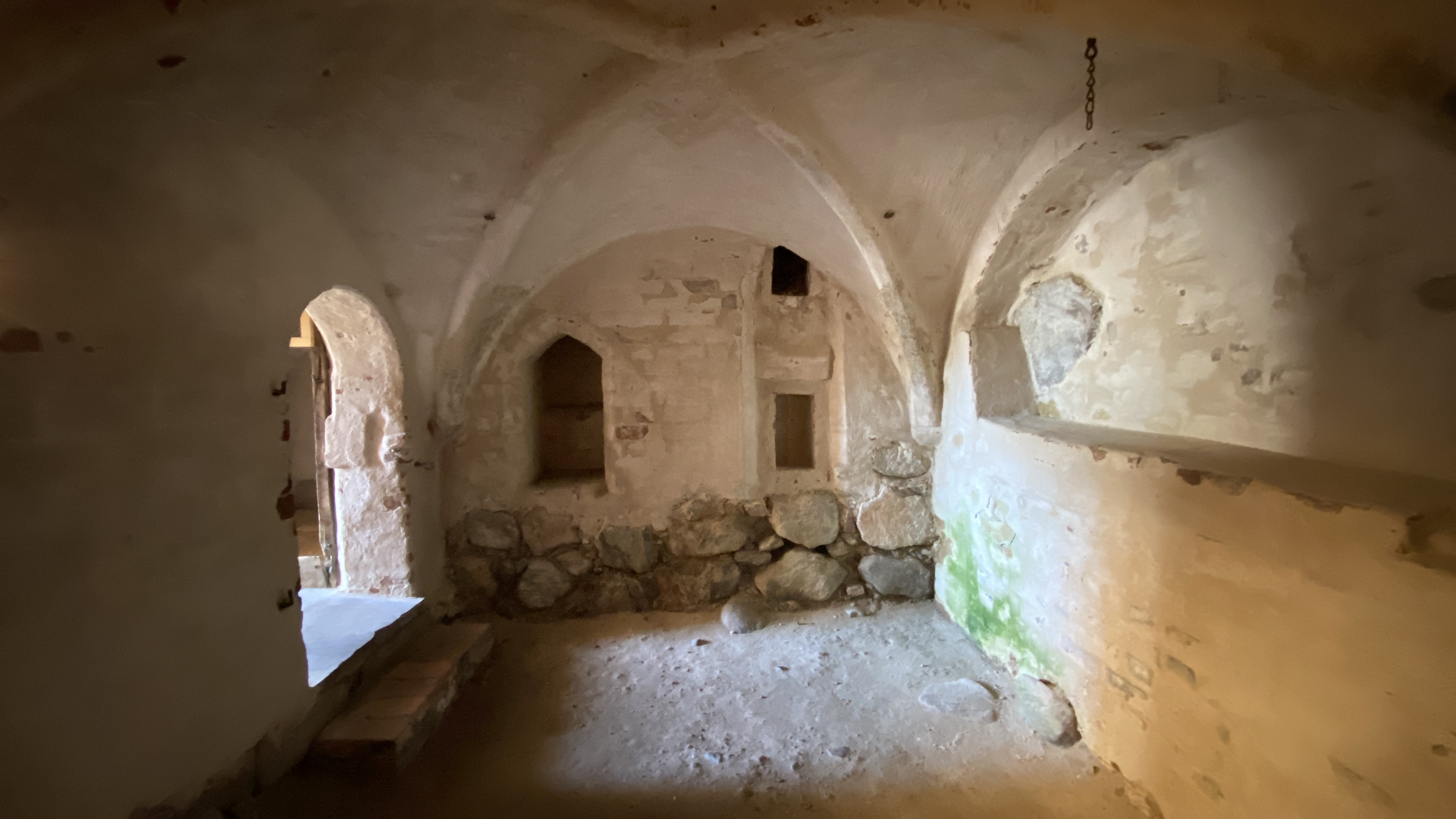
    The interior of a historic room at Julita Manor. It showcases remnants of medieval architecture. The room features arched ceilings and rustic stone walls.
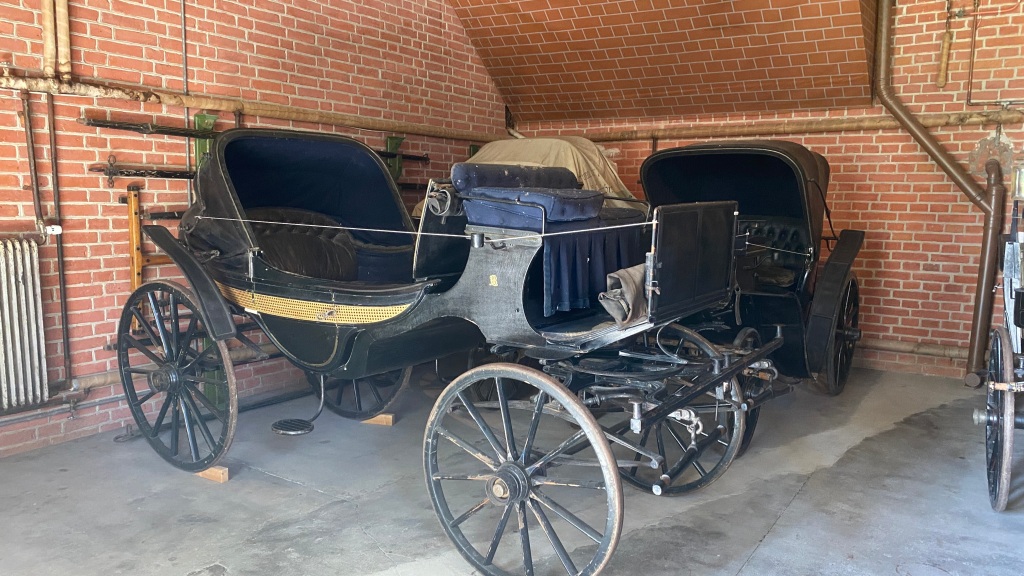
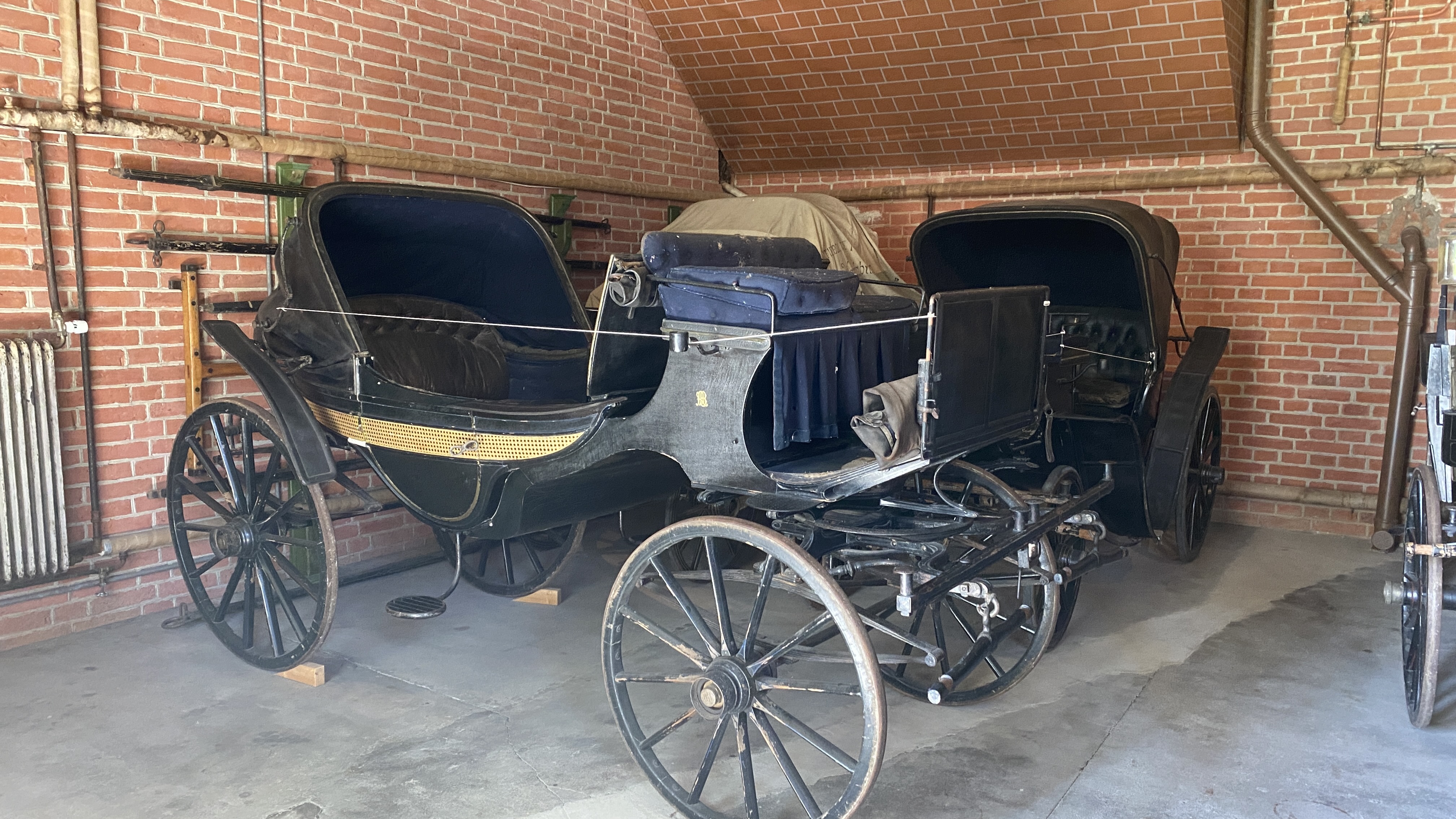
    Historic carriages preserved inside the stable at Julita Manor, reflecting transportation from the past.
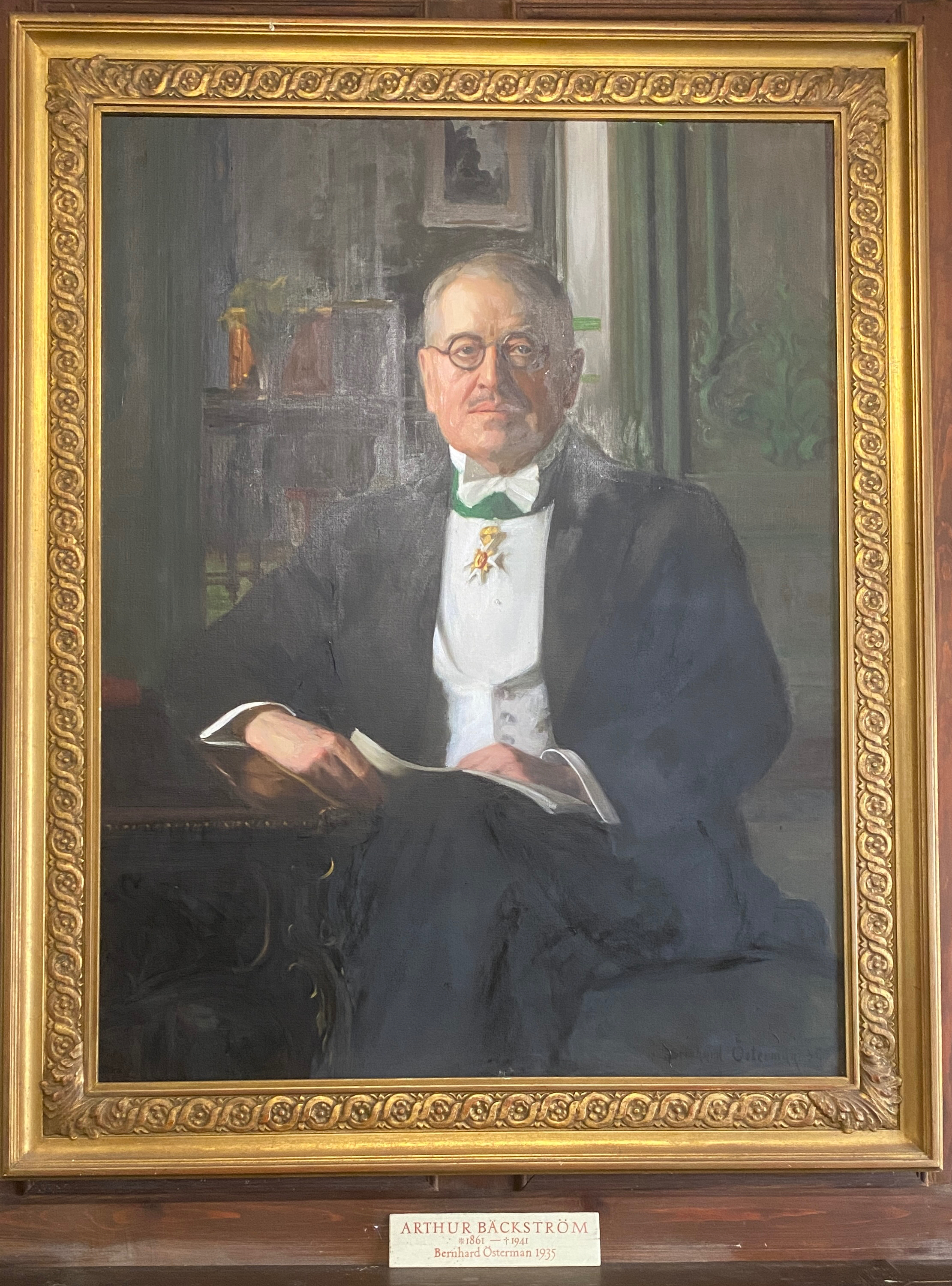
    Portrait of Arthur Bäckström, the last owner of Julita Manor, painted by Bernhard Östergren in 1935.
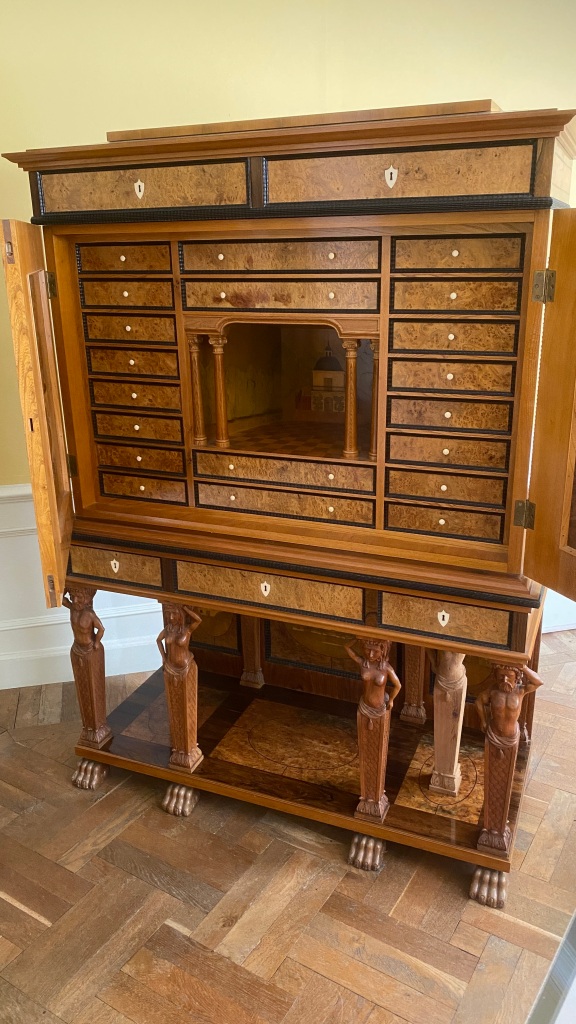
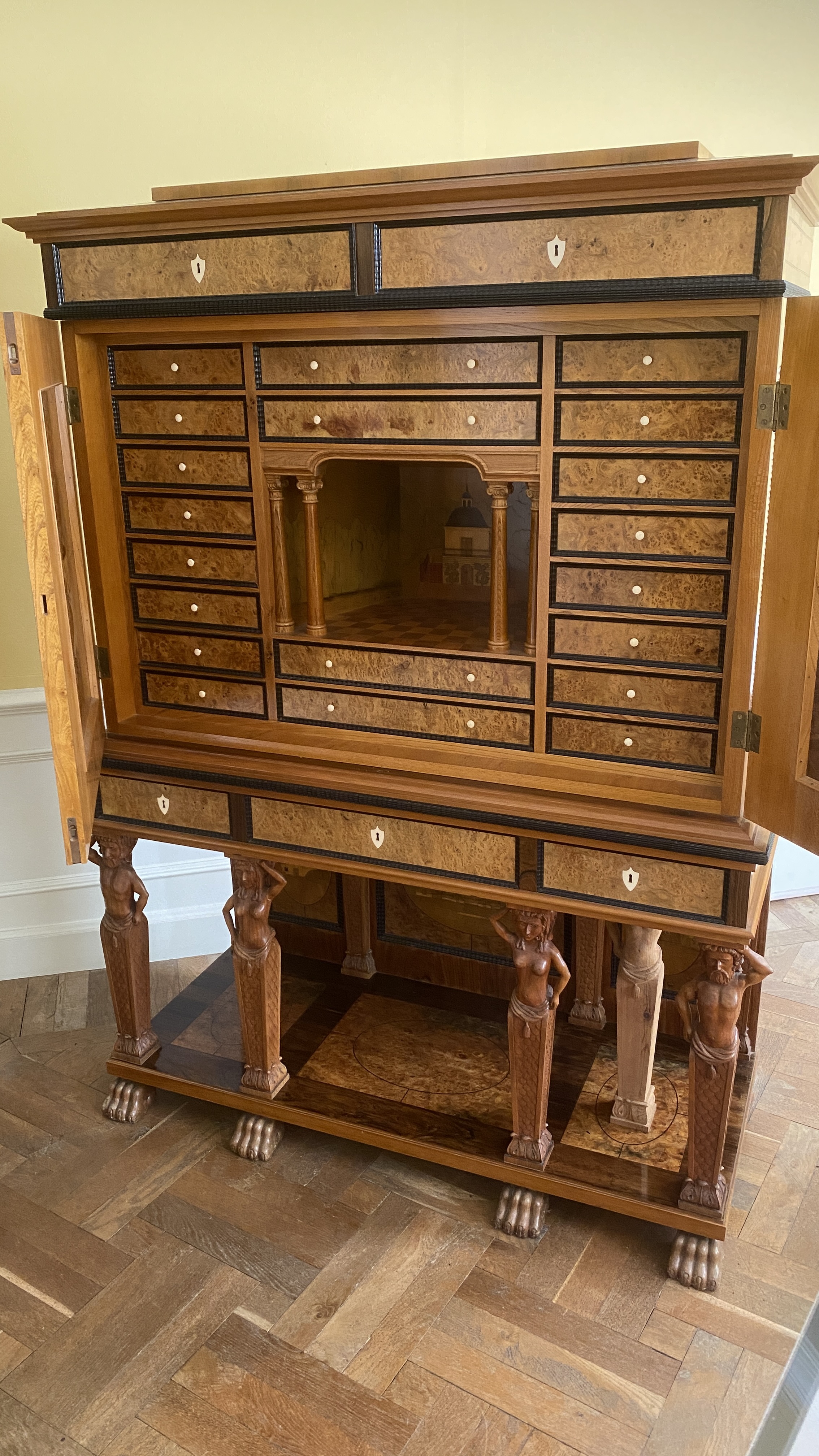
    An intricately designed piece of furniture featuring detailed carvings and many drawers, showcasing exquisite craftsmanship.
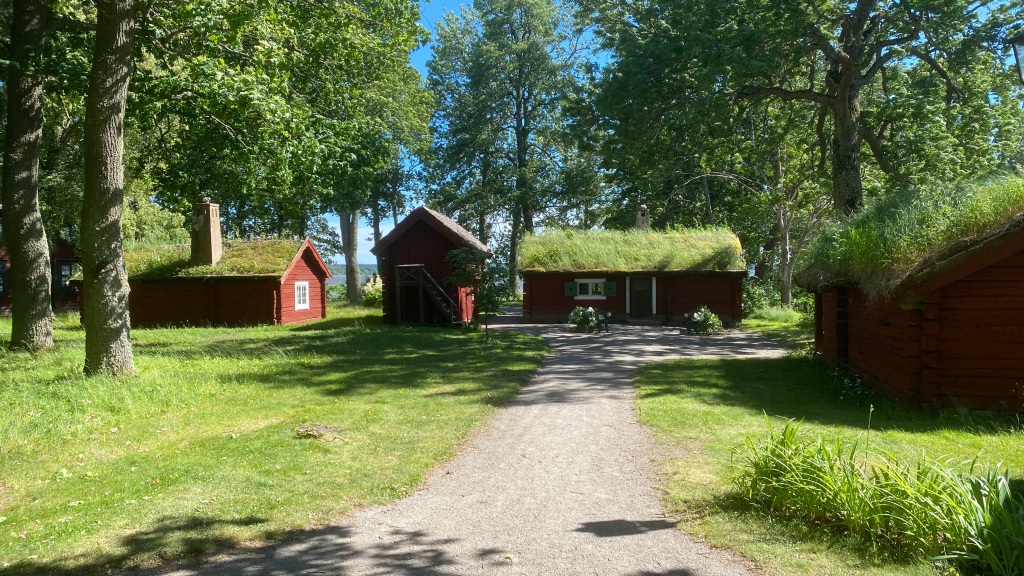
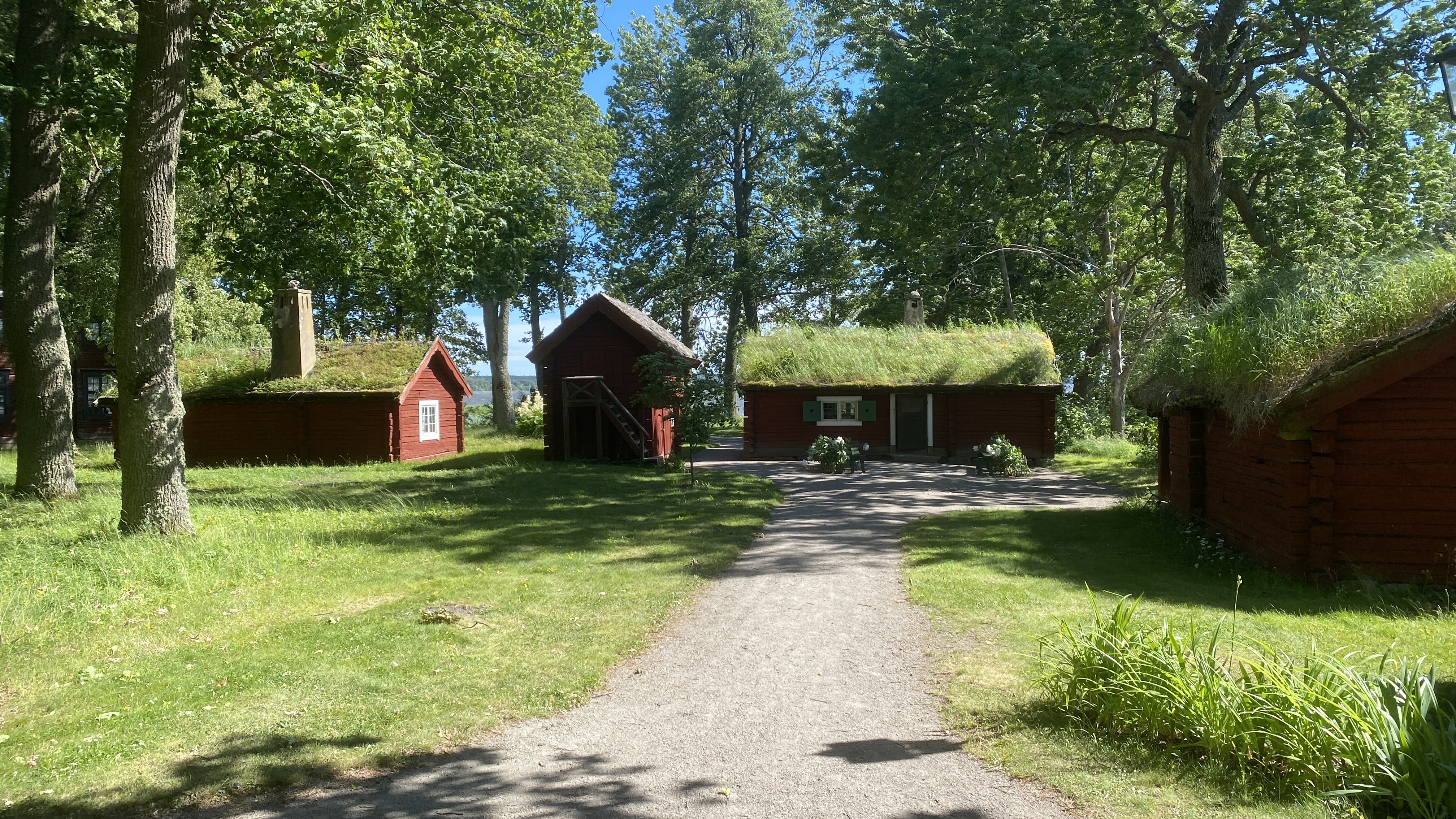
    A scenic view of traditional Swedish red cottages with grassy roofs, located near the historical Julita Manor.
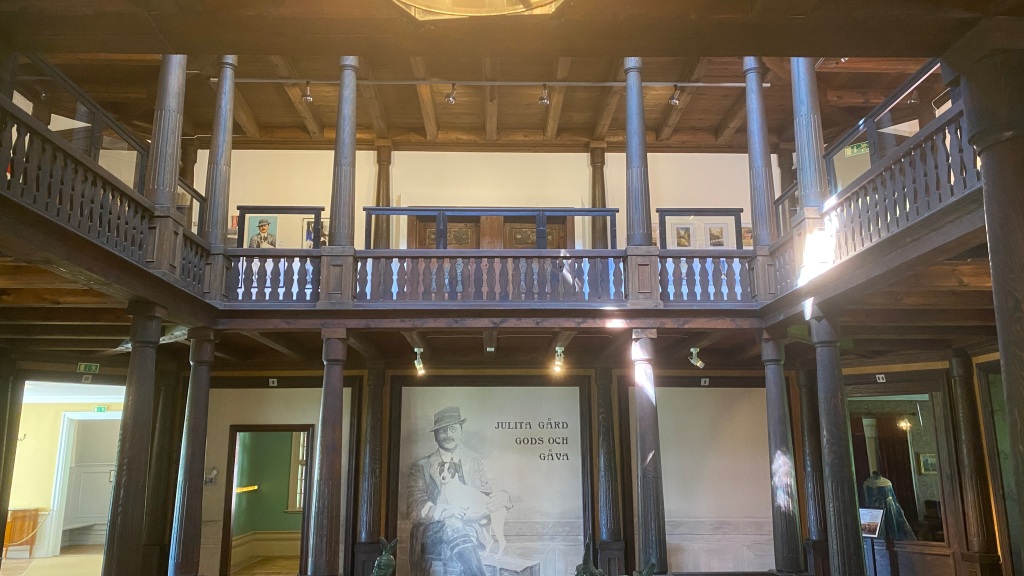
    Interior view of Julita Manor, showcasing traditional wooden architecture and historical artifacts.
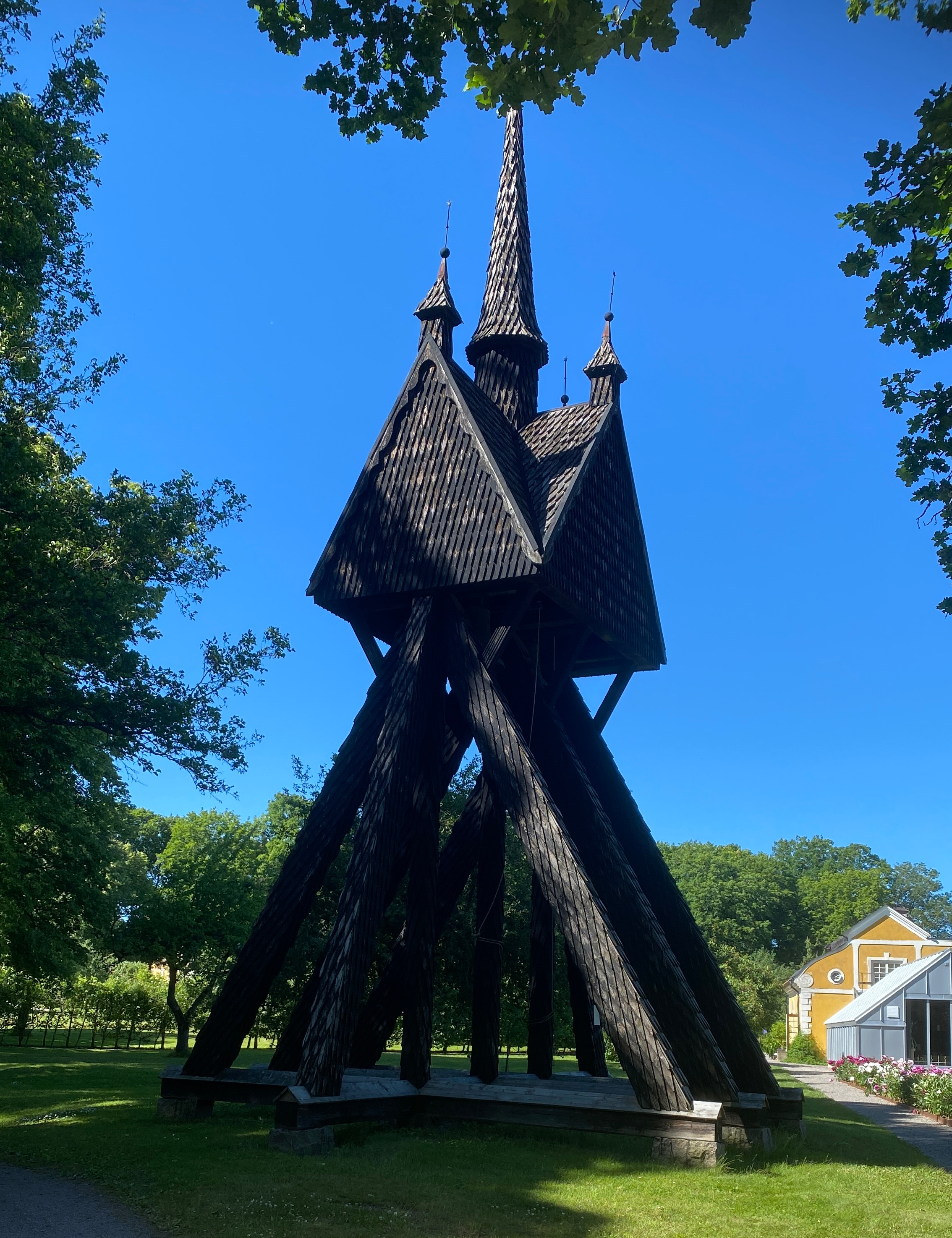
    A wooden bell tower designed according to Arthur Bäckström’s ideas is located near Julita Manor. It showcases intricate architecture against a clear blue sky.
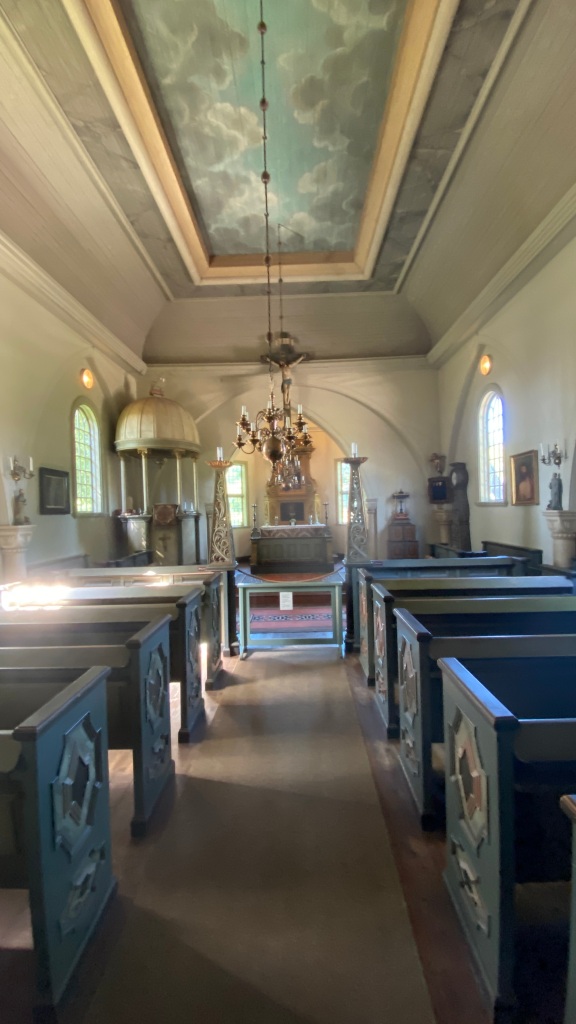
    Interior view of the chapel at Julita Manor, showcasing wooden benches and a decorative ceiling.
  • 𝟱 An Art Journey in the City of Love – Montmartre’s Day

    𝟱 An Art Journey in the City of Love – Montmartre’s Day

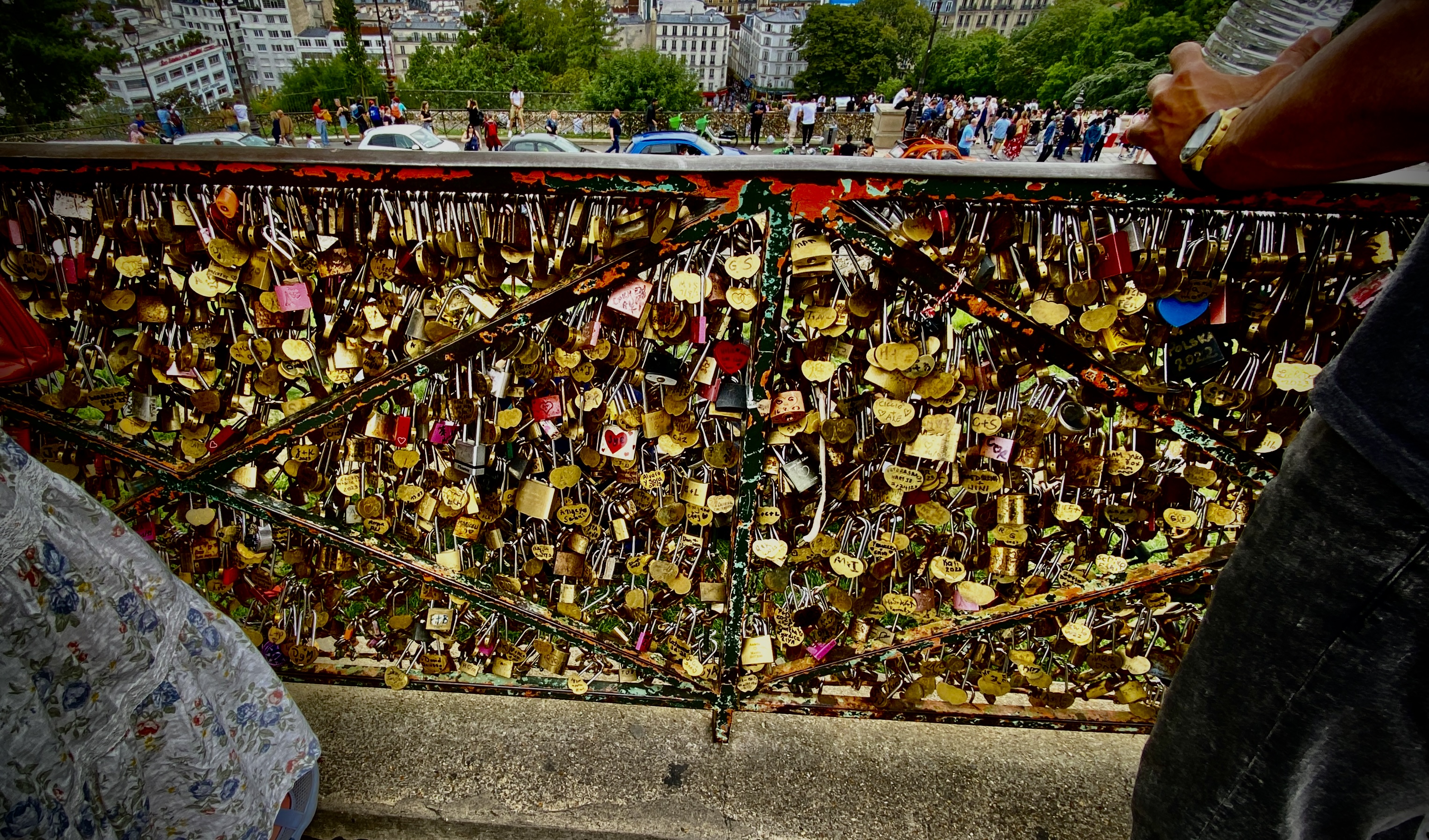
    A collection of love locks attached to a railing, symbolizing promises and memories in the vibrant cityscape of Montmartre.
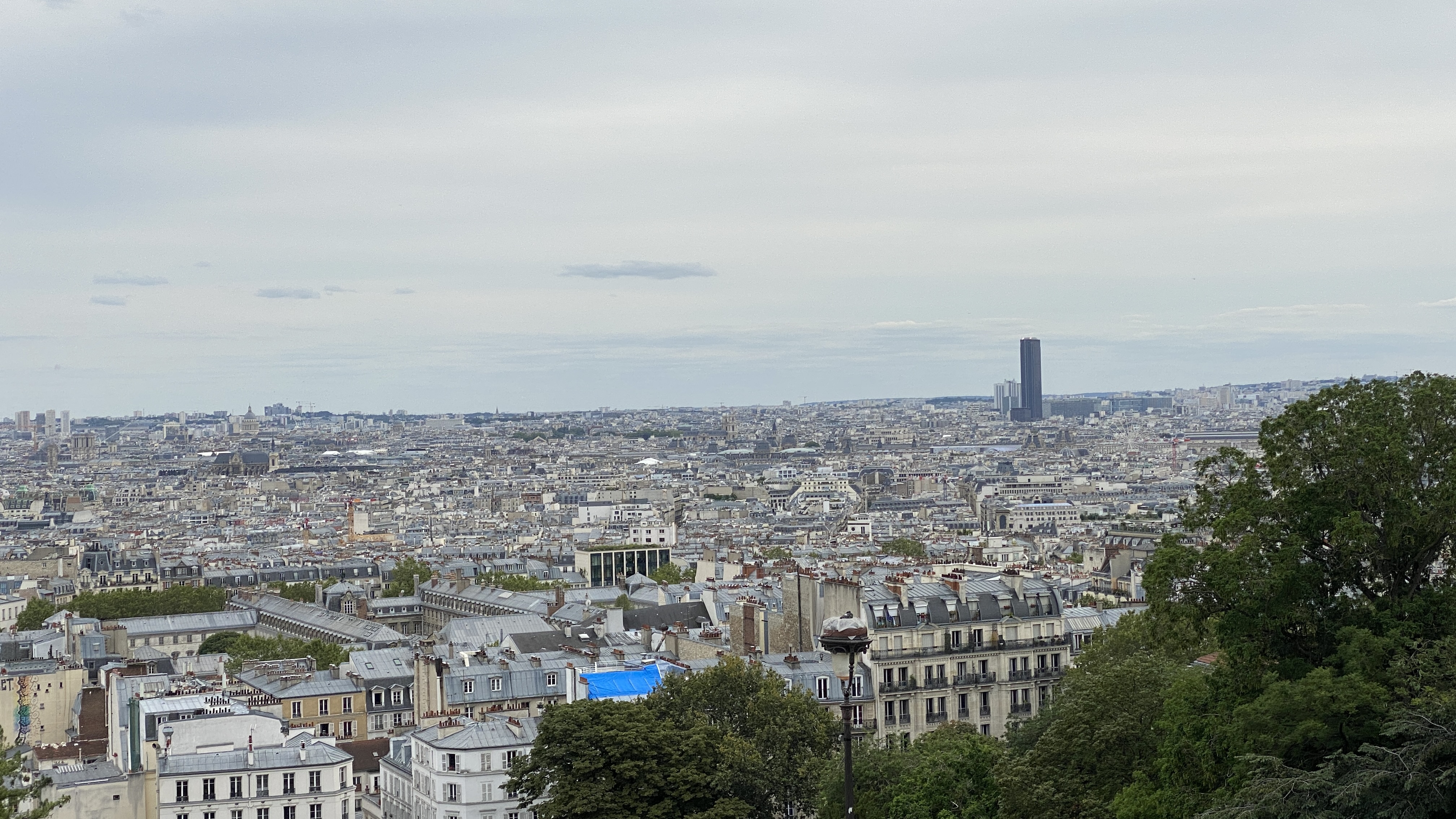
    Panoramic view of Paris from a viewpoint, featuring the skyline and the Tour Maine-Montparnasse in the distance.

    © Björn Blomqvist 2024-06-16

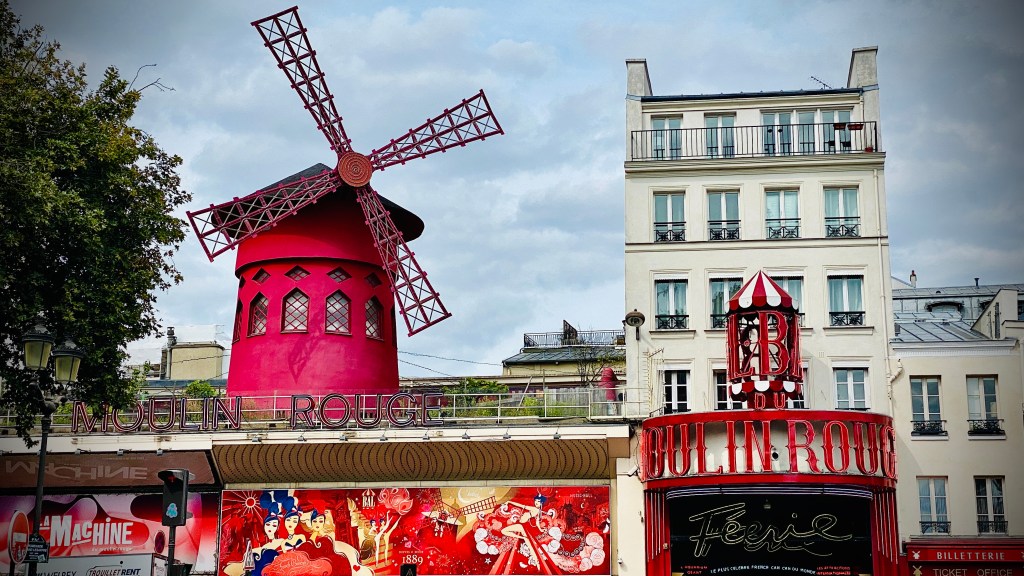
    1. Moulin Rouge is an entertainment establishment at Place Blanche in Montmartre in Paris ↩︎
    2. A square in the 18th arrondissement, a few streets away from Basilica of the Sacré Cœur. From the end of the 18th century until World War One, the whole Montmartre Boheme could be seen here: painters, songwriters and poets. ↩︎
    3. Refers to the classic film Amelie from Montmartre (Le Fabuleux Destin d’Amélie Poulain) – 2001 ↩︎
  • 𝟰 An Art Journey in the City of Love – Mona Lisa’s Day

    𝟰 An Art Journey in the City of Love – Mona Lisa’s Day

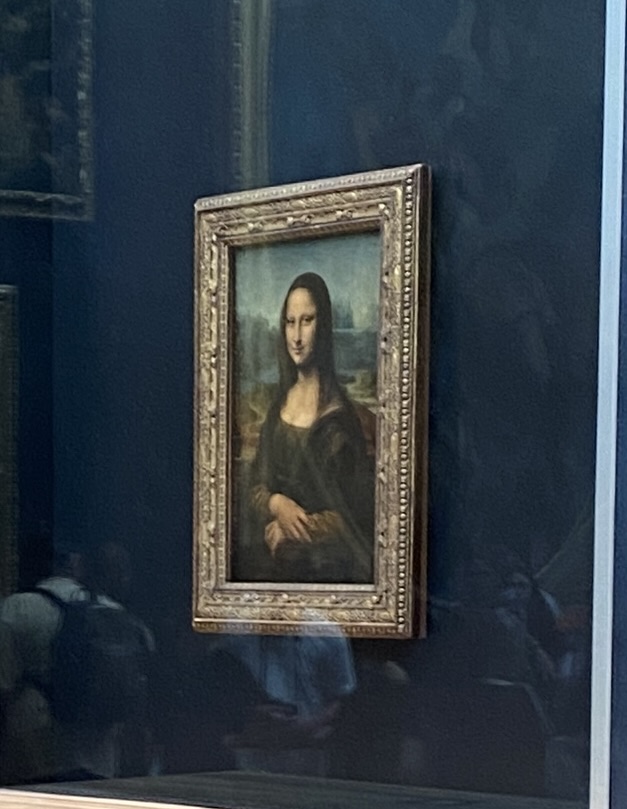
    The iconic Mona Lisa, captured within the Louvre’s walls, showcases her enigmatic smile.
    1. The largest national museum in France. Founded in 1793 and located in the 1st arrondissement of Paris. ↩︎
    2. Mona Lisa (1503 – oil on panel) is the Renaissance artist Leonardo da Vinci’s most famous portrait of, according to tradition, the Florentine Lisa Gherardini, above all known for her mysterious smile. Louvre (since 1797). ↩︎
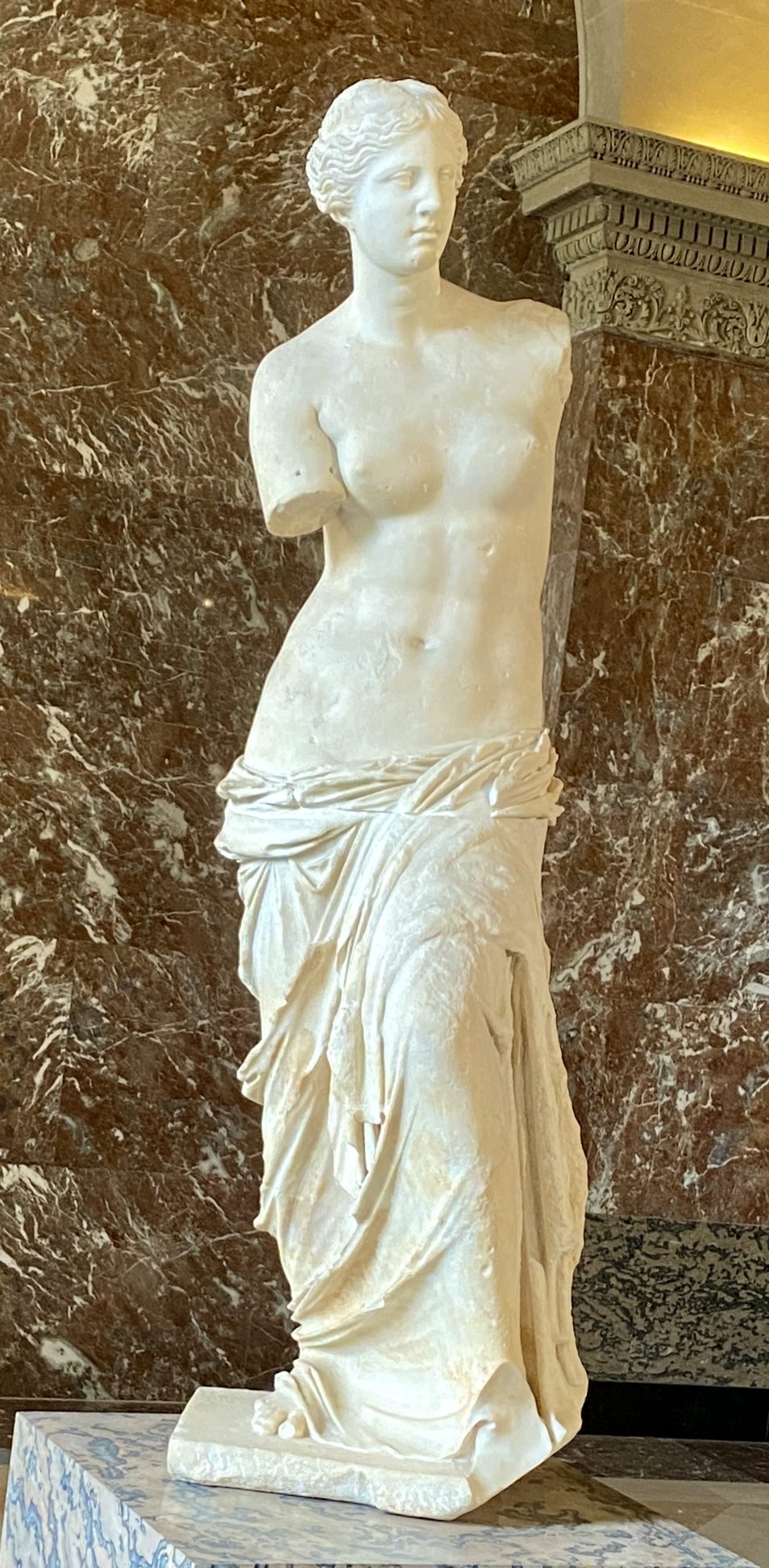
    3. An ancient Greek marble sculpture that was created during the Hellenistic period. Between 160 and 110 BC. ↩︎
  • 𝟯 An Art Journey in the City of Love – Impressions Day

    𝟯 An Art Journey in the City of Love – Impressions Day

    Jean-François Millet’s ‘The Gleaners’ (1857), showcasing peasant women gathering leftover grains in a rural landscape.
    Vincent van Gogh’s ‘The Bedroom’ (1889) is a vibrant depiction of the artist’s personal sanctuary. It showcases his unique use of color and form.
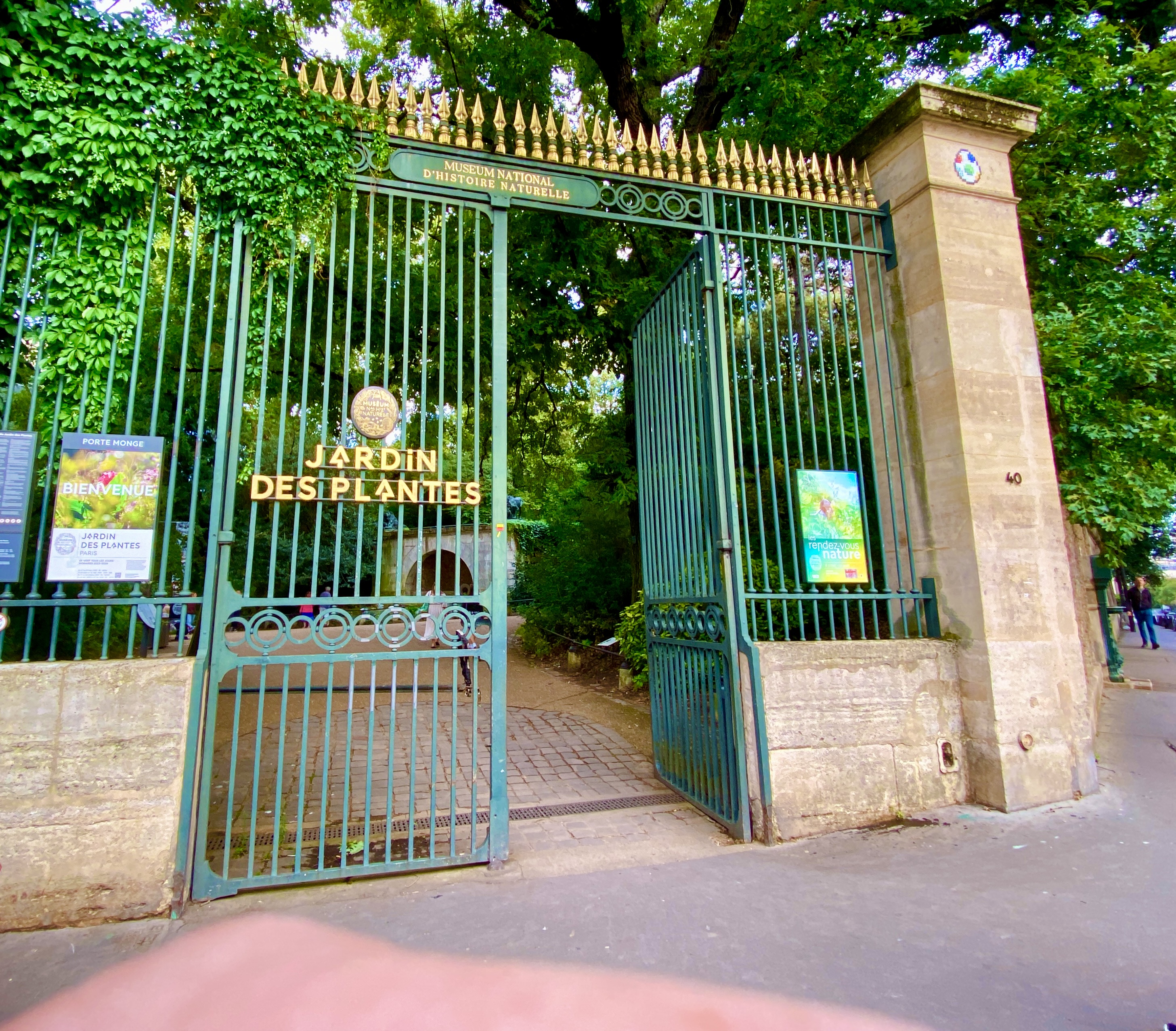
    Entrance to the Jardin des Plantes, a historic botanical garden and zoo in Paris.
  • Bråviken i alla ära – men Femörehuvud levererar

    Bråviken i alla ära – men Femörehuvud levererar

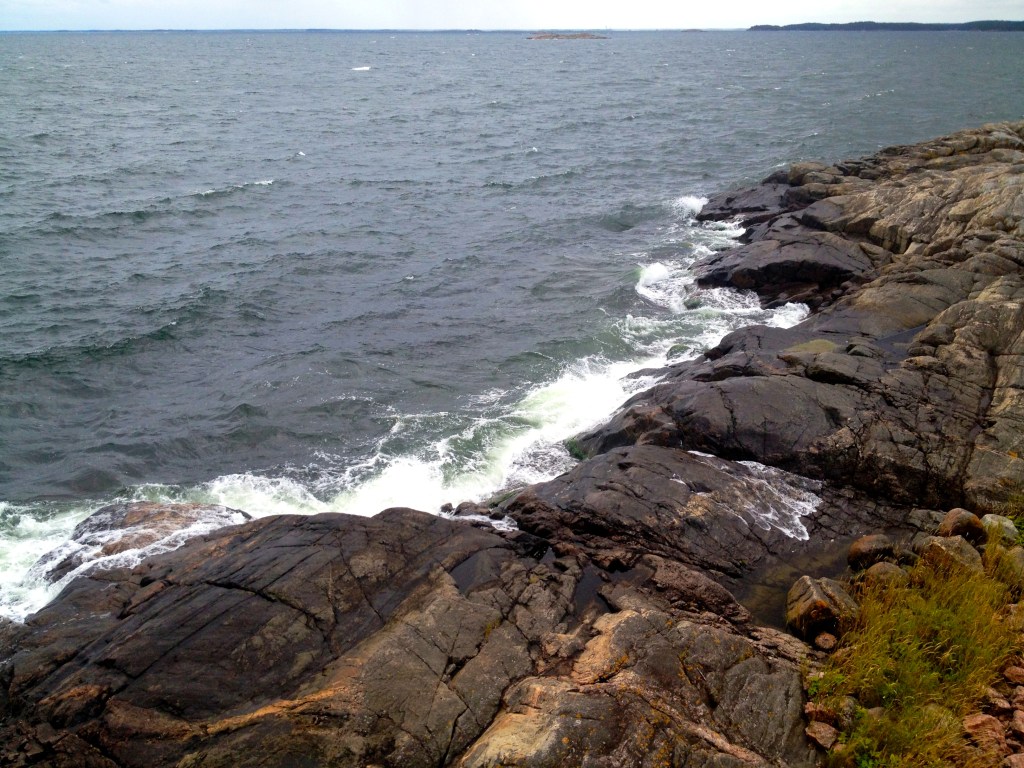
    På huvudet, två uppspända ögon som möter naturens estetiska kraft…

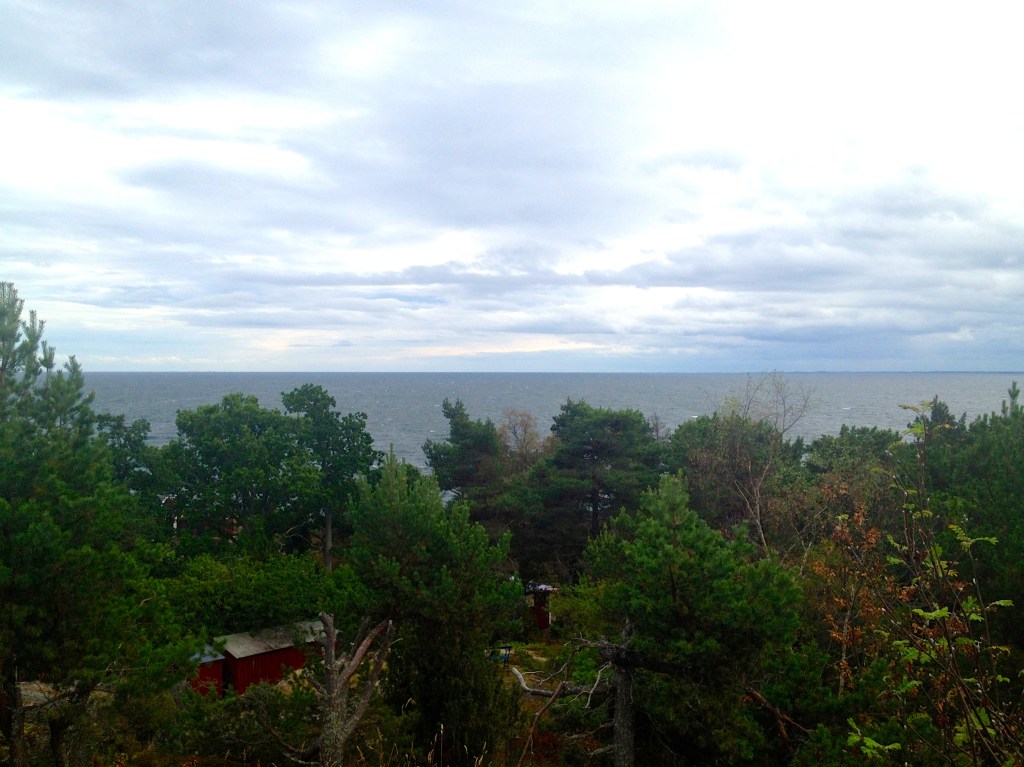
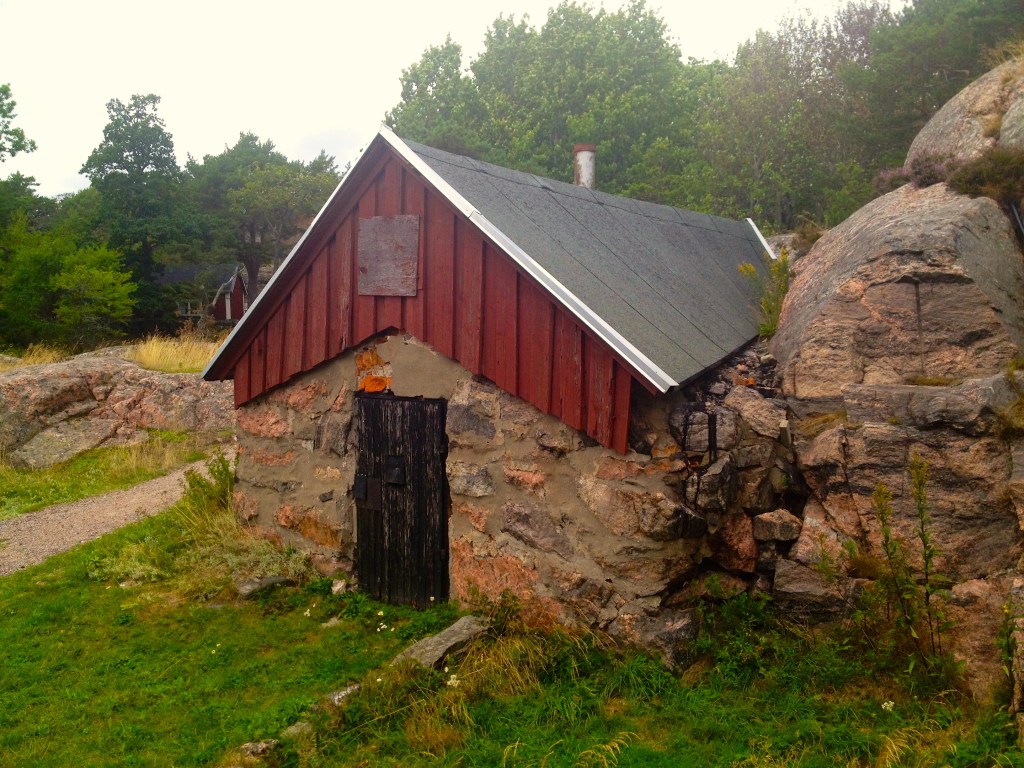
    Femörehuvud finns flera attraktioner. Det finns ett museum över kalla krigets dagar (Femörefortet). Det finns också ett naturreservat och ett konstnärstillhåll. Dessutom är det en vacker plats att vila ögonen på. Femörehuvud är mer eller mindre stadens pärla. Oxelösund – staden vid havet, orten med den vackra skärgården. 

    Välbesökt och välbevarat. Faktiskt en inspelningsplats (2009) – i den tyska långköraren Inga Lindström, är Femörehuvud ett måste för alla att få uppleva.

    Jag höll hundkopplet med ena handen och mobilkameran med den andra. Bilderna fångades snabbt. De fångade mig i ett havskast av estetisk skönhet.

    Ett kulturmöte som blev ett naturmöte med havsvågorna slående mot klippan, gjorde ingen skillnad. Lika tagen och lika begeistrad som vanligt gjorde jag mitt för att njuta av naturen och samtidigt dokumentera den.  

    © Björn Blomqvist 2014-08-17

  • Nygammalt kulturmöte

    Nygammalt kulturmöte

    I och med detta kulturmöte hamnade jag på Sörmlands museum och Kungstornet, vilket var nostalgiskt. Det kändes som att återvända till en gammal skola där man ser spöken av gamla kollegor. Ingenting har förändrats, vilket känns tryggt men lite skrämmande. Några av mina kollegor är fortfarande kvar.

    Jag beslutade mig för att delta i en stadsvandring som handlade om hus på östra sidan av Nyköpingsån. Jag ville se om jag kunde hitta en byggnad som kändes bekant. Även hus har sina hemligheter! Med 28 personer, inklusive mig, var vi en grupp nyfikna (och kanske lite trötta) turister.

    Trafiken var den största plågan med denna vandring. Det kändes som att försöka köra en 10-mils rally på en cykelbana! Tunga fordon for förbi som om de trodde att de ägde gatorna. Bullret från trafiken var öronbedövande, som en kaotisk orkester av motorer!

    Björn Blomqvist 2013-07-25

  • En kungaskiss och en historieskrivning

    En kungaskiss och en historieskrivning

    Kungamålare, kompanister och andra ledsagar oss längs Nyköpingsån. Idag fick jag uppleva Nyköpings historia på ett teatralt och underhållande sätt, tillsammans med historiska figurer från staden. Vi fördes tillbaka i tiden genom upplevelser ur Nyköpings rika historia.

    Duktiga skådespelare ger en fängslande och humoristisk skildring av Nyköpings historia, från 1600-talet till 1900-talets “utstämpling”. Årets upplaga av de dramatiserade vandringarna längs Nyköpingsån är lika imponerande, om inte mer, än förra året. Tack vare skickligt skådespeleri, engagemang och autentiska kläder leds vi genom historien med entusiasm. En skicklig regi får oss att glömma både tid och rum.

    För närvarande är den enda tid och plats som existerar den som utspelar sig framför oss. Den transporterar oss till spelets tidsperiod. Gestalterna, som först är stilla som dockor, kommer till liv och bjuder oss på en humoristisk och tidsenlig historiebeskrivning. Jag rekommenderar varmt denna dramatiserade vandring längs Nyköpings stoltaste farvatten. Som SN:s artikel på kultursidan den 1 juli uttrycker det: ”Sällan har en timslång promenad varit så underhållande”.

    Björn Blomqvist 2011-07-03 

  • Trädgårdskonst och två kungliga slott

    Trädgårdskonst och två kungliga slott

    När våren spirar och sommaren närmar sig, observerar jag tomtägare flitigt syssla i sina trädgårdar. Detta väcker min reflektion kring trädgårdskonstens fascinerande historia. Jag tänker särskilt på den stil som uppstod under 1600-talet. Min insikt om denna stil har jag förvärvat genom mina studier i konstvetenskap vid universitetet. Det är intressant att notera hur under medeltiden och renässansen trädgårdarnas praktiska funktioner prioriterades över deras estetiska värde.

    Men på 1600-talet och under barocken fick trädgårdarna en estetisk betydelse och blev mer integrerade med byggnaderna. På konstvetenskapen lärde vi oss om de utmärkande dragen hos barockträdgårdar. Vi studerade också de framstående trädgårdsarkitekterna i Europa under denna period. Enligt min ödmjuka mening är två av de mest kända och vackra barockträdgårdarna belägna i Sverige och Frankrike.


    Drottningholms slottsträdgård, en storslagen barockträdgård i Sverige, bär på en kunglig magi som förbinder den med en annan berömd trädgård. Jag minns med glädje mitt besök där för några år sedan; det var som att kliva in i en dröm. Denna juvel, vars praktfulla utseende återupprättades på 1960-talet av mästerverk som Tessin d.y. och Johan Hårleman, förtrollar besökare med sin uniformitet och elegans. Trädgårdens design, en manifestation av 1600-talets stil, flödar med barockens grandeur. Med en parterr fylld av magnifika rankmönster och symmetriskt placerade växter är denna plats beundransvärd. Dess fängslande fontäner inspirerar alla som besöker den.

    Drottningholms trädgårdsarkitektur lyser av inspiration från det franska mästerverket signerat André Le Nôtre. Trädgården, med sin prydliga och symmetriska utformning, har en central gångväg/mittaxel som harmoniskt speglar sig på båda sidor. Längre ut kan man upptäcka de unika sidorna om mittgången. Dessa sidor är ändå arrangerade med en vacker symmetri. Detta arrangemang ger en känsla av balans och skönhet i varje vrå.


    André Le Nôtre är mest känd för att ha skapat barockens två främsta trädgårdar: Vauxe-le-Vicomte och Versailles. Just Versailles trädgård är den som verkligen utmärker sig som ett bevis på Kung Sols extravagans och rikedom. På 1600-talet lät Kung Ludvig XIV (Kung Sol) Le Nôtre anlägga denna imponerande parkanläggning och trädgård. Le Nôtre samarbetade dessutom med Louis Le Vau och Charles Le Brun vid skapandet av Vauxe-le-Vicomte.

    Björn Blomqvist 2011-05-09