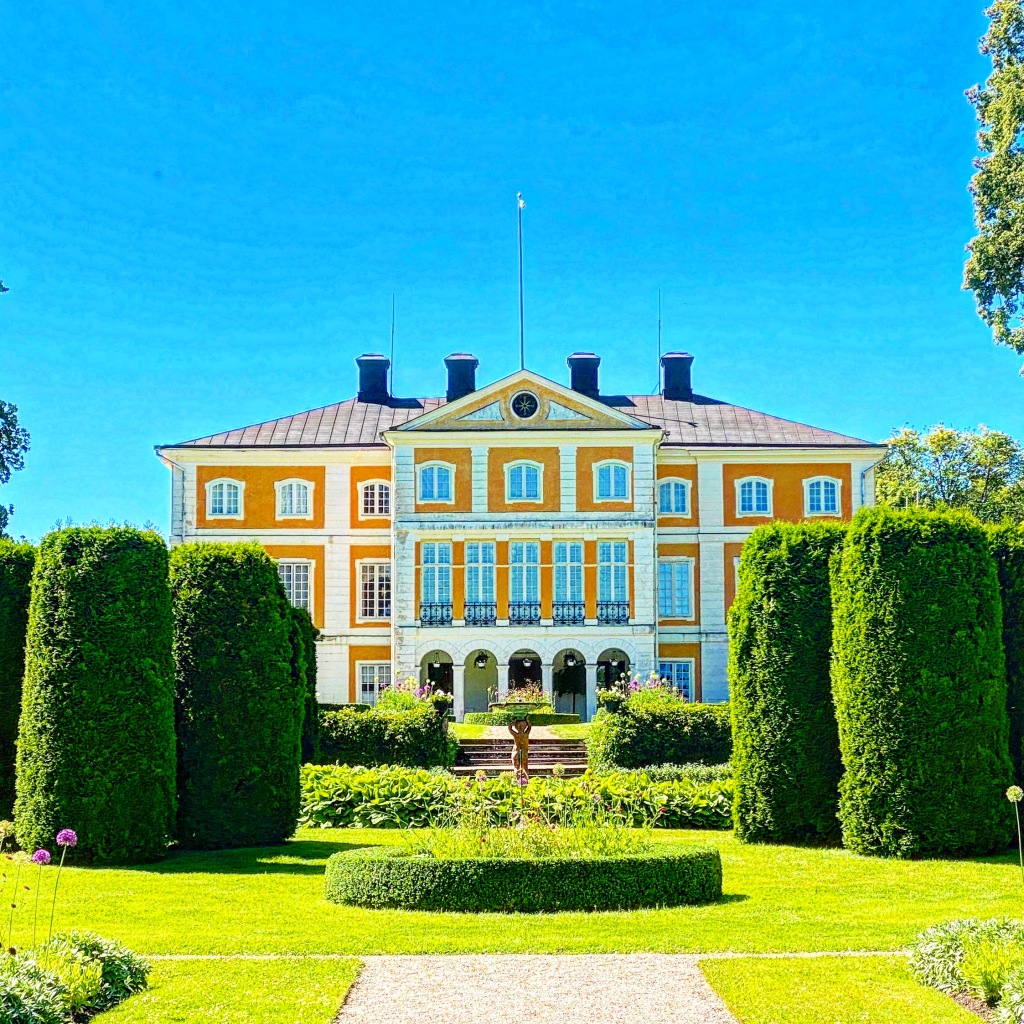
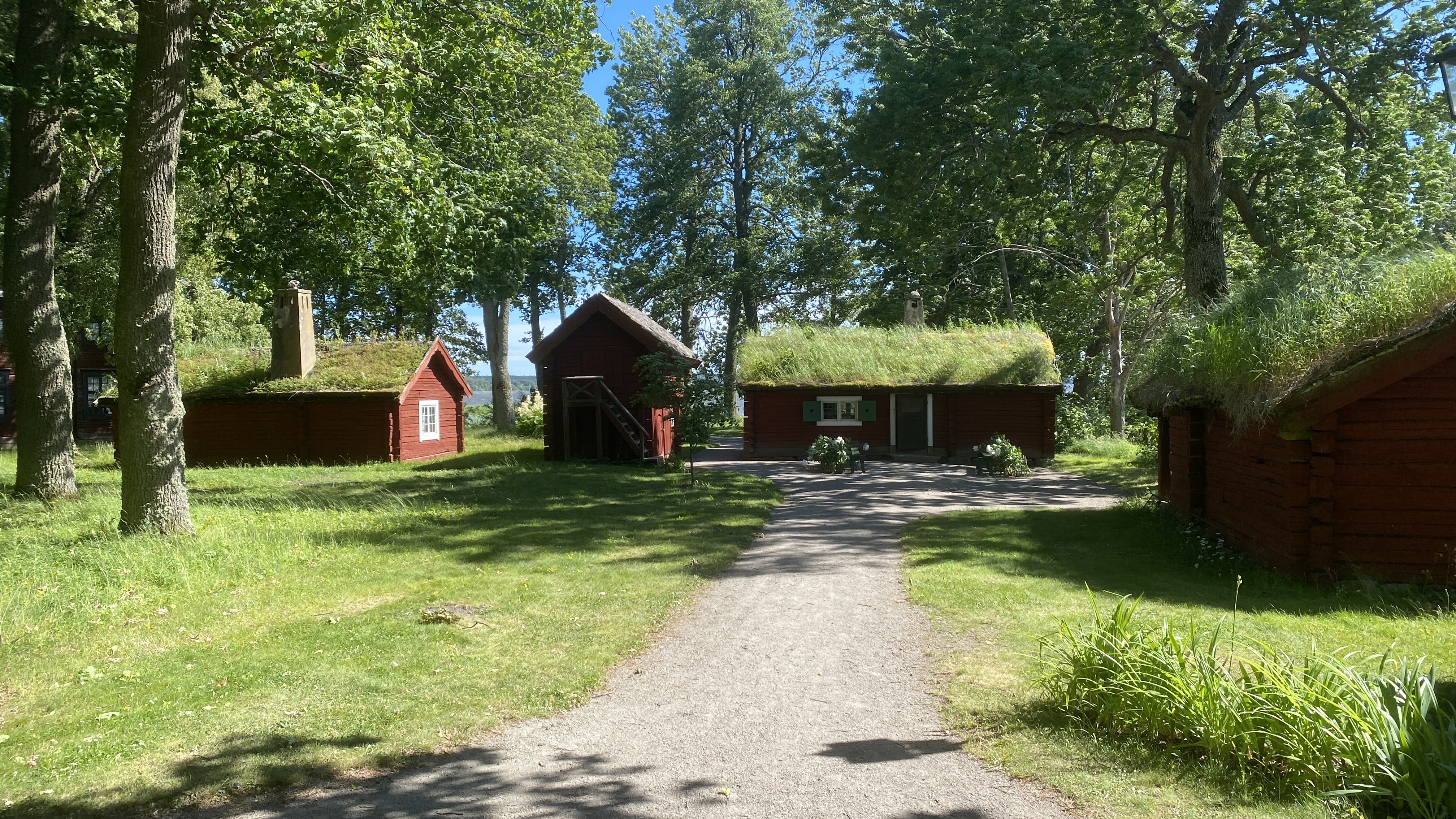
Julita Manor dates back to the 12th century and reflects Swedish cultural history. Its past includes medieval monasteries and 20th-century manor life. Guided tours reveal its secrets and tell stories from Arthur Bäckström’s era, covering salons, workshops, and the church. These tales help explain the interaction between history, people, and the environment in this cultural heritage.
The wind was blowing from the west. The waves at Öljaren were as high as my expectations for a full day trip to Julita manor. The place where the manor is now located dates back to the end of the 12th century.
It is an important historical place in the county where we live. It is just a 1 hour and 20-minute drive away, too close to miss. Julita Manor is now part of the Nordiska Museet, where it was donated by its last owner, Lieutenant Arthur Bäckström.
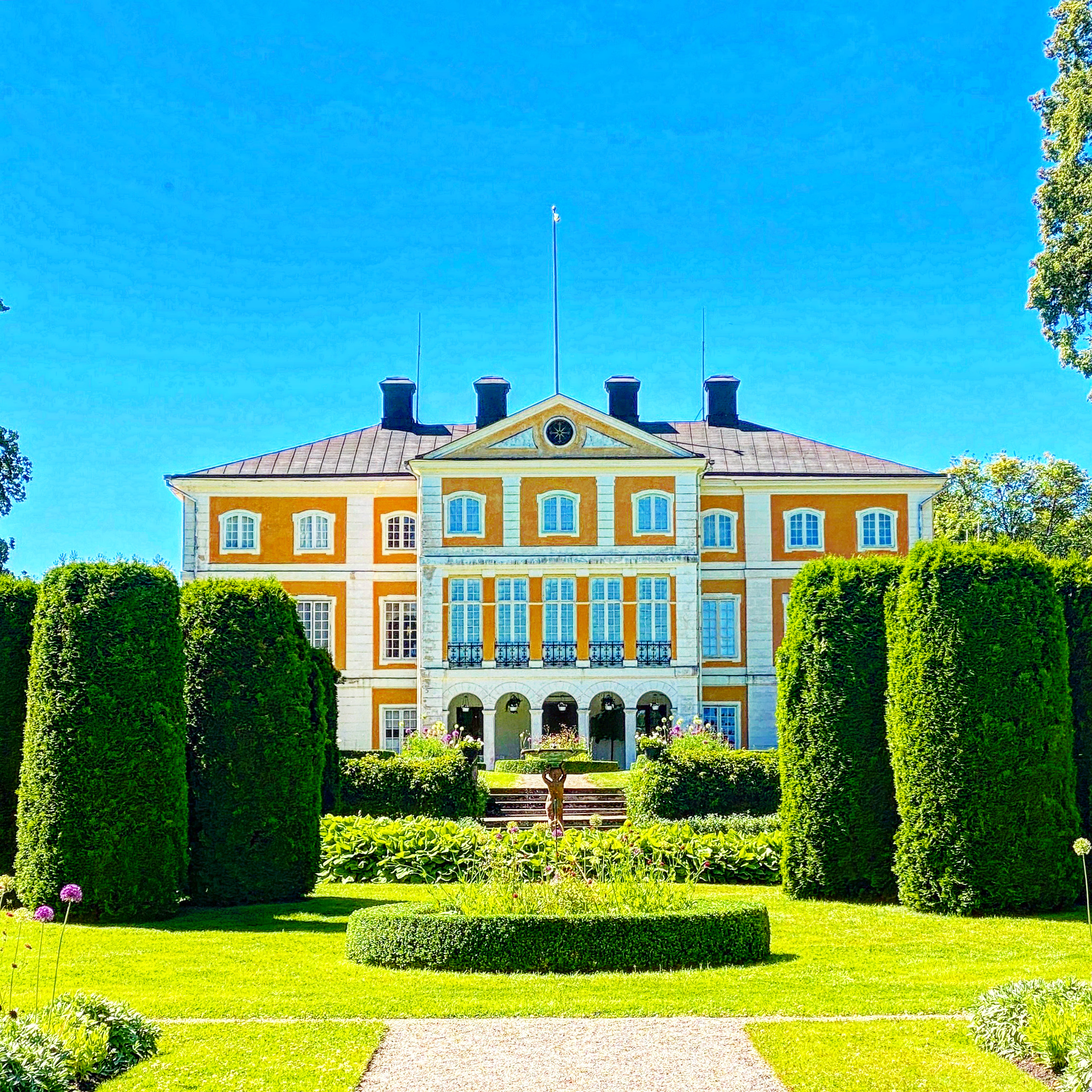
I will reproduce everything here as best I can. It includes what my eyes and ears caught during and after the guided tour and stored in my memory.
The house, known as the big house, is significantly younger than the area. The main building was constructed in the 17th century but burnt down in the mid-18th century. A new house in the classicist style was built on the site sometime in the 18th century.
Arthur Bäckström’s parents bought the manor at auction in 1892 after the Palbitzki family. The house was completely empty at the time of purchase. The Bäckström family put their own stamp on the house. They customized its exterior and associated buildings. They also personalized everything I got to see inside the house.
The house has been owned by Arthur Bäckström since 1902, when he inherited it from his father, Johan Bäckström. He leased the farm until his death in 1941.
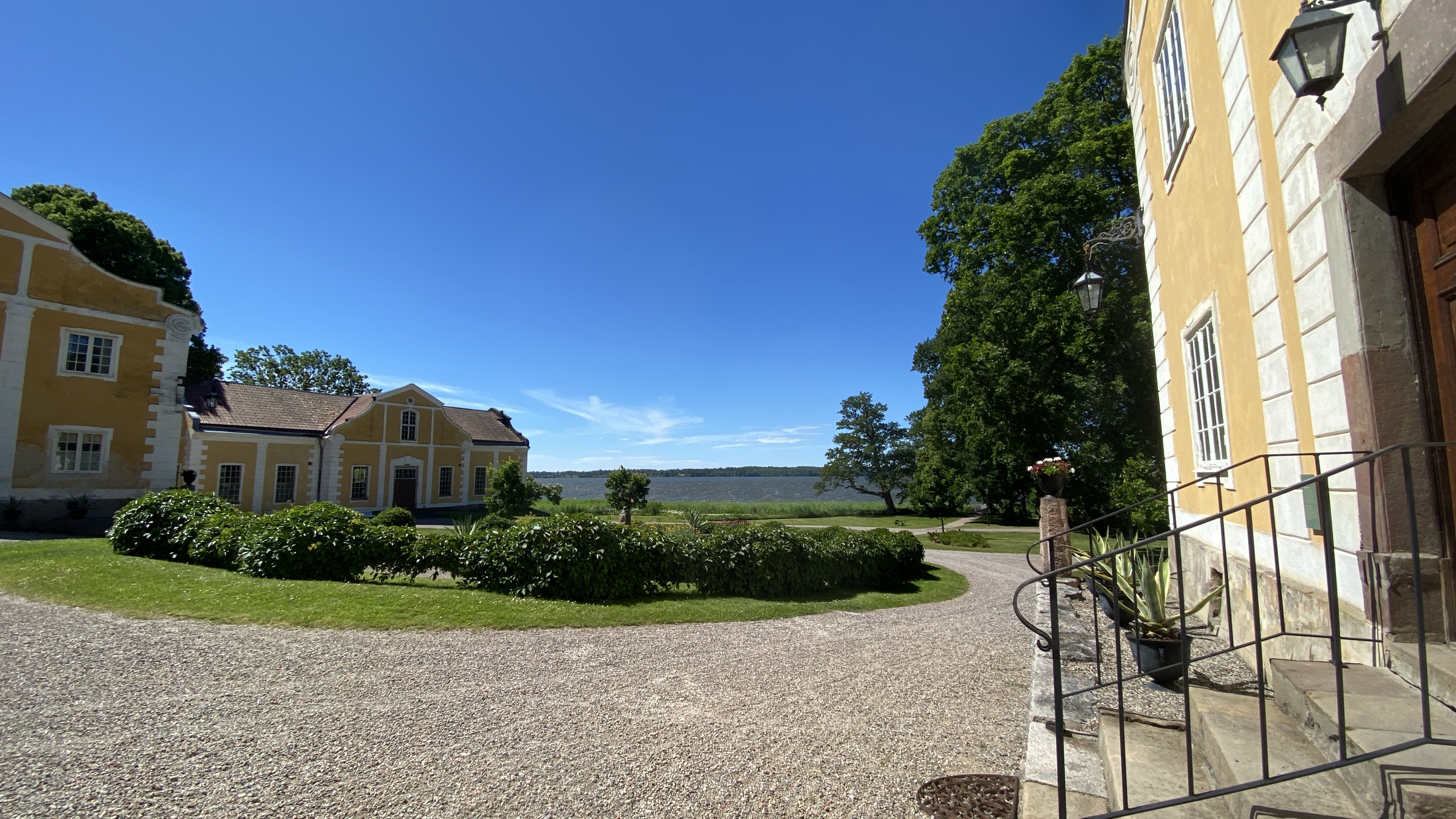
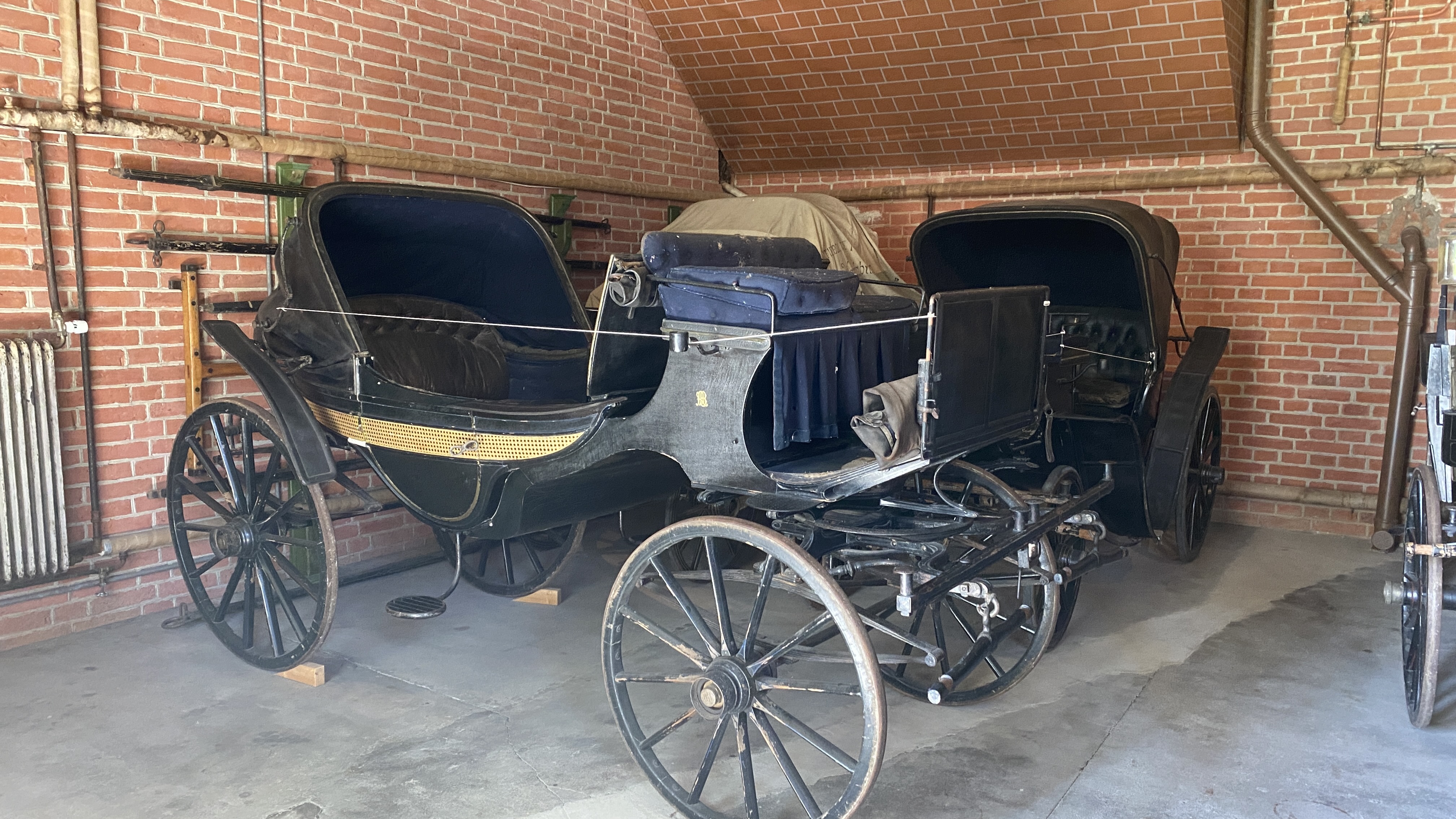
The tour guide was able to explain a lot to me, just to me, in an engaging way. Dressed in period clothing, the guide started the performance. A coachman’s residence was one of the buildings added during Arthur’s time on the farm. A stable was also added. In addition, a carriage wing was constructed.
We did the guided tour in shifts. We had our dog with us, which is okay in the area. You just need to keep the dog on a leash.
Speaking of dogs, it was dogs that were dear to Arthur Bäckström’s heart. They were his children. Since he didn’t have any kids of his own, the dogs were part of his family. It is also said that the dogs are buried where he himself is buried.
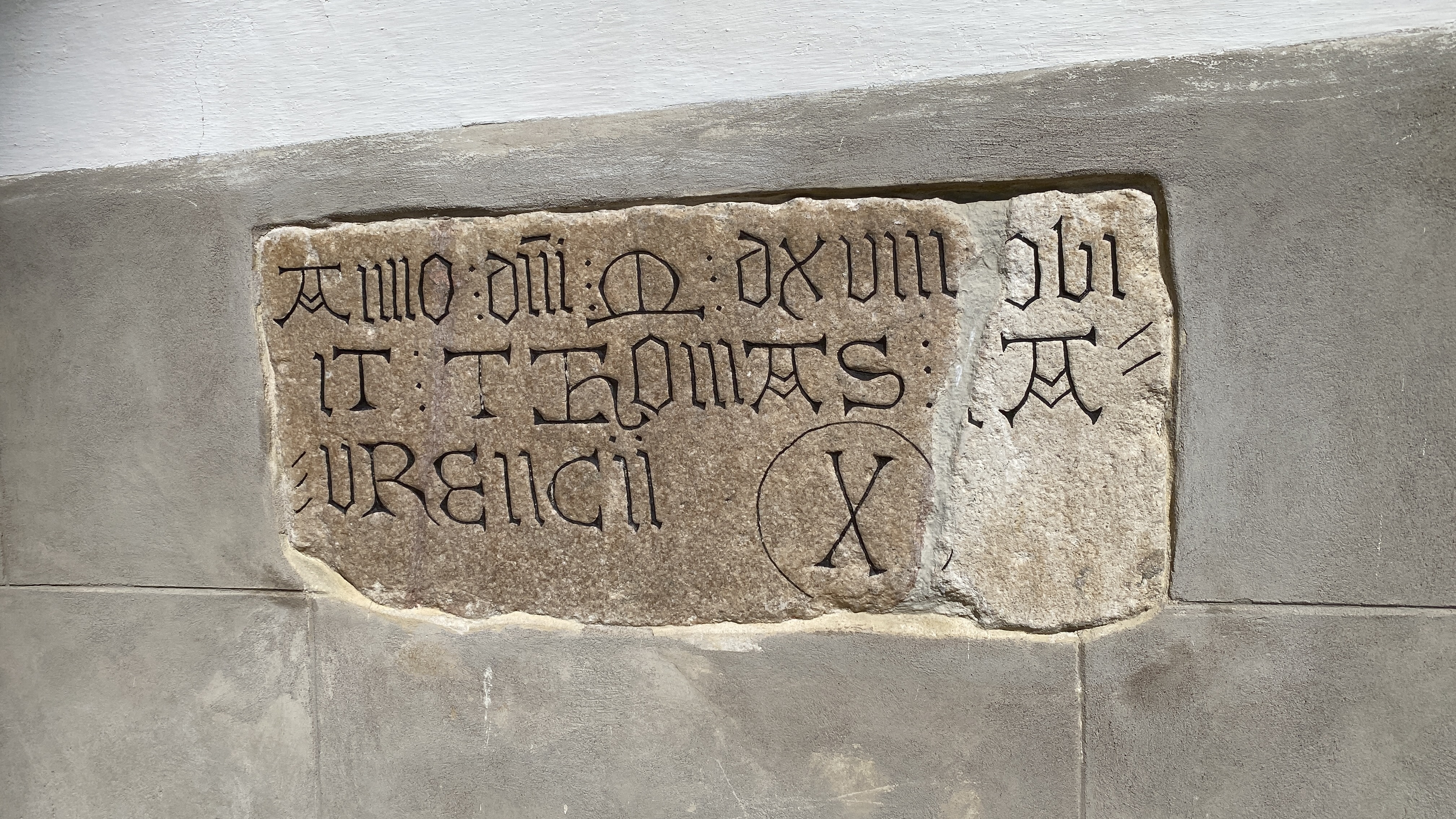
At the end of the 12th century, specifically in 1180, I learned that King Knut Eriksson donated the farm Säby. This farm corresponded to most of Julita parish. It was given to the Cistercian order. A monastery was built where the manor stands today.
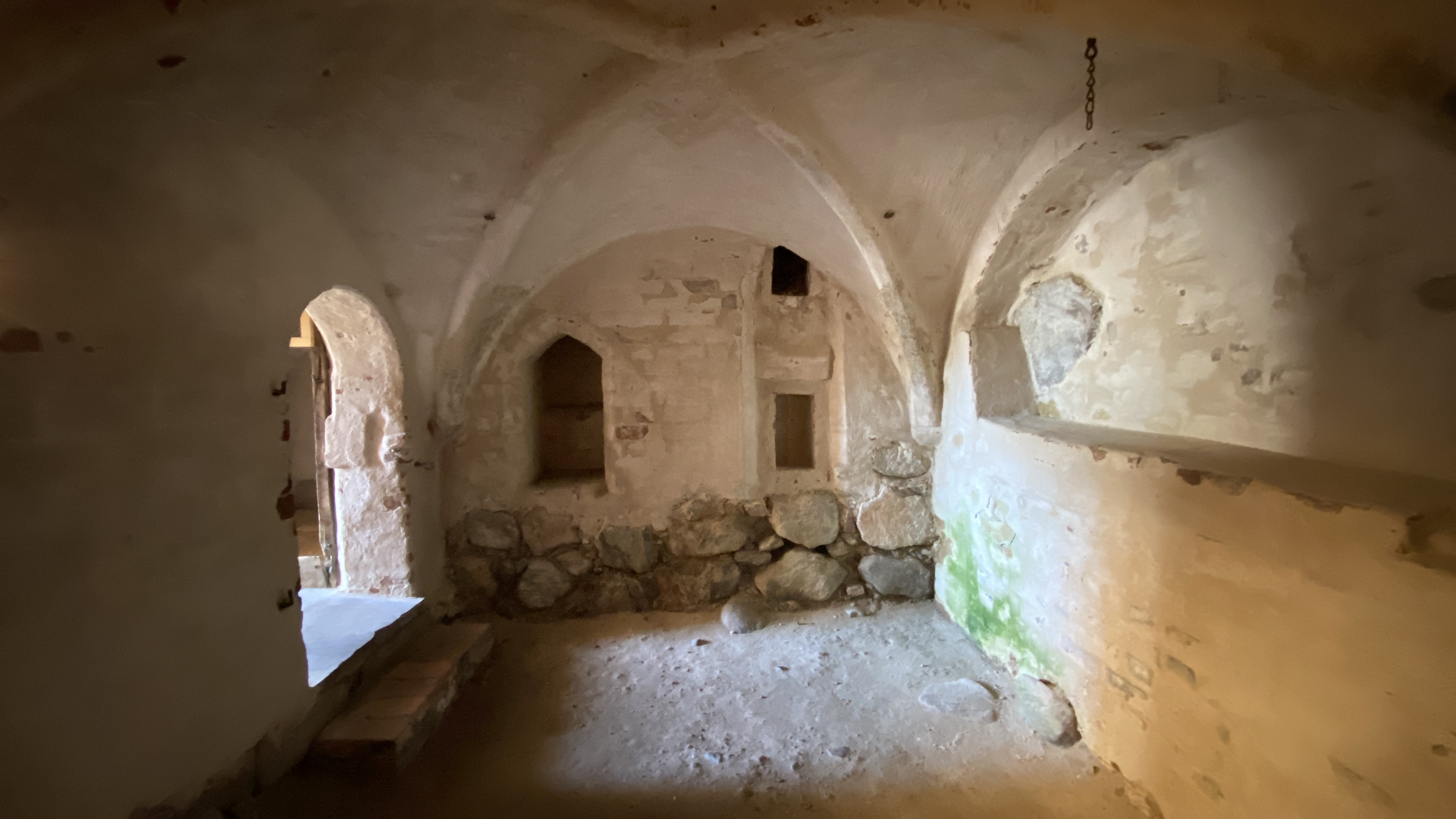
The monks built vaults where the south wing now stands. You can go down under it and look to see what the vault, which the monks built, looks like. Even the dog was welcome down. In the wing, there is a large kitchen for cooking for everyone in the mansion. There was another kitchen in the north wing. It was used to cook food for guests and passers-by. It also served as a soup kitchen for vagrants who often came by.
During one and the same year in Arthur’s time. If I remember correctly, the guide said there were 1600 hobo visits in a year, which is documented. It makes me think that maybe Arthur cared about everyone. He wanted to help the poor and hungry. He also wanted to make sure everyone who worked on the estate was fine.
Lake Öljaren is to the west. The manor house is to the east. There is one thing to remember, but I’ll get to that a little later 🧭.
As we know from history, it was the Reformation in the 16th century under the rule of king Gustav Vasa. All the monasteries were looted and disappeared, and Sweden became Lutheran. Julita then became a royal farm.
I already knew that Gustav Vasa died in 1560. I have worked at the county museum. I lectured about him and his children. I mainly focused on his youngest son, Duke Karl (later King Karl IX). However, I was unaware that Gustav Vasa stayed at Julita for two weeks due to illness just before his death. The guide said that the king had a retinue with him and that included 200 horses. Horses that would last two weeks on the estate.
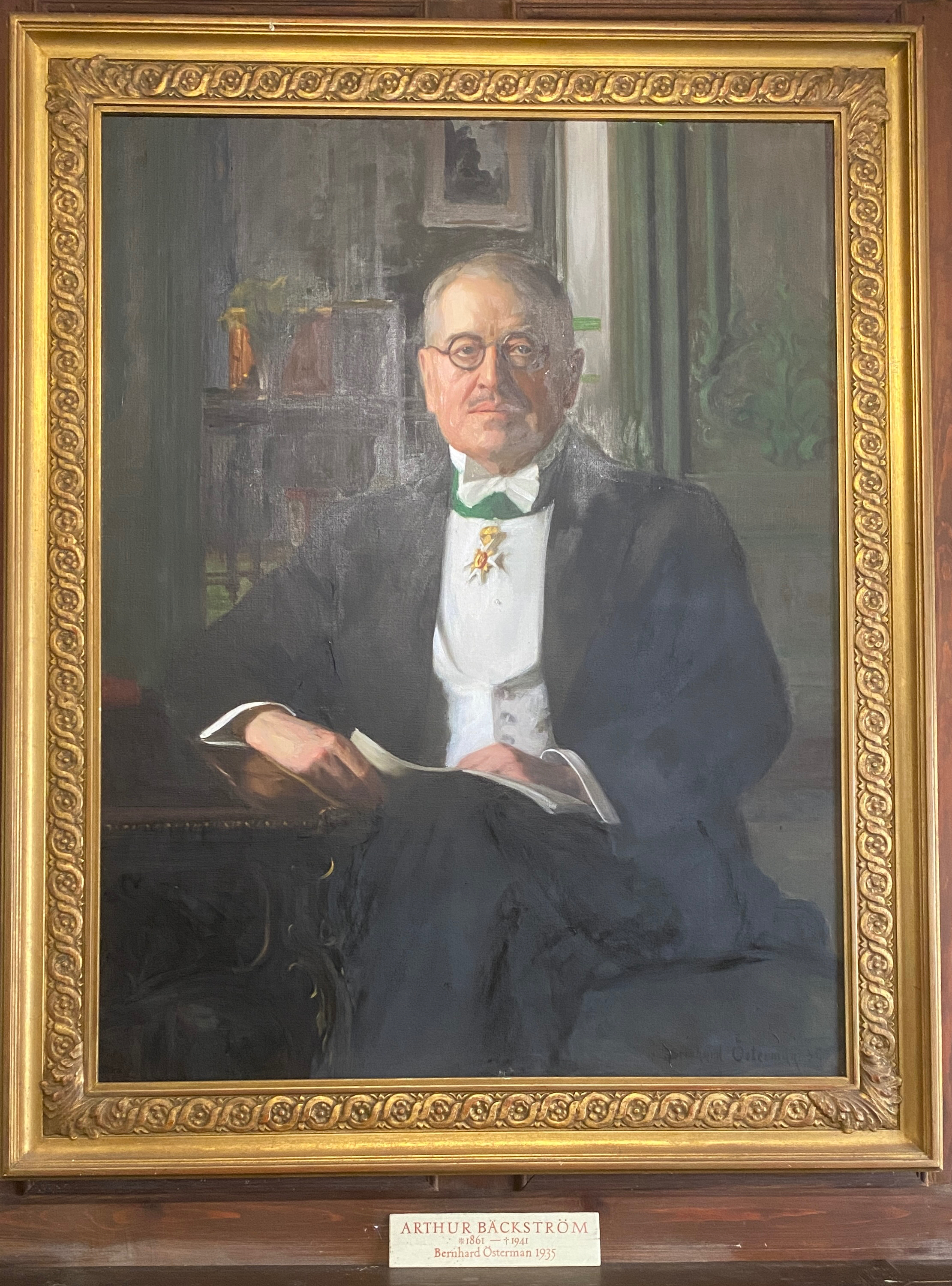
If the illness that the king contracted during his journey would cause his death, the guide could not answer. The guide showed a detailed description of who owned the farm first. The guide did this by pointing to the portrait paintings hanging on the hall wall of the house. I have now forgotten who they were.
The first floor of the house was Arthur’s private floor. The well-read and committed guide talked about how important his dogs were. He loved to drink rhubarb juice in the morning when he woke up. He pointed to the pitcher on a small table next to Arthur’s bed. Perhaps it was a bit of curiosity from the viewing. Or maybe it was because I asked a lot. I was as interested as the guide himself.
Arthur’s own breakfast room is at one end, and his private bedroom is at the other. Imagine if you had that for yourself. In between, there is a room where he and other higher dignitaries sat. They smoked and played cards. They probably also discussed business and politics. Opposite is a room that serves as a study, with a desk and associated accessories.
It is the common area that meets us on the next floor: the lounge and dining room. A room with porcelain from Rörstrand and shelves filled with glass, glass with Arthur’s seal on it. My question was, of course, if the glasses come from Rejmyre glass factory, perhaps. The glass factory is not too far from here and was founded in 1810. The guide could not answer that question, so others will have to find out. On the website there may be answers or not?
In the room with all the crockery, there is a food elevator. The food came from the warming room below. There, the cooked food was transported from the kitchen in the south wing. In the so-called Julita room, there is a large painting of Julita piecework. The guide told us that leather cannons were made there. Making the cannons easier to move on the battlefield seemed to be the intent. However, it turned out to be a fiasco. The gunpowder mixture was not always correct, and so the cannon blew up and fell apart.
The painting on the wall is a copy, the guide said. The original can be found at the National Museum in Amsterdam. I was there myself, in the spring of 2023. I certainly saw the original. I did not reflect on it at the time.
On the top floor, there is a library, guest rooms, and a large drawing room. I found out the professor and his wife were staying as guests. They were in one of the guest rooms in the northern part of the salon. The large library of over 5000 volumes, I imagine, satisfied the professor on his visit.
Large trunks lined the entrance to the guest rooms. They were a sign that someone traveled far. The traveler intended to stay there for a long time.
It wasn’t just visitors, tramps, and long-distance guests who enjoyed Artur’s company. Even the employees are said to enjoy it there. Most of the 150 employees lived in the area. A large part of them were crofters and lived in the 80 crofts on the manor.
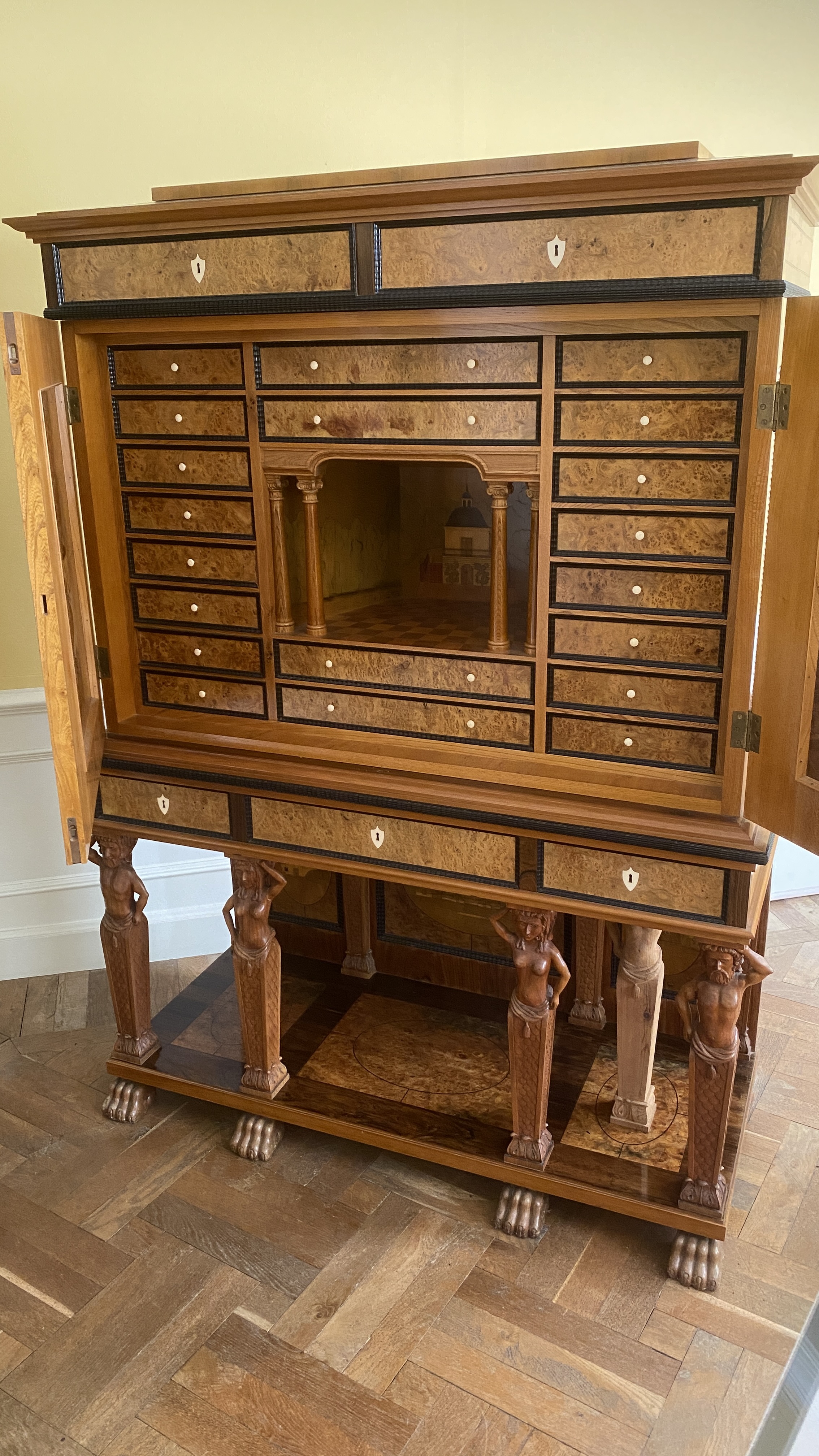
One who was mentioned often and many times was the farm carpenter Forsman. Henning Forsman was his full name. I was told that the majority of the furniture in the mansion was made by him. In his carpentry workshop, which is located on the outskirts, there was no electricity. Everything was done by hand and with mechanical machines.
There was electricity in the manor house. The guide enthusiastically pointed out the lamps in the ceiling. They did not have lampshades. This was to show that they had electric light in the house.
Forsman’s mission was to manufacture furniture for the nobility in various historical styles. Most of the furniture in the house is made by him. The guide showed me chairs in the Empire style, and sure enough, I could see it. As an art historian, I immediately recognize the style. It includes traditional lion’s paws. There are also tassels as decoration, mainly on the chair legs.
I was able to leave the mansion behind me after an hour of guiding. The gigantic garden was in front of me. At the end of it, a gazebo, which, according to the guide, is a replica. The original can be found at Skansen.
Many impressions and a lot in my historical backpack, we continued to explore the area. Orangery, museum, and a church are just a few buildings to visit. There is more, and a café of course. The coffee was almost more expensive than the entrance fee, but the nice café staff was a big plus. Water for the dog and coffee for us.
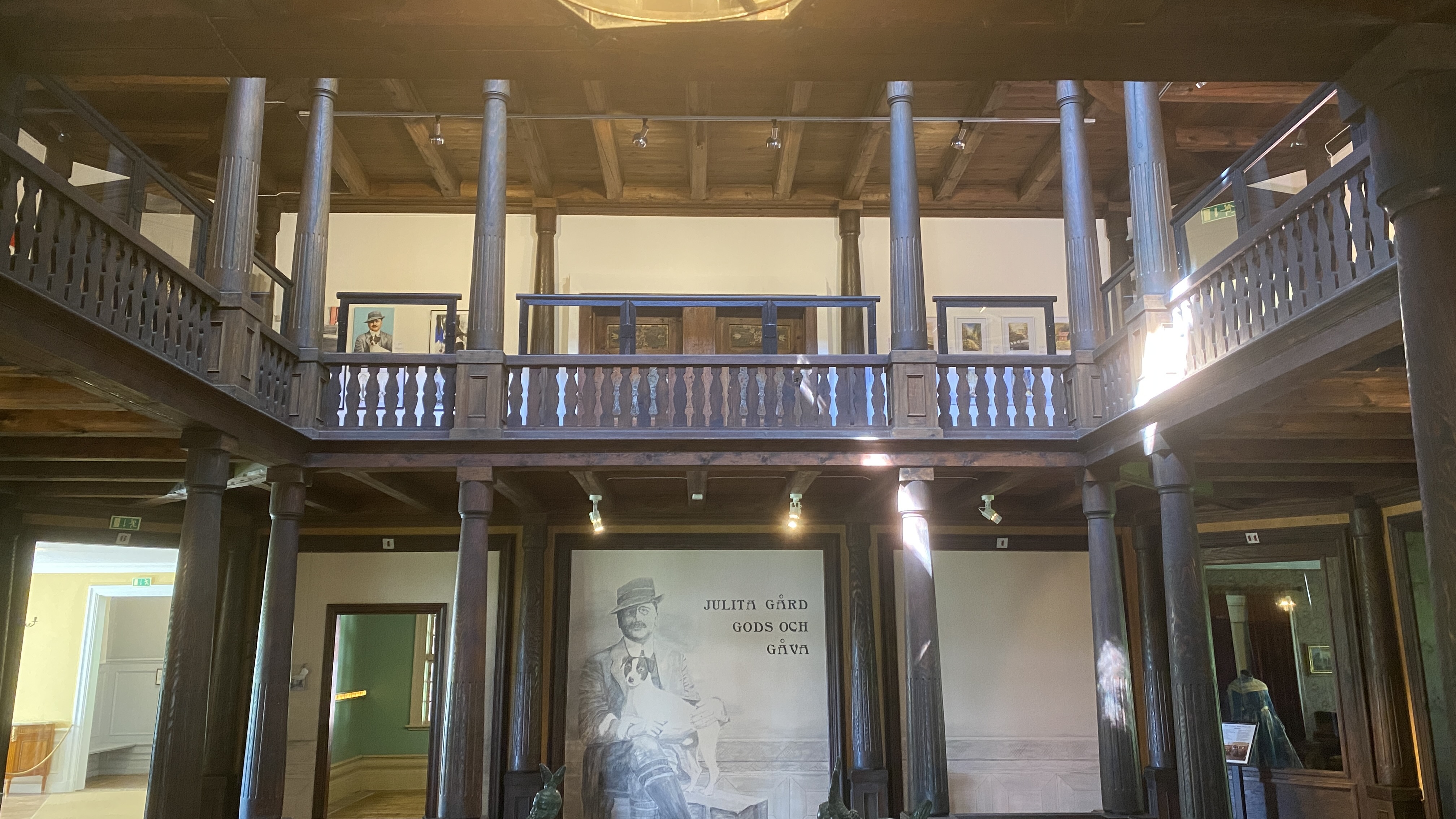
Adjacent to the church, there is a Julita Skans folk museum. There, Arthur Bäckström displayed items from his private collection. Today, when I came in, there was also a smaller art exhibition. ”Finally,” I thought. ”There is a bit of modern art. I found it when I got up to the exhibition, which is upstairs in the museum’s entrance.”
It is an ongoing exhibition of works from local artists. They operate in Katrineholm municipality – which includes Julita manor. The exhibition is organized by the non-profit association KIKK (Konstnärer i Katrineholms Kommun). There were some works I liked. Mainly the abstract works with strong colors.
The museum building is connected to the church on the farm. There is a small courtyard serving as a link between them. The church gate, as is the case in most instances, is in the west. That’s what I intended to convey, as I mentioned earlier, the matter concerning the weather lines.
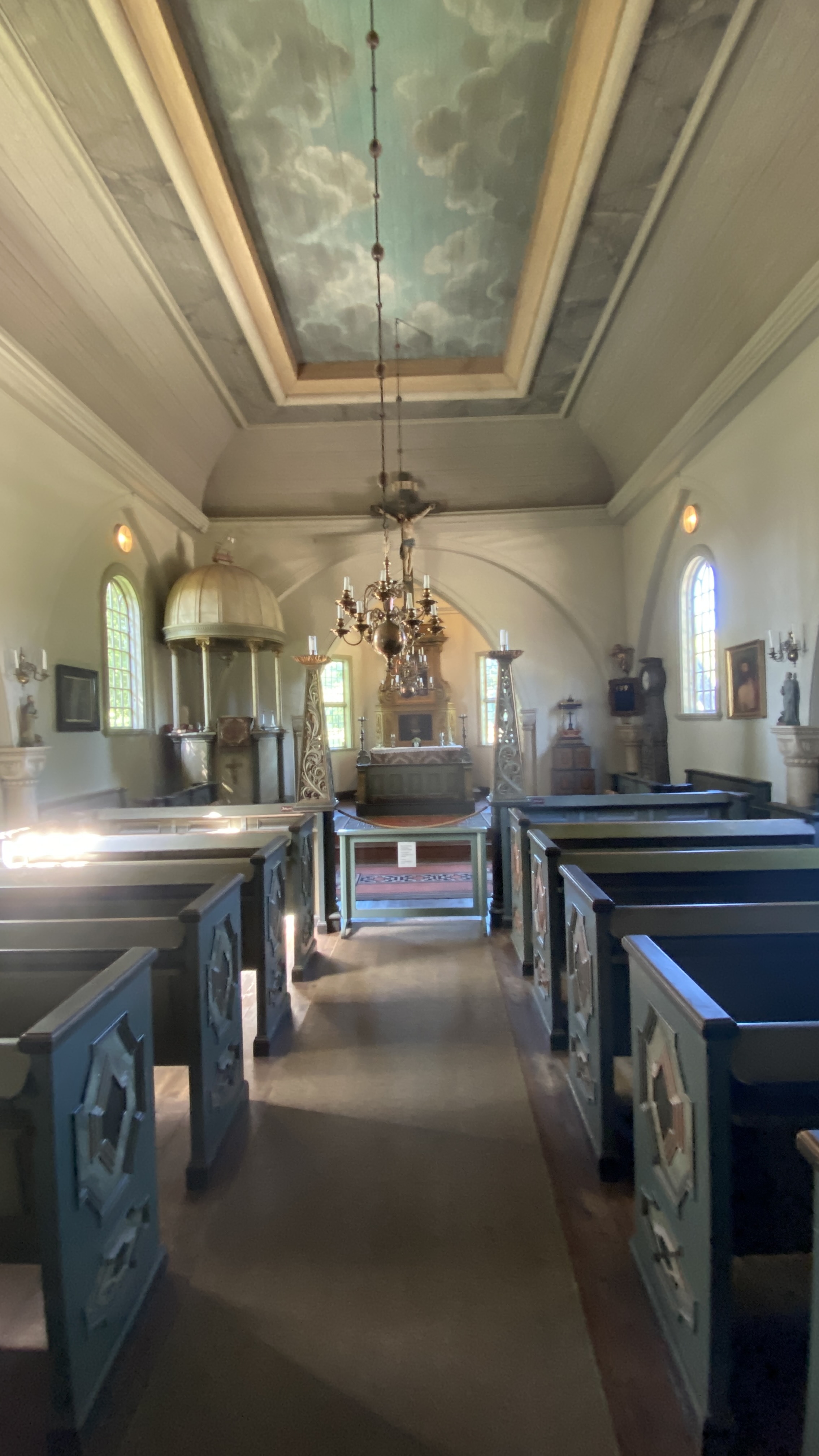
The big house is to the east, as is the church’s altar. It is a walk from the gate in the west, from Öljaren’s location in relation to the farm. Traditionally, churches have always been built so that the altar is in the east and the entrance in the west. The congregation must therefore look towards the east. This is the direction which is the origin of light. It is where the sun rises.
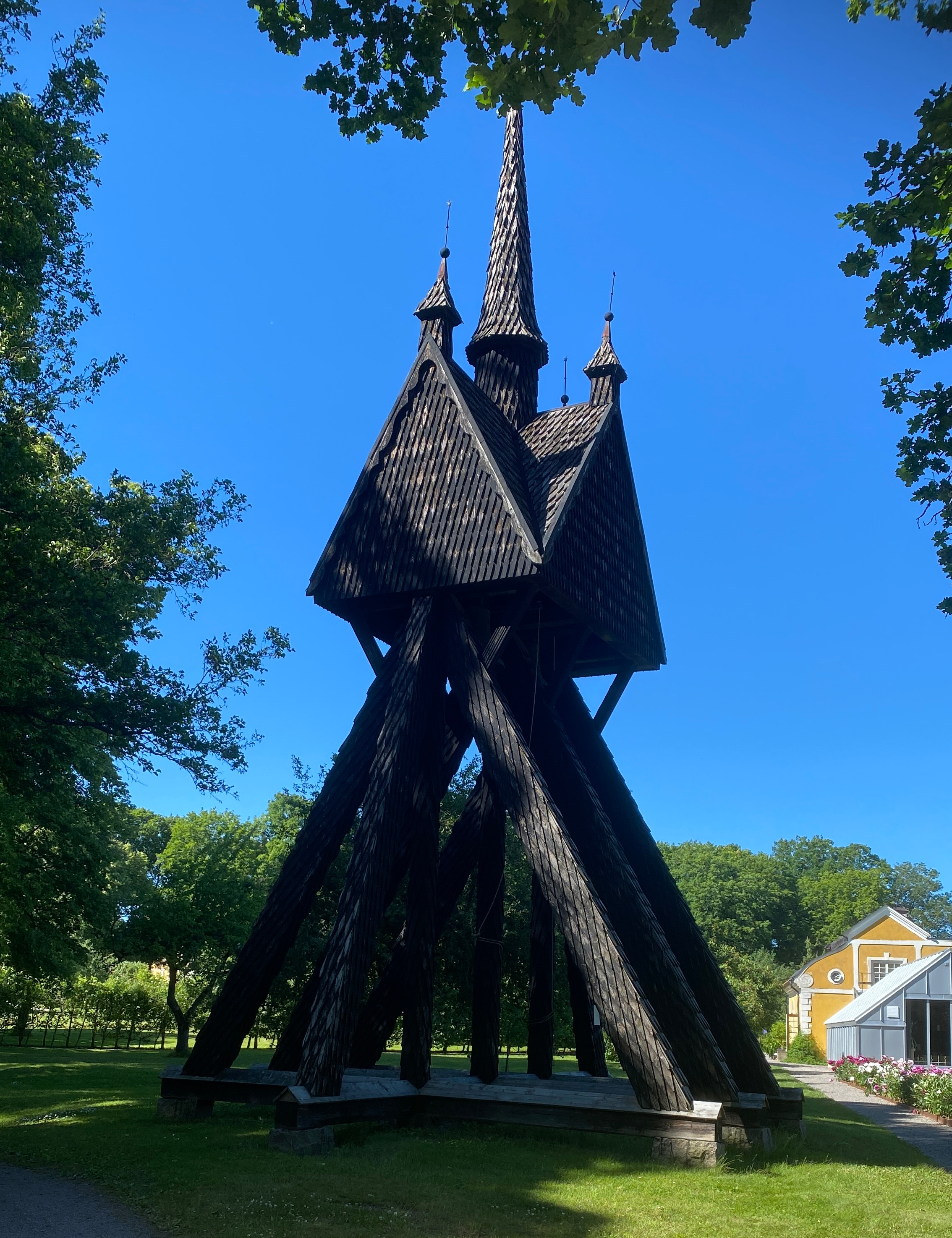
The church then? Or rather a chapel. Built in wood according to Arthur’s own ideas. Wooden benches and an altar at the front in the east. A seemingly small religious building with a free-standing bell tower – a so-called campanile.
The day trip continued. We visited the orangery and the nearby brickworks. Some flowers were bought before there was a short visit inside the museum shop.
© Björn Blomqvist 2024-06-22

 Blomman's Art and Poetry Blog
Lämna ett svar till Julita gård – en uppslukande historisk upplevelse – Blommans Konst- & Kulturblogg Avbryt svar