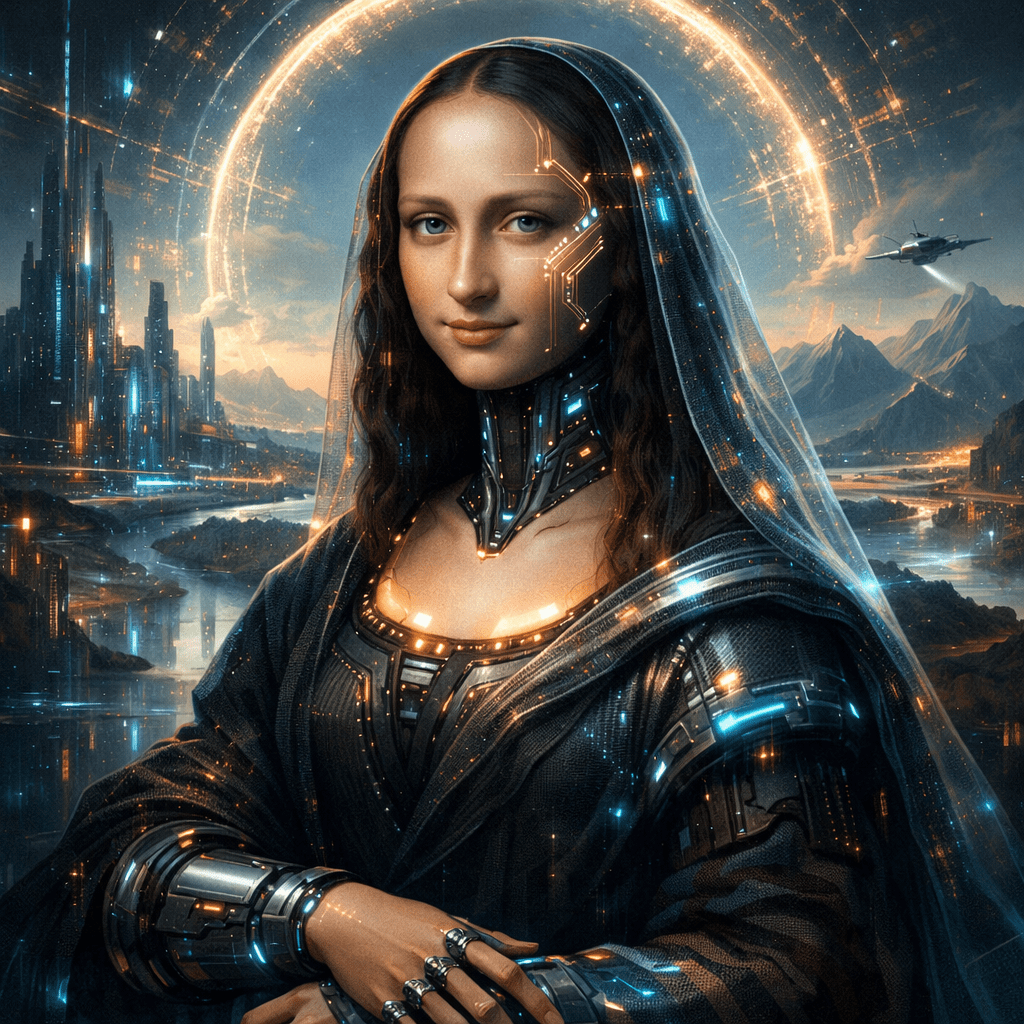
A reflection on art and perception, and what happens to creativity when perfection becomes effortless.
What happens to art when machines not only copy human skill, but surpass it – and when perfection no longer costs anything?

Technically, the answer is already here. Artificial intelligence creates images quickly and accurately, in ways no human can match. It seamlessly transitions between styles and expressions – without doubt, fatigue, or the need for time.
Art isn’t just about results; if it were, everything would be decided. It’s important to keep this idea open instead of closing it off.
The history of art isn’t just about technical progress. In fact, It is often the opposite. Key moments happen when something becomes unnecessary. When precision isn’t needed anymore, it allows for new ideas. When reality doesn’t have to be shown, it can be understood in different ways.
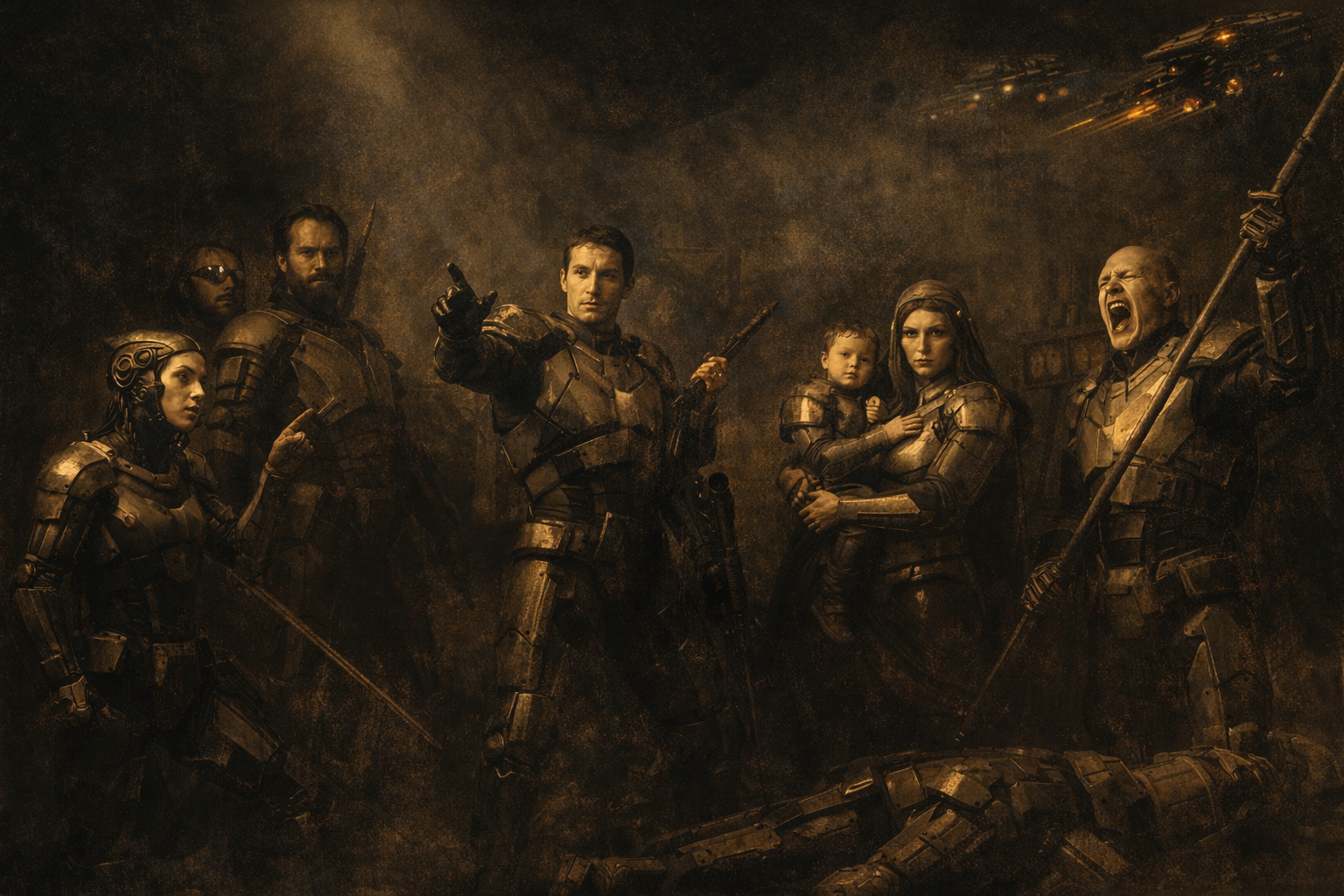
In that light, artificial art seems less like a threat and more like something that reveals something about it. It shows, quite harshly, how much of what we call art is really just variations of existing patterns. What may lose significance is not the art itself, but what was already predictable.

It’s hard to say the change is neutral. The constant access to perfect images influences both what is made and how we perceive things. Our eyes quickly adapt.
What takes time and thought may seem less valuable compared to things that provide instant satisfaction. This change happens not in the art itself, but in how the observer sees it.

Against this backdrop, the question shifts from competition to a more basic one: what cannot simply be optimized? Perhaps it involves elements of risk—things that could have failed. It highlights not just results, but a process where something significant was at stake.
This is not a sentimental view of the “human”, but a distinction in what a work is, rather than how it appears.
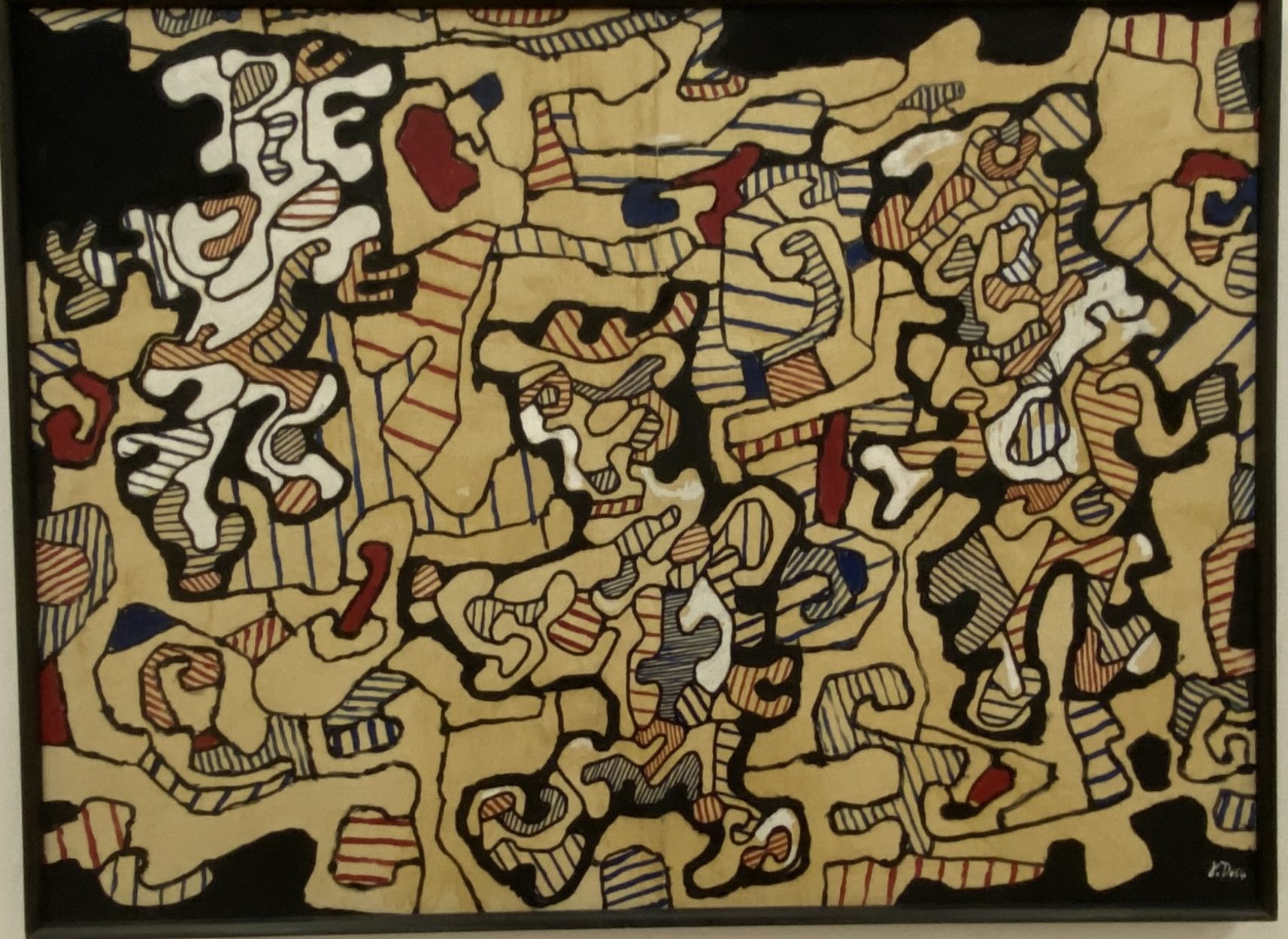
The question isn’t about whether artificial art can replace human art, but about understanding why it matters if it can’t. If someday the answer is no, it doesn’t mean the art itself is to blame. It’s tied to our ability to perceive.
Maybe it is not art that changes, but our perception of it?
© Björn Blomqvist 2026-04-12
 Blomman's Art and Poetry Blog
Comment