
The fourth day concludes our journey from Karlshamn to Kalmar. The road is lined with historical sites and new discoveries. We visit Ronneby Brunn, a 18th-century spa, and Kristianopel, a Danish fortress. At Kalmar Castle, we witness Sweden’s might during the Great Power Era.
Day four, and it’s time to head home. Leaving Karlshamn feels a bit sad. I wish I had spent more time reliving those cherished memories. Unlike our previous journey, this time we took the coastal road along the east coast. The route here was more inland, traversing the entire length of this vast country.
The journey home offers two exciting perspectives. Firstly, embracing the variation along the coastal road adds a refreshing twist to our travels. Secondly, it presents a wonderful opportunity to explore additional historical sites. Each site along the way is eager to share its stories. These stories promise to enrich our understanding of history. They also ignite our curiosity.
I find myself pondering several questions: What have they conveyed to us visitors? What is genuinely new, and what do we already find all too familiar? Are there any genuine historical or lived experience connections between them, or is it merely a pretense?
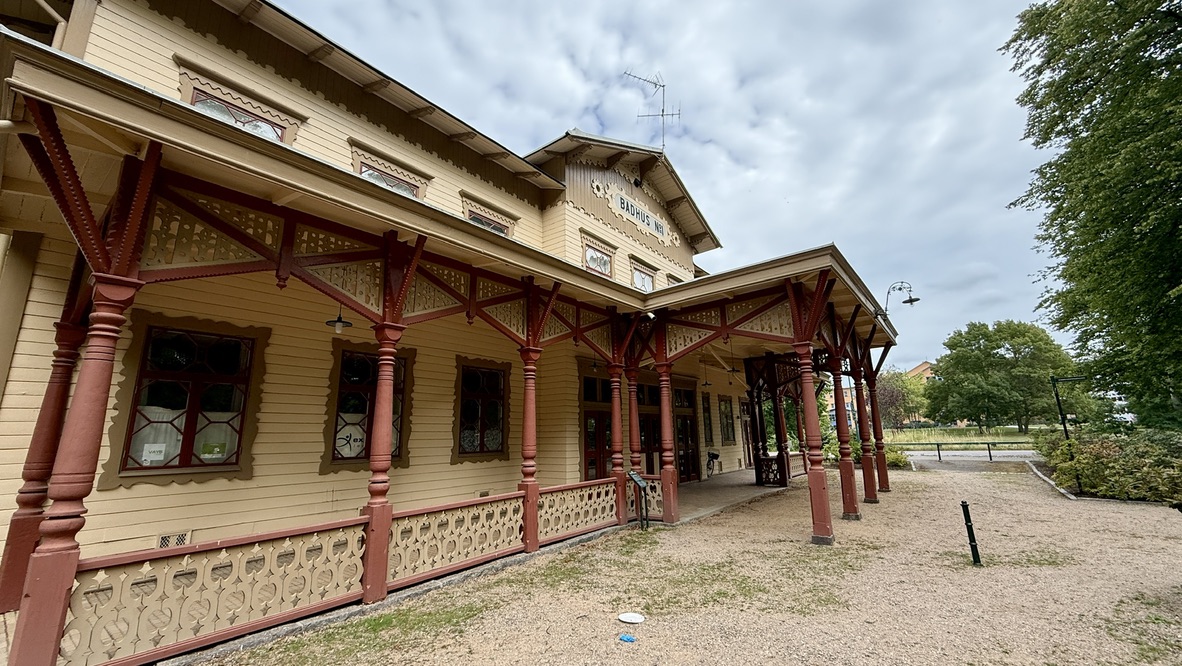
Ronneby Brunn
The first place we stopped at wasn’t particularly spectacular. There was a park, a beach, and a hotel with some older historical buildings, in my opinion. But…
Ronneby Brunn, a park with over 300 years of history, is one of Blekinge’s renowned landmarks. It boasts lush green spaces, ancient trees, and charming wooden structures dating back to the 19th and early 20th centuries. The park’s significance grew further in 1705. The first health spring was discovered then. This discovery transformed it into Sweden’s largest spa resort during the 19th century.
Brunnsparken, a protected heritage site since 1996 and a cultural reserve since 2003, boasts a rich history. It once featured bathing houses, a spring hall, and a grand hotel. Although the park declined in the 20th century and spa activities ceased, it preserved many significant historical buildings. Today, Brunnsparken remains an important cultural heritage site and recreational destination.
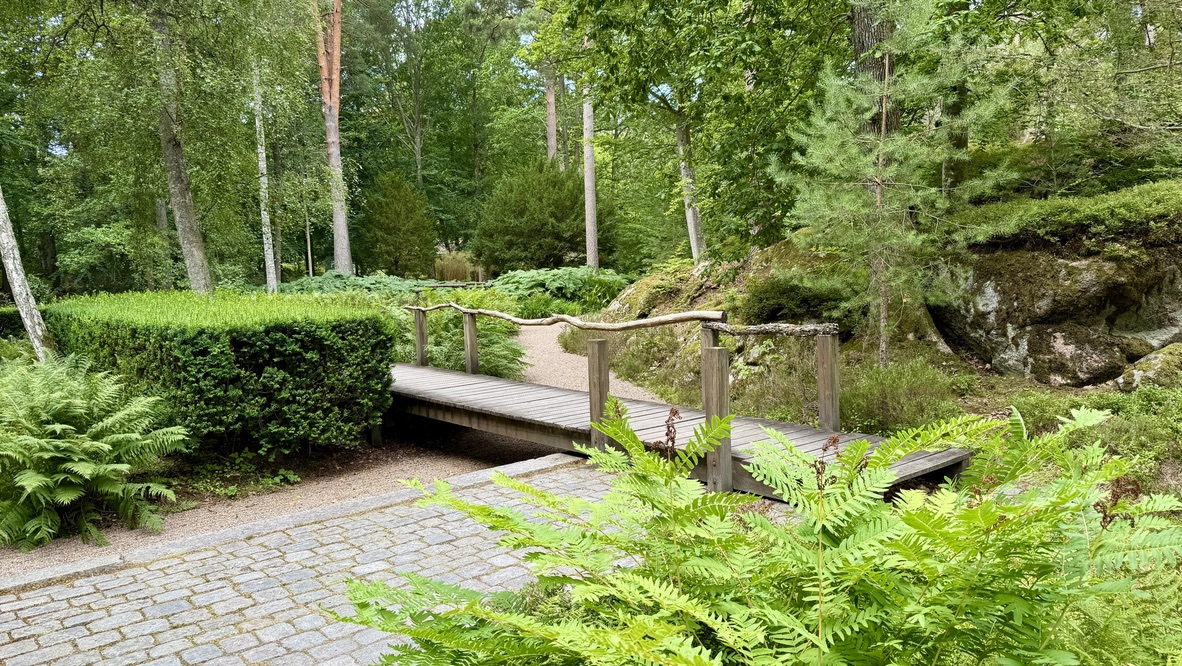
We had a delightful stroll through the park, surrounded by the charm of old buildings. We received an inspiring tip. Eagerly, we set off to explore the enchanting place known as Kristianopel. It is not far from our location.
Kristianopel
We decided to take a different route and bypassed the national road to Karlskrona. Instead, we opted for smaller, more challenging roads. However, we couldn’t help but wonder if we truly needed to take this detour. Now that we’ve arrived in Kristianopel, we can’t help but wonder about the significance of this place. What do the so-called historians have to say about it?
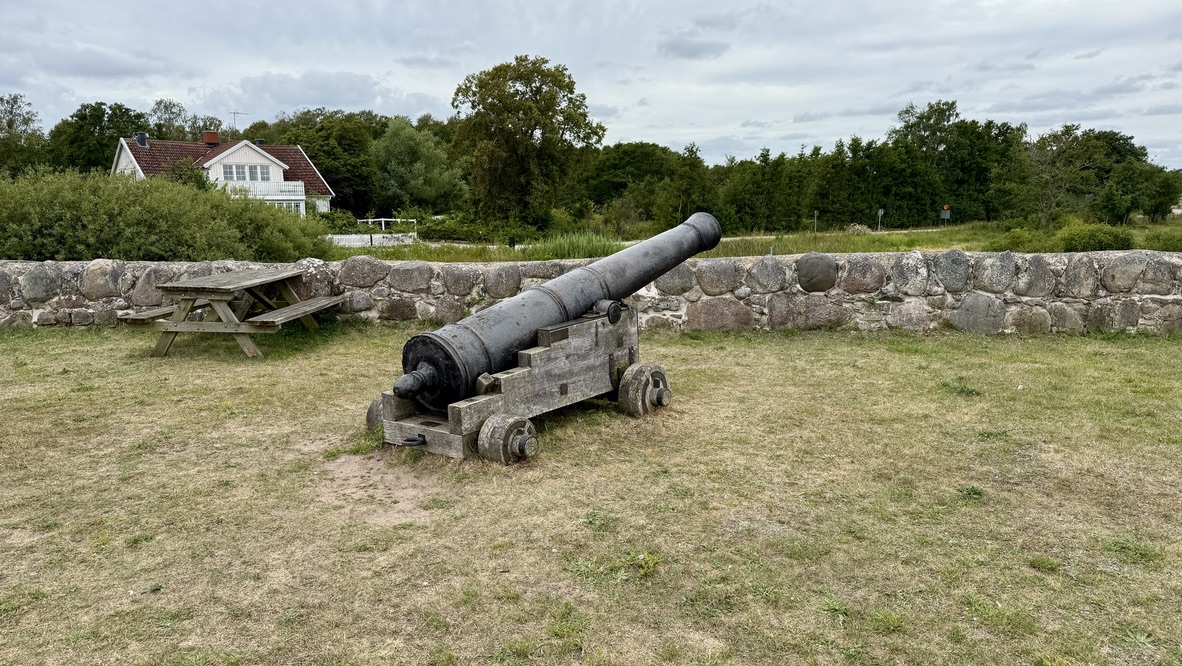
Kristianopel was established in 1600 during the reign of King Christian IV. It stands as the first Renaissance city in the Nordic region. It was designed as a border stronghold against Sweden. The city boasted a rectangular street layout. It was fortified by a wall with nine bastions. By the 1660s, its population had reached approximately 600.
The city underwent reconstruction after an incursion by troops led by Gustav II Adolf in 1611. The Treaty of Roskilde in 1658 reduced its strategic importance. As a result, the walls were dismantled during the 18th century. Throughout the 19th century, the city’s economy thrived through fishing, trade, and various crafts. The restoration of the walls took place in the 1930s.
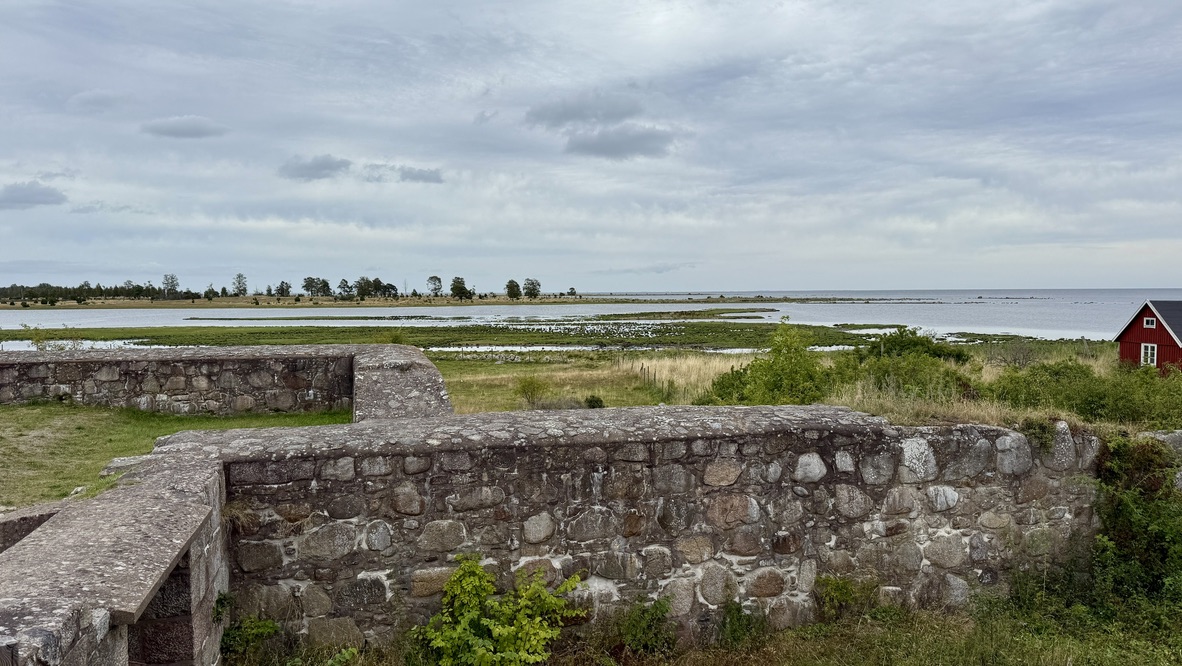
Here’s what I discovered about this location. It has limited remaining structures. However, don’t be deceived into thinking there’s nothing to explore. Delve into its history, and you’ll uncover a treasure trove of hidden stories waiting to be revealed. And of course, there’s an intriguing connection to the next historical site.
We were eagerly on our way to our next destination, our hunger fueling our anticipation. As we journeyed, we crossed a captivating historic border between Denmark and Sweden. It was incredible to contemplate Kristianopel, a city that once belonged to Denmark until the Treaty of Roskilde in 1658. Today, Kristianopel stands as a testament to the past. In contrast, Kalmar Castle proudly displayed the rich history of the Swedish side.
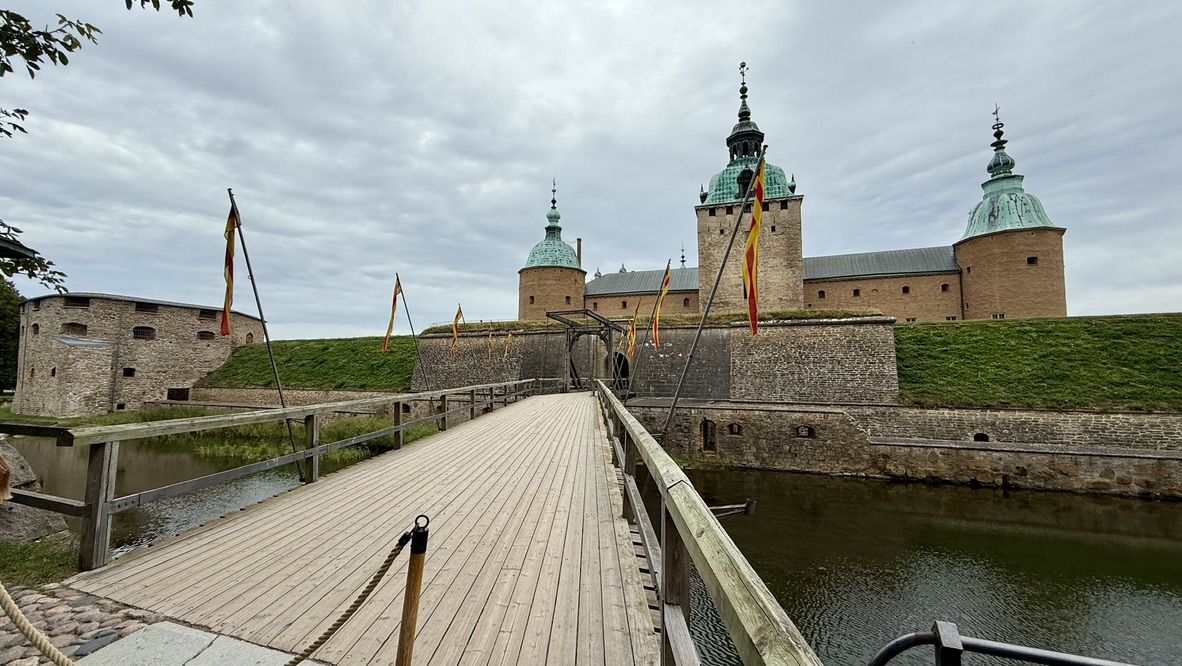
We’ve found ourselves in Kalmar, Sweden, at one of its most well-preserved castles, dating back to the 12th century.
Kalmar Castle
Kalmar Castle, a magnificent testament to history, was constructed in the late 11th century. By the end of the 12th century, it had undergone a transformation, adorned with imposing fortifications and majestic buildings. Beyond its architectural grandeur, the castle served as a vibrant hub of Nordic political intrigue. Its pivotal role in shaping the Kalmar Union in 1397 underscores its significance in the region’s history.
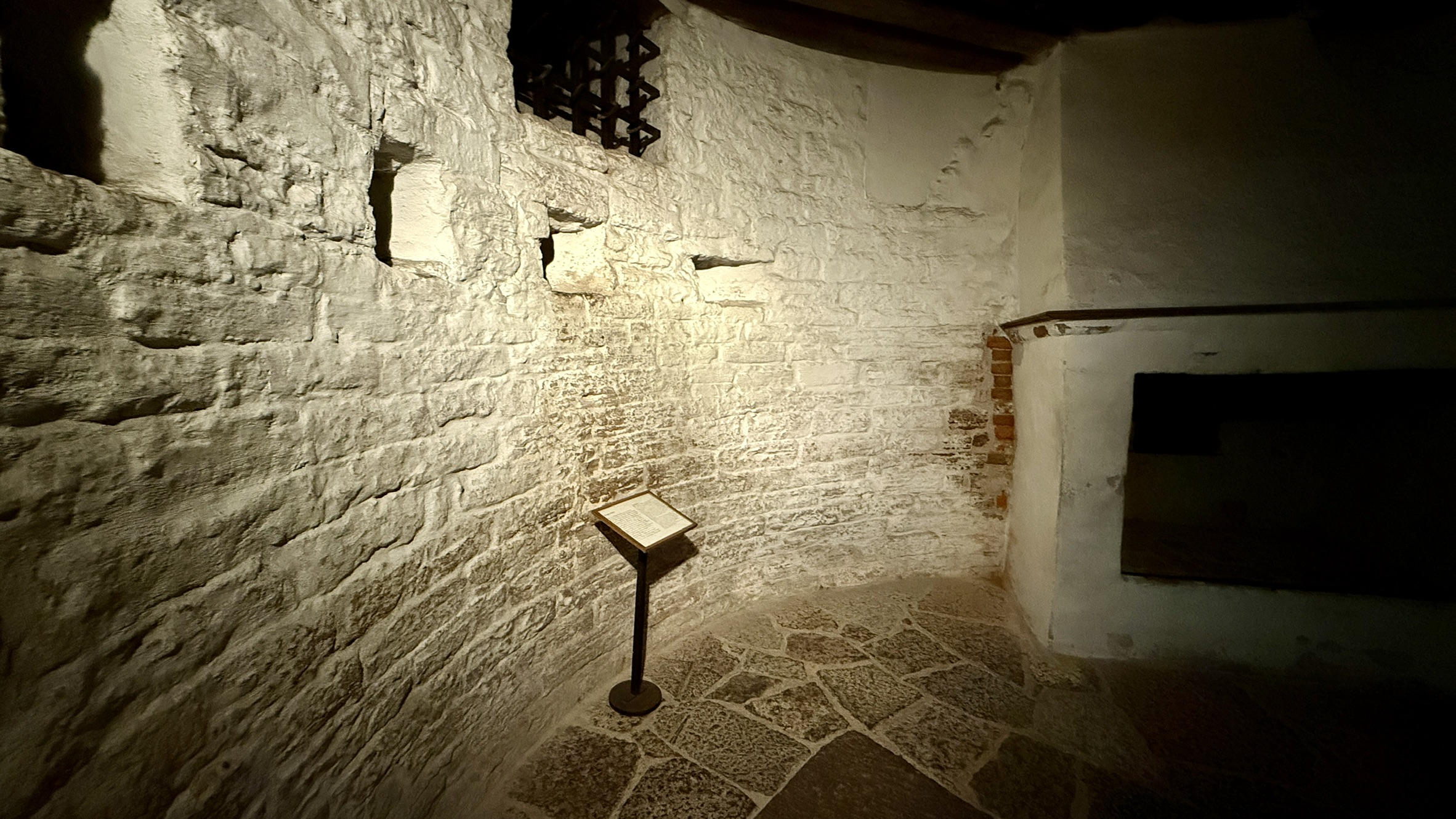
This era is filled with the fervor of the Swedish Middle Ages. It is characterized by the rise and fall of kings. The fierce brotherly bonds echo through time. Among the notable events of this period is the legendary Nyköping Banquet held in 1317 in my beloved hometown, Nyköping. This banquet was a true feast of history and passion, leaving an indelible mark on the annals of time.
During the 1500s and 1600s, Kalmar Castle underwent grand Renaissance renovations, adding impressive new wings and towers. This era also witnessed the rise of Kristianopel across the border. However, in the 1600s and 1700s, the castle began to deteriorate and was partially repurposed as a prison and distillery. By the mid-19th century, extensive restoration work commenced. Since then, Kalmar Castle has proudly stood as one of Sweden’s best-preserved Renaissance castles.
In the evenings, you can enjoy free entry, allowing you to leisurely explore the castle’s charming inner courtyard. However, all exhibitions are closed during this time. The cannon-adorned ramparts may not offer much to see. However, it’s still worth visiting the exhibitions within the castle during the day. Remember, there’s a ticket price of 180 kr per adult (approximately 19 usd). Despite the ticket price, the enriching experiences inside truly make it worthwhile.
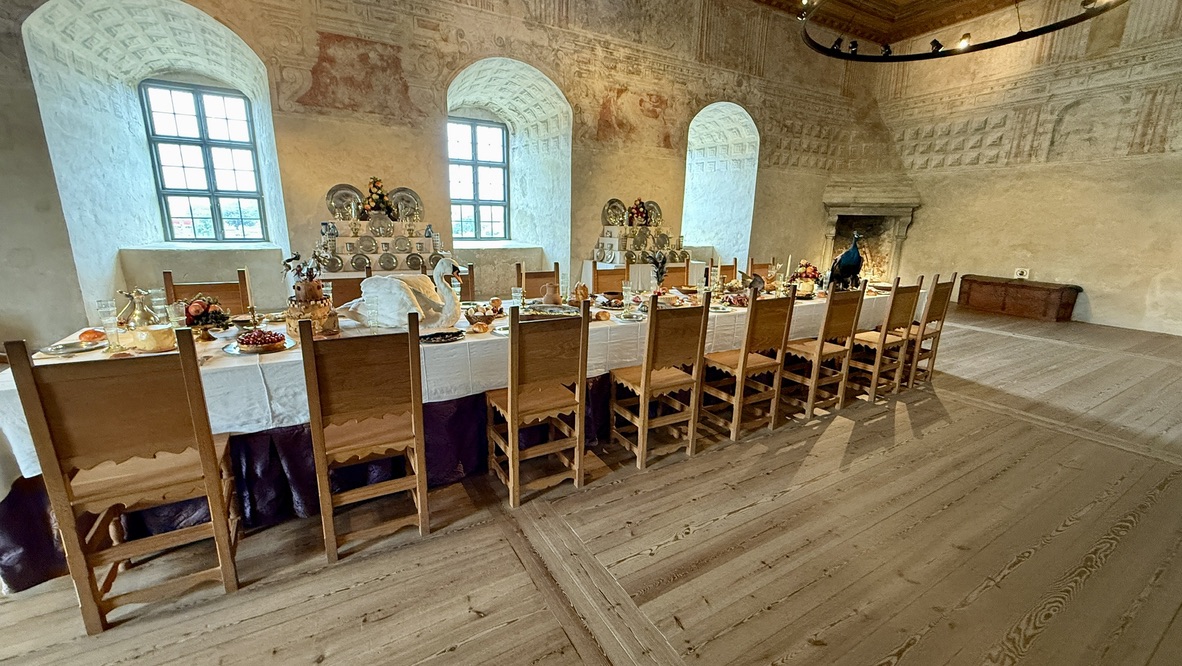
We paid our entrance fee and, with growling stomachs, ventured into the endless exhibitions within the castle. The exhibits were overwhelming, and the sheer number of them made it difficult to navigate. In each room, I couldn’t resist snapping photos and immersing myself in the charged historical atmosphere that lingered. Despite our efforts, we left the dining hall and kitchen feeling unsatisfied, if anything, we were left ravenous. The castle was the epicenter of power for kings and dukes. Among them, Erik XIV stood out as the most notable. We felt like mere shadows in his grand tale.
Journey home
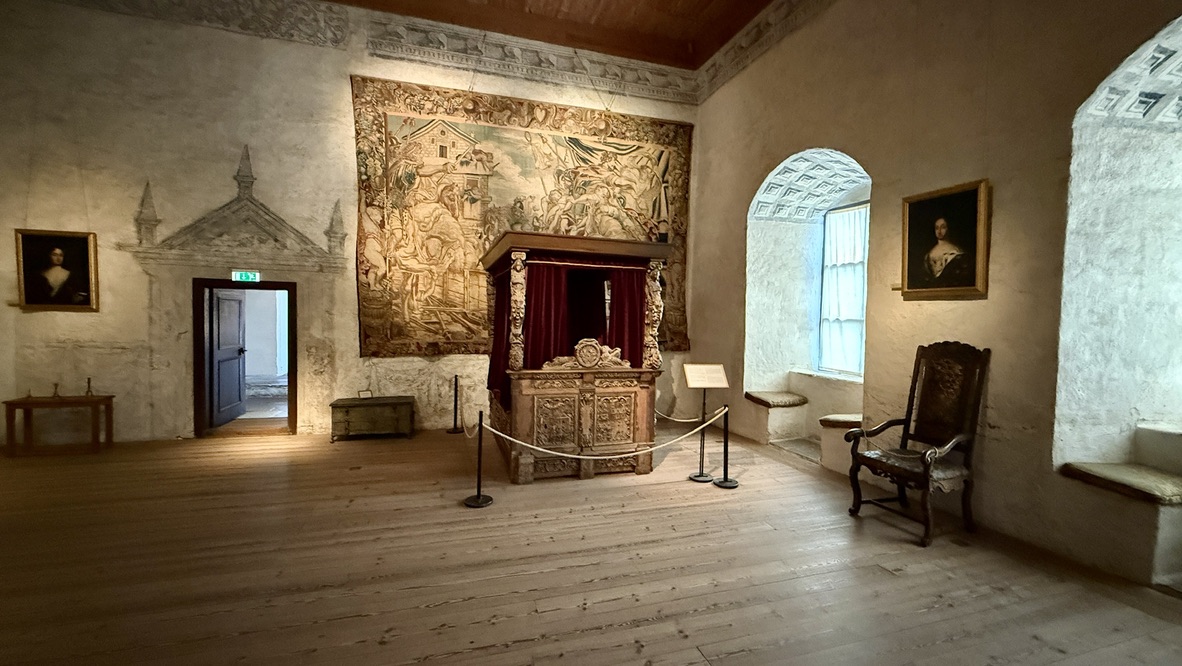
If we were feeling tired, it’s understandable. The journey ahead is long, and more than half the distance remains. This means we’ll have a few more hours in the car along the E22. A cozy nap in the bed above would be a welcome relief, but of course, that might attract some attention. We’ll have the chance to rest when we finally get home and have satisfied our hunger.
Then, we can fully recharge for all the incredible adventures that await us just around the corner! A vibrant blend of art, culture, and magnificent architecture beckons us, eager to ignite our creativity in extraordinary ways. There are numerous castles and enchanting locations. Poetic experiences are also on the horizon. This presents the ideal opportunity to immerse ourselves once more.
I’m eager to rekindle the original essence of this blog. I embarked on this artistic journey 15 years ago, brimming with excitement to share my insights with you. While I’ve shared some fascinating content, I recognize that there are countless remarkable discoveries yet to be made. It’s time to bring these reflections back into the limelight!
© Björn Blomqvist 2025-09-30
 Blomman's Art and Poetry Blog
Comment