
The journey traverses southern Sweden, beginning at Gränna’s peppermint hills and culminating at the Brahehus ruins. It then proceeds to Ystad’s cobblestone streets and Ales stenar. This journey intricately weaves together landscapes, history, and the echoes of exploration.
Growing up in this expansive country, I embarked on countless long journeys. This time, my heart guided me south and back, embarking on a thrilling adventure. From a map’s perspective, it’s a mesmerizing journey south, followed by a dramatic U-turn back to the north. This encapsulates the essence of exploration.
We spent five exhilarating hours in the car, the enchanting scent of peppermint candies wafting through the air in Gränna. The breathtaking ruin of Brahehus stood proudly, marking our journey through the captivating southern parts of Sweden.
From the charming towns of Ystad and Simrishamn, we embark on a thrilling journey to Karlshamn. Every moment beckons us onward, leading us to the picturesque east coast.

Nestled between the city’s charming cobblestone streets, I find myself in a small square, feeling like Kurt Wallander. He joyfully strolled on the vibrant streets of Ystad. He dedicated his efforts to the city’s busy police station. Together, these actions fostered a sense of community and connection.
The fictional criminal inspector Kurt Wallander is the protagonist of Henning Mankell’s delightful detective novels. He has enthusiastically solved murder mysteries in fiction. These mysteries unfold right here in the city. As I savor my potato salad, I eagerly chew and reminisce about the exciting books. They feature the opera enthusiast who tackles case after intriguing case.
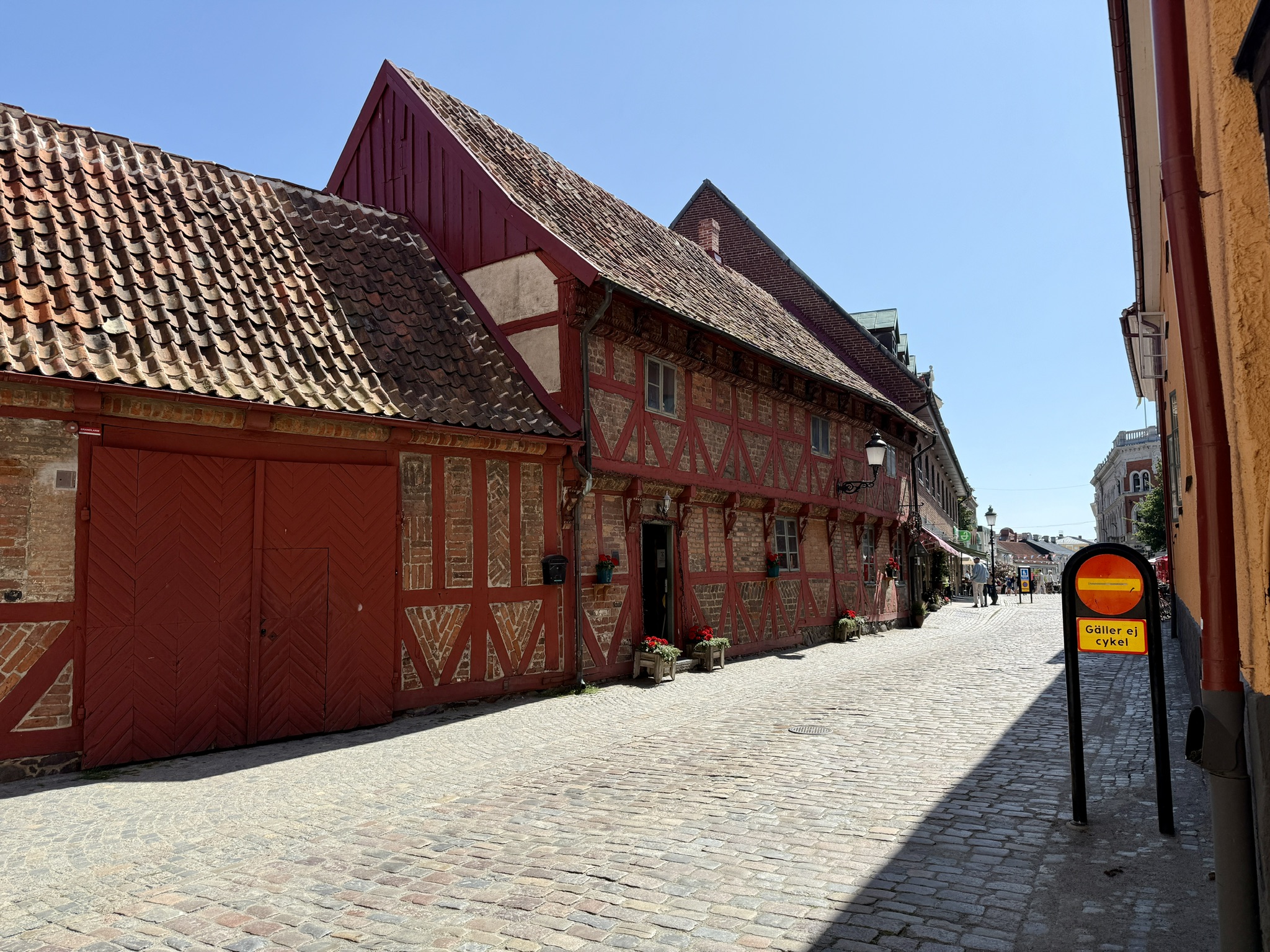
I’ve delved into several of the books, and naturally, I’ve been captivated by the TV series inspired by them. Countless episodes have come to life right here, filling the air with intrigue and suspense.
Let’s delve back into that captivating city. It is where Inspector Kurt Wallander roamed the streets. He meticulously unraveled the intricate puzzles of murder. What precisely makes this city so extraordinary and etched in our memories?
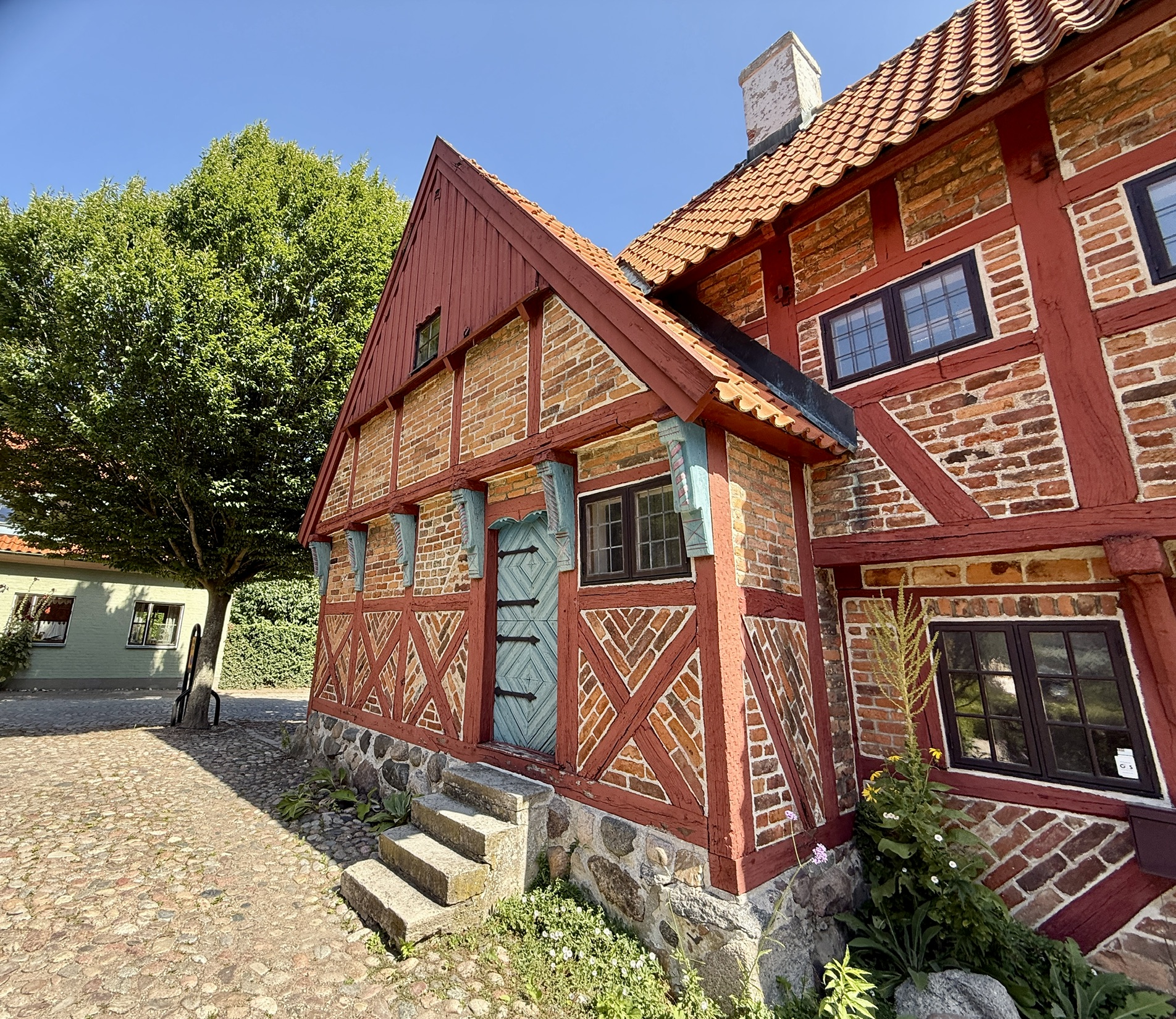
The captivating style of the houses set against the sea enthralls me. Ferries conveniently transport you to Poland, Germany, and Bornholm from this picturesque location. The abundance of half-timbered houses, each a testament to timeless craftsmanship, evokes a rich history. Timber beams splinter the landscape, supporting structures filled with brick or stone. These structures weave a captivating story of beauty and resilience.
Architectural history reveals resource variations across different regions of the country during the early Middle Ages. Some areas had abundant stone, while others had more wood. Consequently, wooden houses became prevalent in Norrland, a region with extensive forests. In contrast, southern Sweden, particularly Gotland, faced limited wood availability. This scarcity necessitated the increased use of brick and stone in construction. Gotland serves as a prime example of this trend.
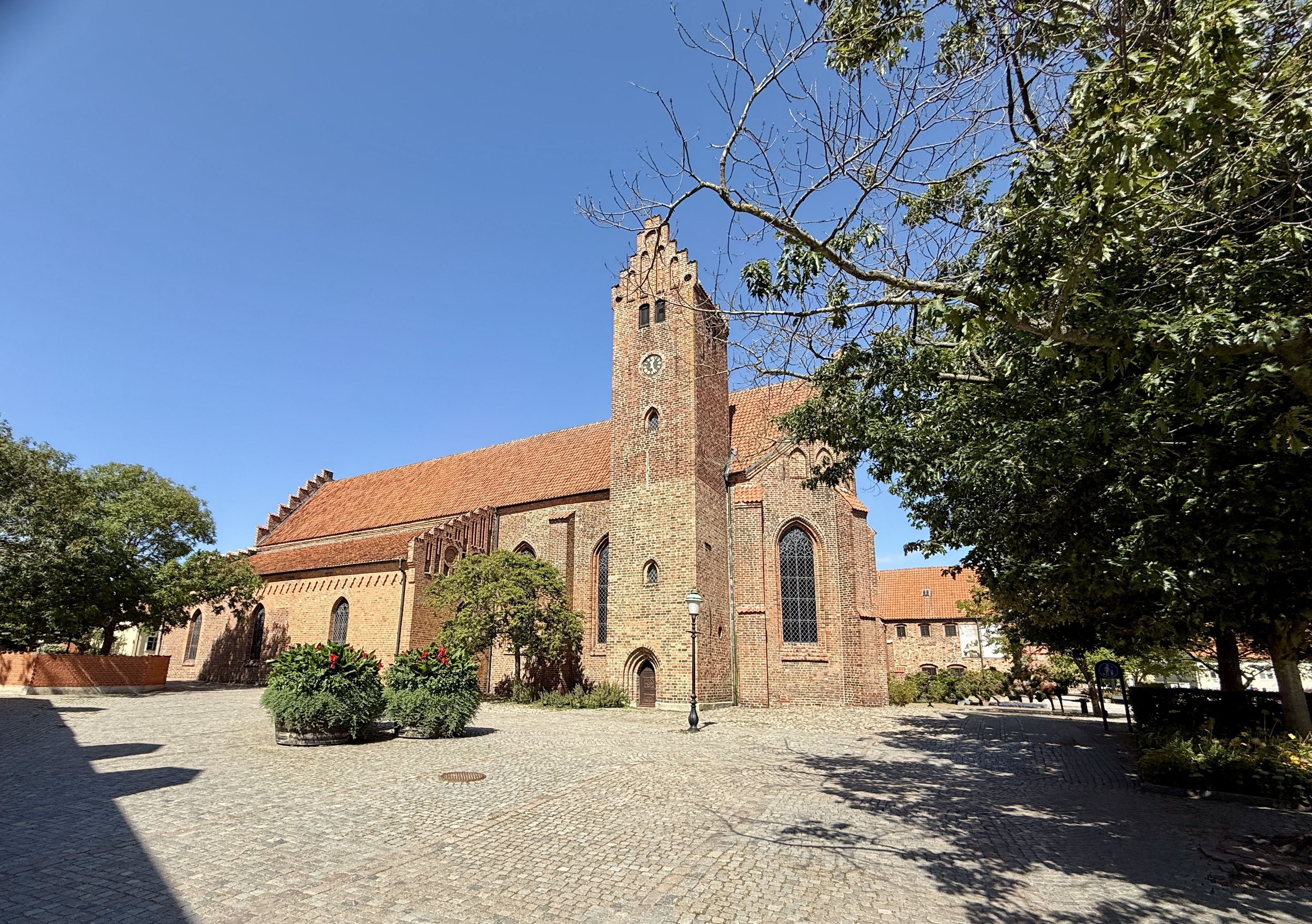
Ystad has origins dating back to the medieval period. It boasts a remarkable monastery and garden. These are must-visit attractions. During our tour, we explored both the monastery and the garden. They are among Sweden’s finest examples of well-preserved medieval monastic establishments. The monastery was established around 1267 by Franciscan monks, known as Greyfriars. However, after the Reformation, it underwent various transformations. It was repurposed for different purposes. These purposes included serving as a hospital and a prison.
Today, it serves as a museum and cultural center. It features a renowned garden. The exhibitions showcase the city’s rich history.
We didn’t have time for distractions like the museum or cultural center; we were completely focused on Ales stenar, a place of immense significance that won’t be overlooked 😉
I’m thrilled to delve deeper into the subject in the upcoming segment!
© Björn Blomqvist 2025-09-16
 Blomman's Art and Poetry Blog
Comment