
Through Östergötland between monasteries and chocolate. From Vreta Monastery to Cloetta in Ljungsbro, where Kexchoklad is made. We indulged in temptation and then continued to IKEA in Linköping. A day with contrasts between the sacred and the worldly.
The other day, it was time for a new excursion through the history of culture, art, religion, and entrepreneurship. Not far from here – more precisely, in the neighboring county of Östergötland. There is much to see and explore there. For us, it was an easy journey of about an hour. Filled with anticipation and curiosity, we set off on the road.
The main destination of the day was, of course, IKEA in Linköping. We had a somewhat tight budget. Yet, we decided to spend. We set aside 4000 kronor (371 USD) for this purpose. But before that, we wanted to explore some historical gems in the county. Castles and churches adorn the landscape there, just as in our own county.
Östergötland offers a fascinating mix of attractions. There is a golf ball museum. A candy factory1 (Cloetta) and one of Sweden’s oldest monasteries add to the charm. It is a nunnery dating back to the 12th century. I have been losing weight and training diligently for some time. My goal is to improve my health. So, a stop at the candy factory felt like a temptation I should avoid.

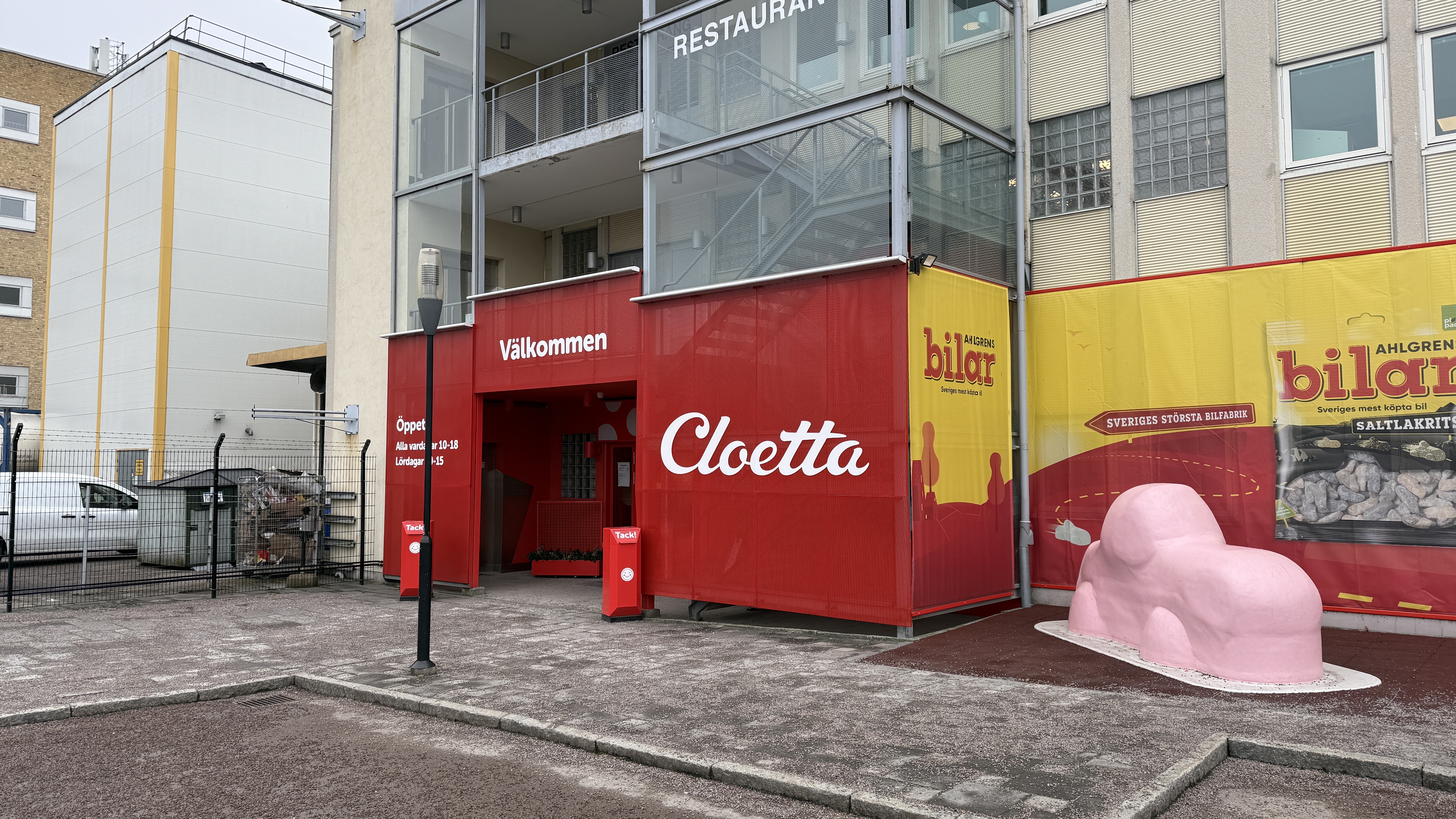
But fate had other plans – we stopped at the Cloetta chocolate factory anyway, which is also part of Malaco. Here, everything from Swedish Fish to gummy candy and Kexchoklad is produced; it’s an irresistible place for a sweet tooth. We made a brief stop at Vreta Abbey before reaching the factory. This was just before the small town of Ljungsbro, where the chocolate factory is located.
What did we learn about the abbey? Unfortunately, we couldn’t go inside, as a funeral was taking place. But we took a peaceful walk around the monastery ruins, where informative signs told their history.

Vreta Abbey is one of Sweden’s oldest monastic sites, with a history dating back to the 12th century. It was Sweden’s first nunnery and belonged to the Cistercian Order. Here, noblewomen were educated at a time when education for women was rare. The abbey was an important spiritual and intellectual center and had strong ties to the Swedish royal family.
Bishop Bengt Birgersson (c. 1254–1291), brother of King Magnus Ladulås, reopened the abbey in 1289 in the king’s presence. Bengt was a typical medieval church prince, where politics and religion went hand in hand. His career illustrates how the monarchy used the church to strengthen its position in the 13th century.
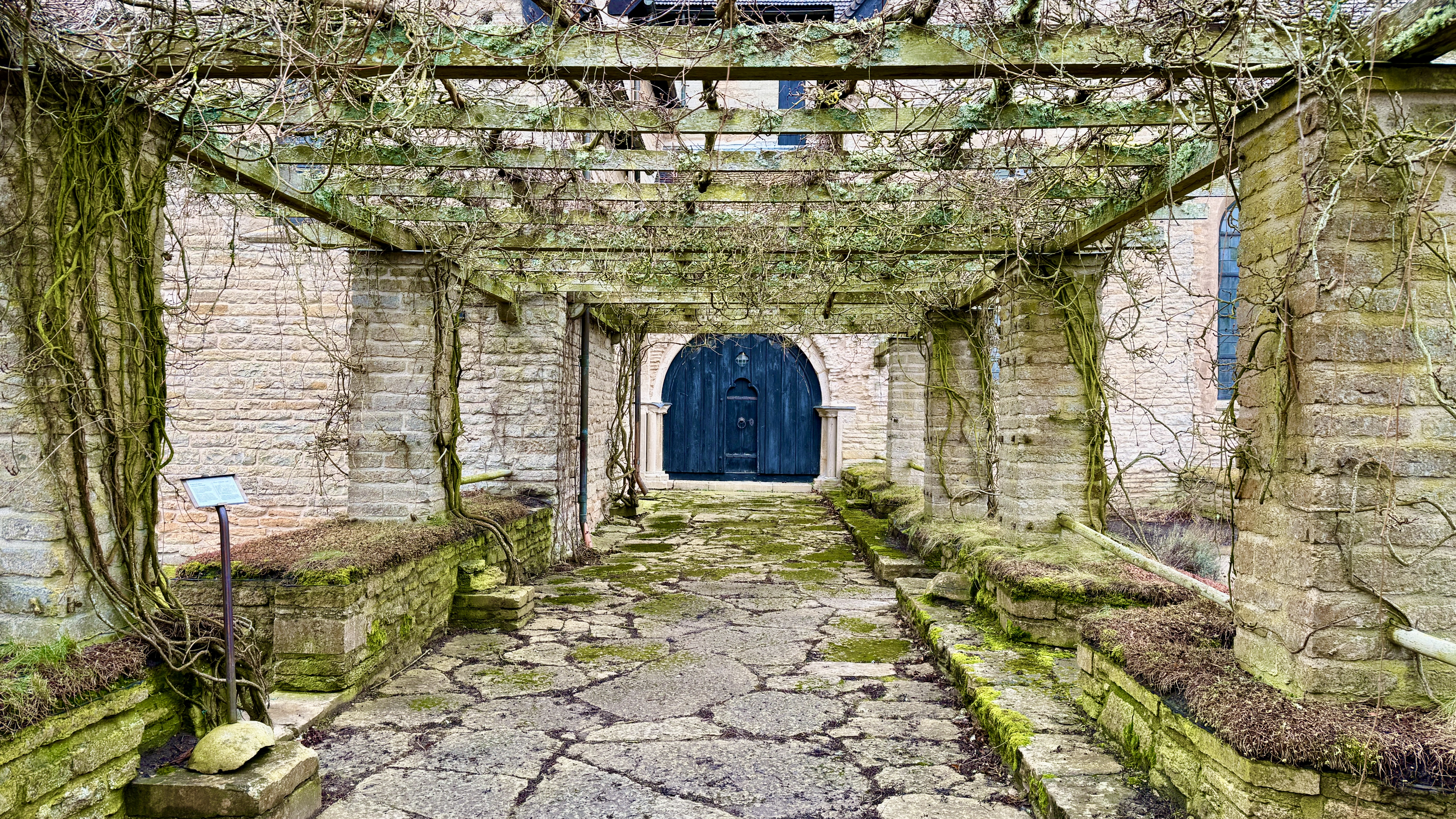
Gustav Vasa’s Reformation in the 16th century led to the dissolution of monasteries in Sweden. Despite this, Vreta Abbey continued to serve as a residence for the last nuns until the end of the century. An old legend tells of a secret underground passage. It leads from the abbey to Berg’s locks at the Göta Canal. The ruins are said to be haunted. Several visitors have reported strange lights. Shadows move in the darkness.
After our historical visit, it was time for something less ascetic – the Cloetta chocolate factory. We filled a large bag with various sweets and left the store with a mix of joy and guilt. But we consoled ourselves with the thought that something even more enjoyable awaited – an ending at IKEA, of course.
© Björn Blomqvist 2025-03-02
- Cloetta https://www.cloetta.com/en ↩︎
 Blomman's Art and Poetry Blog
Comment